





अनुकूलित इंजेक्शन मोल्ड
एक अनुकूलित इंजेक्शन मोल्ड कोई सामान्य वस्तु नहीं है। मानक मोल्डों के विपरीत जो सामान्य भाग बनाते हैं, एक अनुकूलित इंजेक्शन मोल्ड को विशेष रूप से एक उत्पाद, एक सामग्री और प्रदर्शन आवश्यकताओं के एक सेट के लिए डिज़ाइन और इंजीनियर किया जाता है। हर विवरण—गेट के स्थान और कूलिंग चैनल लेआउट से लेकर स्टील ग्रेड और सतह की फिनिश तक—को एक विशेष अनुप्रयोग के लिए अनुकूलित किया जाता है। इस स्तर का अनुकूलन बेहतर पार्ट गुणवत्ता, तेज़ साइकिल समय, लंबी टूल लाइफ़ और कम समग्र उत्पादन लागत प्रदान करता है। हालाँकि, एक वास्तव में अनुकूलित इंजेक्शन मोल्ड को डिज़ाइन करने और बनाने के लिए खरीदार और मोल्ड निर्माता के बीच गहरे तकनीकी सहयोग की आवश्यकता होती है। यह समझना कि एक अनुकूलित इंजेक्शन मोल्ड को ऑफ-द-शेल्फ टूलिंग से क्या अलग बनाता है, एक सफल उत्पादन कार्यक्रम की दिशा में पहला कदम है।.
मानक साँचे क्यों कम पड़ते हैं
कई प्लास्टिक के हिस्से मानकीकृत सांचों से नहीं बनाए जा सकते। मानकीकृत सांचे निश्चित गुहा लेआउट, सामान्य रनर सिस्टम, और बुनियादी कूलिंग डिज़ाइनों के साथ आते हैं। वे बहुत सरल, कम-सटीकता वाले हिस्सों के लिए काम करते हैं। लेकिन अधिकांश वास्तविक दुनिया के उत्पादों में अनूठी ज्यामिति, विशिष्ट गेट स्थितियाँ, जटिल अंडरकट, या कड़ी आयामी सहनशीलता होती है। एक ऐसा पुर्जा जिसे लिविंग हिंज, एकीकृत स्नैप-फिट, या ऑप्टिकल-ग्रेड पारदर्शिता की आवश्यकता हो, उसके लिए उन विशेषताओं के अनुरूप एक कस्टम इंजेक्शन मोल्ड की मांग होती है।.
इसके अलावा, उत्पादन की मात्रा और सामग्री का चुनाव अनुकूलन को प्रेरित करते हैं। उच्च-मात्रा वाले भागों के लिए तेजी से और समान रूप से गर्मी हटाने हेतु कड़े स्टील के साँचे और अनुरूप कूलिंग आवश्यक हैं। ग्लास-भरी सामग्रियों को अपक्षरण कम करने के लिए घिसाव-प्रतिरोधी स्टील और विशिष्ट गेट डिज़ाइनों की आवश्यकता होती है। चिकित्सा या खाद्य-संपर्क वाले भागों को बिना किसी बनावट वाली पॉलिश की हुई सतहों की आवश्यकता होती है, ताकि बैक्टीरिया फँस न सके। एक मानक मोल्ड इन कारकों को संबोधित नहीं कर सकता। केवल एक अनुकूलित इंजेक्शन मोल्ड ही भाग, सामग्री और उत्पादन वातावरण की सटीक मांगों के अनुरूप उपकरण को तैयार कर सकता है।.
एक अनुकूलित इंजेक्शन मोल्ड के प्रमुख तत्व
एक अनुकूलित इंजेक्शन मोल्ड का निर्माण केवल स्टील ब्लॉक में गुहा का आकार काटने से कहीं अधिक है। कई महत्वपूर्ण घटकों को डिजाइन और एकीकृत करना आवश्यक है:
गुहा और कोर डिजाइन।. यह सबसे स्पष्ट हिस्सा है, लेकिन अनुकूलन केवल साधारण ज्यामिति से कहीं आगे जाता है। मोल्ड डिजाइनर को संकुचन, ड्राफ्ट कोण और निष्कासन का ध्यान रखना होता है। जटिल भागों के लिए अंडरकट और थ्रेड्स को संभालने के लिए स्लाइड्स, लिफ्टर्स या अनस्क्रूइंग तंत्र शामिल किए जाते हैं। प्रत्येक चलने वाले घटक को लाखों चक्रों तक विश्वसनीय रूप से काम करने के लिए सटीक रूप से फिट किया जाना चाहिए।.
गेट और रनर प्रणाली।. गेट वह स्थान है जहाँ पिघला हुआ प्लास्टिक गुहा में प्रवेश करता है। गेट का स्थान भाग की मजबूती, दिखावट और भराई पैटर्न को प्रभावित करता है। एक अनुकूलित इंजेक्शन मोल्ड गेट को इस प्रकार स्थित करता है कि वेल्ड लाइनों को न्यूनतम किया जा सके, तनाव एकाग्रता से बचा जा सके, और पूर्ण भराई सुनिश्चित हो सके। रनर सिस्टम—हॉट या कोल्ड, संतुलित या असंतुलित—सामग्री को कुशलतापूर्वक पहुँचाने के लिए डिज़ाइन किए जाते हैं। मल्टी-कैविटी मोल्ड्स के लिए, रनर संतुलन यह सुनिश्चित करता है कि प्रत्येक कैविटी समान दर और दबाव पर भरती है।.
शीतलन चैनल।. कूलिंग आमतौर पर इंजेक्शन मोल्डिंग चक्र समय का अधिकांश हिस्सा होती है। मानक सांचों में सीधे ड्रिल की गई कूलिंग लाइनें होती हैं। एक अनुकूलित इंजेक्शन सांचा एकरूप तापमान वितरण प्राप्त करने के लिए अनुपालक कूलिंग—ऐसे चैनल जो भाग की आकृति का अनुसरण करते हैं—का उपयोग कर सकता है। इससे विकृति कम होती है, चक्र समय संक्षिप्त होता है, और आयामी स्थिरता में सुधार होता है। अनुपालक कूलिंग अक्सर सांचे के घटकों की उन्नत मशीनिंग या 3D प्रिंटिंग के माध्यम से बनाई जाती है।.
उत्सर्जन प्रणाली. इजेक्टर पिन, स्लीव या एयर ब्लास्ट्स को तैयार भाग को बिना नुकसान पहुँचाए साँचे से बाहर धकेलना चाहिए। कस्टमाइज़ेशन का मतलब है इजेक्टर को ठीक वहीं रखना जहाँ उनकी आवश्यकता हो, कॉस्मेटिक सतहों और पतली रिब्स से बचते हुए। नाजुक भागों के लिए पारंपरिक पिन की जगह स्ट्रिपर प्लेट या वाइपर सिस्टम का उपयोग किया जा सकता है।.
सतह की फिनिश और बनावट।. एक अनुकूलित इंजेक्शन मोल्ड दर्पण जैसी चमक (SPI A1) से लेकर मोटी मैट बनावट (VDI 3400) तक कुछ भी प्राप्त कर सकता है। यह विकल्प भाग की उपस्थिति, रिलीज फोर्स और यहां तक कि ऑप्टिकल स्पष्टता को प्रभावित करता है। बनावटें इलेक्ट्रिकल डिस्चार्ज मशीनिंग, एचिंग या लेजर टेक्सचरिंग के माध्यम से लागू की जाती हैं, जिनमें सभी में कस्टम प्रोग्रामिंग की आवश्यकता होती है।.
कस्टमाइज़ेशन के पीछे की इंजीनियरिंग प्रक्रिया
एक अनुकूलित इंजेक्शन मोल्ड बनाना एक संरचित इंजीनियरिंग प्रक्रिया है। यह एक व्यापक डिजाइन समीक्षा से शुरू होती है। मोल्ड निर्माता भाग के CAD मॉडल का विश्लेषण करता है, संभावित मोल्डिंग समस्याओं की पहचान करता है, और डिज़ाइन संशोधनों की सिफारिश करता है। इनमें निष्कासन में सुधार के लिए ड्राफ्ट कोण बढ़ाना, सिंक मार्क्स कम करने के लिए दीवार की मोटाई समायोजित करना, या विटनेस मार्क्स छिपाने के लिए गेट का स्थान बदलना शामिल हो सकता है। इस चरण में निर्माण योग्यता संबंधी प्रतिक्रिया बाद में महंगी गलतियों से बचाती है।.
डिज़ाइन को अंतिम रूप देने के बाद मोल्ड फ्लो सिमुलेशन किया जाता है। यह सॉफ़्टवेयर यह पूर्वानुमान लगाता है कि प्लास्टिक रनर सिस्टम के माध्यम से कैसे प्रवाहित होता है और कैविटी को कैसे भरता है। यह एयर ट्रैप्स, वेल्ड लाइन्स, असंतुलित भराई, और अत्यधिक दबाव गिरावट को उजागर करता है। सिमुलेशन के परिणाम अंतिम गेट के स्थान, रनर के आकार, और कूलिंग लेआउट का मार्गदर्शन करते हैं। केवल जब सिमुलेशन एक मजबूत भराई पैटर्न दिखाता है, तभी साँचा निर्माण के लिए आगे बढ़ता है।.
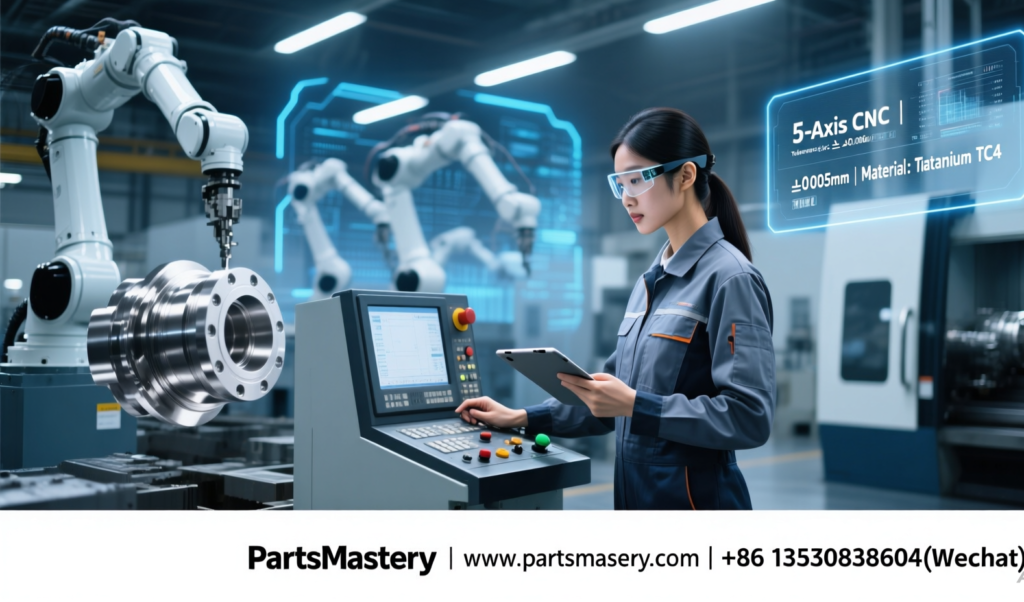
एक अनुकूलित इंजेक्शन मोल्ड की मशीनिंग के लिए सटीक उपकरणों की आवश्यकता होती है। सीएनसी मिलिंग सेंटर गुहा और कोर को मोटा काटते हैं। हार्ड मिलिंग या इलेक्ट्रिकल डिस्चार्ज मशीनिंग विवरणों को अंतिम रूप देती है। वायर ईडीएम शटऑफ़ और जटिल विशेषताओं को काटता है। समन्वय मापन मशीनें प्रत्येक आयाम की पुष्टि करती हैं। अंतिम चरण नमूनाकरण है—इंजेक्शन प्रेस पर साँचे का संचालन, प्रक्रिया मापदंडों को समायोजित करना, और नमूना भागों का निरीक्षण। सर्वोत्तम सेटिंग्स प्राप्त करने के लिए कई नमूनाकरण पुनरावृत्तियों की आवश्यकता हो सकती है।.
एक अनुकूलित इंजेक्शन मोल्ड के दीर्घकालिक लाभ
एक अनुकूलित इंजेक्शन मोल्ड में निवेश करना एक सामान्य टूल खरीदने की तुलना में शुरुआत में अधिक महंगा होता है। हालांकि, दीर्घकालिक रिटर्न काफी अधिक होता है। एक अच्छी तरह से डिज़ाइन किया गया अनुकूलित मोल्ड कसकर सहनशीलता और कम दोषों वाले पुर्जे बनाता है, जिससे स्क्रैप और रीवर्क कम होता है। अनुकूलित कूलिंग और रनर सिस्टम चक्र समय को कम करते हैं, जिससे उसी मोल्डिंग मशीन से उत्पादन बढ़ता है। मजबूत स्टील का चयन और हीट ट्रीटमेंट टूल के जीवन को अक्सर लाखों चक्रों तक बढ़ा देते हैं। और चूंकि मोल्ड भाग के अनुरूप होता है, इसलिए परिवर्तन तेज़ होते हैं और रखरखाव पूर्वानुमानित होता है।.
जो कंपनियाँ वर्षों तक एक पुर्ज़ा बनाने की योजना बनाती हैं, उनके लिए एक अनुकूलित इंजेक्शन मोल्ड खर्च नहीं बल्कि एक संपत्ति है। समय के साथ प्रति पुर्ज़ा लागत घटती जाती है क्योंकि मोल्ड लगातार उच्च-गति उत्पादन प्रदान करता है। इसके विपरीत, एक घटिया या सामान्य मोल्ड लगातार डाउनटाइम, दिखावटी खारिज और असेंबली में सिरदर्द पैदा करेगा। स्वामित्व की कुल लागत लगभग हमेशा एक उचित रूप से इंजीनियर किए गए अनुकूलित इंजेक्शन मोल्ड के पक्ष में होती है।.
सही साथी चुनना
एक सफल अनुकूलित इंजेक्शन मोल्ड बनाना आपके निर्माण साझेदार पर बहुत अधिक निर्भर करता है। ऐसी कंपनी चुनें जिसकी मजबूत इंजीनियरिंग क्षमताएँ हों, इन-हाउस मोल्ड निर्माण उपकरण हों, और आपके उद्योग में ट्रैक रिकॉर्ड हो। उन्हें डिज़ाइन समीक्षा, मोल्ड फ्लो विश्लेषण, और पारदर्शी नमूना रिपोर्ट प्रदान करनी चाहिए। संचार आवश्यक है—आपका साझेदार आपके पुर्जे के कार्य, उत्पादन मात्रा, और गुणवत्ता अपेक्षाओं के बारे में प्रश्न पूछे।.
पर पार्ट्समास्टरी, हम विश्वभर के ग्राहकों के लिए उच्च-गुणवत्ता वाले अनुकूलित इंजेक्शन मोल्ड बनाने में विशेषज्ञ हैं। हमारी टीम प्रारंभिक अवधारणा से लेकर अंतिम मोल्ड की डिलीवरी तक आपके साथ मिलकर काम करती है। हम डिज़ाइन पर प्रतिक्रिया प्रदान करते हैं, मोल्ड फ्लो सिमुलेशन चलाते हैं, सर्वोत्तम स्टील का चयन करते हैं, और प्रत्येक घटक को सटीक विनिर्देशों के अनुसार मशीन करते हैं। प्रत्येक मोल्ड को विश्वसनीय प्रदर्शन सुनिश्चित करने के लिए हमारी अपनी इंजेक्शन प्रेस पर परीक्षण किया जाता है। चाहे आपको एकल कैविटी प्रोटोटाइप मोल्ड की आवश्यकता हो या उच्च-आयतन बहु-कैविटी उत्पादन उपकरण की, हम मदद के लिए तैयार हैं।.
संपर्क पार्ट्समास्टरी आपके अनुकूलित इंजेक्शन मोल्ड प्रोजेक्ट पर चर्चा करने के लिए।.
+86 13530838604 (वीचैट)