








In high-end industrial sectors such as precision manufacturing, aerospace, and electrical engineering, non-ferrous metals stand as irreplaceable core engineering materials thanks to their unique performance traits. Unlike ferrous metals that use iron as their base structure, non-ferrous metal systems cover a wide range of use cases, from lightweight builds to high conductivity and heavy corrosion resistance. As a result, they deliver flexible material solutions for part design across all kinds of working conditions.
In this guide, we break down the core definition, key performance traits, common material types, real-world applications, and practical selection rules for non-ferrous metals. In doing so, we help engineers and procurement teams accurately match the right material to every project requirement.
1. Definition and Core Material Traits of Non-Ferrous Metals
Put simply, non-ferrous metals are metals and alloy blends that contain no iron, or only include iron as a tiny trace impurity. In basic materials science, the term “ferrous” describes metals built mainly from iron. By contrast, non-ferrous metals use elements like aluminum, copper, titanium, zinc, and magnesium as their foundation, so iron content never shapes the material’s core performance.
Since iron is not a primary ingredient, non-ferrous metals avoid the biggest downside of ferrous metals — easy rusting and oxidation. Instead, they offer unique benefits such as light weight, high electrical conductivity, and non-magnetic properties, which makes them the top choice for projects with strict rules for weight, corrosion protection, and electromagnetic performance. What is more, non-ferrous metals include both pure metals and mixed alloy blends. Through careful alloy adjustments, manufacturers can further improve strength, heat tolerance, wear resistance, and other features to handle even extreme working conditions.
2. Key Performance Differences Between Ferrous and Non-Ferrous Metals
The basic divide between ferrous and non-ferrous metals comes down to their core element makeup, and this difference spreads to every area of performance — from mechanical strength to chemical behavior and manufacturing ease. Importantly, the two categories work together in industrial settings rather than replacing one another.
| Performance Dimension | Ferrous Metals | Non-Ferrous Metals |
|---|---|---|
| Core Matrix Element | Iron as the main component | No iron or iron as trace impurity |
| आम उदाहरण | Carbon steel, cast iron, stainless steel | Aluminum, copper, titanium, brass, bronze |
| संक्षारण प्रतिरोध | Prone to oxidation and rust; requires protective treatment | Excellent natural corrosion resistance; most form self-passivation films |
| Magnetic Property | Most are ferromagnetic | Most are non-magnetic or weakly magnetic |
| Density Feature | High density with outstanding structural strength | Wide density range with significant lightweight advantages |
| Core Application Scenarios | Heavy structures, building frames, load-bearing components | Electrical & electronics, aerospace, precision manufacturing, anti-corrosion scenarios |
To put it simply, ferrous metals handle heavy structural jobs with high strength and low cost. On the other hand, non-ferrous metals step in to fill specialized functional roles with their unique physical and chemical benefits.
3. 8 Common Non-Ferrous Metals: Key Properties & Real-World Uses
Non-ferrous metals include a huge range of materials. For everyday industrial use, the eight most popular options fall into two groups: six pure metal types (aluminum, copper, nickel, zinc, titanium, magnesium) and two common copper-based alloys (brass and bronze).
3.1 Aluminum & Aluminum Alloys
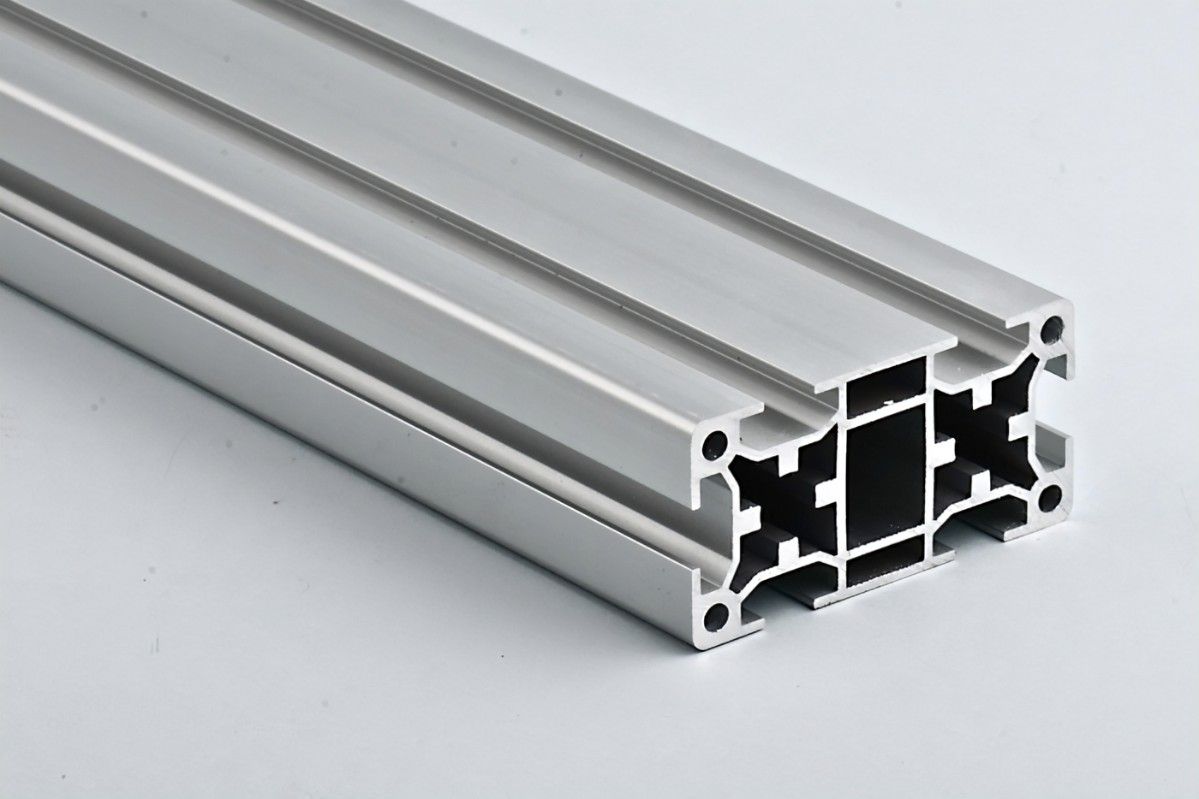
Aluminum is the most widely used non-ferrous metal in the industrial field, and its core strengths lie in extreme lightweight performance and natural corrosion resistance. A tight protective oxide layer forms spontaneously on pure aluminum surfaces to block further oxidation. For this reason, it works reliably for long periods in normal atmospheric and fresh water environments with no extra protective treatment.
It has a density of only 2.7 g/cm³, roughly one-third that of steel. After alloying and heat treatment, aluminum delivers structural strength close to low-carbon steel, striking a strong balance between lightweight design and load capacity. In precision manufacturing, aluminum alloy offers excellent machinability, so teams use it widely to form complex structural parts via CNC machining.
| Performance Indicator | Parameter Feature |
| घनत्व | 2.7 g/cm³ |
| संक्षारण प्रतिरोध | Excellent (self-passivation property) |
| विद्युत चालकता | अच्छा |
| आम अनुप्रयोग | Aerospace structural parts, automobile frames, electronic enclosures, heat sinks |
3.2 Copper & Copper Alloys
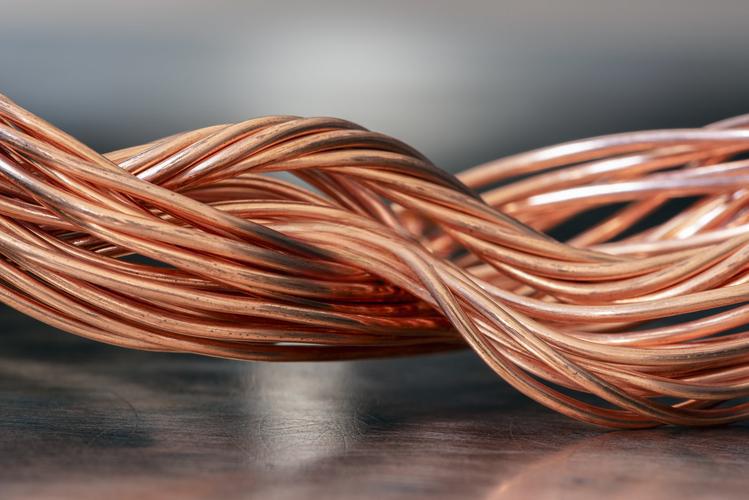
Next up, engineers recognize copper as a highly conductive and heat-conductive engineering metal. With an electrical conductivity of up to 59.6 MS/m, it ranks second only to silver among common industrial metals, making it the core foundational material for electrical transmission scenarios. Copper also offers good flexibility and atmospheric corrosion resistance, and manufacturers can form it into thin wires, thin-walled tubes, and other precision profiles through drawing and extrusion.
Beyond power transmission, copper’s high thermal conductivity makes it a top pick for heat exchange systems. You will find it widely used in radiators, condensers, heat exchange pipelines, and similar components. In precision processing, copper materials support high-precision dimensional control, so they fit perfectly for high-end connectors, radio frequency components, and other electronic parts.
| Performance Indicator | Parameter Feature |
| विद्युत चालकता | Extremely high (2nd among industrial metals) |
| तापीय चालकता | उत्कृष्ट |
| संक्षारण प्रतिरोध | अच्छा |
| आम अनुप्रयोग | Power cables, electrical connectors, heat exchangers, precision electronic components |
3.3 Nickel & Nickel-Based Alloys
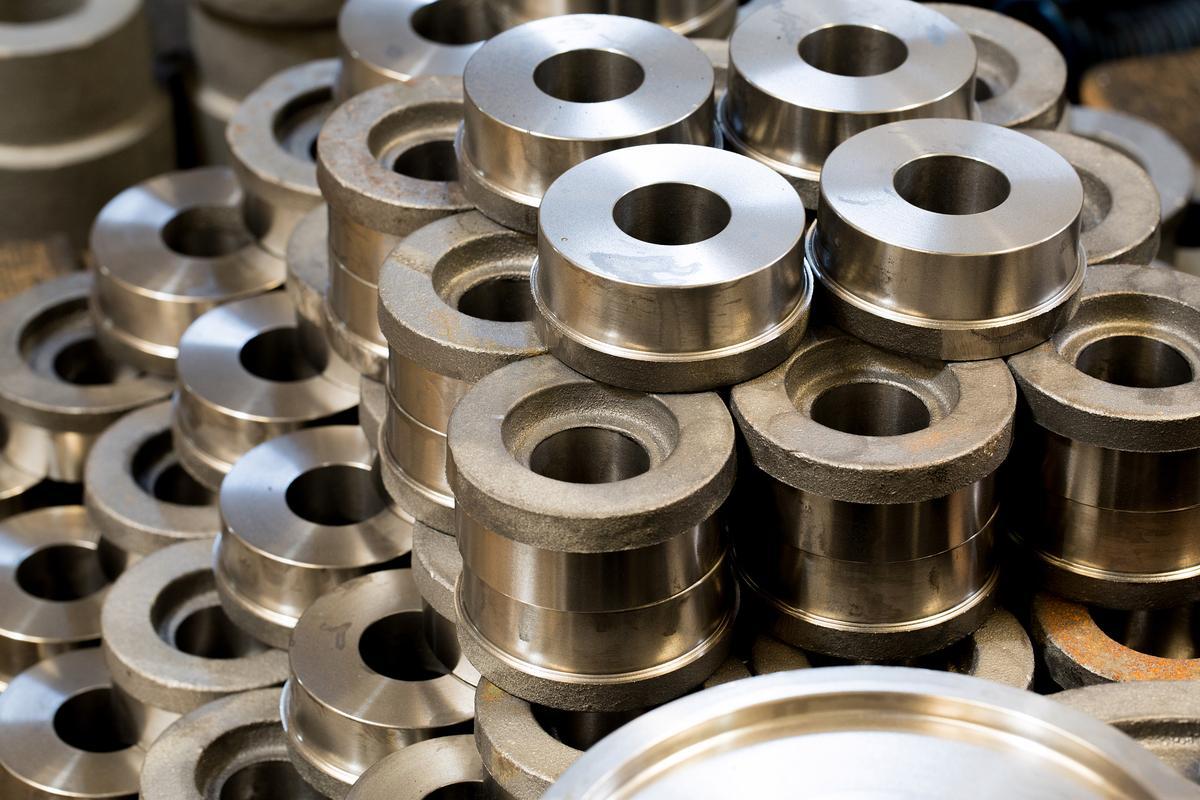
Moving on, nickel acts as the core strengthening element for high-end alloy systems. Pure nickel delivers excellent acid and alkali corrosion resistance and high-temperature structural stability, while nickel-based alloys maintain stable performance under extreme working conditions. For these reasons, they serve as key materials for high-temperature and strongly corrosive scenarios.
Nickel-based alloys withstand long-term exposure to temperatures above 600℃ and resist damage from various chemical media. As a result, they appear widely in aerospace turbine engine blades, chemical reaction vessels, new energy battery electrodes, marine engineering equipment, and other high-end fields. They count as a strategic material for high-end equipment manufacturing.
| Performance Indicator | Parameter Feature |
| Heat Resistance | Extremely high |
| संक्षारण प्रतिरोध | Excellent (resistant to acid, alkali and high-temperature corrosion) |
| Structural Strength | उच्च |
| आम अनुप्रयोग | High-temperature alloy components, new energy batteries, chemical equipment, aero-engine parts |
3.4 Zinc & Zinc Alloys
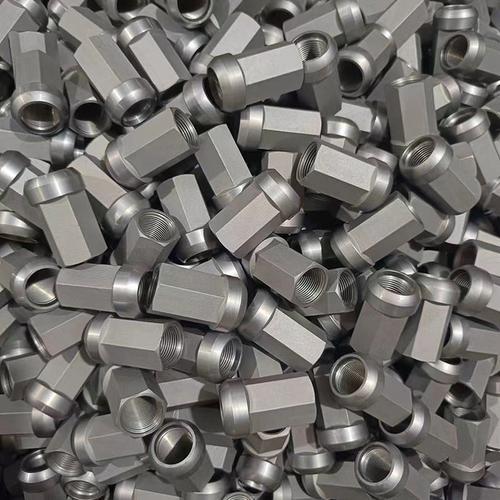
Turning next to zinc, it delivers its greatest industrial value in two fields: anti-corrosion protection and precision die casting. As a sacrificial anode material, manufacturers widely use zinc for steel galvanizing treatments. It protects iron-based materials through preferential electrochemical corrosion, and it can extend the corrosion-resistant life of steel by several to dozens of times. This makes it the most cost-effective anti-corrosion solution for infrastructure and steel structure projects.
Meanwhile, zinc has a melting point of only about 419℃ and excellent casting fluidity, so it works perfectly for high-pressure die casting processes. Manufacturers can cast it into complex structural parts with high dimensional accuracy and smooth surfaces in a single step. For this reason, it sees heavy use in mass production of hardware accessories, electronic housings, small automotive structural parts, and similar products.
| Performance Indicator | Parameter Feature |
| Anti-Corrosion Protection | Excellent (sacrificial anode protection) |
| Casting Performance | Good, suitable for precision die casting |
| Melting Point | Approx. 419℃ |
| आम अनुप्रयोग | Steel galvanizing anti-corrosion, precision die castings, hardware accessories |
3.5 Titanium & Titanium Alloys
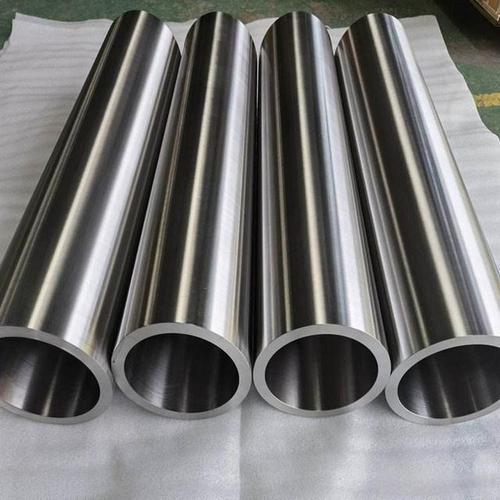
Next in line, titanium represents the premium tier of structural non-ferrous metals. Its core advantages include an exceptional strength-to-weight ratio and all-scenario corrosion resistance. It has a density of about 4.5 g/cm³, roughly 45% lighter than steel, but alloyed titanium matches the strength of high-strength steel. This makes it a core material for lightweight high-end equipment.
Furthermore, titanium resists most corrosive media such as seawater, acids, and alkalis, and it offers excellent compatibility with the human body with no adverse reactions. Its applications therefore cover high-value scenarios such as core aerospace structural parts, marine equipment, medical implants, and high-end chemical equipment.
| Performance Indicator | Parameter Feature |
| घनत्व | 4.5 g/cm³ |
| Structural Strength | Extremely high |
| संक्षारण प्रतिरोध | Excellent (resistant to seawater and strong acid & alkali) |
| आम अनुप्रयोग | Aerospace components, medical implants, marine parts, chemical equipment |
3.6 Magnesium & Magnesium Alloys
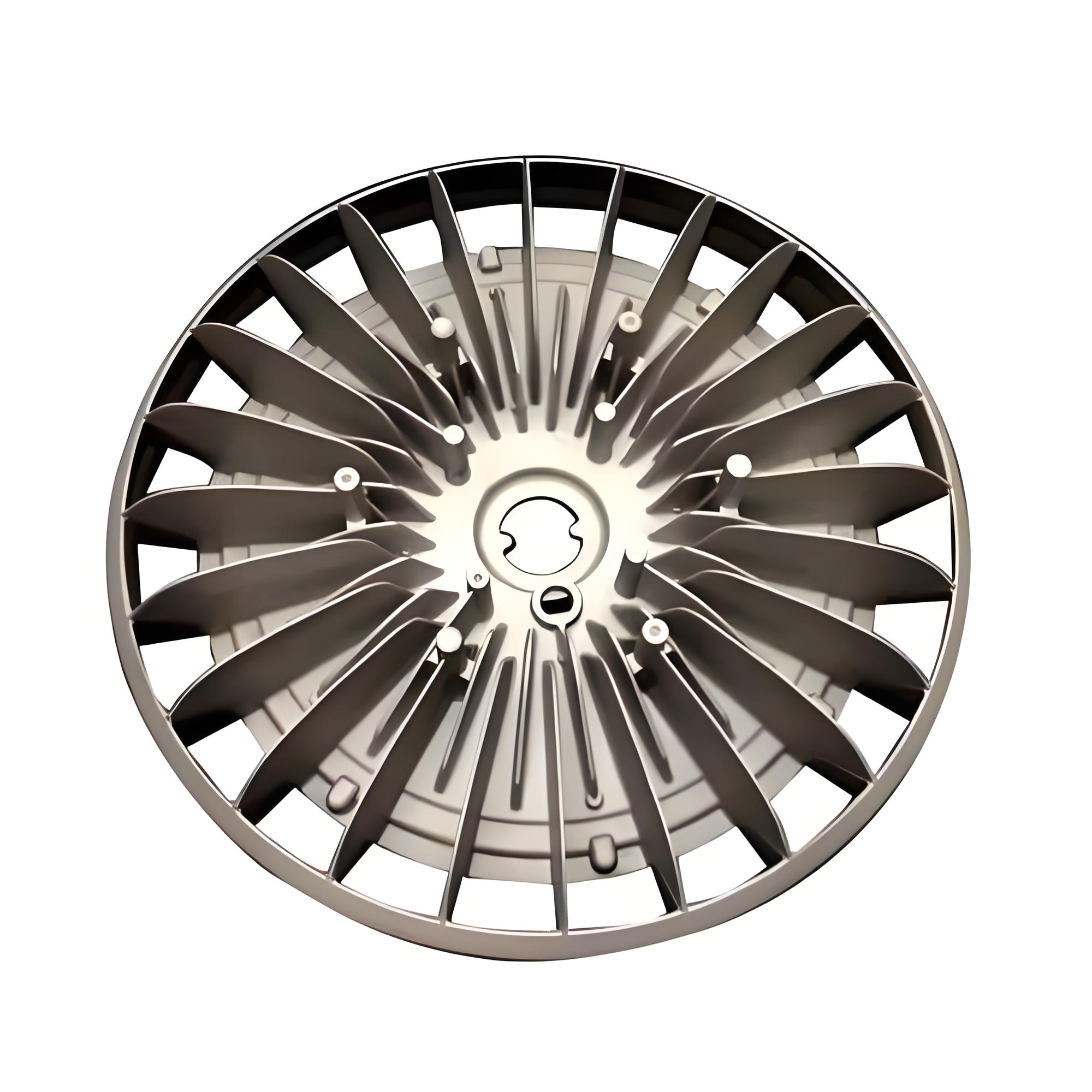
For ultra-lightweight needs, magnesium and magnesium alloys are the go-to choice. Magnesium is the lightest structural metal in current engineering applications. It has a density of only 1.74 g/cm³, about two-thirds that of aluminum alloy and one-fifth that of steel. Its lightweight potential far outpaces that of other metal materials. Additionally, magnesium alloys offer good cutting performance and vibration-dampening features, so they suit high-speed precision machining well.
For scenarios extremely sensitive to weight, magnesium alloys cut structural self-weight even further and improve equipment energy efficiency and portability. Today, teams use them widely in aerospace lightweight components, automotive power system parts, portable electronic device housings, optical instrument frames, and other related fields.
| Performance Indicator | Parameter Feature |
| घनत्व | 1.74 g/cm³ |
| Lightweight Feature | Optimal among engineering metals |
| यंत्रीयता | अच्छा |
| आम अनुप्रयोग | Automotive lightweight parts, aerospace structures, portable electronic devices |
3.7 Brass
Shifting to copper alloys, brass is one of the most widely used options. It consists primarily of copper and zinc as a copper-based alloy. By adjusting the zinc content, manufacturers can tune the material’s strength, flexibility, and color to balance functionality and decorative appeal. Brass delivers excellent cutting performance, atmospheric corrosion resistance, and low friction characteristics, with great forming processability overall.
Thanks to its balanced performance and moderate cost, brass stands as the most widely used copper alloy in both civil and industrial fields. Designers commonly use it for water supply and drainage pipe fittings, valve cores, electrical connectors, decorative hardware, musical instrument components, and similar scenarios. Among all brass grades, free-cutting brass serves as the mainstream material for precision automatic lathe processing.
| Performance Indicator | Parameter Feature |
| Core Composition | Copper + Zinc |
| Cutting Machinability | उत्कृष्ट |
| संक्षारण प्रतिरोध | अच्छा |
| आम अनुप्रयोग | Valves & pipe fittings, electrical connectors, decorative hardware, musical instrument parts |
3.8 Bronze
Another essential copper alloy is bronze. It stands as one of the earliest alloy materials humans ever used. Traditional bronze mainly consists of copper and tin, while modern variants include multi-component systems such as aluminum bronze and phosphor bronze. The most notable properties of bronze are its excellent wear resistance, low-friction performance, and seawater corrosion resistance, with stable performance under heavy load conditions.
With low friction, high wear resistance, and seawater corrosion resistance, bronze works ideally for sliding bearings, bushings, sleeves, and other wear-resistant components, as well as marine propellers, marine hardware, and other marine equipment parts. It serves as a key wear-resistant material in heavy machinery and marine engineering fields.
| Performance Indicator | Parameter Feature |
| Core Composition | Copper + Tin (and other alloying elements) |
| पहनने प्रतिरोध | Extremely high |
| संक्षारण प्रतिरोध | Excellent (resistant to seawater corrosion) |
| आम अनुप्रयोग | Bearing bushes, heavy machinery parts, marine hardware components |
4. Seven Core Technical Benefits of Non-Ferrous Metals
The practical value of non-ferrous metals comes from their unique physical and chemical traits that set them apart from ferrous metals. We can break these advantages down into seven core categories:
Key Functional Properties for Engineering Design
1. Lightweight build
First and foremost, most non-ferrous metals have much lower density than ferrous metals. For instance, materials like aluminum, magnesium, and titanium cut component weight dramatically while keeping structural performance strong. This feature acts as a core support for energy savings in transportation equipment and weight reduction for portable devices.
2. Natural corrosion protection
Secondly, metals like aluminum, copper, titanium, and nickel automatically form a tight protective oxide layer when exposed to the environment, which blocks corrosive substances from reaching the base material. As a result, they work reliably for years in outdoor, marine, chemical, and other harsh settings without extra protection, which greatly lowers long-term maintenance costs.
3. Strong electrical conductivity
Thirdly, non-ferrous metals such as copper and aluminum have very low electrical resistance. They serve as the main carriers for power transmission and electronic signal flow, and they support the basic operation of power grids, communications systems, consumer electronics, and many other industries.
4. Efficient heat transfer
Furthermore, copper and aluminum conduct heat far better than regular steel. For this reason, they are top picks for heat exchange systems, cooling modules, and electronic thermal management parts, and they help keep temperatures stable while equipment runs.
5. Non-magnetic behavior
In addition, the vast majority of non-ferrous metals do not have natural magnetic properties and will not disrupt magnetic fields. This makes them must-have materials for precision electronic instruments, electromagnetic shielding gear, MRI medical devices, and similar use cases.
Formability & Sustainability Advantages
6. Easy shaping and high durability
Besides functional benefits, most non-ferrous metals have excellent flexibility. Manufacturers can shape them into complex profiles and parts through rolling, drawing, stamping, bending, and other common processes. They also work perfectly with CNC precision machining to create highly accurate complex structures.
7. Fully recyclable
Last but not least, non-ferrous metals have well-established recycling processes. After collection and remelting, they lose almost none of their core mechanical and chemical properties, so they can be used again and again. This fits perfectly with the industry trend of green manufacturing and sustainable development.
5. Pros and Cons of Non-Ferrous Metals
Non-ferrous metals bring unique performance advantages, but they also come with clear limits for certain uses. When picking materials, you always need to weigh the tradeoffs based on your specific project needs.
मुख्य लाभ
- Reliable corrosion resistance in all scenarios: They avoid the natural rusting problem of iron-based materials, perform well in harsh settings like outdoor, marine, and chemical environments, and reduce protection and maintenance costs.
- Excellent lightweight performance: Their low density effectively cuts structural weight, directly boosts energy efficiency and load capacity in transportation and aerospace fields, and aligns with the industry’s shift toward lighter designs.
- Wide range of functional features: They offer many useful properties such as high conductivity, strong heat transfer, non-magnetic behavior, and human body compatibility, and they meet the needs of all kinds of specialized use cases.
- Flexible manufacturing options: They work well with all kinds of production processes such as casting, forging, CNC machining, and surface treatment, and support everything from batch die castings to high-precision custom parts.
Key Limitations
- Higher material cost: Most non-ferrous metals need more complex mining, refining, and processing than regular carbon steel. For high-end materials like titanium and nickel-based alloys in particular, raw material and production costs go up noticeably.
- Lower absolute strength: Some lightweight non-ferrous metals have lower tensile and yield strength than high-strength alloy steel. For extremely heavy load-bearing jobs, you will need to make up for this through alloy upgrades or structural design changes.
- Mixed wear resistance: Soft non-ferrous metals like pure aluminum and pure copper have softer surfaces and wear down faster under heavy friction. You can fix this by adding surface treatments or using specialized alloy blends.
6. Four Key Industrial Uses for Non-Ferrous Metals
Non-ferrous metals show up in every corner of modern industry, but four fields make up the largest share of demand:
Electrical & Transportation Industry Uses
1. Electrical and electronics manufacturing
To start with, copper and aluminum act as core materials for power transmission systems, and they support every level of power flow from high-voltage transmission lines to low-voltage building wiring. In the electronics field, copper alloys work for precision connectors and lead frames, aluminum alloys for device housings and cooling structures, and precious metals like gold for high-reliability contact points. All together, these materials keep electronic equipment running reliably.
2. Aerospace and automotive engineering
Lightweight design is a major trend across all transportation equipment. Manufacturers widely use aluminum alloys, titanium alloys, and magnesium alloys for aircraft bodies, engine parts, car bodies, and chassis components. These materials cut overall weight while keeping structural safety intact, boost fuel efficiency and driving range, and fit perfectly with the growth of new energy vehicles, commercial aircraft, and other advanced industries.
Construction & General Manufacturing Applications
3. Construction and infrastructure projects
Moving to the building sector, construction teams use aluminum alloy profiles for curtain walls, door and window frames, and roofing systems. Their natural corrosion resistance allows for long service life with almost no upkeep. Copper materials work for building water supply, drainage, and roof waterproofing systems, while brass serves for decorative hardware and pipe fittings. Combined, these materials support both the functionality and visual appeal of modern buildings.
4. Industrial manufacturing and precision machining
Finally, in general machinery, chemical equipment, marine engineering, and other fields, manufacturers use non-ferrous metals to make precision parts, wear-resistant components, and corrosion-resistant gear. At the same time, the excellent cutting performance of different non-ferrous metals makes them standard materials for CNC precision machining, which supports high-volume production of accurate complex structural parts.
7. How to Choose the Right Non-Ferrous Metal for Your Project
Picking the best non-ferrous metal for your project means looking at a mix of factors, from working conditions and performance needs to production costs. Below are five key factors to evaluate:
1. Structural strength needs
First, assess the load and stress levels your component will face. Heavy-duty high-end projects work best with titanium alloys and nickel-based alloys. Medium-load applications can rely on high-strength aluminum alloys for solid performance. When building light, portable products, you can use magnesium alloys to achieve even greater weight savings.
2. Corrosion environment level
Next, match the material to the severity of the corrosion in its working environment. Standard indoor or outdoor atmospheric conditions work fine with basic aluminum alloys. Harsh marine or chemical environments call for titanium alloys, nickel-based alloys, or bronze for extra protection. For low-corrosion settings, brass or standard aluminum alloys will usually get the job done.
3. Weight control goals
For aerospace, automotive, and portable device projects with strict weight limits, rank materials by lightweight potential: magnesium alloys first, then aluminum alloys, then titanium alloys. Always balance this ranking with your strength requirements to find the best middle ground.
4. Electrical and thermal conductivity needs
For power transmission and heat management projects, pure copper is the top choice for the best electrical and thermal performance. If cost and weight are bigger priorities, aluminum alloy works as a cost-effective alternative. For high-frequency signal applications, you should select a specialized copper alloy that fits the frequency range.
5. Manufacturing process compatibility
Finally, match the material to your planned production method. High-volume complex parts work best with zinc alloy or aluminum alloy die casting. High-precision custom parts pair well with free-cutting brass and aluminum alloy for smooth CNC machining. For bending or stamping processes, pick highly flexible pure copper or pure aluminum.
All in all, by matching performance traits across multiple dimensions and balancing costs, you can find the ideal non-ferrous metal for any application and get the best mix of performance and value.
8. Frequently Asked Questions About Non-Ferrous Metals
Q1: Is aluminum a non-ferrous metal?
Yes, aluminum is a classic non-ferrous metal. Its base structure contains no iron at all. Thanks to its low density and natural corrosion protection, it has become one of the most widely used non-ferrous metals, and manufacturers use it heavily for structural parts in aerospace, automotive, electronics, and many other fields.
Q2: Is copper a non-ferrous metal?
Next, a common question about copper: yes, copper is definitely part of the non-ferrous metal family. It is the most important highly conductive metal in industrial use, and its excellent electrical and thermal performance supports the core operations of the power and electronics industries.
Q3: Is stainless steel a non-ferrous metal?
Another frequent question concerns stainless steel: no, it is not non-ferrous. The base of stainless steel is mostly iron (usually over 65% iron content), with added elements like chromium and nickel to boost corrosion resistance. By definition, it still falls into the ferrous metal category.
Q4: Is bronze a non-ferrous metal?
Moving on to alloys: yes, bronze is a non-ferrous material. It is a copper-based alloy made mainly from copper and tin, with no iron as a core ingredient, so it fits firmly in the non-ferrous metal group. It is widely used in machinery and marine engineering because of its wear resistance and ability to withstand seawater.
Q5: Are all non-ferrous metals non-magnetic?
People also often ask about magnetic properties. The vast majority of non-ferrous metals have no natural magnetism. For example, aluminum, copper, titanium, and brass all have no magnetic pull. That said, a few special types like some nickel-based alloys may show mild magnetism, so you should always check the specific material grade. Overall, non-ferrous metals are the go-to choice for non-magnetic applications.
Q6: Is gold a non-ferrous metal?
Finally, yes, gold is a precious non-ferrous metal. It contains no iron, has no magnetic properties, and offers extremely strong corrosion resistance and stable electrical conductivity. Beyond jewelry, manufacturers also use it for high-reliability contacts and connectors in high-end electronic devices.
निष्कर्ष
All things considered, non-ferrous metals are essential functional and structural materials in today’s industrial system. Their unique traits — including corrosion resistance, lightweight build, high conductivity, and non-magnetic properties — fill all the specialized gaps that ferrous metals cannot cover. From everyday consumer electronics to cutting-edge aerospace equipment, advances in non-ferrous metal technology continue to drive progress across the entire manufacturing sector.
PartsMastery specializes in precision CNC machining services for all kinds of non-ferrous metals, including aluminum, copper, brass, and titanium. Using your design drawings and project requirements as a guide, we deliver end-to-end custom manufacturing solutions from material selection to final precision production, and we guarantee tight dimensional accuracy and reliable performance for every single component.