





चीन इंजेक्शन मोल्ड टूलिंग फैक्ट्री: उच्च-गुणवत्ता वाले सटीक मोल्ड्स के लिए आपका रणनीतिक साझेदार
बड़े पैमाने पर उत्पादन के लिए प्लास्टिक इंजेक्शन मोल्ड्स की सोर्सिंग करते समय, सही चीन इंजेक्शन मोल्ड टूलिंग फैक्ट्री का चयन परियोजना की सफलता और महंगी देरी के बीच का अंतर तय कर सकता है। चीन इंजेक्शन मोल्ड निर्माण के लिए विश्व का प्रमुख गंतव्य बन चुका है, जो उन्नत तकनीक, लागत दक्षता और अद्वितीय उत्पादन पैमाने का संयोजन प्रदान करता है। यह लेख बताता है कि विश्वभर के व्यवसायों के लिए एक विश्वसनीय चीन इंजेक्शन मोल्ड टूलिंग फैक्ट्री के साथ साझेदारी क्यों एक रणनीतिक निर्णय है।.
चीन के इंजेक्शन मोल्ड टूलिंग उद्योग का उदय
चीन का औद्योगिक साँचे का बाजार देश के मजबूत विनिर्माण क्षेत्र और ऑटोमोटिव, इलेक्ट्रॉनिक्स, चिकित्सा उपकरणों तथा उपभोक्ता वस्तुओं में उच्च-सटीकता वाले घटकों की बढ़ती मांग से प्रेरित होकर सतत वृद्धि का अनुभव कर रहा है।. चीनी प्लास्टिक मोल्ड उद्योग 6–8% की स्थिर वार्षिक वृद्धि दर बनाए हुए है, और बाजार का 2030 तक महत्वपूर्ण रूप से विस्तार होने का अनुमान है।. विशेष रूप से, सटीक इंजेक्शन मोल्ड पारंपरिक खंडों से बेहतर प्रदर्शन कर रहे हैं, 12–15% सीएजीआर की दर से बढ़ रहे हैं, क्योंकि निर्माता उन्नत सीएनसी मशीनिंग, ईडीएम सिस्टम और 3डी प्रिंटिंग क्षमताओं में अधिक निवेश कर रहे हैं।.
यह वृद्धि मात्र मात्रात्मक नहीं है। चीन की इंजेक्शन मोल्डिंग आपूर्ति श्रृंखला एक ऊर्ध्वाधर रूप से एकीकृत पारिस्थितिकी तंत्र में परिपक्व हो चुकी है, जहाँ कारखाने DFM (डिज़ाइन फॉर मैन्युफैक्चरिंग) विश्लेषण और त्वरित प्रोटोटाइपिंग से लेकर उच्च-मात्रा में बड़े पैमाने पर उत्पादन और असेंबली तथा लेबलिंग जैसे द्वितीयक संचालन तक पूर्ण-चक्र क्षमताएँ प्रदान करते हैं।.
वैश्विक खरीदार इंजेक्शन मोल्ड टूलिंग के लिए चीन को क्यों चुनते हैं
मूल्यवर्धन करने वाले लागत लाभ
चीनी मोल्ड निर्माताओं और घरेलू विकल्पों के बीच लागत का अंतर अभी भी काफी अधिक है। चीनी इंजेक्शन मोल्ड निर्माता आमतौर पर कम श्रम दरों, कम ओवरहेड और स्थापित औद्योगिक केंद्रों में पैमाने की अर्थव्यवस्थाओं के कारण कम प्रारंभिक टूलिंग लागत प्रदान करते हैं।. एक मानक कस्टम मोल्ड के लिए, लीड टाइम औसतन 30–45 दिन होता है, और प्रारंभिक उत्पादन रन अनुमोदन के 15–25 दिनों के भीतर शुरू होते हैं।. स्थानीय श्रम और सामग्री नेटवर्क द्वारा समर्थित यह चुस्ती, समान गुणवत्ता मानकों को बनाए रखते हुए पश्चिमी समकक्षों की तुलना में 20–35% की लागत लाभ में योगदान करती है।.
विशेषीकृत विशेषज्ञता वाले औद्योगिक समूह
चीन की इंजेक्शन मोल्डिंग निर्यात क्षमता का अधिकांश भाग झेजियांग, गुआंगडोंग, जियांगसु और शंघाई में केंद्रित है—ये चार प्रांत सत्यापित निर्यात-उन्मुख कारखानों का 92% से अधिक हिस्सा हैं।. इन क्षेत्रों में विशिष्ट क्लस्टर उभरे हैं: शेन्ज़ेन और डोंगगुआन उच्च-सटीकता वाले इलेक्ट्रॉनिक्स और चिकित्सा सांचों में उत्कृष्ट हैं, जबकि ताइज़ोउ बड़े पैमाने पर ऑटोमोटिव टूलिंग के लिए प्रसिद्ध है।.
उद्योग को आकार देने वाले प्रमुख बाजार रुझान
स्वचालन और उद्योग 4.0 एकीकरण
चीनी इंजेक्शन मोल्डिंग कारखाने तेजी से स्वचालन और स्मार्ट विनिर्माण तकनीकों को अपना रहे हैं। प्रमुख मशीनरी निर्माताओं ने एआई-संचालित सहायकों और डिजिटल प्लेटफ़ॉर्म पेश किए हैं जो जूनियर ऑपरेटरों की जगह लेते हैं, चक्र समय को अनुकूलित करते हैं, और वास्तविक समय में पारदर्शिता प्रदान करते हैं।. औद्योगिक रोबोटों और उन्नत स्वचालन समाधानों का एकीकरण न्यूनतम मैनुअल हस्तक्षेप के साथ निरंतर उत्पादन का समर्थन करता है, मानक पुर्जों से लेकर सूक्ष्म-सटीक घटकों तक विविध आवश्यकताओं को पूरा करता है।.
सततता और पर्यावरण-अनुकूल सामग्री
उद्योग को नया आकार देने वाला एक महत्वपूर्ण रुझान टिकाऊ और पर्यावरण-अनुकूल सामग्रियों की बढ़ती मांग है, जो बायोडिग्रेडेबल और पुनर्नवीनीकृत प्लास्टिक की ओर बदलाव को प्रेरित कर रहा है।. चीनी कारखाने सामग्री विज्ञान क्षमताओं में निवेश करके और जैव-आधारित पॉलिमरों तथा पुनर्चक्रण योग्य सामग्री के लिए प्रक्रियाएँ विकसित करके अनुकूलन कर रहे हैं, जो वैश्विक नियामक दबावों और पर्यावरणीय लक्ष्यों के अनुरूप है।.
उभरती अनुप्रयोगों के लिए उच्च-सटीकता वाले साँचे
माइक्रोन-स्तर की सहनशीलता वाले सटीक सांचों की मांग नई ऊर्जा वाहनों (बैटरी हाउसिंग, चार्जिंग कनेक्टर्स), चिकित्सा उपकरणों और उन्नत इलेक्ट्रॉनिक्स से प्रेरित होकर तेजी से बढ़ रही है।. निर्माता उच्च-गति सीएनसी और मिरर ईडीएम से सुसज्जित इन-हाउस टूलिंग सुविधाओं के साथ प्रतिक्रिया दे रहे हैं, जिससे साँचे का जीवनकाल और आयामी सटीकता सुनिश्चित होती है।.
गुणवत्ता आश्वासन और अंतर्राष्ट्रीय प्रमाणपत्र
गुणवत्ता मानक चीन की इंजेक्शन मोल्ड टूलिंग फैक्ट्रियों के बीच एक प्रमुख विभेदक बन गए हैं। लगभग 77% सत्यापित चीनी इंजेक्शन मोल्डिंग फैक्ट्रियों के पास ISO 9001:2015 गुणवत्ता प्रबंधन प्रमाणन है, 37% के पास IATF 16949 ऑटोमोटिव प्रमाणन है, और 9% के पास ISO 13485 चिकित्सा उपकरण प्रमाणन है।. कई आपूर्तिकर्ता एक साथ दो या अधिक अंतरराष्ट्रीय प्रमाणपत्र बनाए रखते हैं।.
चीन से सोर्सिंग करने वाले खरीदारों के लिए स्थापित सत्यापन प्रोटोकॉल मौजूद हैं। मानक उपकरण अनुमोदन के लिए T1 परीक्षण रिपोर्ट, 3–5 नमूनों का FAI (प्रथम लेख निरीक्षण) और औद्योगिक/वाणिज्यिक कार्यक्रमों के लिए सामग्री प्रमाणपत्र आवश्यक हैं। ऑटोमोटिव कार्यक्रमों के लिए पूर्ण PPAP दस्तावेज़ीकरण, नियंत्रण योजनाएँ, गेज R&R और CTQ विशेषताओं के लिए क्षमता प्रमाण आवश्यक हैं।.
ग्राहक संबंधी चिंताएँ और सामान्य प्रश्न
चीन से एक इंजेक्शन मोल्ड की सामान्य टूलिंग लागत क्या है?
मानक थर्मोप्लास्टिक ज्यामिति के एक-गुहा प्रोटोटाइप सांचों के लिए लागतें आमतौर पर के बीच होती हैं। एक,000और3,000. 4 से 8 गुहाओं वाले बहु-गुहा उत्पादन सांचों की सीमा 5,000 से15,000 या उससे अधिक, स्टील ग्रेड और कैविटी विनिर्देशों के आधार पर.
चीन से सोर्सिंग करते समय मैं अपनी बौद्धिक संपदा की रक्षा कैसे कर सकता हूँ?
आईपी सुरक्षा एक गंभीर विचार है। उद्योग के आंकड़े दिखाते हैं कि इंजेक्शन मोल्डिंग के लिए 95.31% RFQs किसी भी CAD फ़ाइल या डिज़ाइन विनिर्देशों को चीनी कारखानों के साथ साझा करने से पहले NDA के तहत प्रस्तुत की जाती हैं।. खरीदार द्वारा आपूर्ति किए गए इंजेक्शन मोल्ड कानूनी रूप से “ग्राहक-स्वामित्व वाली उत्पादन संपत्तियाँ” के रूप में वर्गीकृत किए जाते हैं और जब उचित आयात घोषणाएँ दर्ज की जाती हैं, तब भी वे खरीदार की संपत्ति ही बने रहते हैं।.
मैं चीनी इंजेक्शन मोल्डिंग कारखानों से कितनी जल्दी कोटेशन प्राप्त कर सकता हूँ?
प्रतिक्रिया समय उल्लेखनीय रूप से तेज़ हैं। हालिया प्लेटफ़ॉर्म डेटा के अनुसार, RFQ सबमिशन से लेकर पहली सत्यापित फैक्ट्री कोट प्राप्त करने में औसतन केवल 2.2 घंटे लगते हैं, और 93.81% RFQs को 24 घंटों के भीतर कोट प्राप्त हो जाता है।. प्रत्येक RFQ आमतौर पर मानकीकृत ड्राइंग पैकेजों के आधार पर प्रस्तुत 9–10 प्रतिस्पर्धी फैक्टरी कोटेशन एकत्र करता है।.
चीनी इंजेक्शन मोल्ड टूलिंग से किन उद्योगों को सबसे अधिक लाभ होता है?
ऑटोमोटिव डाउनस्ट्रीम मांग का लगभग 35% हिस्सा है, इसके बाद उपभोक्ता इलेक्ट्रॉनिक्स 28%, पैकेजिंग 18% और चिकित्सा उपकरण 7% पर हैं।. उभरते विकास खंडों में नए ऊर्जा वाहन घटक, स्मार्ट होम पारिस्थितिकी तंत्र और चिकित्सा उपभोग्य वस्तुएँ शामिल हैं—इन सभी का 2030 तक 12–15% सीएजीआर से बढ़ने का अनुमान है।.
मोल्ड रिलीज से पहले मुझे किस गुणवत्ता सत्यापन की उम्मीद करनी चाहिए?
एक विश्वसनीय चीन इंजेक्शन मोल्ड टूलिंग फैक्ट्री आयामी निरीक्षण रिपोर्ट, सामग्री प्रमाणपत्र, और विनियमित क्षेत्रों के लिए दस्तावेजीकृत IQ/OQ/PQ प्रमाणीकरण प्रोटोकॉल प्रदान करेगी। ऑटोमोटिव कार्यक्रमों के लिए नियंत्रण योजनाओं और क्षमता अध्ययनों सहित PPAP स्तर 3 दस्तावेज़ीकरण मानक है। चिकित्सा अनुप्रयोगों के लिए सामग्री लॉट ट्रैसेबिलिटी, प्रक्रिया योग्यता रिकॉर्ड, और जहाँ लागू हो, क्लीनरूम उत्पादन क्षमताएँ आवश्यक हैं।.
पार्ट्समास्टरी क्यों सबसे अलग है
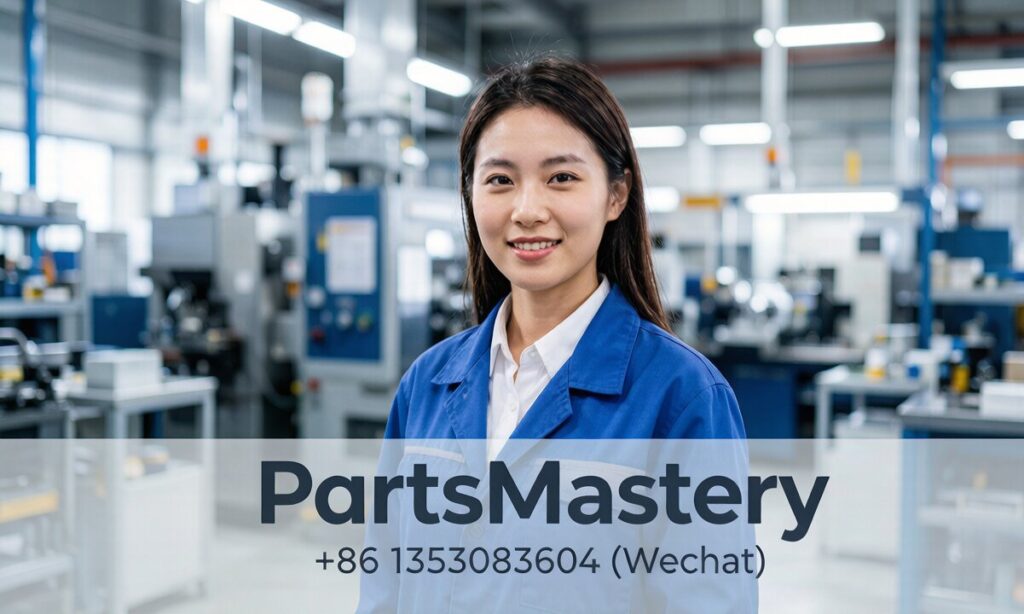
एक विश्वसनीय चीन इंजेक्शन मोल्ड टूलिंग फैक्ट्री के रूप में, पार्ट्समास्टरी गहरी इंजीनियरिंग विशेषज्ञता को कड़े गुणवत्ता नियंत्रण प्रणालियों के साथ जोड़ती है। हमारी सुविधाएँ अंतरराष्ट्रीय गुणवत्ता ढाँचों के तहत संचालित होती हैं, यह सुनिश्चित करते हुए कि हमारी कार्यशाला से निकलने वाला प्रत्येक मोल्ड आपके डिज़ाइन पैकेज में निर्दिष्ट आयामी और प्रदर्शन आवश्यकताओं को पूरा करता है। चाहे आपको ऑटोमोटिव घटकों, चिकित्सा उपकरणों, या उपभोक्ता इलेक्ट्रॉनिक्स के लिए सटीक मोल्ड की आवश्यकता हो, हमारी टीम निर्माणक्षमता, स्थायित्व, और लागत दक्षता के लिए अनुकूलित टूलिंग समाधान प्रदान करती है।.
प्रारंभिक DFM प्रतिक्रिया और सामग्री चयन से लेकर मोल्ड फ्लो विश्लेषण और पोस्ट-प्रोडक्शन सत्यापन तक, हम आपके प्रोजेक्ट के प्रत्येक चरण में आपके साथ साझेदारी करते हैं। हमारी त्वरित प्रतिक्रिया देने वाली इंजीनियरिंग टीम स्पष्ट संचार और तकनीकी सहायता प्रदान करती है, जिससे आपका टूलिंग प्रोग्राम समय-सारिणी पर और बजट के भीतर बना रहे।.
क्या आप अपना इंजेक्शन मोल्ड टूलिंग प्रोजेक्ट शुरू करने के लिए तैयार हैं?
आज ही PartsMastery से संपर्क करें और अपनी कस्टम इंजेक्शन मोल्ड आवश्यकताओं पर चर्चा करें। चाहे आपको एकल-गुहा प्रोटोटाइप मोल्ड चाहिए हो या उच्च-मात्रा वाले बहु-गुहा उत्पादन उपकरण की आवश्यकता हो, हम सटीकता और विश्वसनीयता के साथ आपके प्लास्टिक घटकों को जीवंत करने के लिए तैयार हैं।.
📞 +86 13530838604 (वीचैट)