







कस्टम मोल्ड निर्माता
लक्षित कीवर्ड: कस्टम मोल्ड निर्माता
कस्टम मोल्ड निर्माता: चुनौतीपूर्ण अनुप्रयोगों के लिए सटीक इंजीनियरिंग टूलिंग
बड़े पैमाने पर उत्पादन पुनरावृत्ति पर निर्भर करता है, और पुनरावृत्ति मोल्ड से शुरू होती है। लेकिन सभी मोल्ड समान नहीं होते। तैयार टूलिंग सरल, उच्च-मात्रा वाले सामान्य भागों के लिए उपयुक्त होती है। बाकी सभी चीजों के लिए—जटिल ज्यामिति, इंजीनियरिंग रेजिन, कसकर सहनशीलता, या बहु-सामग्री असेंबली—आपको एक कस्टम मोल्ड निर्माता की आवश्यकता होती है। कैटलॉग आपूर्तिकर्ताओं के विपरीत, एक कस्टम मोल्ड निर्माता विशेष रूप से आपके भाग, आपकी सामग्री, और आपके उत्पादन वातावरण के लिए टूलिंग डिजाइन और निर्माण करता है। परिणामस्वरूप उच्च गुणवत्ता, टूल का लंबा जीवन और प्रोग्राम के पूरे जीवनकाल में प्रति-भाग लागत में कमी होती है। पार्ट्समास्टरी में, हमने एक ऐसे कस्टम मोल्ड निर्माता के रूप में अपनी प्रतिष्ठा बनाई है जो दुनिया के सबसे चुनौतीपूर्ण उद्योगों के लिए सटीक टूलिंग प्रदान करता है।.
एक कस्टम मोल्ड निर्माता को क्या परिभाषित करता है?
एक कस्टम मोल्ड निर्माता कोई सामान्य मशीन शॉप नहीं है जो कभी-कभार मोल्ड बनाती हो। यह एक विशेष इंजीनियरिंग और विनिर्माण संचालन है जो पूरी तरह से इंजेक्शन मोल्डिंग, कंप्रेशन मोल्डिंग, ट्रांसफर मोल्डिंग या डाई कास्टिंग के लिए विशेष उपकरण बनाने पर केंद्रित है। “कस्टम” पहलू का अर्थ है कि प्रत्येक मोल्ड ग्राहक के पार्ट की ज्यामिति, सामग्री चयन, वार्षिक मात्रा, गुणवत्ता लक्ष्यों और प्रेस विनिर्देशों के आधार पर पूरी तरह से शून्य से डिज़ाइन किया जाता है।.
यह “मानक” या “अर्ध-मानक” मोल्ड निर्माताओं के विपरीत है, जो मौजूदा टेम्पलेट्स में संशोधन करते हैं या बुनियादी भागों के लिए सरल दो-प्लेट मोल्ड बनाते हैं। एक सच्चा कस्टम मोल्ड निर्माता जटिल विशेषताओं को संभालता है, जैसे थ्रेडेड भागों के लिए कोर को अनस्क्रू करना, अंडरकट्स के लिए कोलैप्सिबल कोर, मल्टी-गेट भराई के लिए हॉट रनर सिस्टम, और उच्च-मात्रा उत्पादन के लिए स्टैक मोल्ड। वे ओवरमोल्डिंग, इंसर्ट मोल्डिंग, गैस-असिस्टेड मोल्डिंग, और टू-शॉट (मल्टी-मैटेरियल) मोल्डिंग सहित उन्नत प्रक्रियाओं का भी समर्थन करते हैं।.
गैर-कस्टम टूलिंग की सीमाएँ
कई उत्पाद कंपनियाँ पैसे बचाने के लिए मानक मोल्ड से शुरुआत करती हैं, लेकिन बाद में उन्हें छिपी हुई लागत का पता चलता है। सामान्य प्रयोजन के पॉलीस्टाइन या पॉलीप्रोपाइलीन के लिए डिज़ाइन किया गया एक मानक मोल्ड, ग्लास-फिल्ड नायलॉन, पॉलीकार्बोनेट, या PEEK जैसे इंजीनियरिंग रेजिन के साथ संघर्ष करेगा। इन सामग्रियों के लिए उच्च इंजेक्शन दबाव, उच्च मोल्ड तापमान, और अधिक आक्रामक वेंटिंग की आवश्यकता होती है। इन विशेषताओं के बिना, मानक साँचा कुछ ही हज़ार चक्रों के बाद शॉर्ट शॉट्स, जलने के निशान, या अत्यधिक घिसाव पैदा करता है।.
मानक साँचे भी भाग-विशिष्ट विशेषताओं को समायोजित करने में असमर्थ होते हैं। एक आंतरिक अंडरकट के लिए साइड-एक्शन कैम या लिफ्टर की आवश्यकता होती है—ऐसे घटक जो मानक साँचे में मौजूद नहीं होते। एक लिविंग हिंज के लिए तनाव दरार से बचने हेतु सटीक गेट प्लेसमेंट और संतुलित भराई की आवश्यकता होती है। एक पारदर्शी ऑप्टिकल घटक के लिए दर्पण-पॉलिश की गई गुहाएँ और फ्लो लाइनों को रोकने के लिए पूरी तरह नियंत्रित कूलिंग आवश्यक है। केवल एक कस्टम मोल्ड निर्माता ही इन आवश्यकताओं को एक ही, उत्पादन-तैयार टूल में एकीकृत कर सकता है।.
कस्टम मोल्ड निर्माण प्रक्रिया: एक व्यापक कार्यप्रवाह
कस्टम मोल्ड निर्माण एक अनुशासित, बहु-चरणीय प्रक्रिया का पालन करता है जो सहयोग और सत्यापन को प्राथमिकता देती है।.
चरण 1: निर्माण योग्यता के लिए डिज़ाइन (DFM) समीक्षा
यह प्रक्रिया तब शुरू होती है जब आप अपने भाग का 3D CAD मॉडल प्रदान करते हैं। कस्टम मोल्ड निर्माता DFM विश्लेषण करता है, जिसमें ड्राफ्ट एंगल, दीवार मोटाई की एकरूपता, रिब डिज़ाइन, गेट का स्थान और इजेक्शन सुविधाएँ शामिल होती हैं। यह समीक्षा किसी भी स्टील को काटने से पहले संभावित मोल्डिंग समस्याओं की पहचान करती है। निर्माता सिफारिशों के साथ एक DFM रिपोर्ट प्रदान करता है—जो अक्सर ग्राहकों को बाद में परीक्षण-त्रुटि के हफ्तों की बचत कराती है।.
चरण 2: मोल्ड फ्लो सिमुलेशन
विशेषीकृत सॉफ़्टवेयर (Moldex3D, Moldflow, या समान) का उपयोग करके, कस्टम मोल्ड निर्माता यह सिमुलेट करता है कि पिघली हुई सामग्री गुहा को कैसे भरेगी। सिमुलेशन प्रवाह मोर्चे की प्रगति, एयर ट्रैप के स्थान, वेल्ड लाइन की स्थिति, और शीतलन व्यवहार की भविष्यवाणी करता है। परिणामों के आधार पर, निर्माता गेट के आकार और स्थान, रनर लेआउट, और कूलिंग चैनल डिज़ाइन को अनुकूलित करता है। यह वर्चुअल सत्यापन सिंक मार्क्स, वॉइड्स, विकृति, या अपूर्ण भराई जैसी दोषों के जोखिम को नाटकीय रूप से कम कर देता है।.
चरण 3: कस्टम मोल्ड डिज़ाइन
सिम्युलेशन पूरा होने के बाद, कस्टम मोल्ड निर्माता एक विस्तृत मोल्ड डिज़ाइन तैयार करता है, जिसमें शामिल हैं:
-
सिकुड़न मुआवजे के साथ गुहा और कोर ज्यामिति
-
रनर और गेट सिस्टम (कोल्ड रनर या हॉट रनर)
-
शीतलन परिपथ की व्यवस्था (जहाँ लाभदायक हो वहाँ अनुरूप शीतलन)
-
उत्सर्जन प्रणाली (पिन, स्लीव, या स्ट्रिपर प्लेट)
-
अंडरकट्स के लिए स्लाइड या लिफ्टर तंत्र
-
थ्रेड-अनस्क्रूइंग या संकुचित होने वाली कोर प्रणालियाँ
-
संरेखण और विभाजन रेखा सतहें
चरण 4: साँचे के लिए सामग्री का चयन
कस्टम मोल्ड निर्माता उत्पादन की मात्रा, ढाले जाने वाले पदार्थ और आवश्यक सतह फिनिश के आधार पर टूल स्टील या एल्यूमीनियम का चयन करता है। सामान्य विकल्पों में शामिल हैं:
-
पी20: 500,000 चक्रों तक के सामान्य-उद्देश्य वाले इंजेक्शन मोल्ड
-
एच13: उच्च-तापमान और डाई-कास्टिंग अनुप्रयोग
-
स्टेनलेस (420, S136): चिकित्सा, खाद्य-संपर्क, या क्षरणकारी वातावरण
-
एल्यूमिनियम (7075, QC-10): प्रोटोटाइप या कम-मात्रा (10,000 से कम पुर्जे)
-
तांबे के मिश्रधातु (बेरिलियम-रहित): विशिष्ट क्षेत्रों में तीव्र ऊष्मा अपव्यय के लिए
घर्षण कम करने, घिसाव प्रतिरोध करने, या अलग होने में सुधार करने के लिए TiN, CrN, AlTiN, या DLC जैसी कोटिंग्स निर्दिष्ट की जा सकती हैं।.
चरण 5: सटीक मशीनिंग और ईडीएम
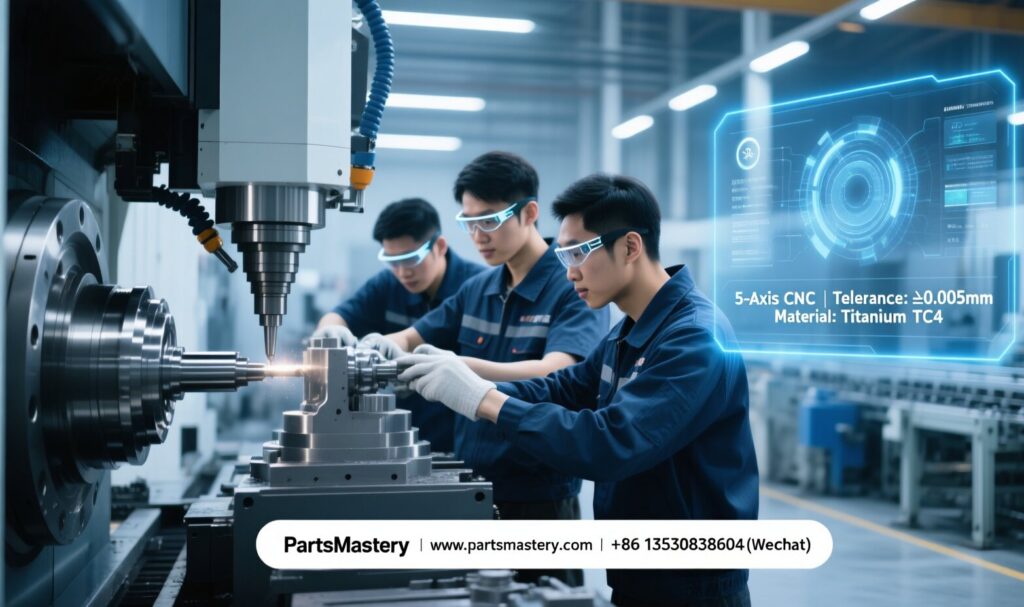
रफ सीएनसी मशीनिंग सामग्री का अधिकांश भाग हटाती है। पाँच-अक्ष मशीनिंग जटिल आकृतियाँ बनाती है। तीव्र आंतरिक कोनों, संकीर्ण पट्टियों, या बनावटयुक्त सतहों के लिए, कस्टम मोल्ड निर्माता विद्युत निर्वहन मशीनिंग (ईडीएम) का उपयोग करता है—गुहाओं के लिए सिंकर ईडीएम और छिद्रयुक्त विशेषताओं के लिए वायर ईडीएम। सभी मशीनिंग महत्वपूर्ण आयामों पर ±0.005 मिमी या उससे बेहतर सहनशीलता के अनुसार की जाती है।.
चरण 6: हाथ से फिनिशिंग और पॉलिशिंग
स्वचालित मशीनिंग ऑप्टिकल या कॉस्मेटिक भागों के लिए आवश्यक सतह फिनिश प्राप्त नहीं कर सकती। कुशल मोल्ड निर्माता SPI मानकों A-1 (दर्पण फिनिश, Ra < 0.05 µm) से D-3 (मैट बनावट) तक गुहा सतहों को हाथ से पॉलिश करते हैं। शट-ऑफ सतहों को फ्लैश रोकने के लिए लैप किया जाता है। इजेक्टर पिनों में माइक्रोमीटर के हजारवें हिस्से में मापी गई क्लीयरेंस होती है।.
चरण 7: ताप उपचार और कोटिंग
मोल्ड को लक्षित कठोरता प्राप्त करने के लिए वैक्यूम हीट ट्रीटमेंट किया जाता है—आमतौर पर इंजेक्शन मोल्ड्स के लिए 48-52 HRC, या डाई-कास्टिंग मोल्ड्स के लिए 50-55 HRC। तापीय उपचार के बाद, निर्दिष्ट PVD या CVD कोटिंग्स लगाई जाती हैं। इसके बाद कस्टम मोल्ड निर्माता सभी घटकों को असेंबल करता है, जिनमें स्लाइड्स, लिफ्टर्स, इजेक्टर सिस्टम और कूलिंग फिटिंग्स शामिल हैं।.
चरण 8: नमूनाकरण और प्रथम लेख निरीक्षण (FAI)
पूर्ण मोल्ड को परीक्षण शॉट्स के लिए इंजेक्शन मोल्डिंग मशीन पर स्थापित किया जाता है। कस्टम मोल्ड निर्माता एक वैज्ञानिक रूप से डिज़ाइन किए गए सैंपलिंग प्रोटोकॉल को चलाता है, जिसमें इंजेक्शन गति, दबाव, तापमान और कूलिंग समय को बदलकर इष्टतम प्रक्रिया विंडो खोजी जाती है। नमूना भागों को मूल CAD मॉडल के साथ समन्वय मापन मशीन (CMM) या ऑप्टिकल कंपैरेटर का उपयोग करके मापा जाता है। निर्माता एक पूर्ण FAI रिपोर्ट प्रदान करता है, जिसमें आयामी डेटा, सामग्री प्रमाणन, और अनुशंसित प्रक्रिया पैरामीटर शामिल होते हैं।.
चरण 9: दस्तावेजीकरण और वितरण
ग्राहक की स्वीकृति मिलने पर, कस्टम मोल्ड निर्माता मोल्ड को संपूर्ण दस्तावेज़ीकरण के साथ वितरित करता है: 2D ड्रॉइंग्स, 3D CAD फाइलें, सामग्री प्रमाणपत्र, हीट ट्रीटमेंट लॉग, कोटिंग विनिर्देश, स्पेयर पार्ट्स की सूची, और रखरखाव निर्देश। यह दस्तावेज़ीकरण आपकी उत्पादन टीम को मोल्ड को आत्मविश्वास के साथ चलाने और इसकी सेवा अवधि के दौरान उचित रूप से रखरखाव करने में सक्षम बनाता है।.
एक सच्चे कस्टम मोल्ड निर्माता की उन्नत क्षमताएँ
एक पूर्ण-सेवा कस्टम मोल्ड निर्माता बुनियादी मोल्ड निर्माण से परे क्षमताएँ प्रदान करता है:
हॉट रनर सिस्टम: बड़े या बहु-गुहा सांचों के लिए, हॉट रनर रनर स्क्रैप को समाप्त करते हैं, चक्र समय को कम करते हैं, और भराई संतुलन में सुधार करते हैं। कस्टम मोल्ड निर्माता वाणिज्यिक रूप से उपलब्ध हॉट रनर सिस्टम (हस्की, सिंवेन्टिव, मोल्ड-मास्टर्स, इनकोए) को एकीकृत करता है या विशिष्ट अनुप्रयोगों के लिए कस्टम मैनिफोल्ड डिजाइन करता है।.
अनुरूप शीतलन: पारंपरिक कूलिंग चैनल सीधी रेखाओं में ड्रिल किए जाते हैं। कन्फॉर्मल कूलिंग एडिटिव मैन्युफैक्चरिंग या 3D-प्रिंटेड इन्सर्ट्स का उपयोग करके ऐसे चैनल बनाती है जो पार्ट के आकार के अनुरूप होते हैं। इससे साइकिल टाइम 20–40% तक कम हो जाता है और वॉरपेज पैदा करने वाले हॉट स्पॉट्स समाप्त हो जाते हैं।.
अनस्क्रूइंग और संकुचनशील कोर तंत्र: थ्रेडेड भागों के लिए ऐसे कोर की आवश्यकता होती है जिन्हें मोल्ड खुलने पर घुमाकर अनस्क्रू किया जा सके। आंतरिक अंडरकट्स के लिए ऐसे कोर चाहिए जो संकुचित होकर भाग को रिलीज़ करें। एक कस्टम मोल्ड निर्माता इन तंत्रों को कठोर गियर्स, रैक-एंड-पिनियन सिस्टम या हाइड्रोलिक एक्ट्यूएटर्स के साथ डिजाइन और निर्माण करता है।.
इन-मोल्ड इंस्ट्रूमेंटेशन: महत्वपूर्ण अनुप्रयोगों के लिए, कस्टम मोल्ड निर्माता कैविटी दबाव सेंसर, थर्मोकपल या प्रवाह सेंसर एम्बेड कर सकता है। ये इंजेक्शन मोल्डिंग मशीन को वास्तविक समय में डेटा प्रदान करते हैं, जिससे क्लोज्ड-लूप गुणवत्ता नियंत्रण और सांख्यिकीय प्रक्रिया निगरानी संभव होती है।.
साँचे का रखरखाव और मरम्मत सेवाएँ: एक जिम्मेदार कस्टम मोल्ड निर्माता निरंतर सहायता प्रदान करता है—कटिंग एज को फिर से तेज करना, घिसे हुए इजेक्टर पिन बदलना, क्षतिग्रस्त कैविटी सतहों की मरम्मत करना, और मूल मोल्ड के कई साल बाद भी उसकी नक़ल बनाना।.
कस्टम मोल्ड निर्माताओं द्वारा सेवा प्रदान की जाने वाली उद्योग
कस्टम मोल्ड निर्माता उन उद्योगों की सेवा करते हैं जहाँ मानक टूलिंग अपर्याप्त होती है:
चिकित्सा उपकरण: सर्जिकल हैंडल, सिरिंज बैरल, आईवी कनेक्टर हब, इम्प्लांटेबल हाउसिंग और डायग्नोस्टिक कार्ट्रिज के लिए जैव-अनुकूल सामग्री, क्लीनरूम अनुकूलता और पूर्ण ट्रेसबिलिटी आवश्यक हैं।.
एयरोस्पेस और रक्षा: आंतरिक पैनल, डक्टिंग, विद्युत कनेक्टर्स और संरचनात्मक घटकों के लिए इंजीनियरिंग रेज़िन (पीईईके, पीईआई, पीपीएसयू) और असेंबली के लिए कड़ी सहनशीलताएँ आवश्यक हैं।.
ऑटोमोटिव: हुड के नीचे के घटक, लाइटिंग हाउसिंग, इंटीरियर ट्रिम और सुरक्षा-महत्वपूर्ण पुर्जों के लिए ग्लास-भरे नायलॉन, उच्च-तापमान प्रतिरोधी सामग्री और दीर्घकालिक विश्वसनीयता आवश्यक हैं।.
उपभोक्ता इलेक्ट्रॉनिक्स: फोन केस, पहनने योग्य आवरण, कैमरा बेज़ल और सिम ट्रे में सूक्ष्म सहनशीलता, सौंदर्यपूर्ण सतहें और उच्च-मात्रा में उत्पादकता की आवश्यकता होती है।.
औद्योगिक उपकरण: पंप हाउसिंग, वाल्व बॉडी, गियर हाउसिंग और टूल एनक्लोजर में संरचनात्मक मजबूती और रासायनिक प्रतिरोध की आवश्यकता होती है।.
गुणवत्ता मानक और प्रमाणपत्र
एक पेशेवर कस्टम मोल्ड निर्माता मान्यता प्राप्त गुणवत्ता प्रणालियों के तहत कार्य करता है:
-
आईएसओ 9001: गुणवत्ता प्रबंधन प्रणाली
-
आईएसओ 13485: चिकित्सा उपकरण गुणवत्ता प्रबंधन
-
आईएटीएफ 16949: ऑटोमोटिव गुणवत्ता प्रबंधन
-
एएस9100: एयरोस्पेस गुणवत्ता प्रबंधन
निरीक्षण उपकरणों में CMMs (कोऑर्डिनेट मेज़रिंग मशीनें), ऑप्टिकल कंपैरेटर, सतह खुरदरापन परीक्षक और कठोरता परीक्षक शामिल हैं। कच्चे माल के प्रमाणन से लेकर अंतिम निरीक्षण तक पूर्ण ट्रेसबिलिटी बनाए रखी जाती है।.
कस्टम मोल्ड निर्माण की अर्थव्यवस्था
कस्टम मोल्ड्स की प्रारंभिक लागत मानक उपकरणों की तुलना में अधिक होती है, लेकिन ये दीर्घकालिक रूप से बेहतर मूल्य प्रदान करते हैं। एक अच्छी तरह से डिज़ाइन किया गया कस्टम मोल्ड:
-
रखरखाव चक्रों के बीच अधिक समय तक चलता है (मानक सांचों के लिए 10,000 की तुलना में 50,000+ शॉट्स)
-
कम अपशिष्ट उत्पन्न करता है (आमतौर पर मानक सांचों के लिए 3-5 टन के मुकाबले 11 टन से कम)
-
तेज़ साइकिल समय प्राप्त करता है (अनुकूलित कूलिंग के माध्यम से 10-30% की कमी)
-
भविष्य में संशोधनों (गुहाएँ जोड़ना, द्वारों के स्थान बदलना) को समायोजित करता है।
50,000 से अधिक भागों के उत्पादन रन के लिए, कस्टम मोल्ड की प्रति भाग लागत लगभग हमेशा मानक मोल्ड की तुलना में कम होती है। 500,000 से अधिक भागों के रन के लिए, यह अंतर नाटकीय होता है।.
निष्कर्ष: सही कस्टम मोल्ड निर्माता का चयन
अपने उत्पाद की सफलता के लिए कस्टम मोल्ड निर्माता का चयन करना आपके द्वारा लिए जाने वाले सबसे महत्वपूर्ण निर्णयों में से एक है। सही साझेदार इंजीनियरिंग विशेषज्ञता, सटीक मशीनिंग, कठोर सत्यापन और निरंतर समर्थन प्रदान करता है। गलत साझेदार देरी, दोष और छिपे हुए खर्च लाता है।.
PartsMastery एक सच्चे कस्टम मोल्ड निर्माता के रूप में कार्य करता है, जो उन्नत सिमुलेशन, सटीक CNC और EDM मशीनिंग, हस्तशिल्प कौशल और व्यापक दस्तावेज़ीकरण को संयोजित करता है। चाहे आपके पुर्जे को थ्रेड्स के लिए कोर अनस्क्रू करने, चक्र समय में कमी के लिए कन्फॉर्मल कूलिंग, या ऑप्टिकल स्पष्टता के लिए मिरर फिनिश की आवश्यकता हो, हम ऐसे टूलिंग प्रदान करते हैं जो उत्कृष्ट प्रदर्शन करते हैं।.
तकनीकी चर्चाओं, कोटेशन, या DFM विश्लेषण का अनुरोध करने के लिए, आज ही PartsMastery से संपर्क करें।.
पार्ट्समास्टरी
फ़ोन / वीचैट: +86 13530838604