








Mild steel — also called low-carbon steel — ranks as the world’s most widely used general-purpose carbon steel. In fact, manufacturers across nearly every industrial sector depend on this material for its balanced mechanical performance, flexible process compatibility and exceptional cost efficiency. From construction and automotive engineering to heavy industry and consumer goods production, it supports thousands of everyday products and structures. In this guide, we break down the core technical traits and real-world value of mild steel, from its basic definition and smelting process to its key properties, fabrication methods and common industry applications.
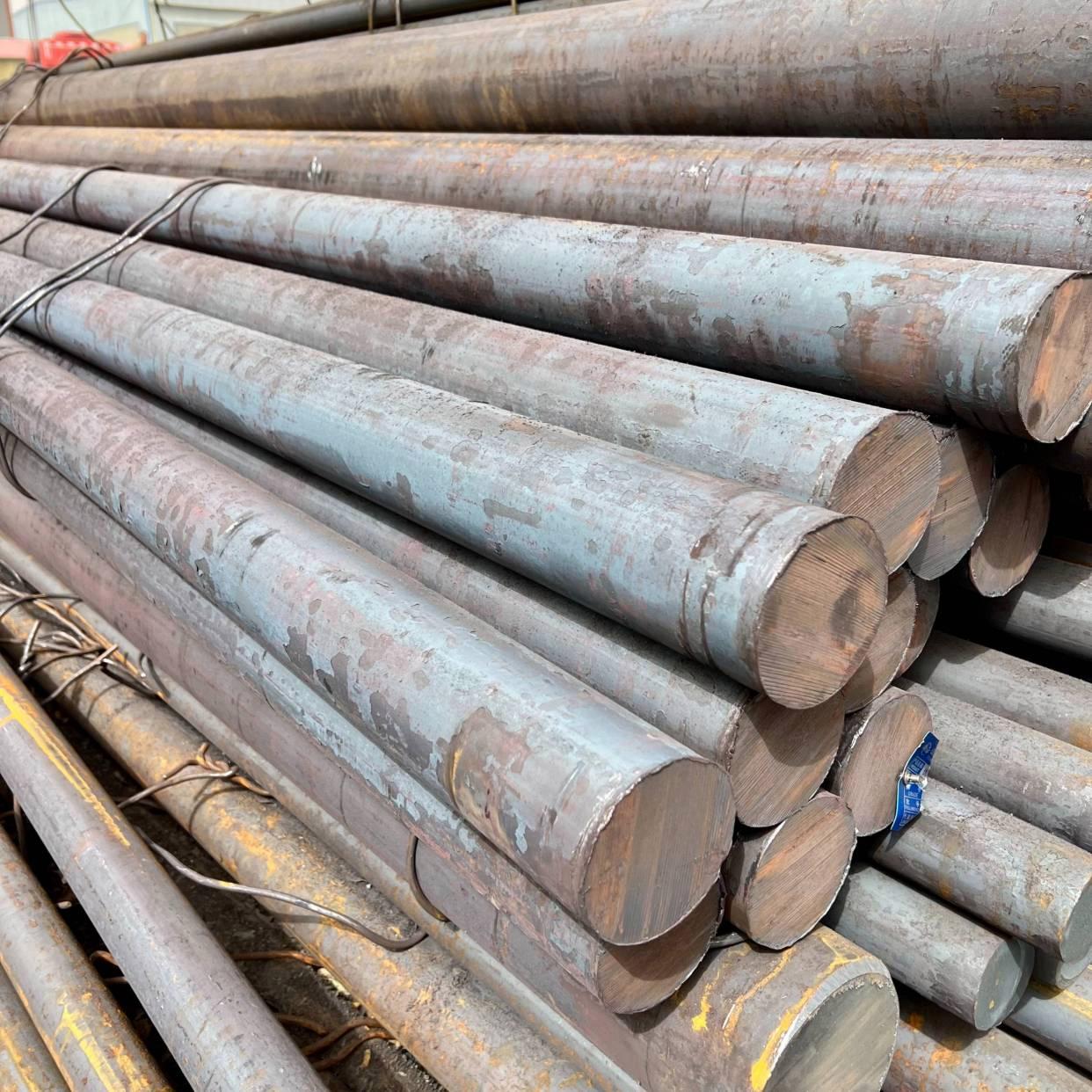 1. Definition and Standardized Smelting Process of Mild Steel
1.1 Material Composition and Classification
Mild steel belongs to the iron-carbon alloy family, with pure iron as its base matrix and a tightly controlled carbon content between 0.05% and 0.25% by mass. Specifically, its metallographic structure consists primarily of ferrite, plus a small share of pearlite. By comparison with medium and high-carbon steel grades, it delivers lower surface hardness but far greater ductility and toughness. For this reason, it acts as a foundational industrial material that strikes a reliable balance between structural strength and shapeability.
1.2 Industrial Production Workflow
Manufacturers produce commercial mild steel using the blast furnace and basic oxygen converter long-flow process, and they maintain strict control over chemical composition and impurity levels at every production stage:
- Blast furnace smelting: First, operators load iron ore, metallurgical coke and limestone into the blast furnace at a precise ratio. High-temperature reduction reactions create liquid pig iron, which concentrates iron content and removes most surface-level impurities.
- Converter refining: Next, workers transfer molten iron into the basic oxygen converter and inject high-purity oxygen at high pressure. The resulting oxidation reactions burn off excess carbon and harmful elements like sulfur and phosphorus, and they tune the final composition to exact mild steel specifications.
- Casting and hot rolling: Finally, production teams cast refined molten steel into ingots or continuous cast billets. After cooling and reheating, they run the material through hot rolling mills to form sheets, profiles, bars and other standard shapes. This step also refines the grain structure and improves the material’s balance of strength and toughness.
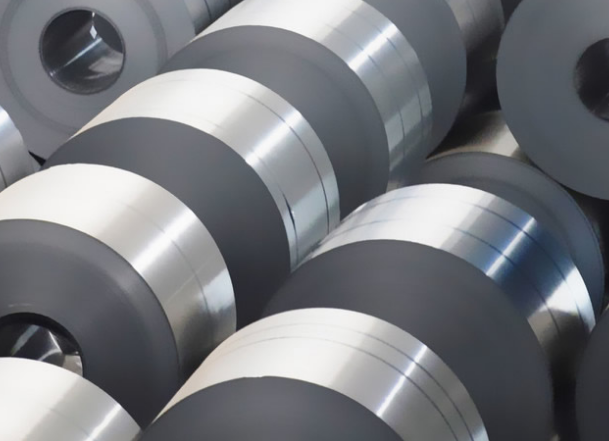
2. Core Performance Characteristics of Mild Steel
2.1 High Impact Toughness
Thanks to its ferrite-rich matrix, mild steel delivers exceptional ductility and toughness at room temperature. For example, it resists brittle fracture when exposed to sudden impact loads and retains strong deformation recovery ability. Furthermore, it rarely forms fatigue cracks even after repeated bending cycles. As a result, it works extremely well for components that face regular alternating loads.
2.2 Reliable Tensile Strength
As a standard structural-grade steel, mild steel delivers consistent tensile strength that satisfies most civil and industrial load-bearing needs. In particular, it holds dimensional stability under both static tension and compressive stress. For most conventional structural parts, it also stands as one of the most cost-effective base materials available.
2.3 Upgradable Corrosion Resistance
Uncoated mild steel provides basic atmospheric corrosion resistance for standard outdoor use. Additionally, its surface works seamlessly with a wide range of protective treatments, including hot-dip galvanizing, powder coating and electrophoretic coating. With the right surface finish, its rust and corrosion resistance improves dramatically. Consequently, it can deliver reliable long-term service even in high-humidity and high-salt-spray environments.
2.4 Excellent Formability
Its low carbon content gives mild steel outstanding ductility. For instance, fabricators can shape it into complex geometries through bending, stamping and deep drawing, with very low risk of cracking or excessive springback. This level of flexibility supports both small-batch custom fabrication and high-volume automated production lines.
2.5 Superior Cost-Effectiveness
Among all structural steel grades on the market, mild steel carries some of the lowest raw material and processing costs. Moreover, it delivers the strongest economic value for its strength class. Its low prototyping expenses also make it the top choice for product development and design verification phases.
3. Primary Processing Technologies for Mild Steel
3.1 Cold Forming
Cold forming ranks as the most widely used shaping method for mild steel, and fabricators carry out the entire process at room temperature with no heating required. Common cold forming techniques include cold bending, cold stamping, roll forming and cold drawing; all of these shape the material through mechanically induced plastic deformation.
This fabrication method delivers high dimensional accuracy and fast production speeds. In addition, it creates work hardening on the material surface to boost surface strength while preserving full internal structural integrity. For these reasons, it works perfectly for mass production of standard parts and profiles with complex cross-sections.
3.2 Heat Treatment
With heat treatment, manufacturers can fine-tune mild steel’s mechanical properties to match specific application requirements:
- Annealing or normalizing: First, technicians heat the material and then cool it at a controlled rate. This refines the grain structure and relieves internal stress, which further improves ductility and toughness for later deep processing steps.
- Surface carburizing and quenching: For high-wear applications, technicians apply surface carburizing followed by quenching. This process greatly increases surface hardness and abrasion resistance while keeping the material’s core tough and impact-resistant.
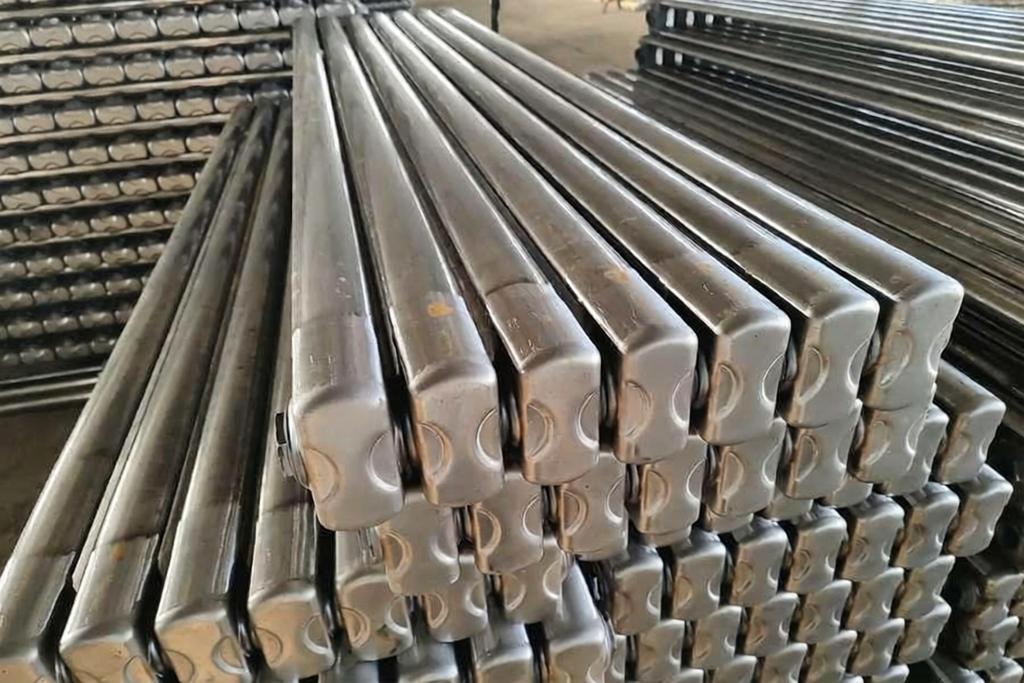
4. Key Advantages of Mild Steel
4.1 Broad Process Compatibility
Mild steel works with nearly every conventional metal processing technology. Beyond cold forming and heat treatment, it supports CNC turning and milling, precision grinding, EDM and fusion welding. Most notably, it offers exceptionally strong weldability with high joint strength. This feature enables flexible fabrication of complex assembled structures.
4.2 Long Service Life
When teams apply proper protection and regular maintenance, mild steel components deliver stable long-term performance with very little degradation over time. In fact, with the right anti-corrosion coatings, structural parts can remain fully functional outdoors for multiple decades.
4.3 Full Recyclability
Mild steel qualifies as a 100% recyclable metal material. Specifically, steel mills can remelt and reuse all production scrap and end-of-life components without major loss of mechanical properties. This trait aligns fully with green manufacturing and circular economy standards.
4.4 Low Total Cost of Ownership
From material procurement and manufacturing to ongoing maintenance, mild steel carries a far lower full-lifecycle cost than most alloy steels and non-ferrous metals. As a result, it stands as the preferred material for large-scale construction projects and mass-produced goods where cost control is a top priority.
5. Major Industrial Application Scenarios
5.1 Construction and Structural Engineering
Mild steel forms the backbone of the global construction industry. Construction teams use it for load-bearing beams, columns and frames in factories, bridges and high-rise buildings. Additionally, it makes up scaffolding, fencing, enclosure panels and other auxiliary components. Across all these uses, it delivers reliable tensile strength that supports long-term structural safety.
5.2 Automotive Manufacturing
In the automotive sector, manufacturers use mild steel widely for body panels, chassis frames and structural components. Its excellent stamping formability supports complex body designs, and it also acts as reinforcement to boost crashworthiness. Notably, it appears especially often in off-road vehicles and commercial vehicles that demand high structural strength.
5.3 Heavy Industry and Energy
In mining, petrochemical and other heavy industries, engineers use mild steel for equipment housings, process piping and support structures. Furthermore, it performs reliably under high temperatures and moderate corrosive conditions. For this reason, it serves as the base material for most heavy industrial equipment.
5.4 Agriculture and Infrastructure
For agricultural applications, mild steel forms greenhouse frames, grain storage tanks and agricultural machinery structures. For example, its high impact resistance stands up to collisions from farm equipment and livestock. Its natural weather durability also makes it a great fit for long-term outdoor farm use.
5.5 Furniture and Consumer Goods
Thanks to its easy formability and low cost, mild steel remains a popular choice for metal furniture, storage racks and office fixture frames. In practice, fabricators can weld and bend it freely for custom designs. As a result, it combines structural rigidity with aesthetic flexibility.
निष्कर्ष
All in all, with its well-rounded performance, broad processing adaptability and exceptional cost efficiency, mild steel remains an irreplaceable foundational material in modern industry. It supports applications everywhere from heavy infrastructure projects to everyday consumer products.
PartsMastery delivers custom manufacturing services for mild steel and a full range of metal materials, and we provide end-to-end solutions from prototype development to full mass production. With mature fabrication capabilities and strict quality control processes, we offer competitive pricing, fast lead times and consistent product quality to support every client project. Reach out to PartsMastery today to start your custom mild steel component project.