


चीन ओईएम टूलिंग: उच्च-मात्रा, सटीक विनिर्माण के लिए आपका रणनीतिक भागीदार
वैश्विक विनिर्माण आपूर्ति श्रृंखला में, OEM (मूल उपकरण निर्माता) टूलिंग एक शक्तिशाली संबंध का प्रतिनिधित्व करती है: एक कंपनी उत्पाद का डिज़ाइन करती है, और दूसरी कंपनी उसे बड़े पैमाने पर उत्पादन करने के लिए आवश्यक सटीक उपकरण बनाती है। ऑटोमोटिव, इलेक्ट्रॉनिक्स, चिकित्सा उपकरण, उपभोक्ता वस्तुओं, और औद्योगिक उपकरणों सहित विभिन्न ब्रांडों के लिए, चीन ओईएम टूलिंग यह विश्व-स्तरीय इंजीनियरिंग, कड़े गुणवत्ता नियंत्रण और अत्यधिक प्रतिस्पर्धी मूल्य निर्धारण को संयोजित करने के लिए स्वर्ण मानक बन गया है। चीनी टूलिंग विशेषज्ञों के साथ साझेदारी करके, OEMs उत्पाद नवाचार और ब्रांड निर्माण पर ध्यान केंद्रित कर सकते हैं, जबकि मोल्ड डिजाइन, निर्माण और उत्पादन अनुकूलन की जटिलताओं को विश्वसनीय विशेषज्ञों पर छोड़ सकते हैं।.
OEM टूलिंग क्या है और यह क्यों मायने रखता है?
OEM टूलिंग से तात्पर्य उन मोल्ड्स, डाइज़, जिग्स और फिक्स्चर से है जिन्हें एक कंपनी (टूलिंग सप्लायर) द्वारा निर्मित किया जाता है, लेकिन जो किसी अन्य कंपनी (OEM ब्रांड) के स्वामित्व में होते हैं या विशेष रूप से उसी के लिए उपयोग किए जाते हैं। मानक कैटलॉग टूलिंग के विपरीत, OEM टूलिंग को ब्रांड की बौद्धिक संपदा, आयामी विनिर्देशों और गुणवत्ता मानकों के अनुसार एक विशिष्ट भाग या असेंबली का उत्पादन करने के लिए कस्टम-डिज़ाइन किया जाता है। टूलिंग सप्लायर आमतौर पर तैयार भागों को जनता को नहीं बेचता; इसके बजाय, वे या तो उपकरण OEM की अपनी फैक्ट्री में भेजते हैं या गोपनीय निर्माण समझौते के तहत उत्पादन करते हैं।.
OEM टूलिंग का महत्व अतिशयोक्ति नहीं है। एक उच्च-गुणवत्ता वाला उपकरण सीधे निम्नलिखित में तब्दील होता है:
-
सुसंगत भाग गुणवत्ता लाखों चक्रों के दौरान.
-
छोटे चक्र समय और प्रति-भाग कम लागत।.
-
अपशिष्ट और पुनःकार्य में कमी अनुकूलित गेटिंग, कूलिंग और वेंटिंग के कारण।.
-
लंबी उपकरण आयु उचित स्टील चयन और ताप उपचार के साथ।.
वैश्विक ब्रांडों के लिए, चीन से OEM टूलिंग प्राप्त करना एक स्पष्ट रणनीतिक लाभ प्रदान करता है: यह एक परिपक्व, निर्यात-केंद्रित उद्योग तक पहुंच प्रदान करता है जिसने टेस्ला, बॉश, फिलिप्स और अनगिनत अन्य कंपनियों को मोल्ड्स की आपूर्ति की है।.
चीन ओईएम टूलिंग का प्रतिस्पर्धात्मक लाभ
चीन में 30,000 से अधिक मोल्ड निर्माण उद्यम हैं, जो विशेष औद्योगिक क्लस्टरों में केंद्रित हैं। प्रत्येक क्लस्टर ने प्लास्टिक इंजेक्शन, डाई-कास्टिंग, स्टैम्पिंग, फोर्जिंग और अन्य विशिष्ट प्रकार के टूलिंग में गहरी विशेषज्ञता विकसित की है। जब आप चीन OEM टूलिंग चुनते हैं, तो आपको निम्नलिखित लाभ मिलते हैं:
1. उन्नत तकनीकी क्षमताएँ
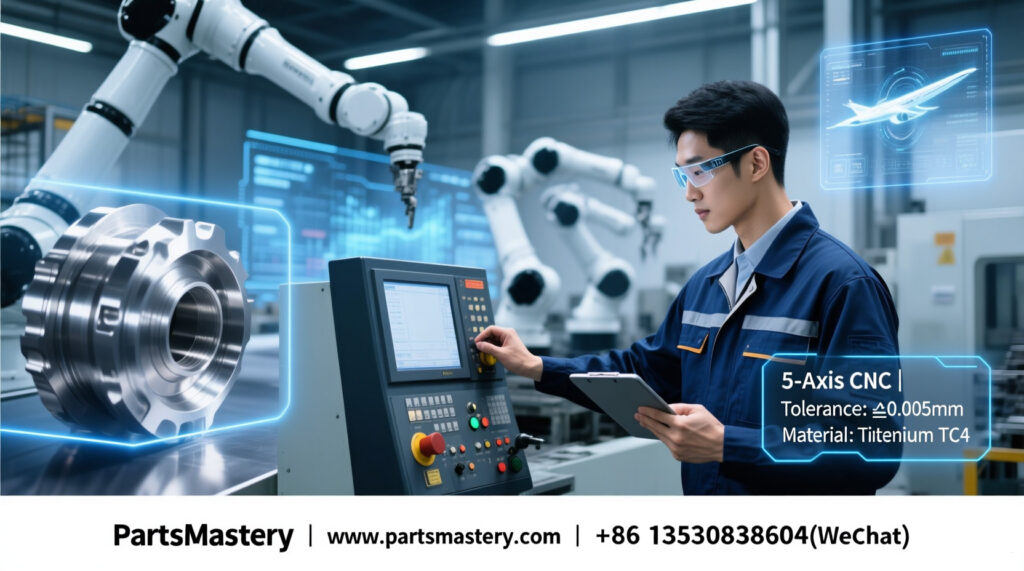
प्रमुख चीनी OEM टूलिंग कारखाने उच्च-गति 5-अक्ष CNC मशीनों, माइक्रोन-स्तर की सटीकता वाले वायर और सिंकर EDM, और अंतरराष्ट्रीय मानकों से प्रमाणित CMM निरीक्षण प्रणालियों से सुसज्जित हैं। कई फैक्ट्रियाँ डिजिटल ट्विन सिमुलेशन, रीयल-टाइम उत्पादन निगरानी, और सामग्री हैंडलिंग के लिए स्वचालित मार्गदर्शित वाहन (AGVs) का भी उपयोग करती हैं। ये क्षमताएँ उन्हें जटिल ज्यामिति, कड़ी सहनशीलता (±0.005 मिमी तक), और दर्पण-सा फिनिश वाली सतहें उत्पादन करने में सक्षम बनाती हैं, जो OEM आवश्यकताओं को पूरा करती हैं या उनसे भी बेहतर हैं।.
2. गुणवत्ता से समझौता किए बिना लागत दक्षता
चीन OEM टूलिंग की लागत में महत्वपूर्ण लाभ है—आमतौर पर यह संयुक्त राज्य अमेरिका, जर्मनी या जापान की समकक्ष टूलिंग की तुलना में 30–60% कम होती है। यह बचत एक अत्यंत कुशल पारिस्थितिकी तंत्र से होती है: स्टील आपूर्तिकर्ता, घटक निर्माता, हीट ट्रीटमेंट कार्यशालाएं और सतह फिनिशिंग सेवाएं अक्सर एक-दूसरे से कुछ ही किलोमीटर की दूरी पर होती हैं। कम श्रम लागत और उच्च स्तर का स्वचालन खर्चों को और कम करते हैं, जबकि कड़े गुणवत्ता नियंत्रण यह सुनिश्चित करते हैं कि लागत में कमी कभी भी प्रदर्शन की कीमत पर न हो।.
3. मापनीयता और लचीलापन
OEM संबंध अक्सर प्रोटोटाइप या कम-मात्रा वाले टूलिंग से शुरू होते हैं और फिर उच्च-कैविटेशन उत्पादन सांचों तक विस्तारित होते हैं। चीनी OEM टूलिंग फैक्ट्रियाँ इस यात्रा की आदी हैं। वे पायलट रन के लिए एकल-कैविटी सांचा बना सकती हैं और बाद में उसी कोर डिज़ाइन डेटा का उपयोग करते हुए हॉट रनर सिस्टम के साथ 32-कैविटी या 64-कैविटी उत्पादन टूल तैयार कर सकती हैं। यह स्केलेबिलिटी OEMs को टूलिंग निवेश को बाजार की मांग के अनुरूप समायोजित करने की अनुमति देती है।.
4. बाज़ार में गति
OEM निर्माण में समय ही पैसा है। एक सामान्य कस्टम इंजेक्शन मोल्ड चीनी आपूर्तिकर्ता से 4–8 सप्ताह में तैयार हो सकता है, जबकि कई पश्चिमी टूल शॉप्स में यह 12–16 सप्ताह लेता है। ब्रिज टूलिंग या आपातकालीन प्रतिस्थापन के लिए लीड टाइम 2–3 सप्ताह जितना कम हो सकता है। यह गति OEMs को उत्पादों को तेजी से लॉन्च करने, बाजार में बदलावों का जवाब देने और इन्वेंटरी रखने की लागत को कम करने में सक्षम बनाती है।.
ओईएम टूलिंग प्रक्रिया: डिजाइन से उत्पादन तक
एक सफल चीन OEM टूलिंग साझेदारी एक संरचित इंजीनियरिंग कार्यप्रवाह का पालन करती है। इस प्रक्रिया को समझना OEM खरीदारों को अपेक्षाओं का प्रबंधन करने और सामान्य त्रुटियों से बचने में मदद करता है।.
चरण 1: विनिर्माण के लिए डिज़ाइन (DFM) समीक्षा
OEM भाग का 3D CAD मॉडल (STEP, IGES, या नेटिव फॉर्मेट) प्रदान करता है। चीनी टूलिंग आपूर्तिकर्ता ड्राफ्ट एंगल, एकसमान दीवार मोटाई, गेट प्लेसमेंट, इजेक्शन पॉइंट्स और सिंक मार्क्स या वेल्ड लाइन्स जैसी संभावित खामियों की जांच करते हुए एक व्यापक DFM विश्लेषण करता है। एक विस्तृत DFM रिपोर्ट मोल्ड करने की क्षमता में सुधार के सुझावों के साथ OEM को वापस भेजी जाती है। यह सहयोगात्मक कदम अक्सर टूलिंग लागत और चक्र समय को 15–25% तक कम कर देता है।.
चरण 2: टूल डिज़ाइन और मोल्ड फ्लो सिमुलेशन
डीएफएम अनुमोदन के बाद, आपूर्तिकर्ता उन्नत CAD सॉफ़्टवेयर (UG/NX, Creo, SolidWorks) का उपयोग करके टूल का डिज़ाइन करता है। मोल्ड फ्लो सिमुलेशन भरने के पैटर्न, वायु फँसने, शीतलन दक्षता और विकृति की भविष्यवाणी करने के लिए किया जाता है। किसी भी स्टील को काटने से पहले डिजिटल रूप से समायोजन किए जाते हैं।.
चरण 3: सामग्री का चयन और खरीद
OEM और आपूर्तिकर्ता उत्पादन मात्रा, भाग की सामग्री और आवश्यक सतह फिनिश के आधार पर स्टील ग्रेड (P20, H13, S136, NAK80 आदि) पर सहमत होते हैं। पूर्ण ट्रेसबिलिटी के लिए सामग्री प्रमाणपत्र (EN 10204 3.1) प्रदान किए जाते हैं।.
चरण 4: सटीक मशीनिंग और निर्माण
यह उपकरण सीएनसी, ईडीएम, वायर कटिंग और ग्राइंडिंग का उपयोग करके मशीन किया जाता है। महत्वपूर्ण चरणों में प्रक्रिया-दरम्यान निरीक्षण यह सुनिश्चित करते हैं कि आयाम सहनशीलता के भीतर रहें। कई OEM ग्राहक साप्ताहिक फोटो या वीडियो अपडेट प्राप्त करते हैं।.
चरण 5: सतह फिनिशिंग और टेक्सचरिंग
कवेटी और कोर को OEM द्वारा निर्दिष्ट अनुसार पॉलिश (SPI या समकक्ष मानक), टेक्सचर्ड (VDI, मोल्ड-टेक या कस्टम पैटर्न) या कोटेड (TiN, CrN, DLC) किया जाता है।.
चरण 6: नमूनाकरण और प्रथम लेख निरीक्षण (FAI)
तैयार उपकरण को नमूना भागों के उत्पादन के लिए इंजेक्शन मोल्डिंग या डाई-कास्टिंग मशीन पर स्थापित किया जाता है। एक व्यापक FAI रिपोर्ट में आयामी माप (आमतौर पर 20–50 महत्वपूर्ण विशेषताएँ), सामग्री परीक्षण के परिणाम और उच्च-रिज़ॉल्यूशन फ़ोटो शामिल होते हैं। यदि कोई विचलन पाया जाता है, तो उपकरण में संशोधन किया जाता है और पुनः नमूना लिया जाता है।.
चरण 7: दस्तावेज़ीकरण और शिपमेंट
अंतिम अनुमोदन मिलने पर, आपूर्तिकर्ता संपूर्ण दस्तावेज़ प्रदान करता है: टूल ड्रॉइंग्स (2D और 3D), स्टील प्रमाणपत्र, हीट ट्रीटमेंट रिपोर्ट, CMM निरीक्षण डेटा, रखरखाव मैनुअल, और स्पेयर पार्ट्स की सूची। इसके बाद मोल्ड को क्रेट में पैक करके OEM द्वारा निर्दिष्ट सुविधा पर भेज दिया जाता है।.
गुणवत्ता प्रमाणपत्र और अनुपालन
प्रतिष्ठित चीन OEM टूलिंग कारखाने अंतरराष्ट्रीय स्तर पर मान्यता प्राप्त प्रमाणपत्र रखते हैं जो OEM खरीदारों को विश्वास दिलाते हैं:
-
आईएसओ 9001:2015 – गुणवत्ता प्रबंधन प्रणाली।.
-
आईएटीएफ 16949 – ऑटोमोटिव उद्योग मानक (टियर-1 आपूर्तिकर्ताओं के लिए आवश्यक)।.
-
आईएसओ 13485 – चिकित्सा उपकरण टूलिंग।.
-
आईएसओ 14001 – पर्यावरण प्रबंधन।.
कई आपूर्तिकर्ता ग्राहक-विशिष्ट आवश्यकताओं, जैसे GM, Ford या Volkswagen की गुणवत्ता मानकों का भी पालन करते हैं, और SGS, TÜV या Bureau Veritas द्वारा किए जाने वाले तृतीय-पक्ष ऑडिट के आदी हैं।.
ओईएम टूलिंग के लिए बौद्धिक संपदा संरक्षण
बौद्धिक संपदा (IP) संरक्षण किसी भी OEM के लिए, जो चीन से टूलिंग पर विचार कर रहा है, एक शीर्ष चिंता का विषय है। अच्छी खबर यह है कि माहौल में काफी सुधार हुआ है। पेशेवर चीनी OEM टूलिंग आपूर्तिकर्ता नियमित रूप से हस्ताक्षर करते हैं:
-
गैर-प्रकटीकरण समझौते (एनडीए) – भाग डिज़ाइन और प्रक्रिया डेटा की कानूनी रूप से बाध्यकारी गोपनीयता।.
-
टूलिंग स्वामित्व समझौते – स्पष्ट रूप से यह बताना कि भौतिक साँचा ओईएम का है, आपूर्तिकर्ता का नहीं।.
-
गैर-प्रतिस्पर्धा खंड – आपूर्तिकर्ता को इस उपकरण का उपयोग करके किसी अन्य ग्राहक के लिए पुर्जे बनाने से रोकना।.
कई OEMs अपने मोल्ड डिज़ाइनों को चीन की राष्ट्रीय बौद्धिक संपदा प्रशासन (CNIPA) में भी पंजीकृत करते हैं या डिजिटल वॉटरमार्क वाली एन्क्रिप्टेड CAD फ़ाइलों का उपयोग करते हैं। उच्च-मूल्य वाली परियोजनाओं के लिए स्थानीय कानूनी सलाहकार के साथ काम करने की सलाह दी जाती है।.
लॉजिस्टिक्स और बिक्री के बाद समर्थन
चीन से OEM टूलिंग का शिपिंग करना सरल है। प्रमुख टूलिंग क्लस्टर विश्व-स्तरीय बंदरगाहों (निंगबो, शंघाई, शेन्ज़ेन, तियानजिन) के पास स्थित हैं। उत्तरी अमेरिका या यूरोप के लिए समुद्री माल ढुलाई में 25–40 दिन लगते हैं; हवाई माल ढुलाई में 3–5 दिन लगते हैं। अधिकांश आपूर्तिकर्ता सीमा शुल्क निकासी सहित घर-से-घर डिलीवरी प्रदान करते हैं।.
बिक्री के बाद का समर्थन भी उतना ही महत्वपूर्ण है। शीर्ष चीन OEM टूलिंग कारखाने प्रदान करते हैं:
-
वीडियो कॉल के माध्यम से दूरस्थ समस्या निवारण।.
-
प्रतिस्थापन स्पेयर पार्ट्स (इजेक्टर पिन, स्लीव्स, हॉट रनर टिप्स).
-
उपकरणों का नवीनीकरण और मरम्मत सेवाएँ।.
-
निरंतर उत्पादन समर्थन (उदाहरण के लिए, चक्र समय अनुकूलन, सामग्री सिफारिशें)।.
आपकी चीन OEM टूलिंग आवश्यकताओं के लिए पार्ट्समास्टरी को क्यों चुनें?
हजारों चीनी टूलिंग कारखानों के परिदृश्य में सही OEM साझेदार खोजने के लिए नेविगेट करना भारी पड़ सकता है। यहीं पर पार्ट्समास्टरी मूल्य जोड़ता है। हम केवल एक सोर्सिंग एजेंट नहीं हैं—हम आपकी इंजीनियरिंग और खरीद टीम का विस्तार हैं। हमारी सेवाओं में शामिल हैं:
-
आपूर्तिकर्ता जांच – हम तकनीकी क्षमता, गुणवत्ता प्रणालियों, वित्तीय स्थिरता और निर्यात अनुभव के लिए कारखानों का ऑडिट करते हैं।.
-
डीएफएम और इंजीनियरिंग सहायता – हमारे इन-हाउस इंजीनियर आपके पार्ट डिज़ाइन और DFM रिपोर्टों की समीक्षा करते हैं ताकि मोल्ड का निर्माण सर्वोत्तम हो सके।.
-
परियोजना प्रबंधन – टूल डिज़ाइन से लेकर सैंपल स्वीकृति तक, हम हर मील का पत्थर ट्रैक करते हैं और साप्ताहिक अपडेट प्रदान करते हैं।.
-
गुणवत्ता आश्वासन – हम प्रक्रिया के दौरान निरीक्षण, अंतिम सीएमएम जाँच करते हैं, और यदि आवश्यक हो तो तृतीय-पक्ष निरीक्षणों का समन्वय करते हैं।.
-
लॉजिस्टिक्स और दस्तावेज़ीकरण – हम सभी शिपिंग कागजी कार्रवाई, सीमा शुल्क निकासी, और डिलीवरी समन्वय संभालते हैं।.
PartsMastery के साथ, आपको बिना किसी जोखिम और सिरदर्द के चीन के OEM टूलिंग के लाभ मिलते हैं।.
निष्कर्ष
चीन OEM टूलिंग सटीकता, गति, विस्तारशीलता और मूल्य का बेजोड़ संयोजन प्रदान करती है। वैश्विक ब्रांडों के लिए जो अपनी विनिर्माण आपूर्ति श्रृंखला को अनुकूलित करना चाहते हैं, अनुभवी चीनी टूलिंग कारखानों के साथ साझेदारी लागत कम करने, लीड टाइम घटाने और उच्च गुणवत्ता बनाए रखने के लिए एक सिद्ध रणनीति है। PartsMastery जैसे विश्वसनीय साझेदार के साथ काम करके, आप सीमा-पार टूलिंग की जटिलताओं को आत्मविश्वास के साथ पार कर सकते हैं।.
क्या आप अपना OEM टूलिंग प्रोजेक्ट शुरू करने के लिए तैयार हैं? संपर्क करें पार्ट्समास्टरी आज।.
📞 +86 13530838604 (वीचैट)
🌐 https://partsmastery.com
आइए हम वे उपकरण बनाएँ जो आपका ब्रांड बनाते हैं।.