








सटीक साँचे निर्माण: सूक्ष्मता की कला और विज्ञान
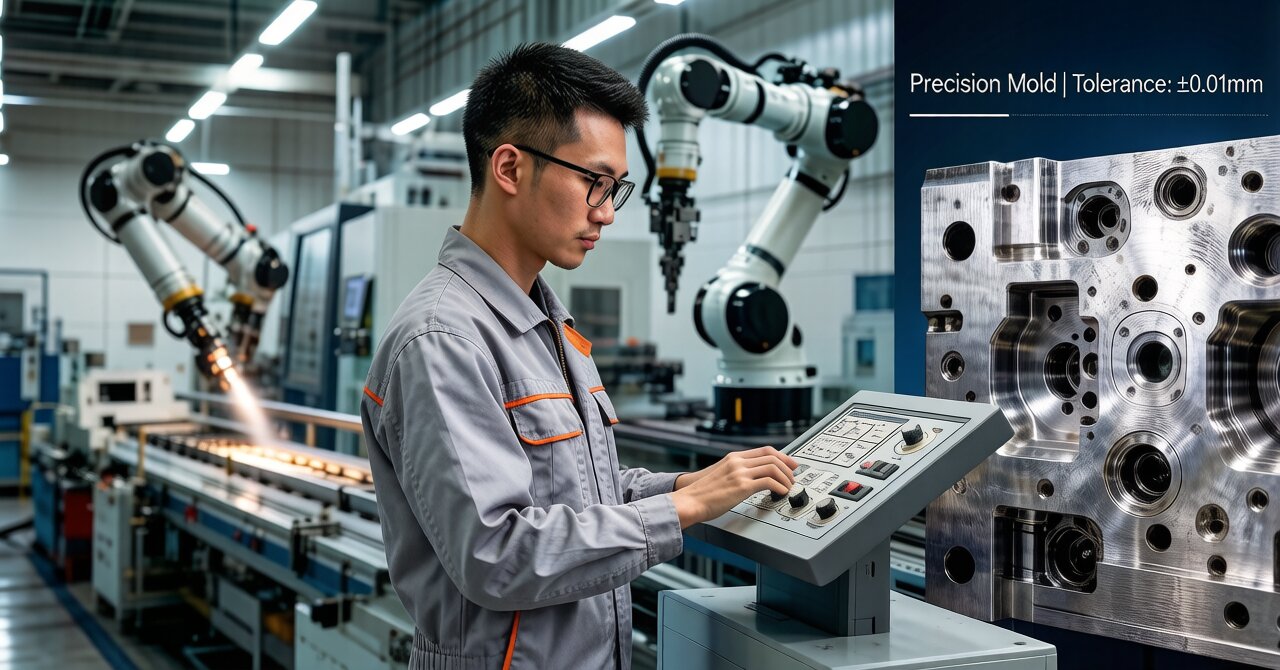
औद्योगिक उत्पादन के क्षेत्र में, सटीकता केवल एक वांछनीय गुण नहीं है—यह वह मौलिक आवश्यकता है जिस पर गुणवत्ता, निरंतरता और विश्वसनीयता निर्मित होती हैं। यह कहीं भी इतनी स्पष्ट रूप से नहीं दिखती जितनी कि सटीक साँचे का निर्माण, जहाँ माइक्रोन में मापी गई सहनशीलताएँ संपूर्ण उत्पादन प्रक्रियाओं की सफलता या विफलता निर्धारित करती हैं। इस अनुशासन के तहत निर्मित साँचे जीवन-रक्षक चिकित्सा उपकरणों से लेकर मिशन-क्रिटिकल एयरोस्पेस असेंबलीज़ और उच्च-प्रदर्शन ऑटोमोटिव प्रणालियों तक के घटकों की नींव के रूप में कार्य करते हैं।.
पार्ट्समास्टरी में, हम समझते हैं कि सटीक मोल्ड निर्माण उन्नत इंजीनियरिंग, सावधानीपूर्वक शिल्प कौशल, और कठोर गुणवत्ता प्रणालियों के संगम का प्रतिनिधित्व करता है। यह एक ऐसा क्षेत्र है जिसमें न केवल परिष्कृत उपकरणों की, बल्कि सामग्री के व्यवहार, प्रक्रिया नियंत्रण, और अत्यधिक परिस्थितियों में पिघले हुए पॉलिमर या धातुओं को आकार देते समय होने वाली सूक्ष्म अंतःक्रियाओं में गहरी विशेषज्ञता की भी आवश्यकता होती है। उन व्यवसायों के लिए जिनके उत्पादों से सख्त मानकों की अपेक्षा होती है, सच्ची सटीकता में सक्षम निर्माता के साथ साझेदारी करना अनिवार्य है।.
मोल्ड निर्माण में सटीकता को परिभाषित करना
मोल्ड निर्माण में सटीकता केवल घटकों को कड़े आयामी सहनशीलता के अनुसार मशीनिंग करने की क्षमता तक सीमित नहीं है। यह मोल्ड के पूरे जीवनचक्र को शामिल करती है—प्रारंभिक डिजाइन से लेकर उत्पादन सत्यापन और दीर्घकालिक परिचालन स्थिरता तक।.
आयामी सटीकता परिशुद्धता का सबसे स्पष्ट पहलू है। उच्च-गुणवत्ता वाले साँचे अनुप्रयोग के आधार पर ±0.01 मिमी से ±0.005 मिमी या उससे भी कम सहनशीलता प्राप्त करते हैं। सिरिंज बैरल या शल्य उपकरणों के हैंडल जैसे चिकित्सा उपकरणों के लिए, ये सहनशीलताएँ उचित फिट और कार्यक्षमता सुनिश्चित करती हैं। ऑप्टिकल घटकों या इलेक्ट्रॉनिक कनेक्टर्स के लिए, ये प्रदर्शन विशेषताओं को बनाए रखती हैं जिन्हें किसी भी प्रकार का परिवर्तन बर्दाश्त नहीं कर सकता।.
हालाँकि, वास्तविक सटीक मोल्ड निर्माण में कई आयामों में निरंतरता की भी आवश्यकता होती है। मोल्ड को सभी गुहाओं में, एक शिफ्ट से दूसरी शिफ्ट तक, और उपकरण के पूरे जीवनकाल में एकसमान भागों का उत्पादन करना चाहिए। इसके लिए न केवल सटीक मशीनिंग बल्कि सामग्री के गुणों, तापीय गतिकी और प्रक्रिया की स्थिरता पर सावधानीपूर्वक विचार करना भी आवश्यक है।.
सतह फिनिश सटीकता का एक और महत्वपूर्ण आयाम है। मोल्ड कैविटीज़ को विशिष्ट सतह बनावट प्राप्त करनी चाहिए—ऑप्टिकल अनुप्रयोगों के लिए दर्पण-सा फिनिश से लेकर कार्यात्मक या सौंदर्य उद्देश्यों के लिए नियंत्रित बनावट तक। मोल्ड की सतह फिनिश सीधे तैयार भाग में स्थानांतरित होती है, जो दिखावट और रिलीज विशेषताओं से लेकर घिसाव प्रतिरोध और सफाई क्षमता तक सब कुछ प्रभावित करती है।.
सटीक सांचों की इंजीनियरिंग नींव
सटीकता की यात्रा किसी भी धातु को काटने से बहुत पहले ही शुरू हो जाती है। इंजीनियरिंग और डिज़ाइन उस नींव को स्थापित करते हैं जिस पर विनिर्माण की सफलता निर्मित होती है।.
निर्माण योग्यता के लिए डिज़ाइन: सटीक मोल्ड निर्माण के लिए आवश्यक है कि प्रत्येक डिज़ाइन तत्व को उत्पादन योग्यता के दृष्टिकोण से आंका जाए। आयामी सटीकता से समझौता किए बिना स्वच्छ निष्कासन सुनिश्चित करने के लिए ड्राफ्ट कोणों को अनुकूलित किया जाना चाहिए। दीवार की मोटाई को समान भराई और शीतलन प्राप्त करने तथा अवशिष्ट तनावों को न्यूनतम करने के लिए संतुलित किया जाना चाहिए। गेट स्थानों का रणनीतिक रूप से चयन किया जाना चाहिए ताकि संतुलित प्रवाह प्राप्त हो और भाग की मजबूती या दिखावट को प्रभावित कर सकने वाली वेल्ड लाइनों को न्यूनतम किया जा सके।.
टॉलरेंस स्टैक विश्लेषण: जटिल साँचे कई घटकों को शामिल करते हैं जिन्हें सटीक संबंधों के साथ एक साथ फिट करना आवश्यक होता है। टॉलरेंस स्टैक विश्लेषण यह आकलन करता है कि व्यक्तिगत घटकों में विनिर्माण संबंधी भिन्नताएँ कैसे संचित होकर समग्र असेंबली सटीकता को प्रभावित करती हैं। यह विश्लेषण यह निर्धारित करने में मदद करता है कि किन विशेषताओं के लिए सबसे कड़े नियंत्रण आवश्यक हैं और कार्यात्मक आवश्यकताओं को पूरा करने के लिए कहाँ अतिरिक्त सटीकता जरूरी है।.
तापीय प्रबंधन: सटीक सांचों को परिष्कृत शीतलन प्रणालियों की आवश्यकता होती है जो संपूर्ण गुहा सतह पर तापमान को समान बनाए रखें। उत्पादन के दौरान तापमान में उतार-चढ़ाव भिन्न संकुचन का कारण बनता है, जिससे आयामी अस्थिरता और विकृति उत्पन्न होती है। उन्नत शीतलन डिज़ाइन—जिसमें एडिटिव मैन्युफैक्चरिंग या जटिल मशीनिंग के माध्यम से निर्मित अनुरूप शीतलन चैनल शामिल हैं—एकसमान ऊष्मा निष्कासन सक्षम करते हैं, जो प्रत्येक चक्र में आयामी स्थिरता बनाए रखता है।.
उन्नत विनिर्माण प्रौद्योगिकियाँ
सटीक साँचे का निर्माण ऐसी मशीनिंग तकनीकों पर निर्भर करता है जो आधुनिक अनुप्रयोगों द्वारा मांगे गए सख्त सहनशीलता स्तर को प्राप्त करने में सक्षम हों।.
उच्च-गति सीएनसी मशीनिंग: उच्च-गति स्पिंडलों और उन्नत नियंत्रण प्रणालियों से सुसज्जित आधुनिक मशीनिंग केंद्र ऐसी फीड दरें और सटीकताएँ प्राप्त करते हैं जो एक पीढ़ी पहले अकल्पनीय थीं। उच्च-गति मशीनिंग जटिल ज्यामिति के उत्पादन को असाधारण सतह फिनिश के साथ सक्षम बनाती है, जो अक्सर द्वितीयक फिनिशिंग संचालन की आवश्यकता को समाप्त कर देती है। कठोर मशीन निर्माण, तापीय मुआवजा प्रणालियाँ, और सटीक उपकरण प्रबंधन लंबे मशीनिंग चक्रों में सुसंगत प्रदर्शन सुनिश्चित करते हैं।.
विद्युत निर्वहन मशीनिंग: पारंपरिक मशीनिंग से नहीं बनाई जा सकने वाली विशेषताओं—जैसे तीखे आंतरिक कोने, गहरी संकीर्ण रिब्स, या जटिल बनावट—के लिए ईडीएम आवश्यक क्षमताएँ प्रदान करता है। उन्नत जनरेटर से सुसज्जित सिंकर ईडीएम मशीनें असाधारण सटीकता और सतह फिनिश प्राप्त करती हैं, तथा सबसे कठोर विनिर्देशों को पूरा करने वाले गुहा विवरण तैयार करती हैं। वायर ईडीएम सीधी दीवारों, सटीक त्रिज्याओं और न्यूनतम पुनर्निर्मित परतों वाले सटीक घटकों के उत्पादन को सक्षम बनाता है।.
संयोजन मापन और सत्यापन: सटीक विनिर्माण के लिए सटीक सत्यापन आवश्यक है। स्कैनिंग प्रोब से सुसज्जित समन्वय माप मशीनें (CMMs) व्यापक आयामी डेटा एकत्र करती हैं, मशीनीकृत घटकों की तुलना डिजाइन विनिर्देशों से करती हैं। ऑप्टिकल मापन प्रणालियाँ जटिल आकृतियों और सूक्ष्म विवरणों का निरीक्षण करती हैं, जो संपर्क-आधारित मापन के लिए चुनौतीपूर्ण होते हैं। व्यापक निरीक्षण दस्तावेज़ीकरण प्रत्येक घटक की आवश्यकताओं के अनुरूपता की ट्रेसबिलिटी और सत्यापन प्रदान करता है।.
सटीक सांचों के लिए सामग्री संबंधी विचार
सटीक मोल्ड निर्माण के लिए चयनित सामग्री सीधे प्राप्त होने वाली सहनशीलता, सतह की फिनिश और तैयार उपकरण की दीर्घायु को प्रभावित करती है।.
कठोरित उपकरण इस्पात: उच्च-मात्रा उत्पादन के लिए, जिसमें असाधारण घिसाव प्रतिरोध और आयामी स्थिरता की मांग होती है, H13, S7, और D2 जैसे कठोर टूल स्टील्स मानक होते हैं। ये सामग्रियाँ निरंतर संचालन के दौरान थर्मल साइक्लिंग और यांत्रिक तनावों का सामना करती हैं, साथ ही लाखों चक्रों में कैविटी के सटीक आयामों को बनाए रखती हैं। उचित ताप उपचार—जिसमें वैक्यूम हार्डनिंग और टेम्परिंग शामिल हैं—पूरे उपकरण में सामग्री के गुणधर्मों में निरंतरता सुनिश्चित करता है।.
स्टेनलेस स्टील्स: जंग प्रतिरोध की आवश्यकता वाले अनुप्रयोगों—जैसे चिकित्सा, खाद्य या फार्मास्यूटिकल उत्पादन में उपयोग किए जाने वाले साँचे—के लिए स्टेनलेस स्टील ग्रेड आवश्यक सुरक्षा प्रदान करते हैं। 420 स्टेनलेस स्टील कठोरता और जंग प्रतिरोध का ऐसा संयोजन प्रदान करता है जो चुनौतीपूर्ण अनुप्रयोगों के लिए उपयुक्त है। 316L स्टेनलेस स्टील आक्रामक सफाई एजेंटों या संक्षारक पदार्थों वाले वातावरण में असाधारण जंग प्रतिरोध प्रदान करता है।.
बेरिलियम कॉपर: मोल्ड के उन हिस्सों के लिए जहाँ तीव्र ऊष्मा संचरण आवश्यक होता है—जैसे कोर पिन या स्थानीय शीतलन सुविधाएँ—बेरिलियम तांबे की मिश्रधातियाँ असाधारण तापीय चालकता प्रदान करती हैं। ये सामग्रियाँ लक्षित शीतलन को सक्षम करती हैं, जिससे महत्वपूर्ण क्षेत्रों में चक्र समय और आयामी स्थिरता में सुधार होता है।.
सटीक साँचे निर्माण में गुणवत्ता प्रणालियाँ
सटीक साँचे निर्माण की जटिलता व्यापक गुणवत्ता प्रबंधन प्रणालियों की मांग करती है, जो उत्पादन प्रक्रिया के दौरान निरंतरता और पता लगाने की क्षमता सुनिश्चित करती हैं।.
दस्तावेजीकृत प्रक्रियाएँ: सटीक साँचे निर्माण के प्रत्येक पहलू को प्रलेखित प्रक्रियाओं के माध्यम से नियंत्रित किया जाना चाहिए। डिज़ाइन समीक्षा रिकॉर्ड इंजीनियरिंग निर्णयों और सत्यापन गतिविधियों को दर्ज करते हैं। निर्माण दस्तावेज़ीकरण मशीनिंग पैरामीटर, निरीक्षण परिणाम और असेंबली प्रक्रियाओं को रिकॉर्ड करता है। यह दस्तावेज़ीकरण ट्रेसबिलिटी प्रदान करता है और निरंतर सुधार का समर्थन करता है।.
प्रक्रिया-समायोजित निरीक्षण: सटीकता के लिए प्रत्येक चरण में सत्यापन आवश्यक है। घटक मशीनिंग के दौरान महत्वपूर्ण बिंदुओं पर आयामी निरीक्षण से गुजरते हैं। सतह फिनिश के माप यह पुष्टि करते हैं कि फिनिश विनिर्देशों के अनुरूप हैं। कठोरता परीक्षण ताप उपचार के परिणामों को मान्य करता है। विचलनों का प्रारंभिक पता लगाने से गैर-अनुरूप घटकों को निर्माण प्रक्रिया में आगे बढ़ने से रोका जा सकता है।.
सत्यापन और परीक्षण: पूर्ण किए गए साँचे जारी करने से पहले व्यापक सत्यापन से गुजरते हैं। उत्पादन प्रेसों में परीक्षण उचित कार्यक्षमता, भाग की गुणवत्ता और चक्र समय प्रदर्शन की पुष्टि करता है। प्रथम लेख के भागों का पूर्ण आयामी निरीक्षण किया जाता है, और उत्पादन आधाररेखा स्थापित करने के लिए प्रक्रिया मापदंडों को दस्तावेजीकृत किया जाता है। यह सत्यापन सुनिश्चित करता है कि सेवा में लगाए जाने पर साँचा विश्वसनीय रूप से कार्य करेगा।.
पार्ट्समास्टरी की सटीकता के प्रति प्रतिबद्धता
PartsMastery में, सटीक मोल्ड निर्माण केवल एक क्षमता नहीं है—यह हमारे दृष्टिकोण की नींव है। हम उन्नत विनिर्माण तकनीकों को अनुशासित इंजीनियरिंग और कठोर गुणवत्ता प्रणालियों के साथ मिलाकर ऐसे मोल्ड तैयार करते हैं जो सबसे कठोर विनिर्देशों को भी पूरा करते हैं।.
हमारी सटीकता के प्रति प्रतिबद्धता प्रत्येक ग्राहक की अनुप्रयोग आवश्यकताओं, उत्पादन मात्राओं और गुणवत्ता अपेक्षाओं को समझने से शुरू होती है। यह समझ सामग्री चयन और डिज़ाइन अनुकूलन से लेकर मशीनिंग रणनीति और सत्यापन प्रोटोकॉल तक हर निर्णय का मार्गदर्शन करती है। निर्माण प्रक्रिया के दौरान, हम यह सुनिश्चित करने के लिए कड़े नियंत्रण, व्यापक दस्तावेज़ीकरण और त्वरित संचार बनाए रखते हैं कि प्रत्येक साँचा हमारे ग्राहकों द्वारा अपेक्षित प्रदर्शन प्रदान करे।.
हम समझते हैं कि सटीक मोल्ड ऐसे निवेश हैं जिन्हें वर्षों तक विश्वसनीय रूप से कार्य करना चाहिए। एक ऐसा मोल्ड जो प्रारंभिक परीक्षण में कड़ी सहनशीलता हासिल कर लेता है, लेकिन उत्पादन के दौरान स्थिरता बनाए रखने में विफल रहता है, उसका मूल्य बहुत कम होता है। हमारा ध्यान प्रारंभिक सटीकता से परे दीर्घकालिक स्थिरता पर केंद्रित है, यह सुनिश्चित करते हुए कि मोल्ड अपनी संपूर्ण परिचालन अवधि में गुणवत्तापूर्ण भागों का उत्पादन करते रहें।.
निष्कर्ष
सटीक साँचे निर्माण से बढ़कर औजार निर्माता की कला का कोई उच्चतम अभिव्यक्ति नहीं है—यह एक ऐसा अनुशासन है जो इंजीनियरिंग की सख्ती, निर्माण उत्कृष्टता और गुणवत्ता अनुशासन को मिलाकर ऐसे उपकरण तैयार करता है जो उत्पादन की सफलता को परिभाषित करते हैं। ऐसे उद्योगों में जहाँ माइक्रोन मायने रखते हैं, जहाँ निरंतरता अनिवार्य है, और जहाँ असफलता का कोई विकल्प नहीं है, सटीक साँचे उस आधार का निर्माण करते हैं जिस पर गुणवत्ता का निर्माण होता है।.
चाहे वे चिकित्सा उपकरण हों जिन्हें जैव-अनुकूल सामग्री और क्लीनरूम उत्पादन की आवश्यकता हो, एयरोस्पेस घटक हों जिन्हें पूर्ण विश्वसनीयता चाहिए, या ऑटोमोटिव सिस्टम हों जहाँ सटीकता प्रदर्शन और सुरक्षा को प्रभावित करती हो, साँचे की गुणवत्ता ही उत्पाद की गुणवत्ता निर्धारित करती है। सटीक साँचे निर्माण में निवेश करके, व्यवसाय सुसंगत, विश्वसनीय और कुशल उत्पादन की नींव सुनिश्चित करते हैं।.