

射出成形金型:現代の製造業を形作る精密キャビティ
ターゲットキーワード 射出成形金型
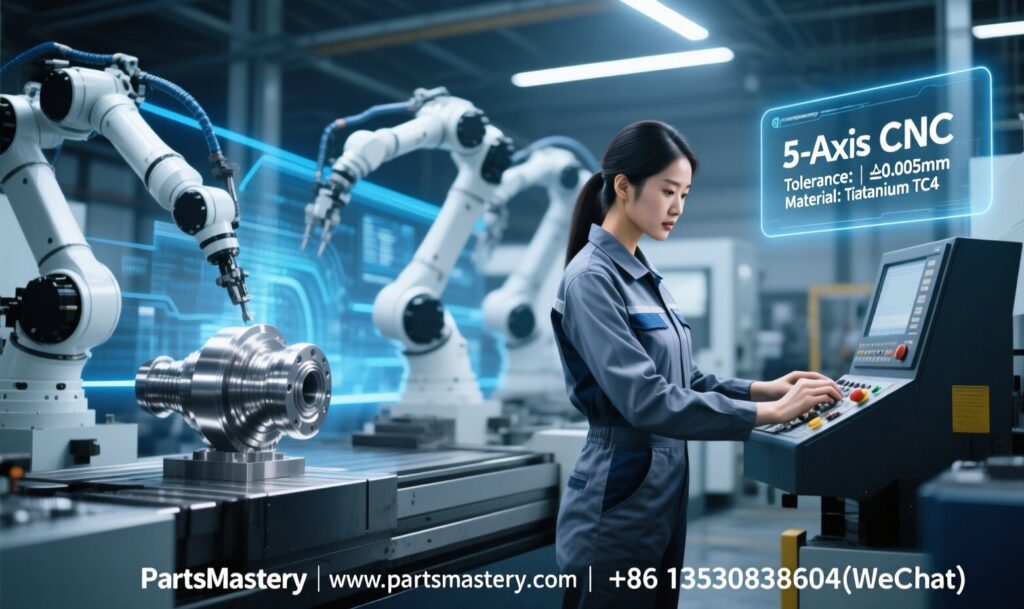
現代の製造業界において、今日見られるようなプラスチック製品の規模と複雑さを実現した技術は、 射出成形金型. 自動車のダッシュボードからノートパソコンの筐体、医療機器の部品から消費財のパッケージに至るまで、射出成形金型は、ポリマーのペレットを機能的な完成品へと変える「陰の立役者」であり、驚くほど一貫した品質で、何百万回となくその役割を果たしています。.
射出成形金型とは、精密に加工された金型であり、2つの主要な半金型(固定されるキャビティ側と可動するコア側)から構成され、これらを合わせると閉じた空間が形成されます。 この空間に溶融プラスチックが高圧で射出され、そこで冷却・固化してキャビティの形状に正確に成形されます。金型が開くと、エジェクタピンが完成品を押し出し、このサイクルが繰り返されます。適切に設計された1つの射出成形金型であれば、大規模なメンテナンスが必要になるまで、100万個以上の部品を生産することができます。.
量産用射出成形金型の構造
「プラスチックを型に押し込んで成形する」という一見単純な工程の背後には、複雑な機械システムが隠されています。プロ仕様の射出成形金型は、いくつかの重要なサブシステムで構成されており、それぞれのサブシステムが毎サイクル、完璧に機能しなければなりません。.
金型ベース
金型全体の土台となる部分です。金型ベースは、すべての構成部品を正確な位置合わせで保持し、射出成形機のプラテンに直接取り付けられます。 標準的な金型ベース(DME、Hasco、Misumiなどのサプライヤー製)は、あらかじめ焼入れ処理された鋼材(通常はP-20、HRC約30~36)から製造されており、ガイドピン、ブッシュ、リターンピンがすでに組み込まれています。.
キャビティとコア
キャビティとは、射出成形金型の固定側部分であり、部品の外面を形成するものです。コアとは、可動側部分であり、内面を形成するものです。これら2つが組み合わさることで、部品の形状が決まります。キャビティとコアは通常、焼入れ工具鋼(H-13、S-7、またはステンレス)から機械加工され、特殊なコーティングや表面処理が施されることもあります。.
ランナー・システム
成形機のノズルからキャビティへ溶融プラスチックを供給する流路のネットワーク。コールドランナー方式では、ランナーが成形品に残り、取り出し後に切り取られる。ホットランナー方式では、加熱されたノズルを用いてプラスチックを溶融状態に保つため、ランナーのスクラップが発生せず、サイクルタイムを短縮できる。.
『ザ・ゲート』
溶融プラスチックがキャビティに入る小さな開口部。ゲートの位置、サイズ、および種類(エッジゲート、サブマリンゲート、ファンゲート、ダイアフラムゲート)は、部品の外観、充填パターン、および残留応力に直接影響を及ぼします。.
冷却システム
金型プレートを貫通する、穴あき水路のネットワーク。温度制御は、射出成形のサイクルタイムにおいて、おそらく最も重要な要素である。効率的な冷却は、サイクルタイムを短縮し、部品の品質を向上させ、反りを最小限に抑える。.
排出システム
射出成形金型が開く際に、固化した部品をコアから押し出すためのエジェクタピン、スリーブ、またはプレート。エジェクタの設計が不適切だと、部品の変形、部品の取り出し不良、あるいは金型自体の損傷を引き起こす可能性がある。.
射出成形のサイクル:段階ごとの解説
射出成形金型の仕組みを理解するには、その全工程を追う必要があります。この工程は、部品のサイズや材質によって異なりますが、通常5秒から60秒ほどかかります。.
クランプ(1~5秒): 可動プラテンが前進し、射出成形金型を閉じ、射出圧力に抗して金型を閉じた状態に保つために、型締力(通常、成形品の投影面積1平方インチあたり10~50トン)が加えられる。.
注入(0.5~5秒): スクリューが回転して前進し、溶融プラスチックをノズル、ランナーシステム、ゲートを経て金型キャビティ内に押し込みます。射出圧力は1,000~2,500 bar(15,000~35,000 psi)に達することがあります。.
パッキングとホールド(2~10秒間): キャビティへの充填が完了した後、材料が冷却される際の収縮を補うために、追加のプラスチックが充填されます。保持圧力は通常、射出圧力の50~80%です。.
冷却(5~40秒): プラスチックから水冷式の金型プレートへと熱が伝達されるにつれて、成形品は射出成形金型内で固化します。通常、冷却にはサイクルタイム全体の60~80%が費やされます。.
金型の開閉およびエジェクション(1~3秒): 金型が開き、エジェクタピンが前進して部品をコアから押し出し、部品は回収箱またはコンベアに落下します。.
射出成形金型の重要な設計パラメータ
高品質な部品を効率的に生産する射出成形金型を設計するには、相反する複数の要素のバランスをとることが必要となります。.
ドラフト角度
射出成形金型のすべての垂直面には、成形品をスムーズに抜き出すためにテーパー(抜き勾配)を設ける必要があります。ほとんどの材料では、片側あたり最低1度のテーパーが必要ですが、表面に凹凸がある場合は片側あたり3~5度必要です。テーパーがゼロの場合、成形品が金型に固着したり、金型が損傷したりすることは確実です。.
壁厚
壁厚を均一に保つことは、射出成形金型の設計における鉄則です。壁厚にばらつきがあると冷却が不均一になり、ヒケ、反り、内部応力が生じます。推奨される壁厚の範囲は、ほとんどのエンジニアリングプラスチックにおいて0.5~3.0 mmです。.
収縮補正
すべてのプラスチックは冷却に伴い収縮します。この収縮を考慮して、射出成形金型のキャビティは余裕を持たせて加工する必要があります。 代表的な収縮率:ポリプロピレン(1.0~2.5%)、ABS(0.4~0.7%)、ナイロン(0.7~2.0%)、ポリカーボネート(0.5~0.7%)。.
エジェクタピンの配置
エジェクタピンは、部品が最も剛性の高い場所、つまりリブ、ボス、角の近くに配置する必要があります。薄くて平らな部分にエジェクタピンを配置すると、目立つ跡が残ったり、部品が変形したりする原因となります。.
射出成形金型の製作における材料選定
射出成形金型自体は、成形対象となるプラスチックよりも硬度が高く、耐摩耗性に優れている必要があります。一般的な金型用鋼材には、次のようなものがあります:
P-20(予備硬化)
射出成形金型製作の主力材料です。30~36 HRCの硬度で出荷されるP-20は、熱処理を施さなくても機械加工が可能です。50万~100万個までの生産に適しています。試作金型や小~中ロットの金型に最適です。.
H-13(火気作業用鋼)
高温材料(ガラス繊維強化ナイロン、PEEK、PPS)を成形する射出成形金型に使用されます。H-13は46~52 HRCまで焼入れが可能で、高温(最大600°C)下でもその特性を維持します。.
S-7(耐衝撃鋼)
衝撃の強い環境や、金型の薄肉部分がある射出成形金型に使用されます。S-7は優れた靭性を備えており、54~58 HRCまで焼入れが可能です。.
420ステンレス鋼
腐食性材料(PVC、難燃剤添加POM)の射出成形や、医療用途および食品接触用途に使用されます。硬化後の硬度は48~52 HRCとなります。.
アルミニウム(7075、QC-10)
試作用射出成形金型や少量生産(10,000個未満)に使用されます。アルミニウム製の金型は加工が速く、冷却効率も高いですが、摩耗が早いという特徴があります。.
射出成形における一般的な欠陥と是正措置
どんなに優れた射出成形金型であっても、時折不良品が生じることはあります。効果的な是正を行うためには、根本原因を特定することが不可欠です。.
ショートショット(充填不足)
金型キャビティが完全に充填されない。原因:射出圧力が不足している、溶融温度が低い、またはゲートが詰まっている。対策:射出圧力または温度を上げる。ランナー系に詰まりがないか確認する。.
フラッシュ(余分な素材)
パーティングラインやエジェクタピンから薄いプラスチックフィルムが漏れ出ている。原因:射出圧が高すぎる、型締力が不十分、または金型のシール面が損傷している。対策:射出圧を下げるか、損傷した金型鋼を修理する。.
シンクのへこみ
肉厚部分(リブ、ボス)の反対側の部品表面に目に見えるへこみが生じている。原因:充填圧力または冷却が不十分である。対策:充填時間を延長するか、肉厚を薄くするか、またはゲートを肉厚部分に近づける。.
焼け跡
部品に変色や焦げ跡が見られる。原因:閉じ込められた空気が圧縮・加熱され、プラスチックが劣化してしまったため。対策:空気が逃げられるよう、通気孔(深さ0.02~0.05 mm)を設ける。.
溶接線
2つの流動前線が交わる部分に目に見える線が生じる。原因:流動前線が融合する前に材料が急速に冷却されるため。対策:溶融温度または金型温度を上げる。または、ゲートの位置を変更して、ウェルドラインを重要でない領域に移動させる。.
ホットランナー型とコールドランナー型の射出成形金型
射出成形金型の設計において、最も重要な決定事項の一つがランナーシステムである。.
コールドランナー成形金型
ランナーは金型プレートに機械加工され、成形品とともに冷却されます。取り出し後、ランナーは(手作業またはロボットによって)切り取られ、再研磨されるか、廃棄されます。 利点:金型コストが低く、設計が簡素である。欠点:材料のロスが生じる(射出重量の15~30%)、サイクルタイムが長くなる、トリミング作業に人手がかかる。.
ホットランナー成形金型
加熱ノズルにより、ランナーシステム内のプラスチックは溶融状態が維持されます。固化するのは成形品のみです。 利点:ランナースクラップが発生しない(15~30%の材料を節約)、サイクルタイムの短縮、完全自動化された運転。欠点:金型コストが高くなる(30~50%増)、メンテナンスが複雑になる。.
現代の射出成形金型設計におけるシミュレーションの役割
現代の射出成形金型の設計では、Moldflow や類似のシミュレーションソフトウェアが広く活用されています。エンジニアは、デジタル金型にプラスチックを仮想的に「射出」することで、以下の予測を行うことができます:
-
充填パターンと流動前線
-
溶接線の位置
-
エアトラップの位置
-
冷却時間と温度分布
-
反りおよび残留応力
この仮想試作により、物理的な金型試作にかかる期間を数週間から数日に短縮し、コストのかかる手直し作業をなくすことができます。.
結論
射出成形金型は、単にキャビティを備えた金属の塊というだけのものではありません。それは、流体力学、熱伝達、材料科学、そして機械工学のバランスが取れた精密な機械システムなのです。プラスチック製品を市場に投入する企業にとって、射出成形金型の品質は、部品の品質、生産コスト、そして納期の確実性を直接左右するものです。.
で パーツマスター, 当社は、量産における実際のニーズに合わせて射出成形金型を設計・製造しています。当社の金型専門チームは、お客様の部品の形状、材料選定、生産数量の要件を分析した上で、市場テスト用のアルミニウム製試作金型から、数百万個規模の量産向けの焼入れ鋼製ホットランナー金型に至るまで、最適な射出成形金型のソリューションをご提案いたします。.
プラスチック部品の量産準備は整いましたか?今すぐPartsMasteryまでお問い合わせください: 電話またはメッセージ +86 13530838604 (WeChat) お客様の射出成形金型の要件についてご相談承ります。設計コンサルティングから完成した金型の納品に至るまで、確かな性能を発揮する精密な製品をお届けします。.