






Fábricas de moldes
Por trás de cada componente de plástico que impulsiona a vida moderna — desde interiores de automóveis e dispositivos médicos até caixas de aparelhos eletrónicos e eletrodomésticos — está uma fábrica de moldes. Estas instalações de fabrico especializadas são os heróis anónimos da produção industrial, transformando aço em bruto e tecnologias avançadas de maquinagem em ferramentas de precisão capazes de produzir milhões de peças idênticas com precisão microscópica. Compreender como funcionam as fábricas de moldes, o que distingue as instalações de classe mundial das medianas e como avaliar potenciais parceiros de fabrico é essencial para qualquer empresa que dependa da moldagem por injeção, da moldagem por sopro ou de outros processos de moldagem de plástico.
A anatomia de uma fábrica moderna de moldes
Uma fábrica de moldes é muito mais do que uma oficina mecânica. É um ecossistema sofisticado que engloba engenharia de conceção, maquinagem de precisão, tratamento térmico, garantia de qualidade e montagem. As instalações mais avançadas integram fluxos de trabalho digitais, desde o conceito inicial até à entrega final da ferramenta, garantindo que cada cavidade, núcleo e canal de arrefecimento cumpra especificações rigorosas.
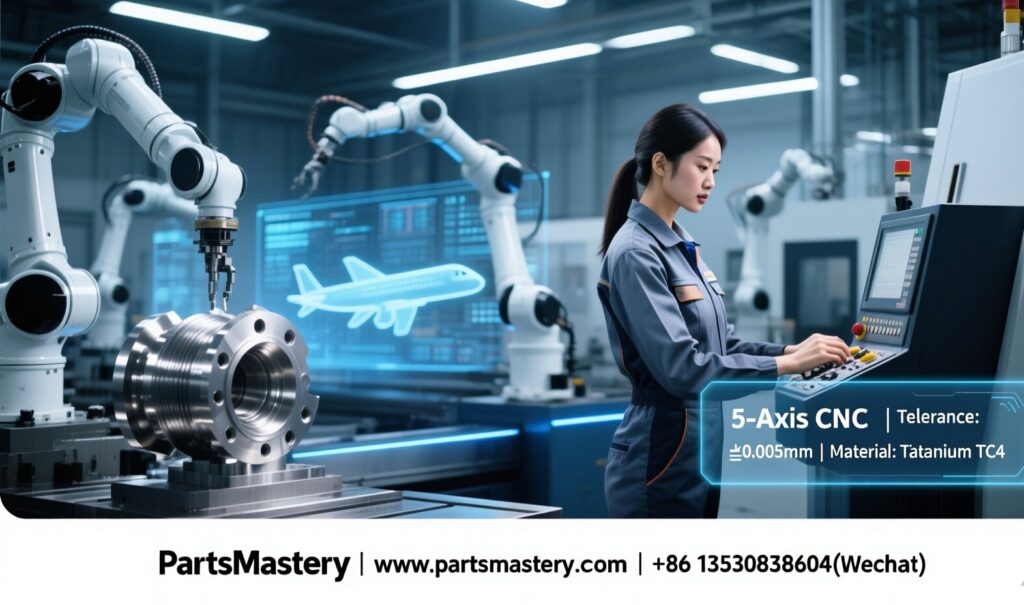
No coração de cada fábrica de moldes encontra-se a sala de ferramentas — um ambiente cuidadosamente controlado onde máquinas de controlo numérico computadorizado, equipamentos de maquinagem por descarga elétrica e estações de retificação de precisão funcionam 24 horas por dia. Os centros de maquinagem CNC de cinco eixos revolucionaram o fabrico de moldes, permitindo geometrias complexas que antes eram impossíveis de alcançar. Ao contrário das máquinas tradicionais de três eixos, os sistemas de cinco eixos podem abordar uma peça de trabalho a partir de praticamente qualquer ângulo, maquinando recortes, contornos complexos e detalhes finos numa única configuração. Esta capacidade reduz drasticamente o tempo de produção, ao mesmo tempo que melhora o acabamento superficial e a precisão dimensional.
A EDM complementa a maquinagem CNC ao tratar de características que as ferramentas de corte rotativas não conseguem alcançar — cantos internos acentuados, nervuras profundas e estreitas, texto fino e cavidades complexas. Os sistemas modernos de EDM utilizam fluidos dielétricos avançados e algoritmos de controlo adaptativo para obter acabamentos superficiais medidos em micrómetros, eliminando a necessidade de um polimento manual extensivo em muitas aplicações.
O processo de electroerosão por fio merece especial atenção em qualquer discussão sobre as capacidades de uma fábrica de moldes. Esta tecnologia utiliza um elétrodo de fio de latão ou revestido, em movimento contínuo, para cortar perfis precisos em aço temperado. A electroerosão por fio destaca-se na produção de orifícios para pinos ejetores, pinos de núcleo e superfícies de fecho complexas, com tolerâncias medidas em dez milésimos de polegada. Para moldes com múltiplas cavidades que requerem inserções idênticas, a EDM por fio oferece uma repetibilidade inigualável.
O processo de fabrico de moldes: do projeto à entrega
O percurso desde as especificações do cliente até ao molde acabado segue uma sequência rigorosa de etapas, cada uma das quais exige conhecimentos especializados e uma atenção meticulosa aos pormenores.
Conceção e Engenharia representa a fase mais crítica da produção de moldes. Os projetistas de moldes experientes começam pela geometria da peça do cliente, normalmente fornecida como um modelo CAD 3D. Têm de determinar a linha de separação ideal — a superfície onde as duas metades do molde se separam —, bem como a localização das entradas, os sistemas de canais de alimentação, a disposição dos canais de arrefecimento e os mecanismos de ejeção. Os fluxos de trabalho de conceção modernos incorporam software de análise de fluxo de moldagem que simula o processo de moldagem por injeção antes de qualquer corte de metal. Esta simulação prevê a forma como o plástico fundido irá preencher a cavidade, identificando potenciais defeitos, tais como bolsas de ar, linhas de soldadura, marcas de afundamento e deformações. Ao resolver estas questões digitalmente, as fábricas de moldes poupam semanas de iterações de tentativa e erro e milhares de dólares em custos de retrabalho.
Seleção de materiais influencia diretamente o desempenho e a vida útil do molde. Para aplicações de protótipos ou de baixo volume, os moldes de alumínio permitem uma usinagem rápida e custos mais baixos, embora, normalmente, tenham uma duração de apenas 5 000 a 10 000 ciclos antes que o desgaste se torne um problema. Para volumes de produção superiores a 100 000 peças, são obrigatórios os aços para ferramentas temperados, como o H13, o S7, ou os tipos de aço inoxidável, como o S136. Estes materiais resistem às altas pressões, aos ciclos térmicos e aos enchimentos abrasivos presentes em muitas resinas de engenharia. As melhores fábricas de moldes mantêm inventários extensos de aço para ferramentas certificado e podem fornecer certificações de materiais rastreáveis até às siderurgias de origem.
Usinagem de desbaste e tratamento térmico Preparar a base do molde e as cavidades para o acabamento. As operações de desbaste removem a maior parte do material em excesso através de técnicas de fresagem de alta velocidade. Após a usinagem de desbaste, os componentes críticos são submetidos a tratamento térmico para atingir os níveis de dureza pretendidos — normalmente 48 a 52 HRC para moldes de uso geral e 54 a 58 HRC para aplicações de elevado desgaste. O tratamento térmico deve ser cuidadosamente controlado para evitar deformações ou alterações dimensionais que possam comprometer a precisão final.
Acabamento, Usinagem e Polimento transformar peças em bruto em ferramentas de precisão capazes de produzir peças esteticamente perfeitas. A fresagem de alta precisão, realizada após o tratamento térmico utilizando geometrias de fresas especializadas e controlos de máquina, permite obter dimensões finais com tolerâncias tão rigorosas quanto ±0,005 milímetros. Após a fresagem de precisão, as cavidades e os núcleos podem necessitar de polimento para obter acabamentos de superfície específicos. O acabamento necessário depende inteiramente da aplicação: as peças transparentes exigem polimento de qualidade ótica, as superfícies texturadas podem ser obtidas através de electroerosão (EDM) ou gravação química, e os componentes funcionais ocultos à vista podem aceitar acabamentos de maquinagem padrão.
Montagem e validação reunir todos os componentes. A base do molde, os insertos da cavidade, os insertos do núcleo, os pinos ejetores, os pinos de retorno, os pilares-guia e os acessórios de arrefecimento são cuidadosamente montados. O molde concluído é então encaminhado para a prensa de teste — uma máquina de moldagem por injeção dedicada ao teste de ferramentas. Durante o teste, a fábrica de moldes produz peças de amostra em várias condições de processamento, medindo dimensões críticas, inspecionando a qualidade da superfície e verificando a fiabilidade da ejeção. Quaisquer problemas identificados durante o teste resultam na desmontagem, ajuste e realização de outro teste. Este processo iterativo continua até que o molde produza consistentemente peças que cumpram todas as especificações do cliente.
Sistemas de qualidade em fábricas de moldes de nível mundial
As fábricas de moldes de excelência distinguem-se através de rigorosos sistemas de gestão da qualidade que vão muito além da inspeção final. A certificação ISO 9001 constitui uma base, mas as melhores instalações implementam controlos adicionais específicos para o fabrico de moldes.
As estações de inspeção durante o processo, posicionadas após cada operação principal de maquinagem, detetam precocemente os desvios dimensionais, quando os custos de correção são mínimos. As máquinas de medição por coordenadas, equipadas com sondas de varredura, verificam geometrias superficiais complexas em comparação com modelos CAD, gerando mapas de desvio codificados por cores que revelam as áreas que requerem acabamento adicional. Os comparadores óticos e os microscópios de ferramenteiro inspecionam características de pequenas dimensões, tais como inserções de canais de injeção e profundidades de ventilação.
A documentação e a rastreabilidade são igualmente importantes. Cada componente do molde deve ostentar um número de série único associado à certificação do material, aos parâmetros de maquinagem, aos resultados das inspeções e aos registos do tratamento térmico. Esta documentação permite a análise da causa raiz caso surjam problemas durante a produção e fornece dados valiosos para o planeamento da manutenção.
Centros globais de fabrico de moldes
A geografia da produção de moldes sofreu uma mudança drástica nas últimas três décadas. A China emergiu como o principal produtor mundial, abrigando milhares de fábricas de moldes concentradas em clusters industriais especializados. Dongguan e Shenzhen, no Delta do Rio das Pérolas, destacam-se na produção de moldes de alta precisão para produtos eletrónicos e bens de consumo, oferecendo prazos de entrega rápidos e preços competitivos. Ningbo e Taizhou, perto de Xangai, concentram-se em moldes para o setor automóvel e de grande formato, beneficiando de cadeias de abastecimento maduras para componentes padrão de moldes, canais quentes e aço para ferramentas.
A Alemanha mantém uma posição forte no fabrico de moldes de alta gama, especialmente para aplicações automóveis e médicas, onde a precisão, a fiabilidade e a documentação são fundamentais. As fábricas de moldes alemãs costumam cobrar preços elevados, mas oferecem uma qualidade e um apoio excecionais. Portugal desenvolveu uma indústria especializada no fabrico de moldes que serve clientes europeus do setor automóvel, oferecendo uma alternativa económica aos fornecedores alemães, mantendo ao mesmo tempo a proximidade aos principais mercados.
Como escolher a fábrica de moldes certa
A escolha de uma fábrica de moldes requer uma avaliação cuidadosa das capacidades técnicas, da capacidade de produção, dos sistemas de qualidade e das condições comerciais. Os compradores devem solicitar informações detalhadas sobre o parque de máquinas da fábrica, incluindo as especificações dos equipamentos CNC e EDM, as capacidades máximas de tamanho e peso dos moldes e os equipamentos de inspeção disponíveis. As referências de clientes anteriores em setores semelhantes fornecem informações valiosas sobre a fiabilidade, a comunicação e a capacidade de resolução de problemas.
Os acordos relativos à propriedade de ferramentas exigem uma atenção especial. Surgem muitas disputas quando os clientes partem do princípio de que são proprietários de um molde, mas descobrem que a fábrica reivindica a propriedade ou que o acordo contém cláusulas ambíguas. Um contrato escrito claro, que especifique a propriedade, as responsabilidades de armazenamento, as obrigações de manutenção e as condições de transferência, protege ambas as partes e evita conflitos dispendiosos no futuro.
A relação entre um cliente e uma fábrica de moldes vai além da construção inicial do molde. Os moldes de produção requerem manutenção periódica — limpeza dos canais de arrefecimento, substituição de pinos ejetores gastos, renovação das superfícies polidas e inspeção para detetar fissuras ou danos. As fábricas que oferecem serviços de manutenção contínua e apoio na disponibilização de peças sobressalentes proporcionam um valor significativo a longo prazo.
O Futuro da Fabricação de Moldes
Várias tendências transformadoras estão a redefinir a forma como as fábricas de moldes operam. A fabrico aditivo, vulgarmente conhecida como impressão 3D, está a encontrar aplicações em canais de arrefecimento conformes — passagens internas complexas que seguem os contornos da cavidade do molde. Estes canais, impossíveis de maquinar utilizando métodos tradicionais, reduzem drasticamente os tempos de arrefecimento e melhoram a qualidade das peças. Máquinas híbridas que combinam a fusão a laser em leito de pó com o acabamento CNC estão a começar a surgir em fábricas de moldes de ponta.
A digitalização é outra força poderosa. Sensores inteligentes incorporados nos moldes monitorizam a temperatura, a pressão e o número de ciclos, transmitindo dados para plataformas de análise baseadas na nuvem. Esta informação permite a manutenção preditiva, a otimização de processos e a garantia de qualidade em tempo real. Algumas fábricas implementaram gémeos digitais — réplicas virtuais de moldes físicos — que permitem aos clientes simular ciclos de produção e validar projetos remotamente.
As pressões em matéria de sustentabilidade também estão a impulsionar a inovação. As fábricas estão a adotar estratégias de maquinagem energeticamente eficientes, a reciclar líquidos de arrefecimento e de corte e a minimizar o desperdício de material através de um agrupamento otimizado e de pré-formas com formato próximo do final. Alguns clientes solicitam agora dados relativos à pegada de carbono dos seus moldes, incentivando as fábricas a medir e a reduzir o seu impacto ambiental.
As fábricas de moldes representam a ponte essencial entre os conceitos de produto e a realidade física. As ferramentas que produzem permitem que as indústrias fabriquem bens em escalas e com níveis de precisão inimagináveis há apenas uma geração. Para as empresas que pretendem lançar componentes de plástico no mercado, compreender o que caracteriza uma excelente fábrica de moldes — e como estabelecer uma parceria eficaz com uma delas — não se resume a conhecimento técnico. Trata-se de uma vantagem competitiva.
Para obter aconselhamento especializado sobre a seleção de fábricas de moldes e soluções de ferramentas, contacte a PartsMastery.
*📞 +86 13530838604 (WeChat)*