Custom CNC Milling Services
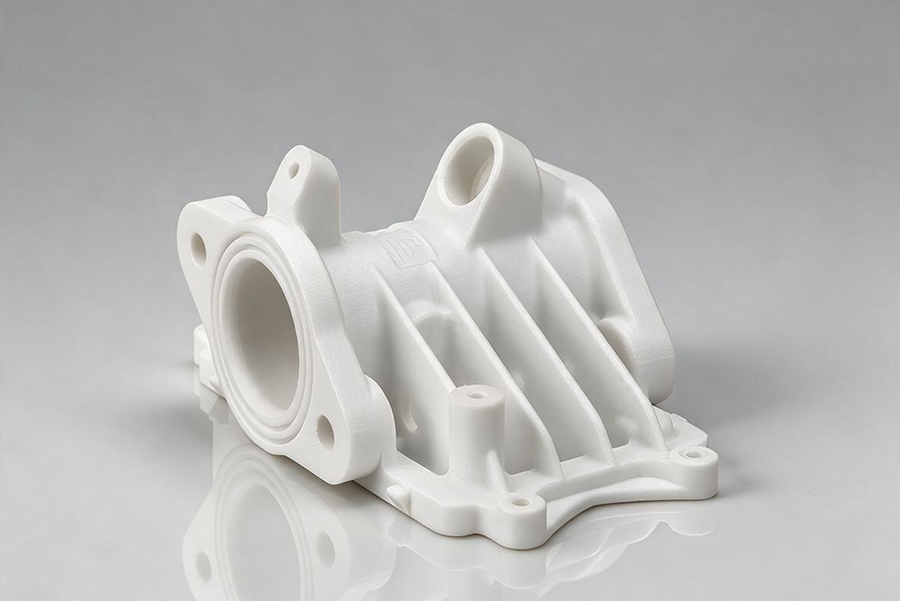
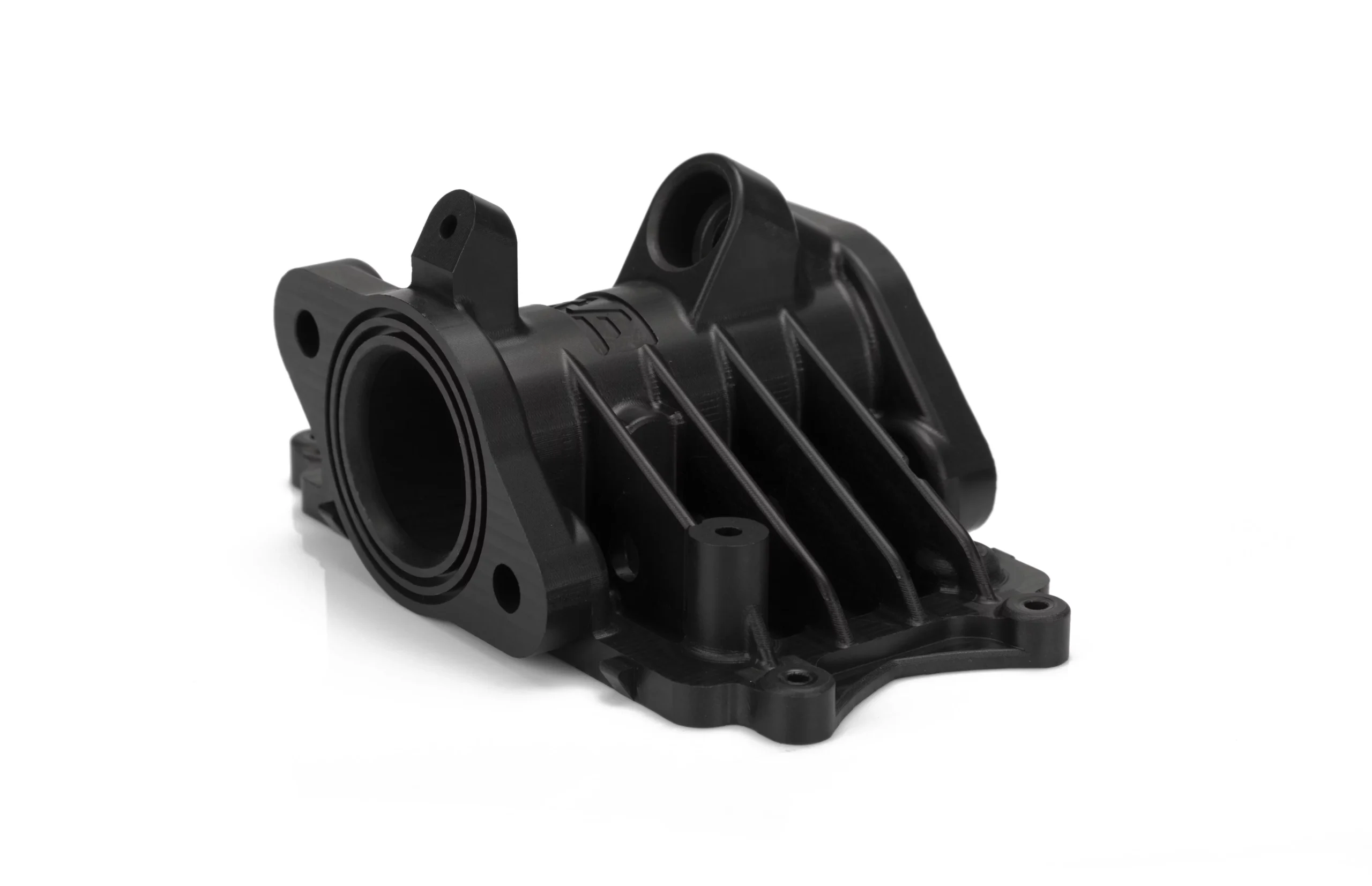
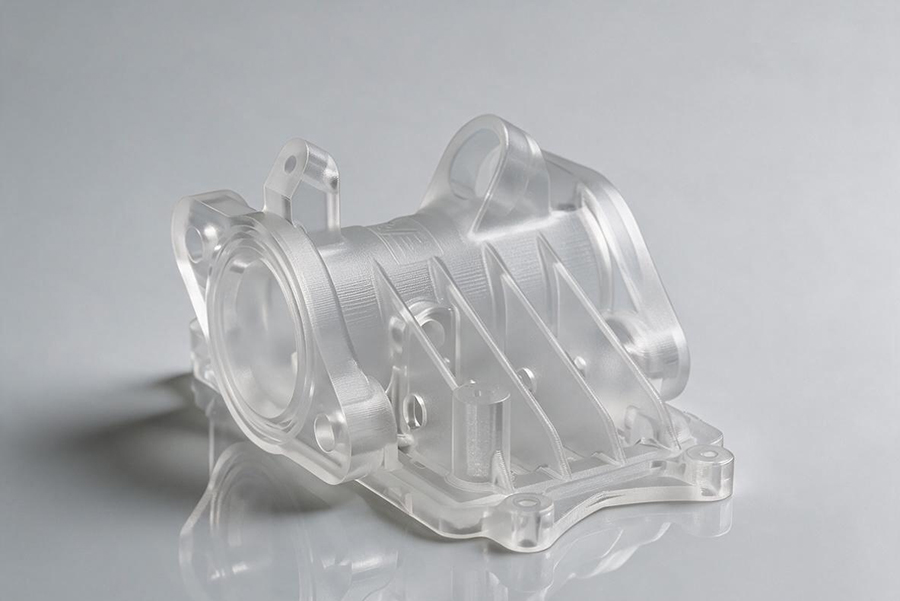
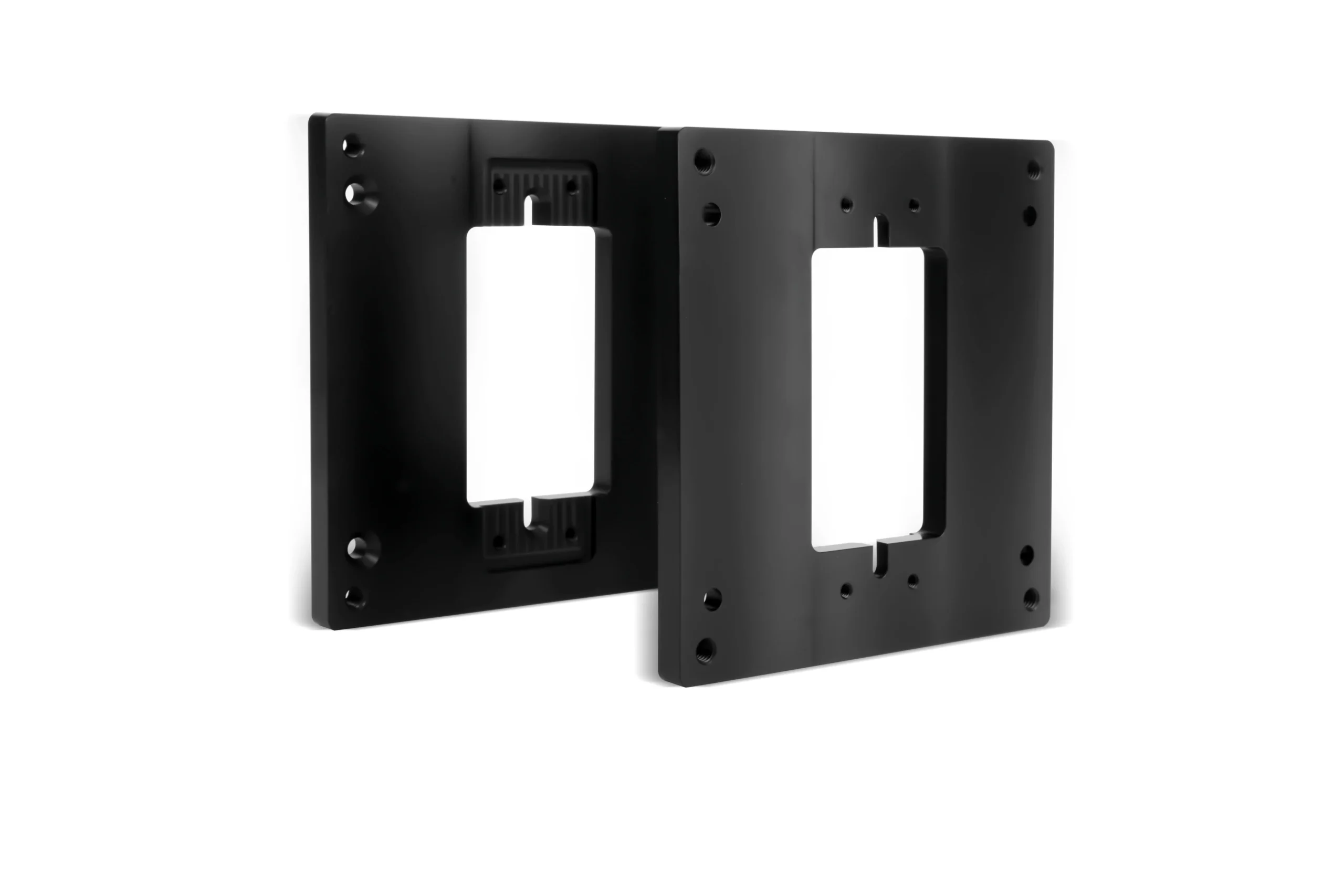
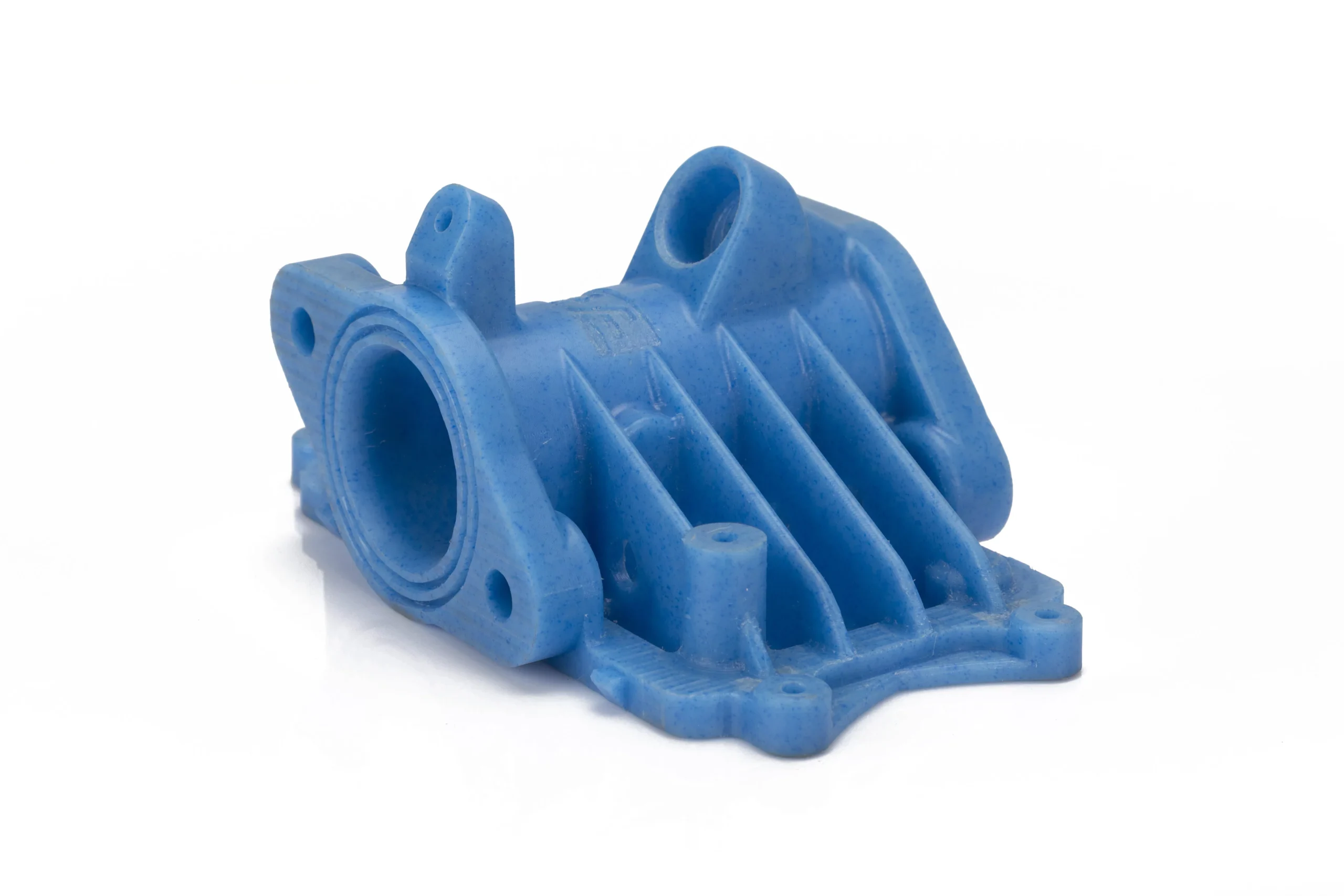
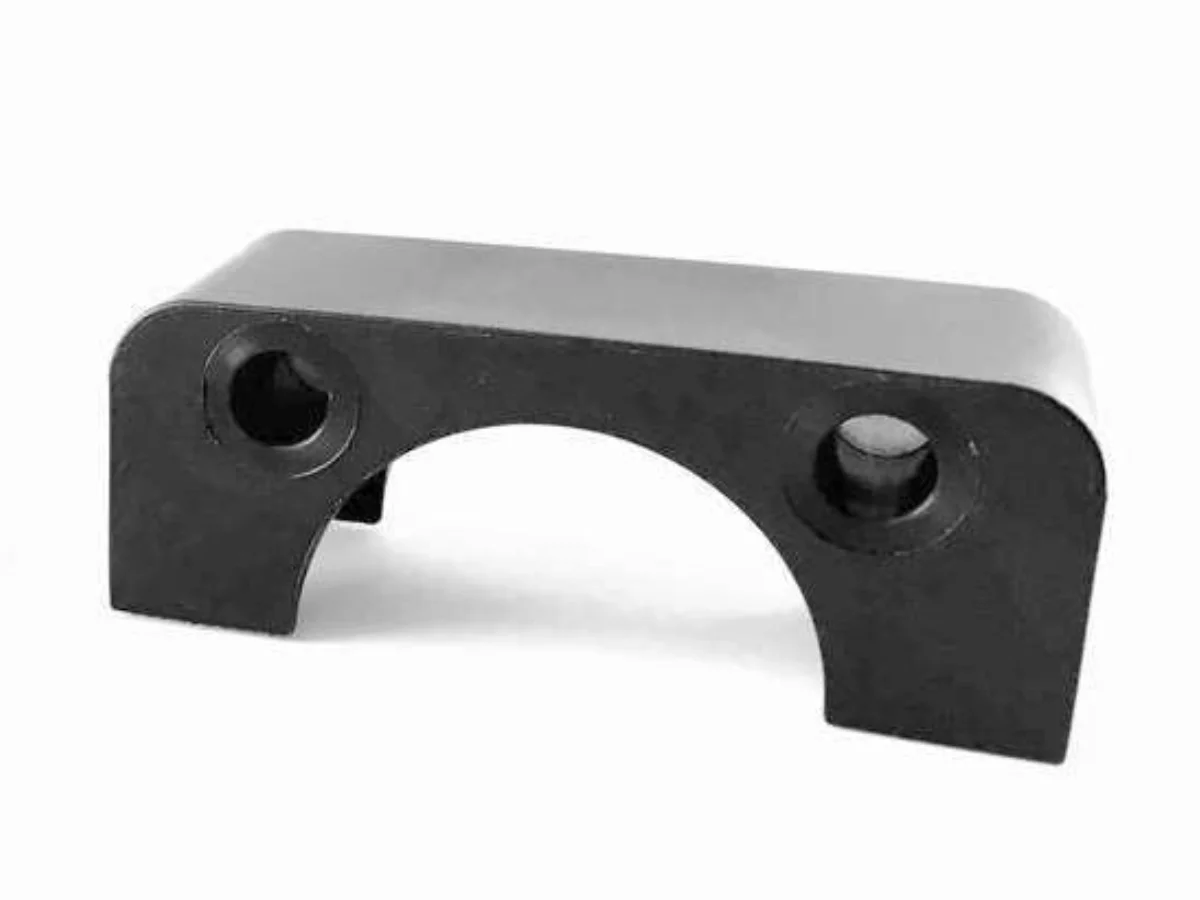
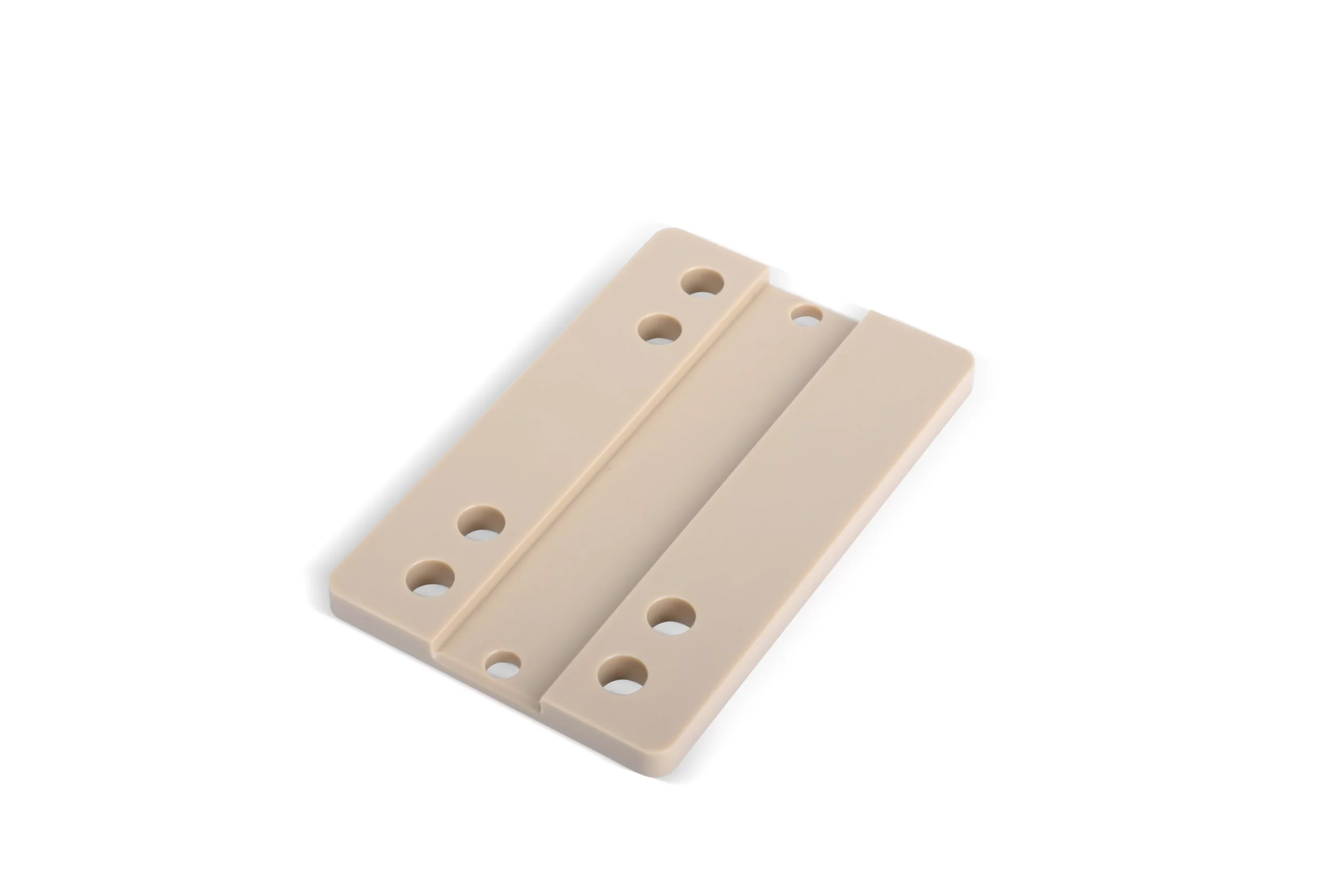
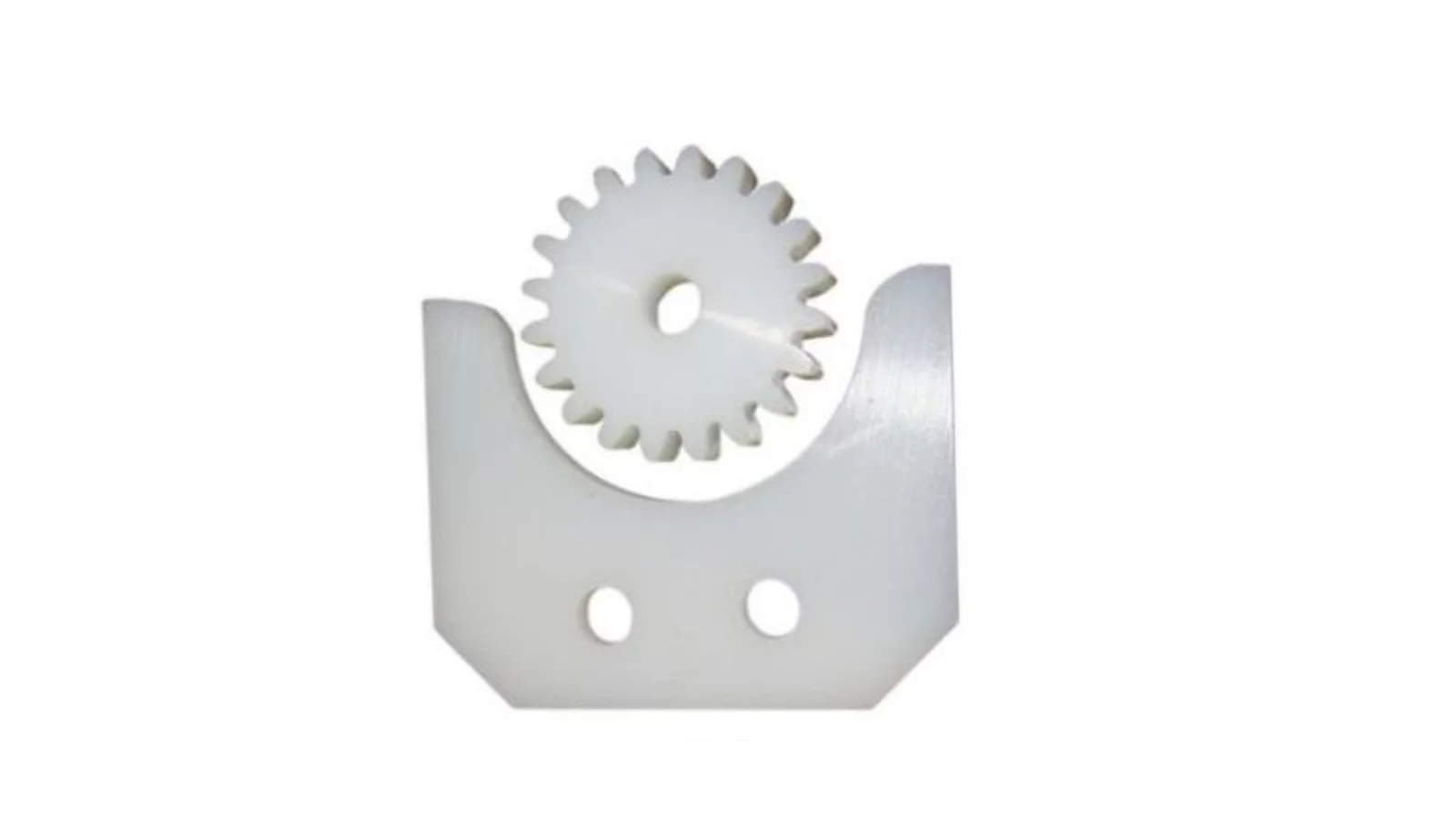
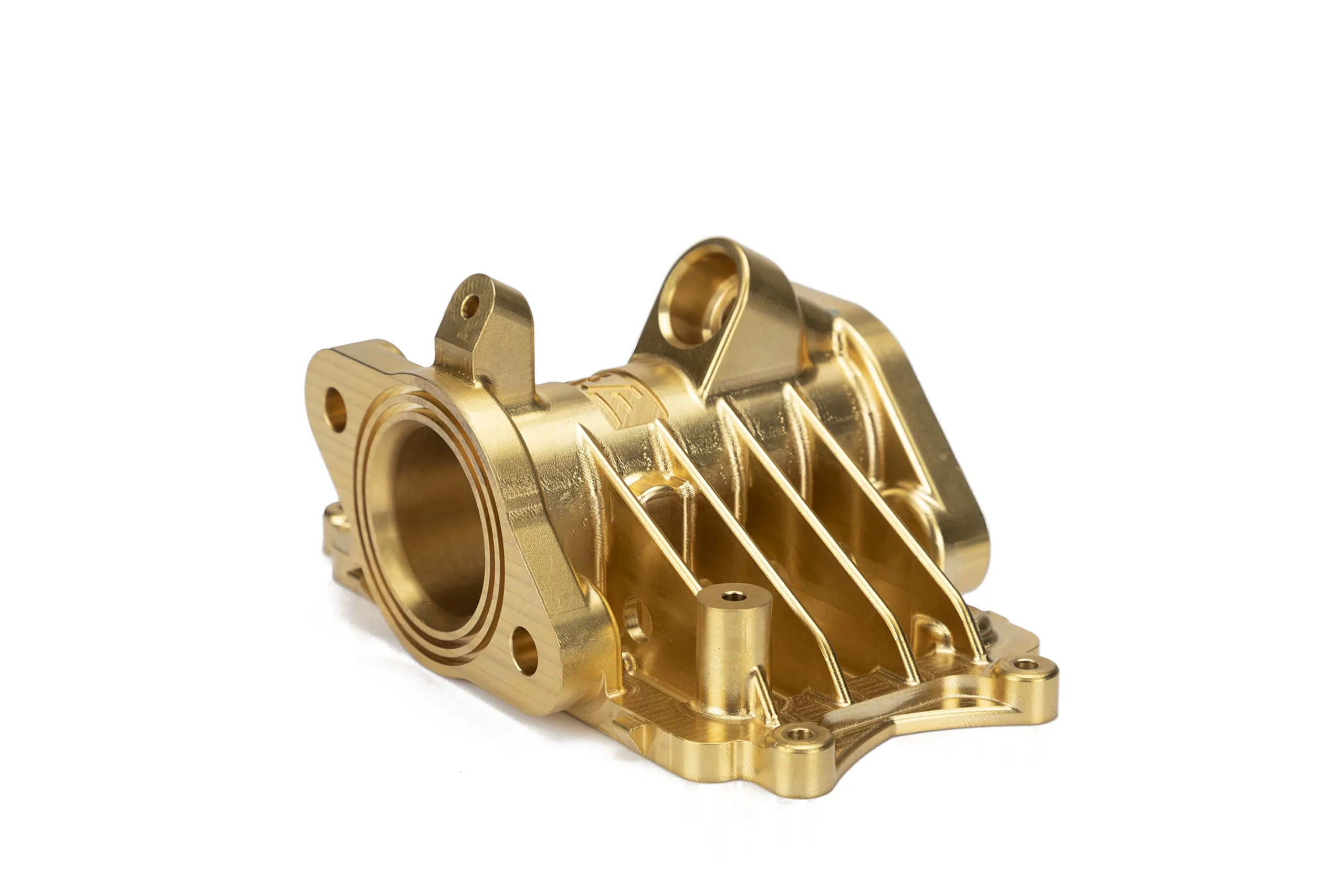
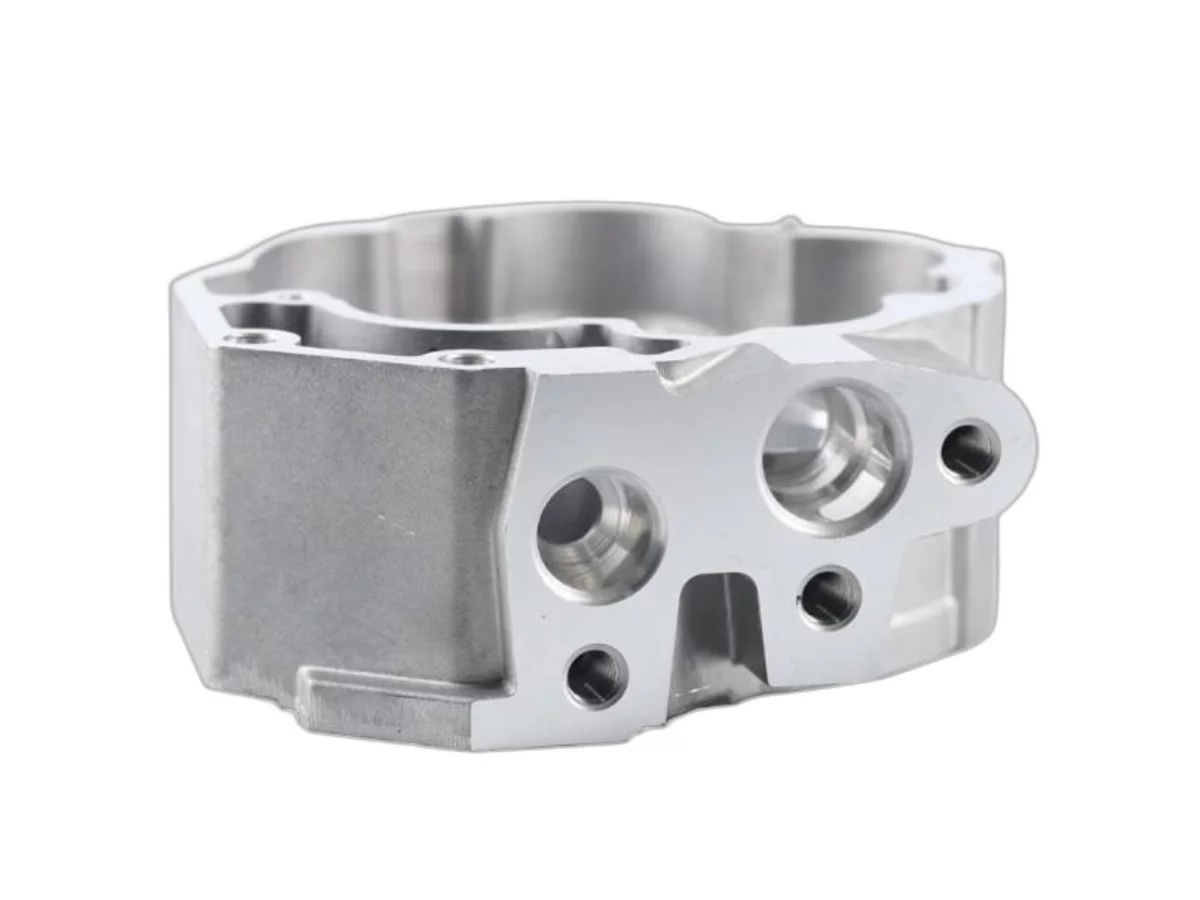
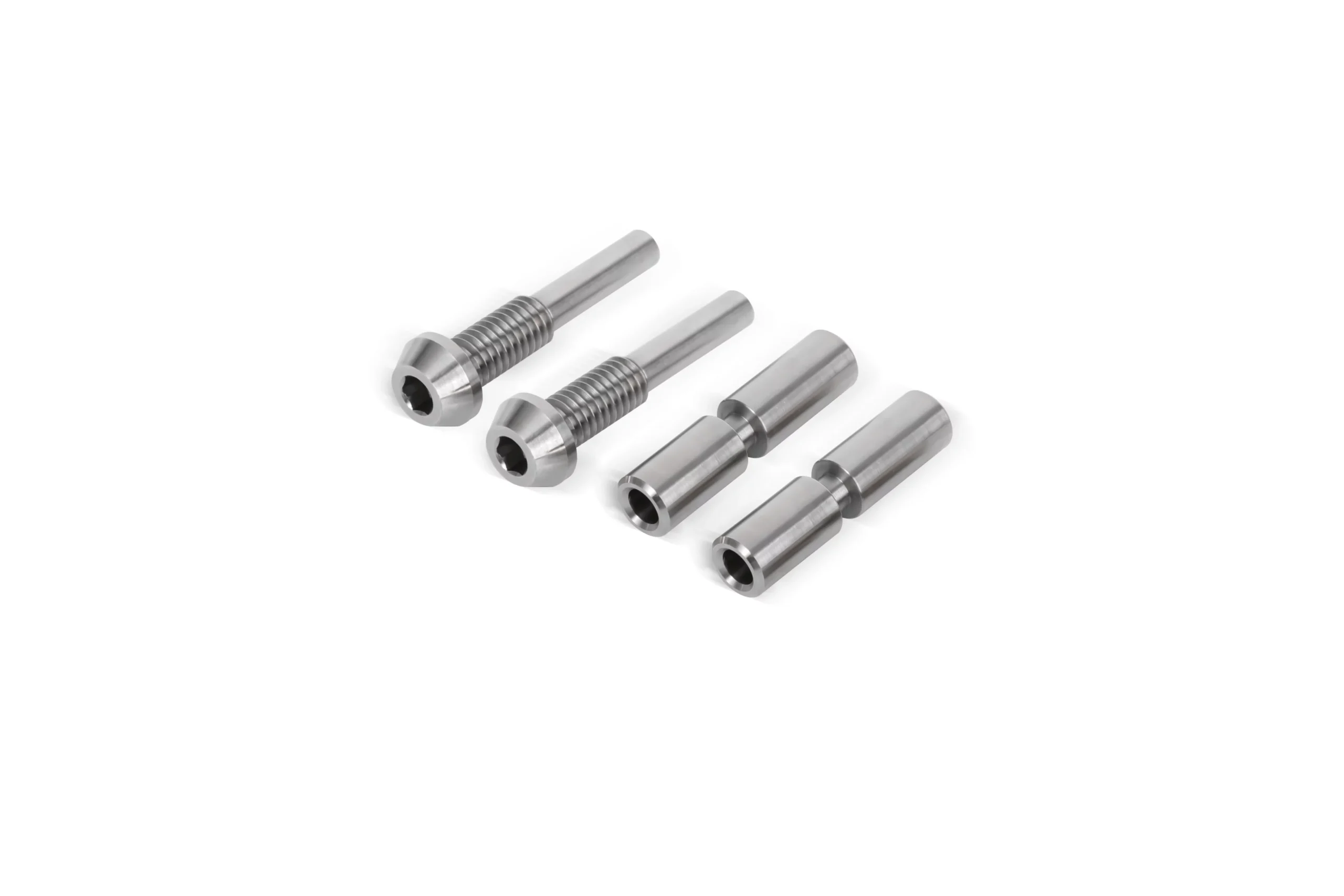
PartsMastery is a professional CNC milling company providing precision CNC milling services for metal and plastic parts. From rapid prototyping to full-scale production, we deliver custom CNC milling parts with tolerances as tight as 0.005 mm and lead times as fast as 1 day.
STEP | STP | SLDPRT | IPT | PRT | ficheiros SAT
Serviços de fresagem CNC online para peças personalizadas
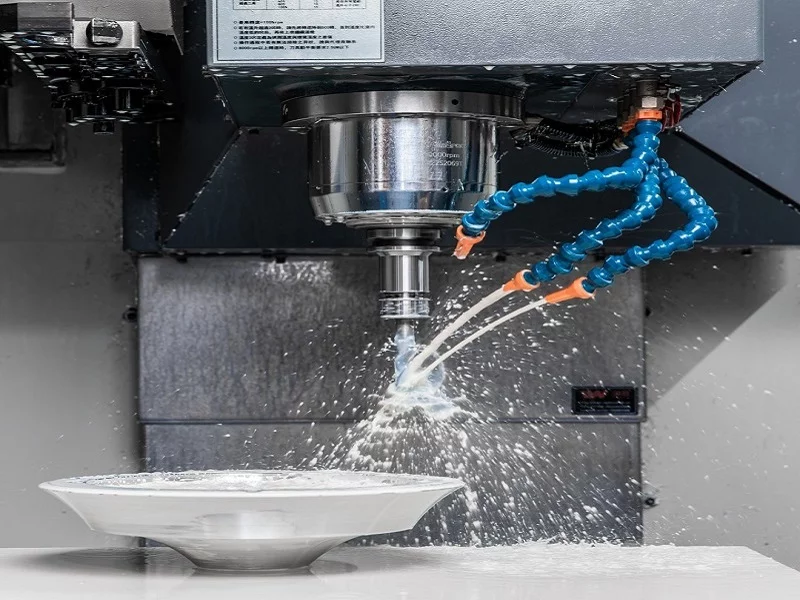
- 3-Axis CNC Milling Services
ur 3-axis CNC milling services are ideal for cost-effective machining of simple geometries. We deliver consistent accuracy for flat and prismatic parts using advanced CNC milling machines.
- 4-Axis CNC Milling Services
4-axis CNC milling allows multi-side machining in a single setup, reducing repositioning errors and improving efficiency. This service is widely used for custom CNC milling parts with complex side features.
- 5-Axis CNC Milling Services
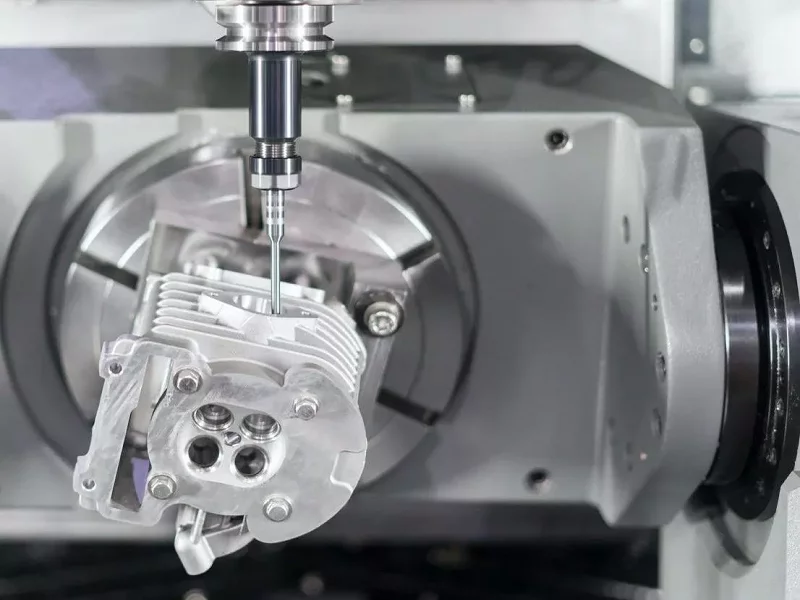
Our 5-axis CNC milling service supports highly complex and precision-critical components. It is the preferred solution for aerospace, medical, and high-tolerance CNC milling applications.
CNC Machining Solutions
Prototipagem
Prototipagem rápida
Accelerate product development with our rapid CNC machining services. We offer fast turnaround times and specialize in quick production of high-quality prototypes and mold tooling, aiding your design verification process.
Produção
Low and High-Volume Production
Whether you need small batches or large-scale production, we can offer you both. With stringent tolerance controls and comprehensive capabilities, we adapt to your volume requirements without compromising on quality.
CNC Milling Materials for Custom Parts
Our plastic and metal CNC milling solutions offer a diverse range of materials, ensuring precision and durability. This vast selection empowers our clients with optimal choices for their unique projects, boosting their product’s quality and performance.
Metals
O ABS é forte, durável e oferece boa resistência ao calor e ao impacto. É preferido para componentes automóveis e bens de consumo.
ABS Bege (Natural)
ABS preto
ABS preto anti-estático
ABS Branco leitoso
ABS+PC Preto
ABS+PC Branco
O policarbonato é extremamente durável e tem uma elevada resistência ao impacto, juntamente com uma excelente clareza, sendo utilizado para vidro à prova de bala e equipamento de proteção.
PC Preto
PC Transparente
PC Branco
PC Branco amarelado
PC+GF30 Preto
O PMMA, ou acrílico, é conhecido pela sua clareza cristalina e resistência às intempéries, o que o torna ideal para instalações exteriores e vitrinas.
PMMA Preto
PMMA Transparente
PMMA Branco
O POM é resistente, com uma superfície de baixa fricção e boa estabilidade dimensional, perfeito para peças de precisão em aplicações mecânicas.
Castanho escuro (café) POM 100AF
POM Preto
Azul POM
POM Branco
O nylon é versátil, forte e tem uma boa resistência ao atrito, sendo normalmente utilizado em engrenagens, rolamentos e outras superfícies resistentes ao desgaste.
PA(Nylon) Azul
PA6 (Nylon)+GF15 Preto
PA6 (Nylon)+GF30 Preto
PA66 (Nylon) Bege (Natural)
PA66 (Nylon) Preto
O polietileno é leve e tem uma elevada resistência ao impacto, sendo muito utilizado em embalagens e contentores.
PE Preto
PE Branco
O PEEK é conhecido pela sua resistência e força a altas temperaturas, sendo frequentemente utilizado na indústria aeroespacial e no fabrico de implantes médicos.
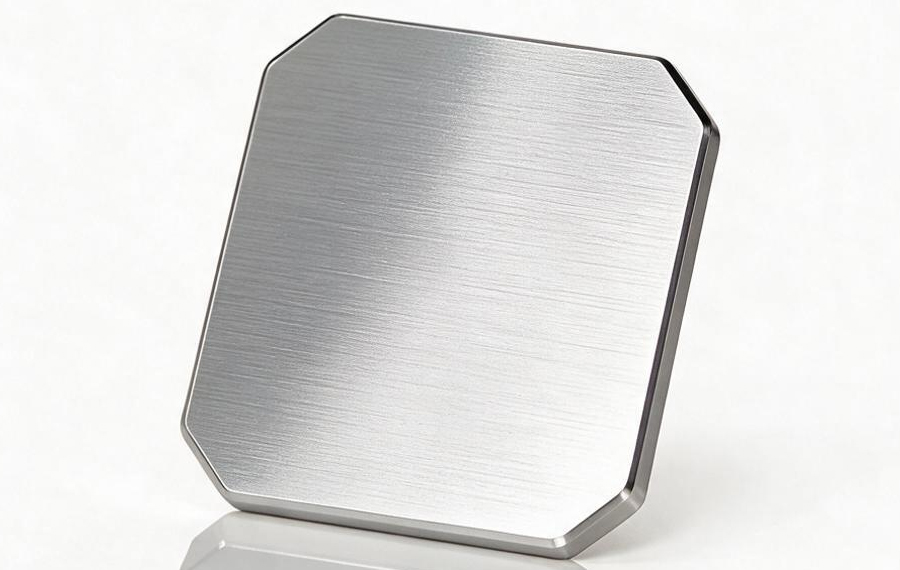
PEEK Bege (Natural)
PEEK Preto
O polipropileno é resistente, tem uma excelente resistência química e é utilizado em peças para automóveis, contentores e embalagens.
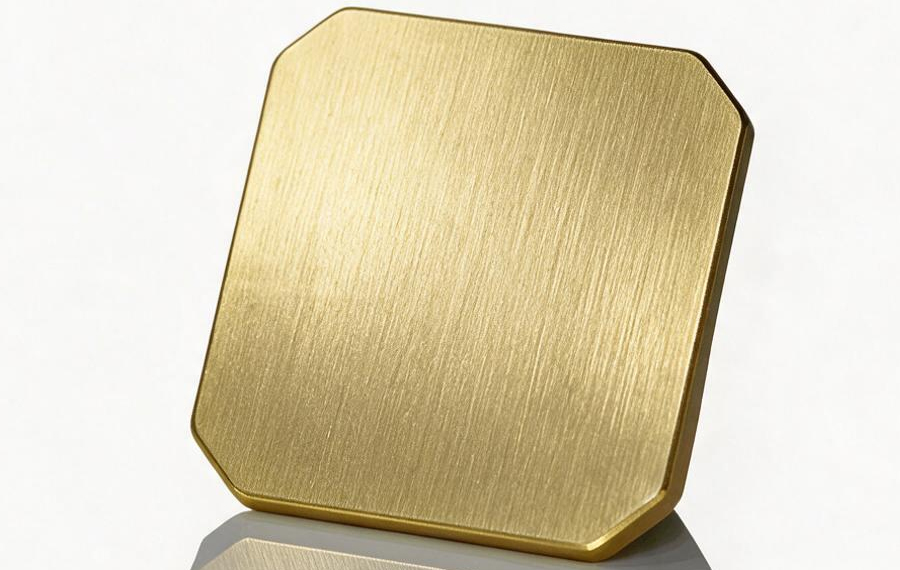
PP Preto
PP Branco
PP+GF30 Preto
O PEAD é conhecido pela sua elevada relação resistência/densidade, resistência aos impactos e é utilizado no fabrico de garrafas e tubagens resistentes à corrosão.
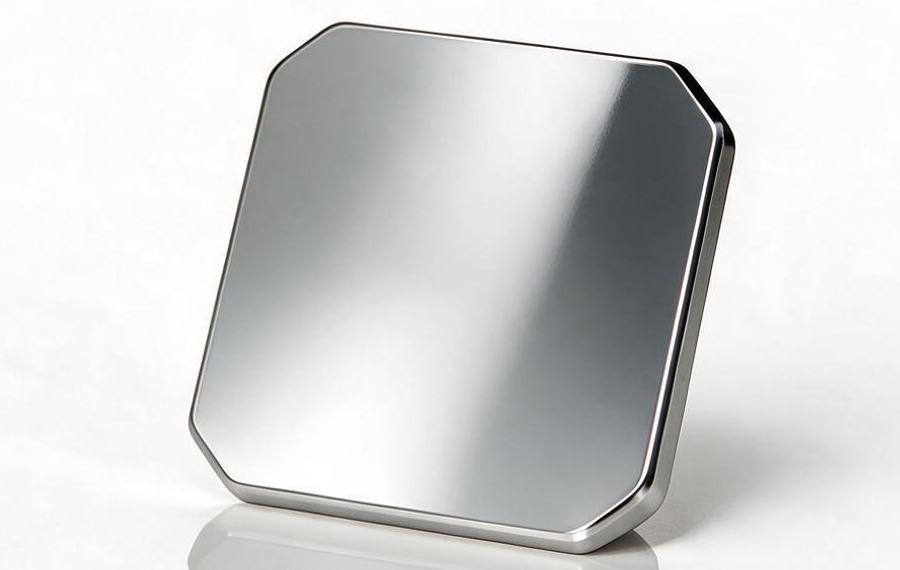
PEAD Preto
PEAD Branco
O HIPS é fácil de maquinar e oferece uma boa estabilidade dimensional e resistência ao impacto, sendo adequado para prototipagem e modelação.
Cartão HIPS Branco
O LDPE é macio, flexível e é utilizado em aplicações em que é necessária uma selagem a quente, como em tubos e sacos de plástico.
LDPE Branco
O PBT é um plástico forte e rígido, resistente ao calor e normalmente utilizado em componentes eléctricos e invólucros.
PBT Preto
PBT Branco leitoso(Natural)
O PPA oferece uma elevada resistência ao calor e rigidez, ideal para aplicações automóveis e eléctricas que exigem durabilidade a altas temperaturas.
O PAI tem uma estabilidade térmica e química excecional, sendo utilizado em peças de elevado desempenho nos sectores aeroespacial e automóvel.
PAI Castanho
O PET é forte, resistente à humidade e aos produtos químicos, e é amplamente utilizado em recipientes para alimentos e fibras têxteis.
PET Preto
PET Branco
PET+GF30 Preto
PET+GF30 Branco
O PPS apresenta uma excelente resistência química e térmica, adequada para componentes automóveis e aeroespaciais.
PPS Preto
PPS Branco
PPS+GF30 Preto
PPS+GF30 Branco
O PPS apresenta uma excelente resistência química e térmica, adequada para componentes automóveis e aeroespaciais.
PPS Preto
PPS Branco
PPS+GF30 Preto
PPS+GF30 Branco
O PVC é robusto, barato e tem boa resistência química, sendo utilizado em canalizações, dispositivos médicos e cabos.
PVC cinzento
Plásticos
Aluminum is lightweight yet strong, with excellent machinability and corrosion resistance. Ideal for aerospace and automotive parts.
Alloys
Aluminum 6061, 6061-T6
Aluminum 2024
Aluminum 5052
Aluminum 5083
Aluminum 6063
Aluminum 6082
Aluminum 7075, 7075-T6
Aluminum ADC12 (A380)
Aluminum is lightweight yet strong, with excellent machinability and corrosion resistance. Ideal for aerospace and automotive parts.
Alloys
Aluminum 6061, 6061-T6
Aluminum 2024
Aluminum 5052
Aluminum 5083
Aluminum 6063
Aluminum 6082
Aluminum 7075, 7075-T6
Aluminum ADC12 (A380)
Brass is durable and has a low friction coefficient, which makes it suitable for fittings, tools, and musical instruments that require precision.
Alloys
Brass C27400
Brass C28000
Brass C36000
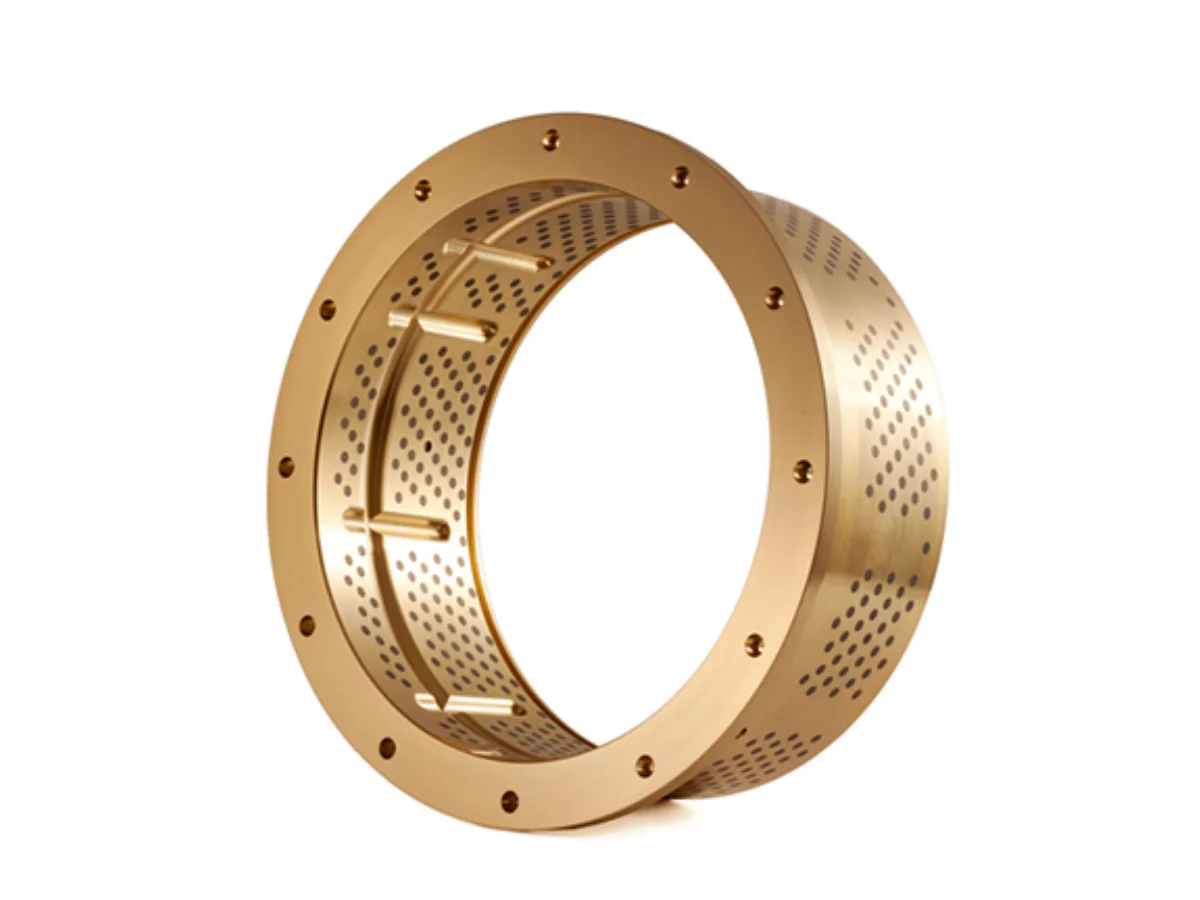
Bronze is highly resistant to corrosion and metal fatigue, favored for bearings, bushings, and marine hardware.
Alloys
Tin Bronze
Steel is an alloy with high tensile strength and durability, commonly used in construction and automotive industries for its robustness.
Alloys
Steel 1018, 1020, 1025, 1045, 1215, 4130, 4140, 4340, 5140, A36
Die steel
Alloy steel
Chisel tool steel
Spring steel
High speed steel
Cold rolled steel
Bearing steel
SPCC
Stainless steel is renowned for its corrosion resistance, making it a prime choice for medical devices and food processing equipment.
Alloys
Stainless Steel SUS201
Stainless Steel SUS303
Stainless Steel SUS 304
Stainless Steel SUS316
Stainless Steel SUS316L
Stainless Steel SUS420
Stainless Steel SUS430
Stainless Steel SUS431
Stainless Steel SUS440C
Stainless Steel SUS630/17-4PH
Stainless Steel AISI 304
Magnesium is the lightest structural metal, offering high strength-to-weight ratios, perfect for automotive and aerospace applications where weight is critical.
Alloys
Magnesium Alloy AZ31B
Magnesium Alloy AZ91D
Titanium boasts the highest strength-to-density ratio among metals, highly resistant to corrosion and fatigue, ideal for aerospace, medical, and marine applications.
Alloys
Titanium Alloy TA1
Titanium Alloy TA2
Titanium Alloy TC4/Ti-6Al 4V
CNC Milling Surface Finishes
Gain access to quality surface finishing for custom CNC milled parts to remove aesthetic flaws and improve the appearance of your products. We also provide rigid protection and additional resistance and strength to your parts through superior surface finishes.
- As Machined
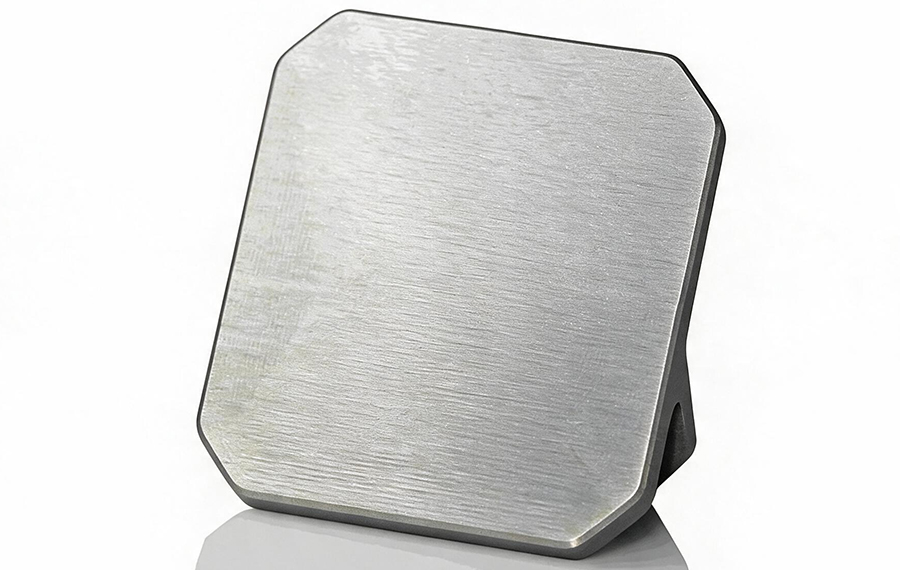
As machined finish leaves the surface straight from the CNC machine, providing a cost-effective option with tool marks.
- Anodização
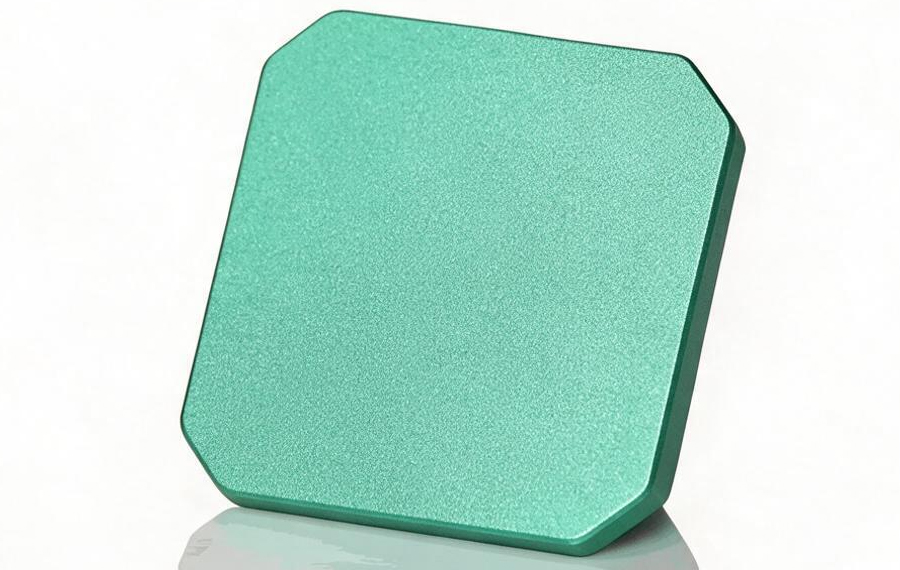
Anodizing increases corrosion resistance and wear properties, while allowing for color dyeing, ideal for aluminum parts.
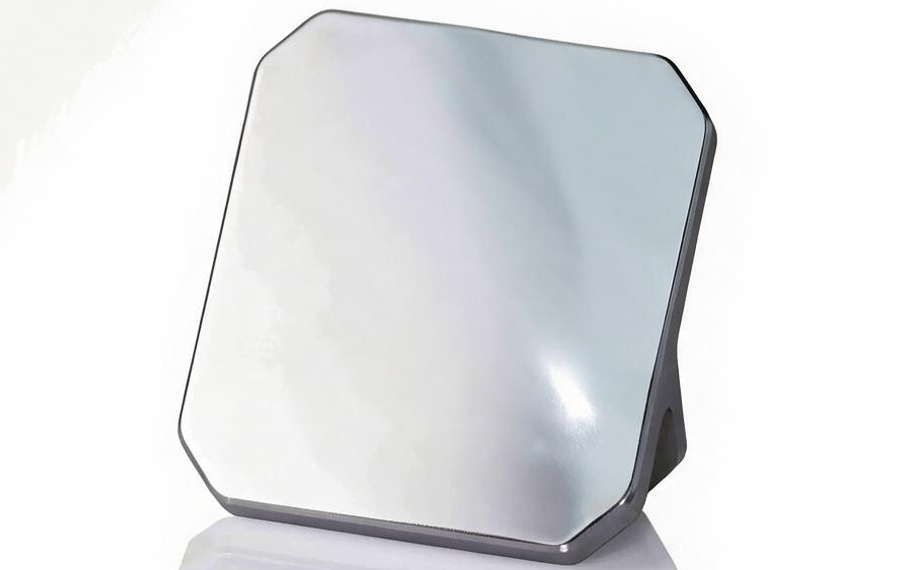
- Polimento
Polishing achieves a high gloss finish, reducing surface roughness and enhancing the aesthetic appeal of metals.
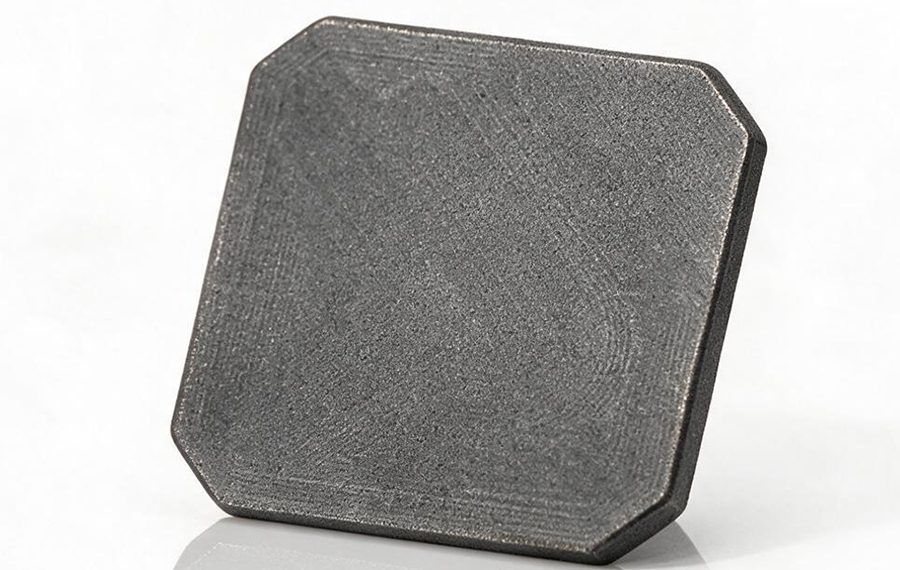
- Sand Blasting
Sand blasting uses pressurized sand or other media to clean and texture the surface, creating a uniform, matte finish.
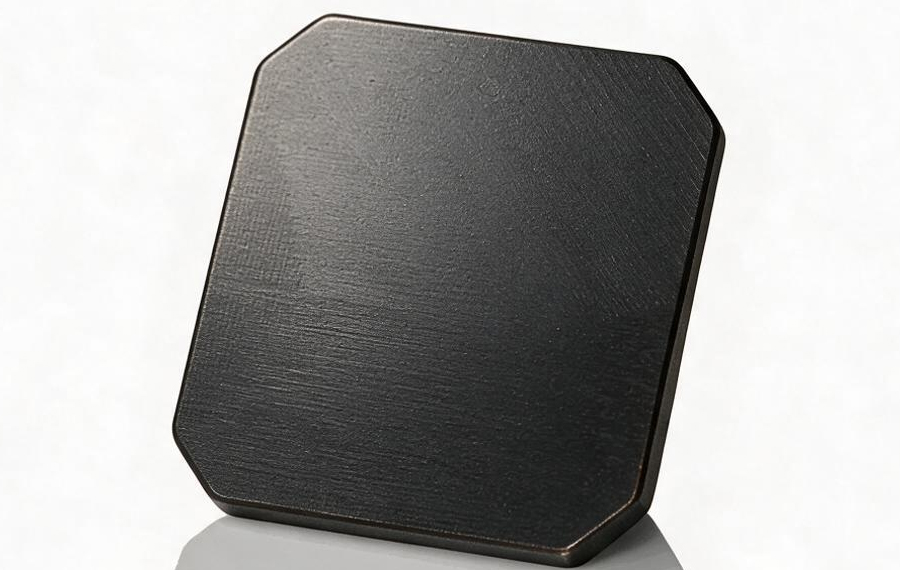
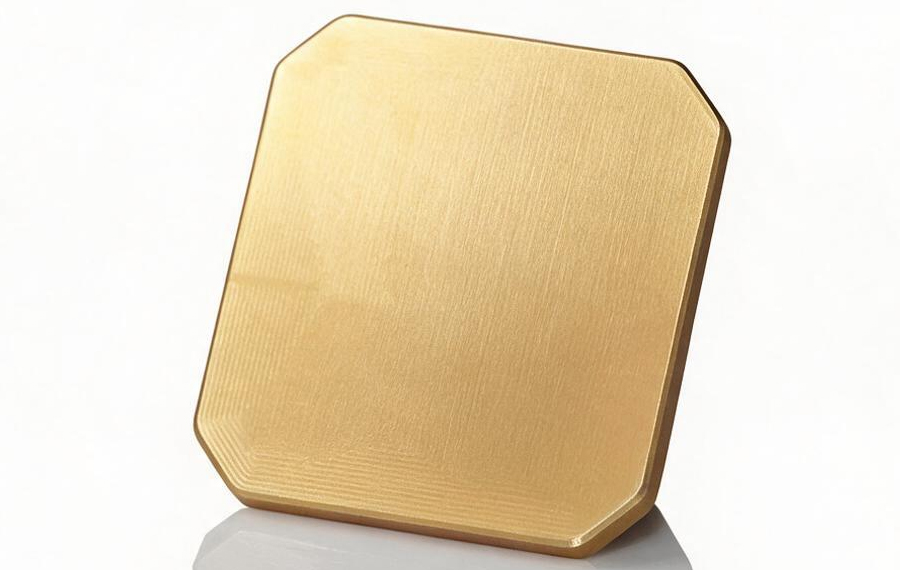
- Brushed Finish
A brushed finish creates a unidirectional satin texture, reducing the visibility of marks and scratches on the surface.
- Revestimento em pó
Powder coating applies a thick, wear-resistant layer with excellent color and texture options, suitable for a variety of surfaces.
- Galvanoplastia
Electroplating bonds a thin metal layer onto parts, improving wear resistance, corrosion resistance, and surface conductivity.
- Black Oxidize
Black oxidize is a conversion coating for ferrous metals that improves corrosion resistance and minimizes light reflection.
- Tumbling
As machined finish leaves the surface straight from the CNC machine, providing a cost-effective option with tool marks.
- Electropolish
As machined finish leaves the surface straight from the CNC machine, providing a cost-effective option with tool marks.
- Alodine
As machined finish leaves the surface straight from the CNC machine, providing a cost-effective option with tool marks.
- Heat Treatment
As machined finish leaves the surface straight from the CNC machine, providing a cost-effective option with tool marks.
Tolerances for CNC Milling
CNC milling tolerances define how precisely part dimensions are controlled during machining.
Our precision CNC milling services follow ISO 2768-m for metals and ISO 2768-c for plastics, delivering stable, repeatable dimensional accuracy across 3-axis, 4-axis, and 5-axis CNC milling.
| 3-Axis | 4-Axis | 5-Axis | |
|---|---|---|---|
| Tamanho máximo da peça | 1000 x 500 x 500 mm | 1000 x 500 x 500 mm | 4000×1500×600 mm |
| Tamanho mínimo da peça | 5 x 5 x 5 mm | 5 x 5 x 5 mm | 5 x 5 x 5 mm |
| General Tolerances | ±0.1 mm | ±0.1 mm | ±0.05 mm |
| Prazo de execução | Delivery of simple parts can be as fast as 1 day. | 5 bussiness days for most projects. | 5 bussiness days for most projects. |
CNC Milling Design Guidelines
| Recommended Size | |
|---|---|
| Raios | Internal radii should be at least 1/3 of the cavity depth. Use larger radii whenever possible. |
| Roscas e furos roscados | Diameter Φ 1.5-5 mm, depth: 3 times the diameter. Diameter Φ 5 mm or larger, depth: 4-6 times the diameter. PartsMastery can produce threads of any specification and size as required by the customer. |
| Minumum Wall Thickness | For metals: 0.8 mm; For plastics: 1.5 mm. Thicker walls ensure better structural integrity. |
| Text | CNC Milling: Minimum width of 0.5 mm and depth of 0.1 mm. PartsMastery can create standard text via CNC engraving or laser engraving as per customer requirements. |
| Holes | Minimum diameter of 1 mm. Hole depth should not exceed 4 times the diameter for best results. |
Why Choose Us
/01
Precision CNC Milling Parts
Our precision CNC milling services with tolerances as tight as ±0.01 mm.
Our advanced CNC milling machines ensure consistent accuracy for custom metal and plastic parts.
/02
Fast & Scalable CNC Milling Production
As a factory-direct CNC milling service supplier, we reduce lead times without compromising quality.
Simple CNC milled parts can be delivered in as fast as 1 day.
/03
Engenharia Apoio
As an experienced CNC milling company, our engineers provide DFM feedback and machining guidance to optimize designs for cuostom CNC milling services, helping reduce cost and improve manufacturability.
CNC Milling Process for Custom Part Manufacturing
Our CNC milling process starts with CAD file analysis and DFM review, followed by precision machining on 3, 4, or 5-axis CNC milling machines.
This streamlined workflow ensures accuracy, repeatability, and efficiency for custom CNC milling parts.
- High-precision metal and plastic parts
- Complex geometries with 3/4/5-axis CNC milling
- Prototypes and production CNC milling parts
- Aerospace, automotive, medical, and industrial components
FAQs
What kinds of CNC milling machines does PartsMastery have?
At PartsMastery, we have a variety of CNC milling machines to meet diverse manufacturing needs. Our inventory includes 3-axis, 4-axis, and 5-axis CNC milling machines.
The 3-axis machines are perfect for simple operations, handling basic cutting tasks along the X, Y, and Z axes.
Our 4-axis machines add an extra rotational axis, allowing for more complex geometries and more efficient production of parts with features that require continuous machining around a fourth axis.
Finally, our advanced 5-axis CNC milling machines offer the highest level of precision and versatility, enabling the creation of intricate parts with complex shapes and angles.
These machines are capable of machining in five different axes simultaneously, reducing the need for multiple setups and ensuring exceptional accuracy and quality in every component we produce.
What tolerances can you achieve with CNC milling?
Our CNC milling tolerances depend on machine type, material, and part geometry.
Standard tolerances follow ISO 2768-m (metals) and ISO 2768-c (plastics)
Typical general tolerances: ±0.1 mm
High-precision 5-axis milling can achieve tolerances as tight as ±0.01 mm for critical features
For tighter tolerances, we recommend specifying requirements directly on the drawing so our engineers can optimize tooling, inspection, and cost.
When should I choose 3-axis, 4-axis, or 5-axis CNC milling?
3-axis milling is ideal for simple geometries and flat features
4-axis milling enables machining around multiple sides with fewer setups
5-axis milling is best for complex geometries, tight tolerances, and parts requiring multi-angle machining
Choosing the right axis configuration can significantly reduce lead time and improve accuracy.
How fast can you deliver CNC milled parts?
Lead times depend on part complexity and machining axis:
Simple 3-axis parts can be delivered in as fast as 1 day
Most CNC milling projects are completed within 5 business days
Expedited options are available for urgent production needs.
CNC milling vs CNC turning: how do I choose?
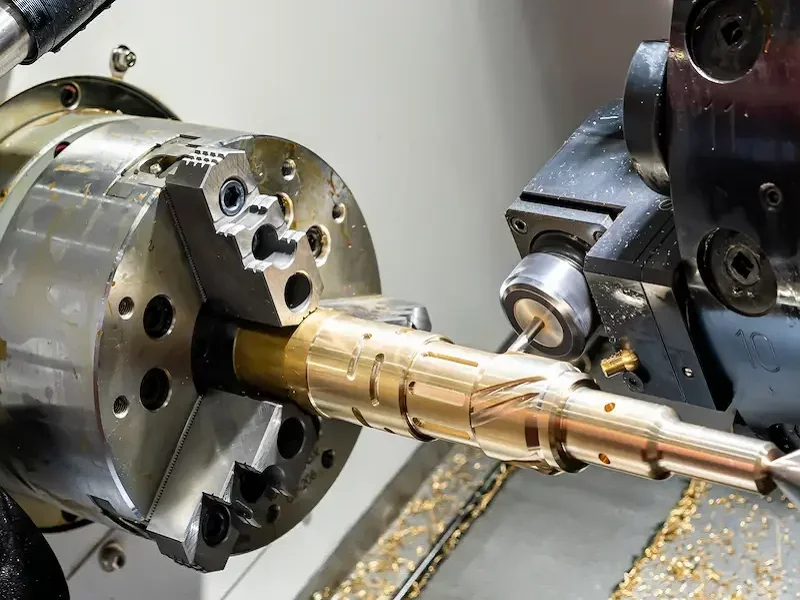
CNC milling is ideal for complex geometries, slots, pockets, and contours, while CNC turning is best suited for cylindrical parts such as shafts and bushings.
If your part includes both rotational and prismatic features, combining milling and turning may be the most efficient solution.
What are the Differences Between Vertical and Horizontal CNC Milling?
Vertical CNC milling machines, with their vertically oriented spindles, are ideal for precision work on smaller components, offering excellent visibility and versatility for tasks like drilling and boring. Horizontal CNC milling machines, featuring horizontally oriented spindles, excel in handling larger, heavier workpieces and provide enhanced stability and efficient chip removal. For projects requiring extensive material removal and high durability, horizontal milling is preferred. In contrast, vertical milling is best for intricate, detailed work. Choosing between these types depends on your specific CNC milling services needs, whether for precision or bulk machining.
What is tool offset in CNC milling?
In CNC milling, tool offset refers to the adjustment made to account for the tool’s dimensions—specifically its length and diameter—during the machining process. These offsets ensure that the cutting tool operates with precision relative to the workpiece. By accurately setting tool offsets, a machinist can determine the correct starting point for machining, ensuring that the part is cut to the exact specifications required. Proper tool offsets are crucial for achieving accurate and consistent results in CNC milling operations.
What is CNC millingmilling?
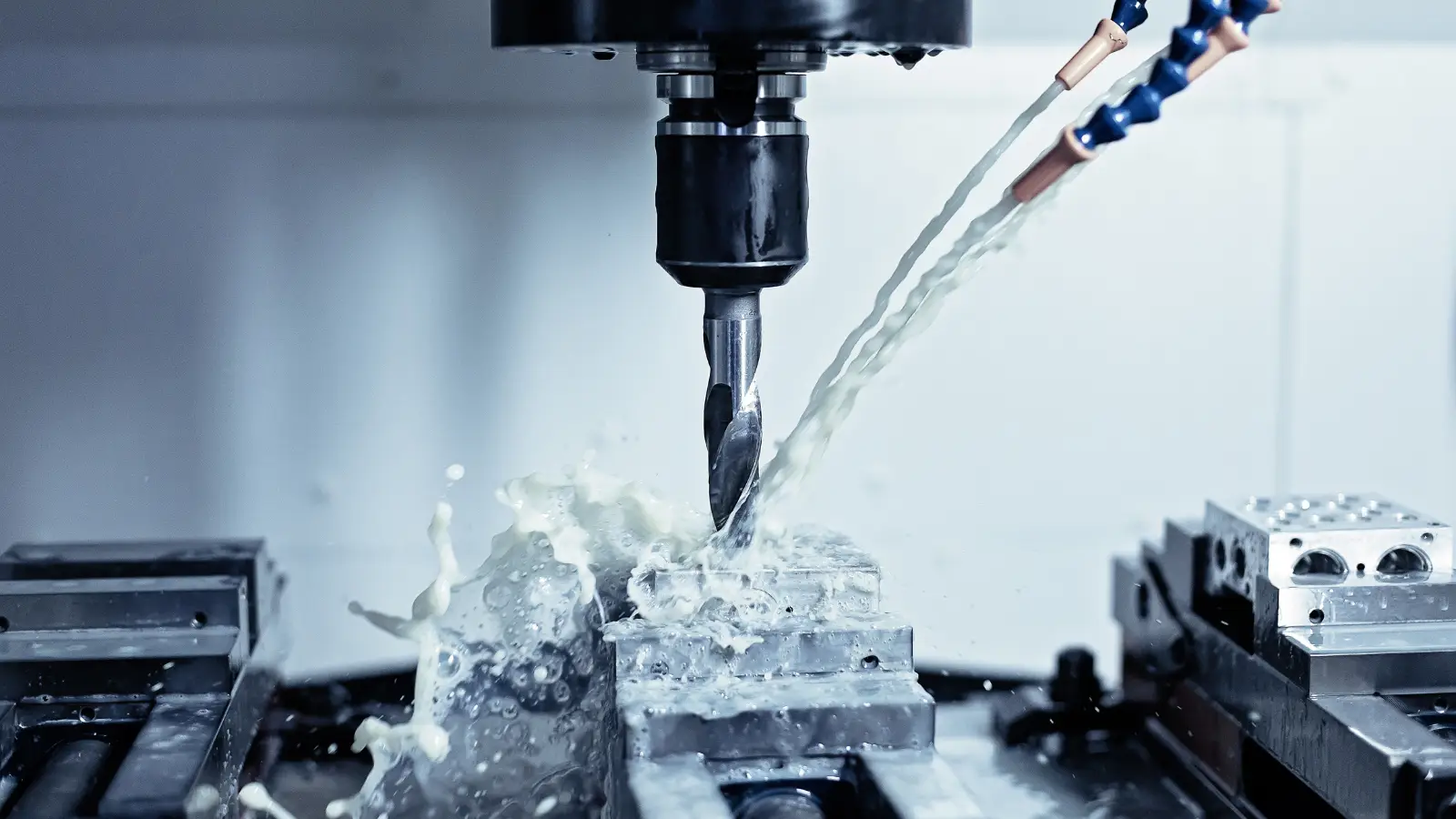
CNC milling is a subtractive manufacturing process where material is removed from a solid block using rotating cutting tools controlled by computer programs.
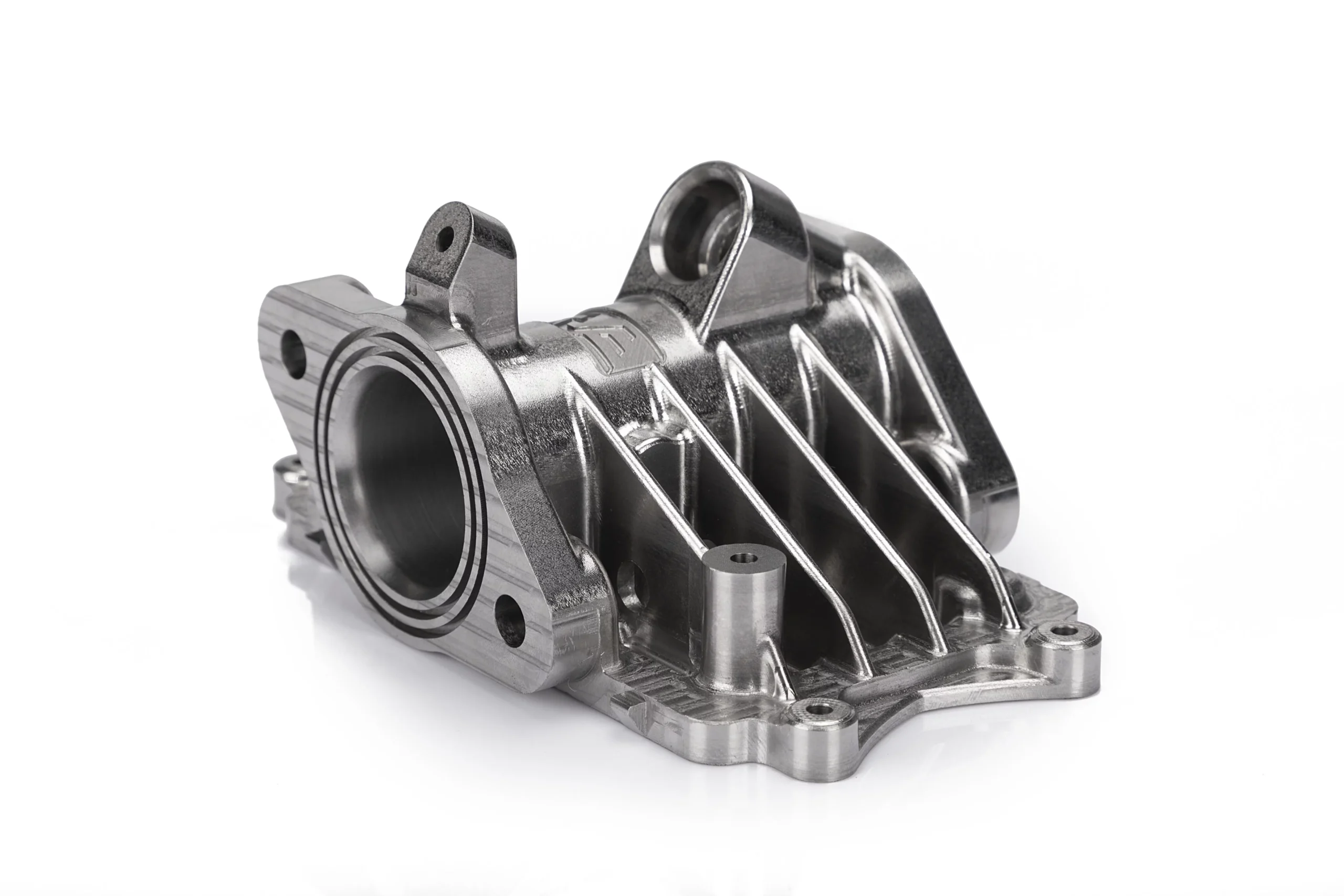
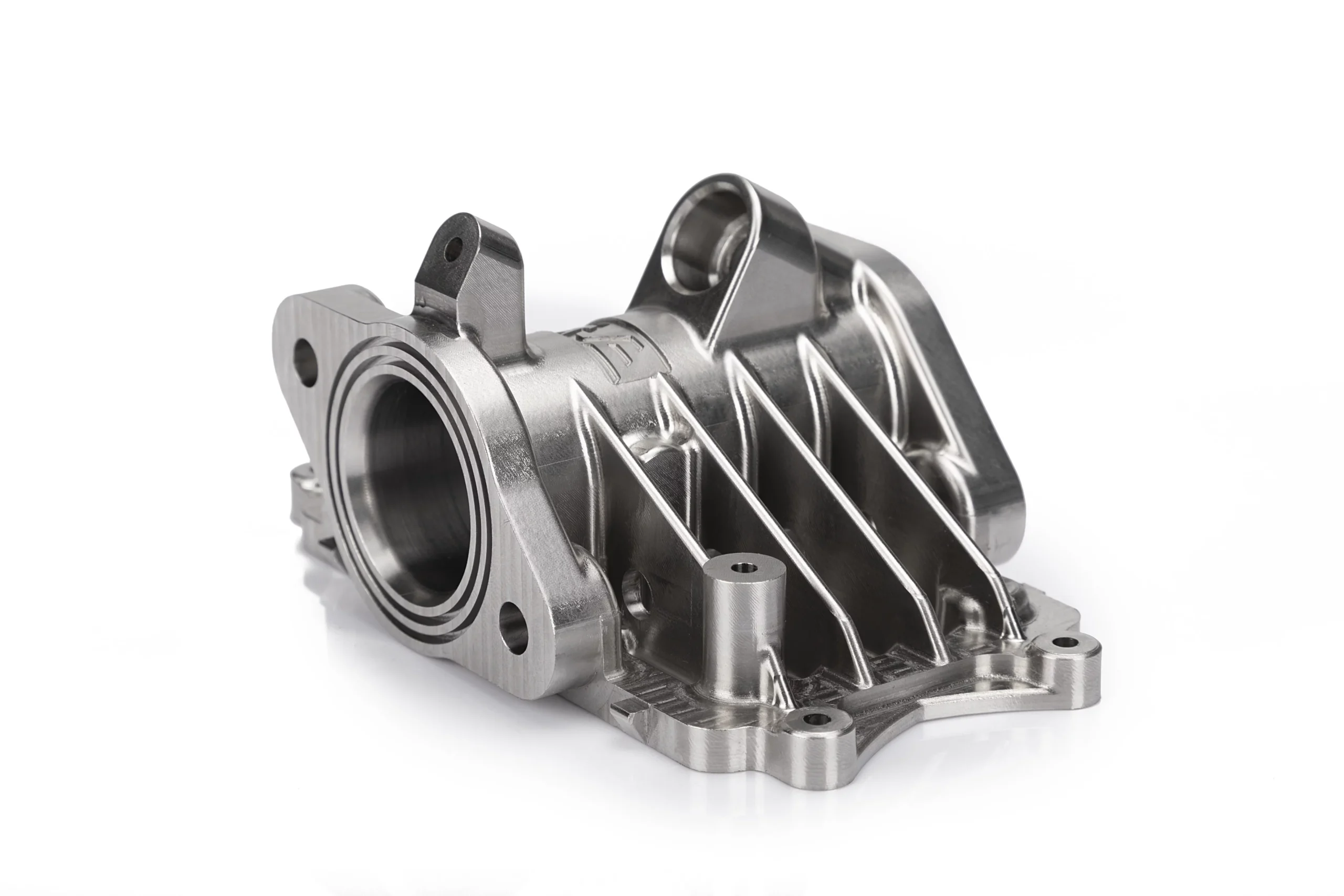
CNC milling is widely used to produce precision parts with complex geometries, tight tolerances, and consistent quality. It supports multi-axis machining (3-axis, 4-axis, and 5-axis), allowing features such as pockets, slots, holes, and complex contours to be machined efficiently.
At PartsMastery, CNC milling is commonly used for functional prototypes, low-volume production, and end-use parts across industries such as automotive, aerospace, and industrial equipment.
What types of materials do CNC mills use?
CNC mills can work with a diverse range of materials. Metals frequently used include aluminum, brass, and steel, each offering different properties for various applications. Additionally, CNC milling is effective on various plastics such as ABS, acrylic, polycarbonate, and polypropylene, which are valued for their versatility and ease of machining. This variety of materials allows CNC mills to be employed in numerous industries, from aerospace to consumer products, making them a highly adaptable tool for manufacturing.