Serviços personalizados de torneamento CNC com orçamento online imediato
A PartsMastery é uma empresa especializada em torneamento CNC que presta serviços de torneamento CNC de precisão para peças metálicas e plásticas. Desde a prototipagem rápida até à produção em grande escala, fornecemos peças de torneamento CNC personalizadas com tolerâncias tão rigorosas quanto 0,005 mm e prazos de entrega a partir de 1 dia.
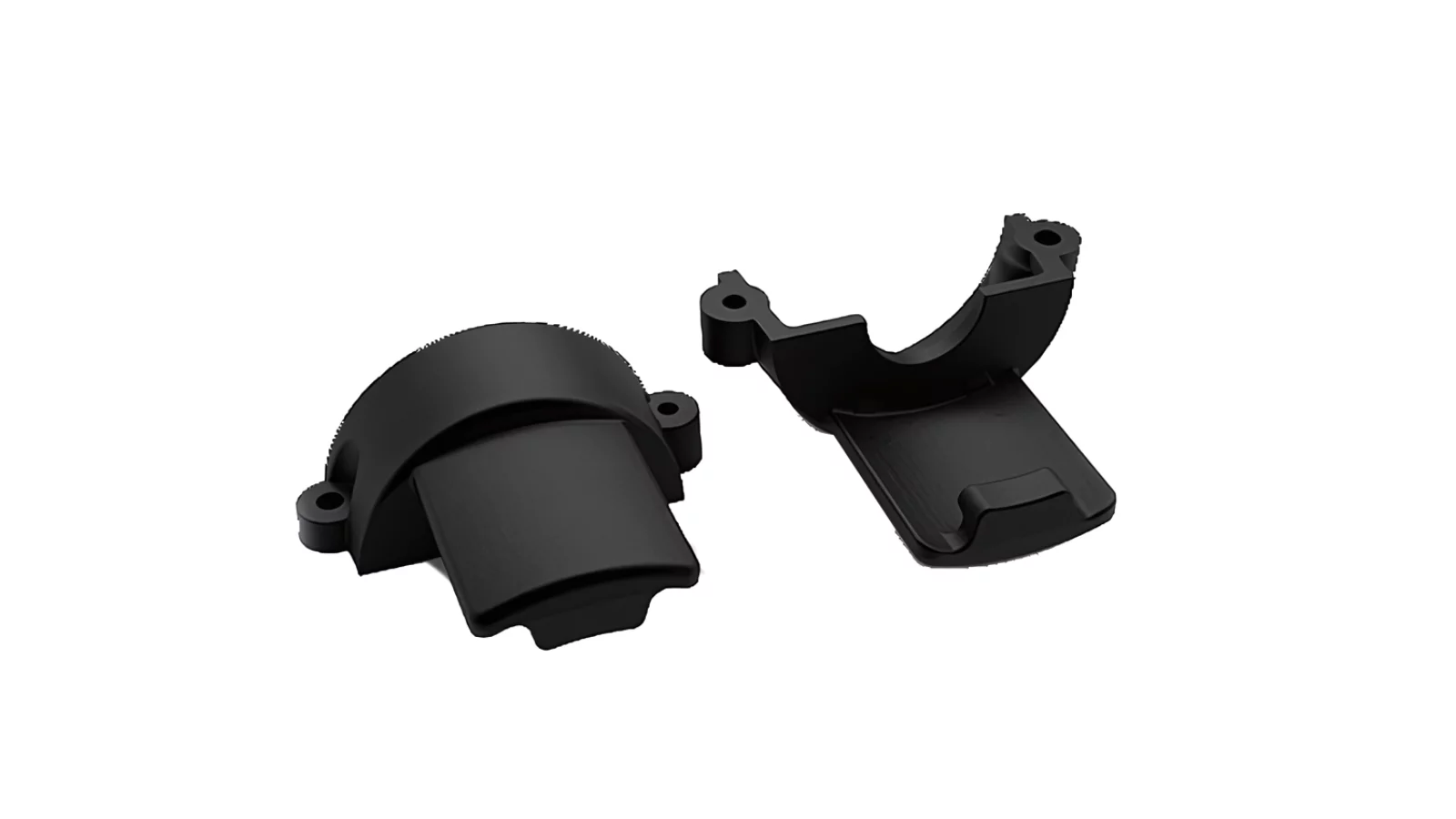
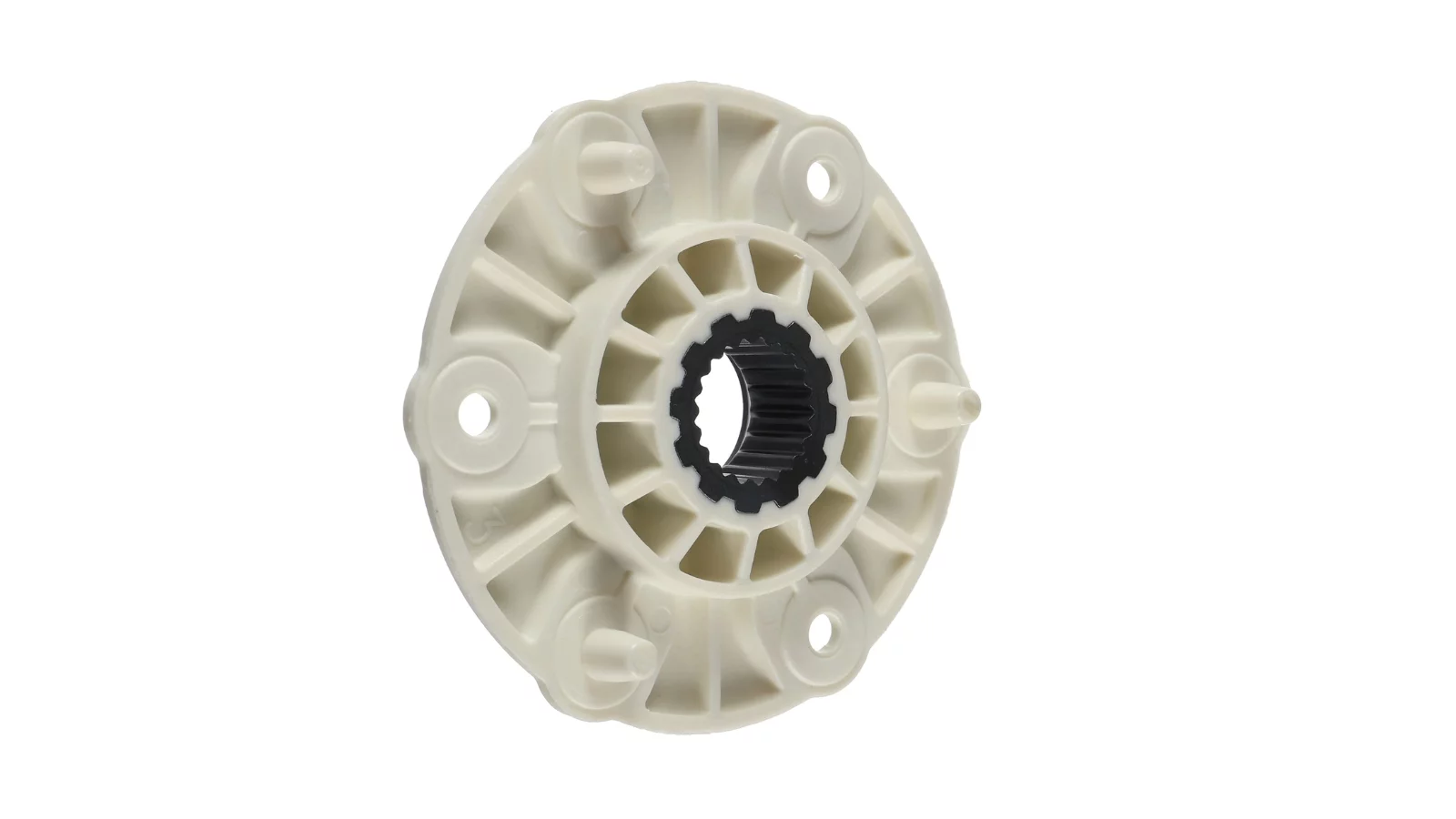
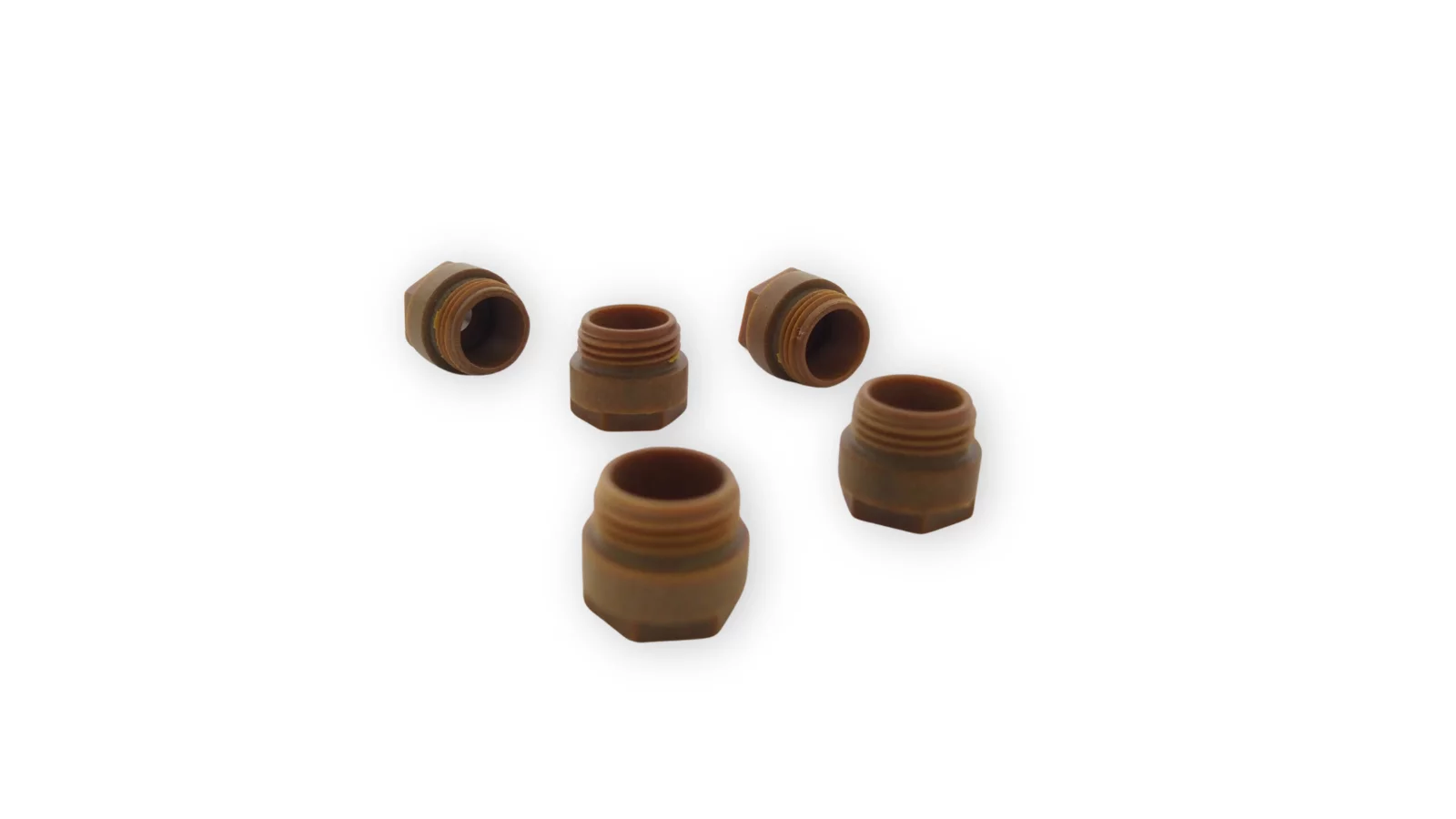
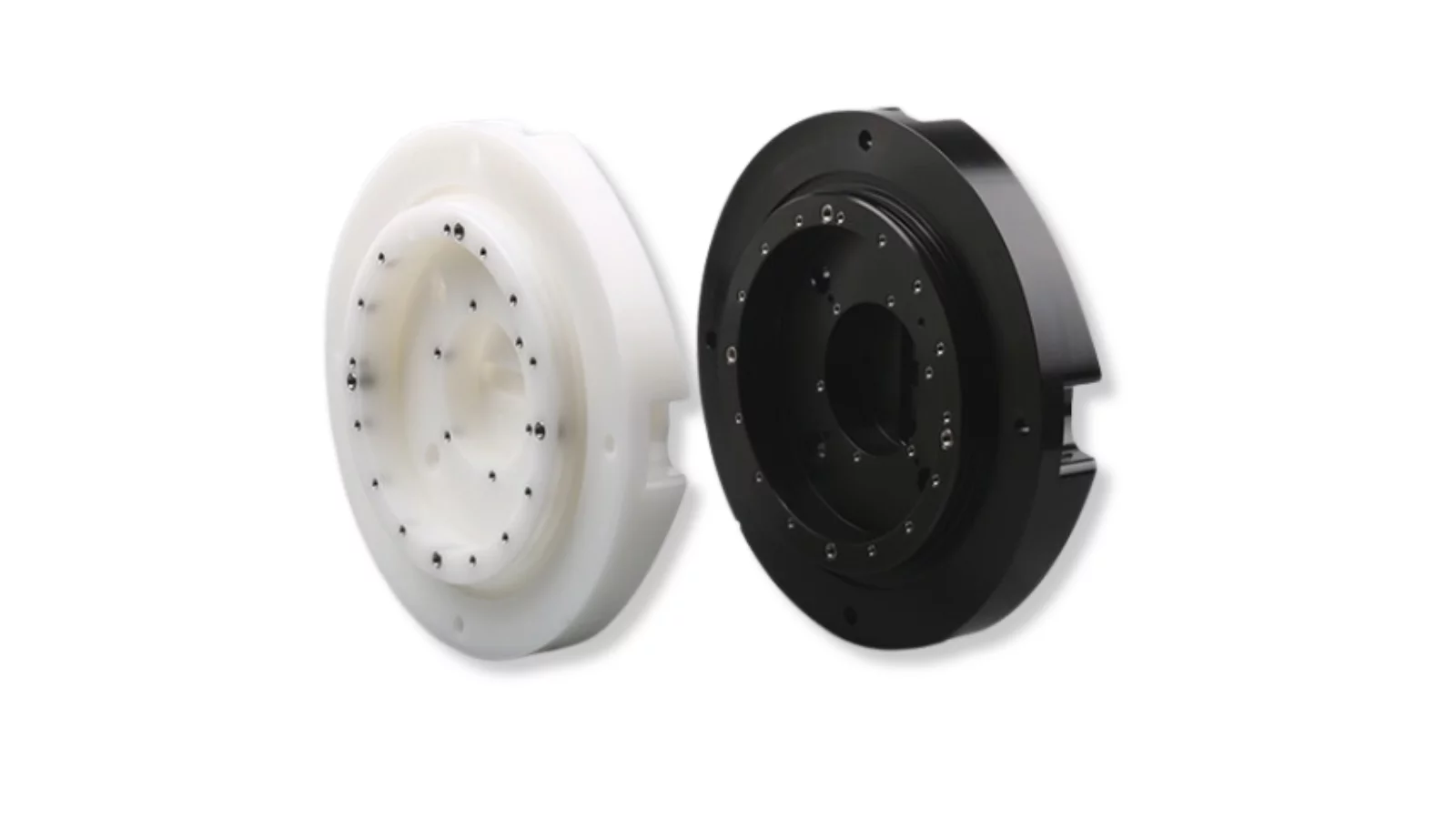
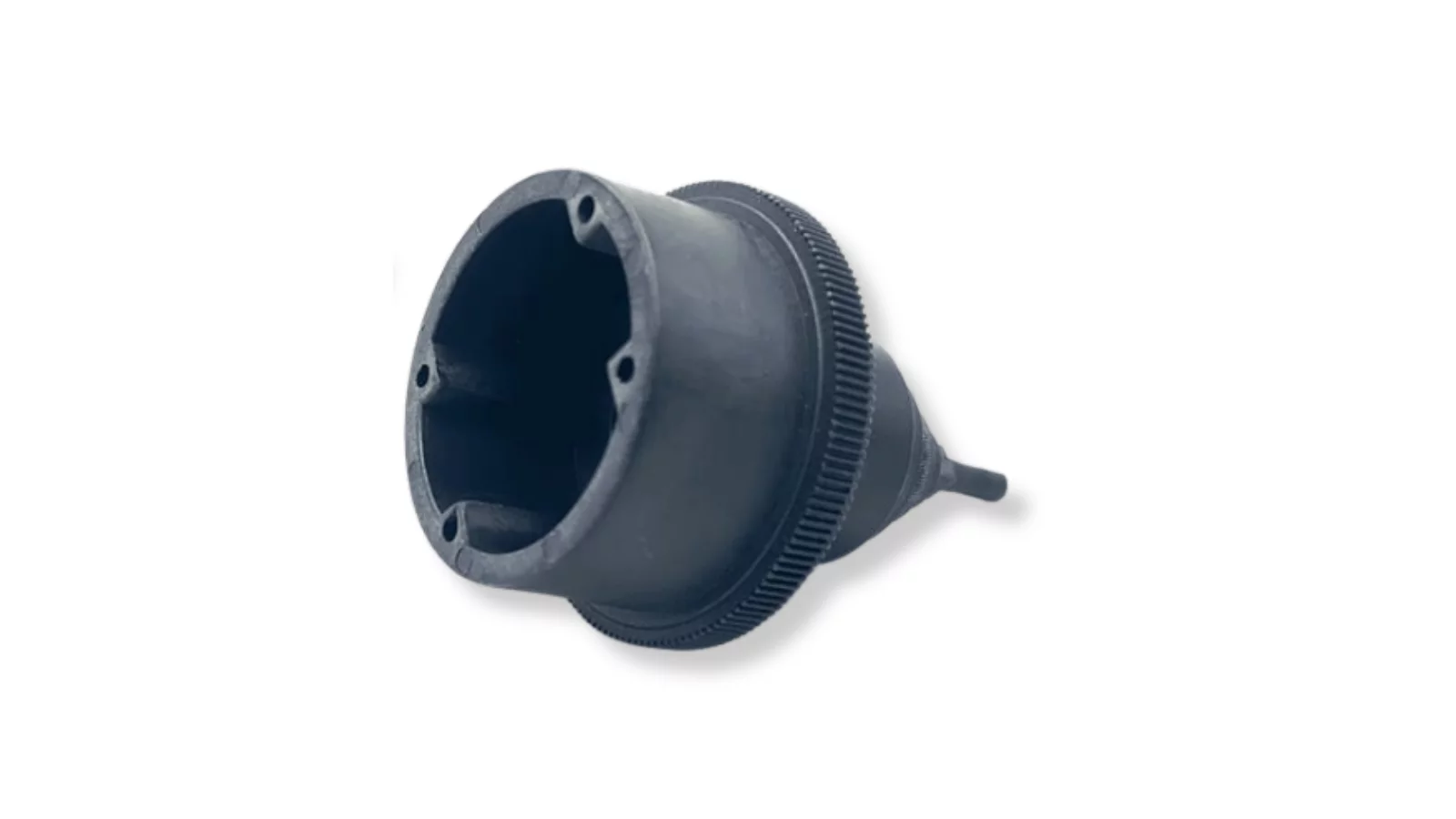
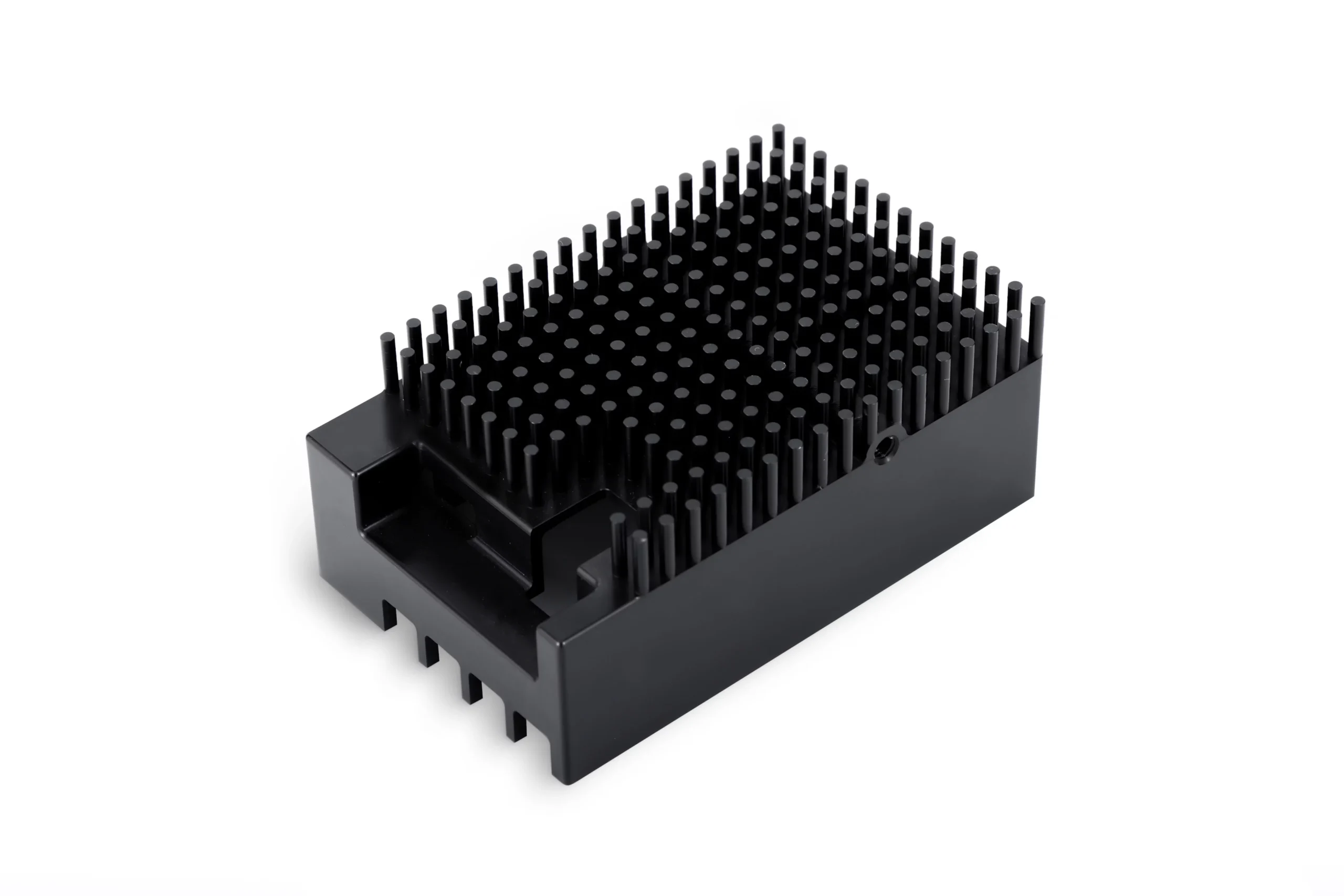
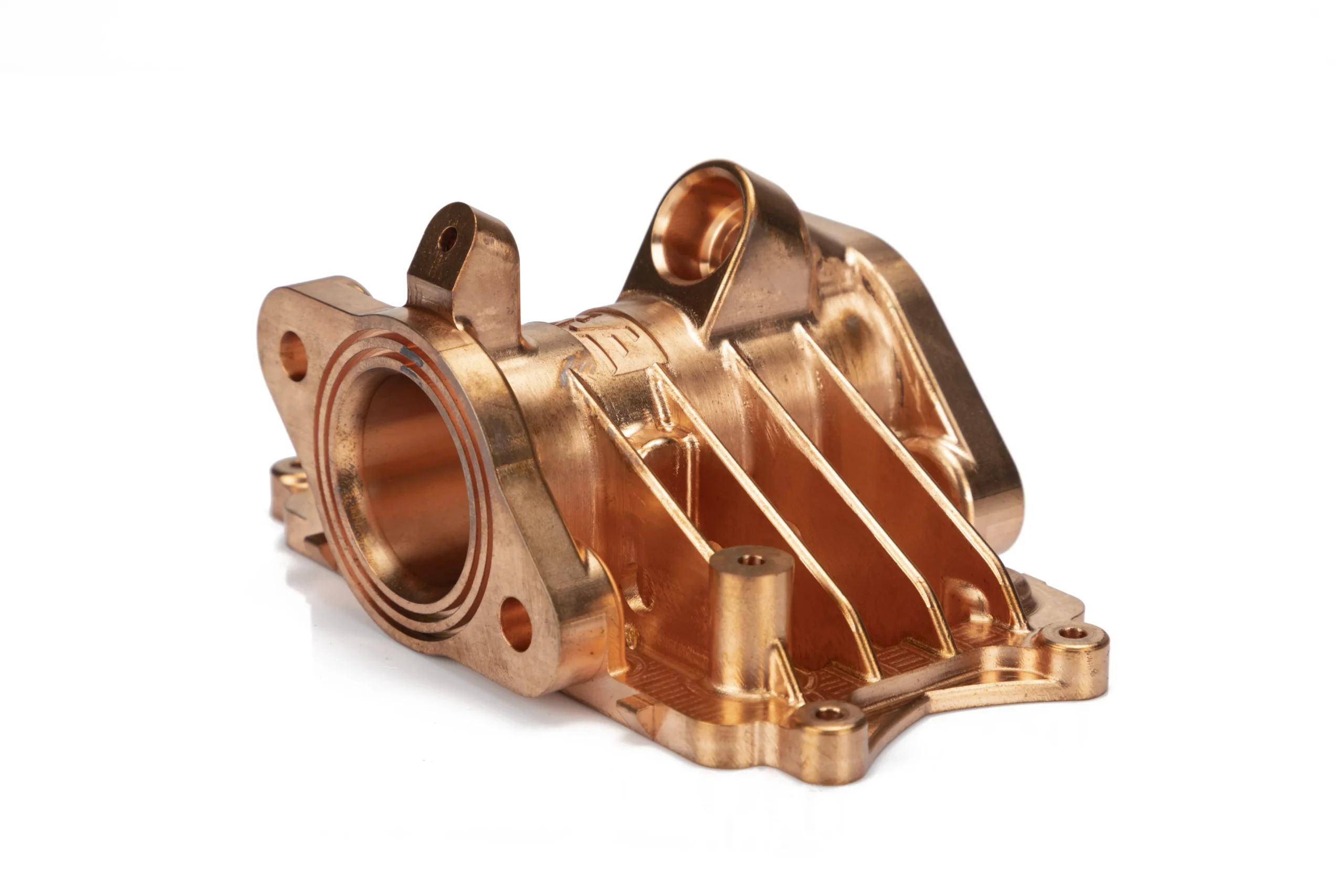
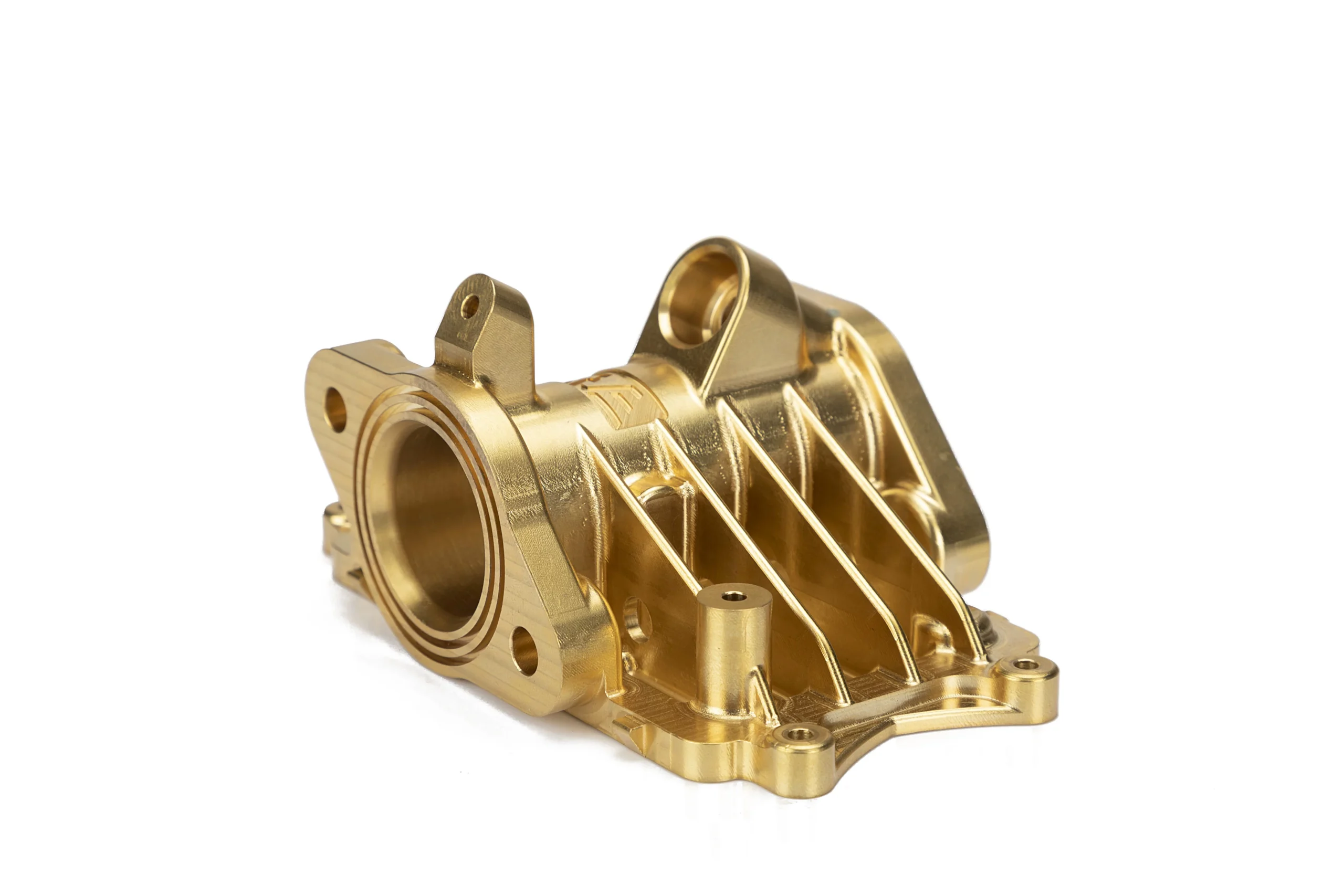
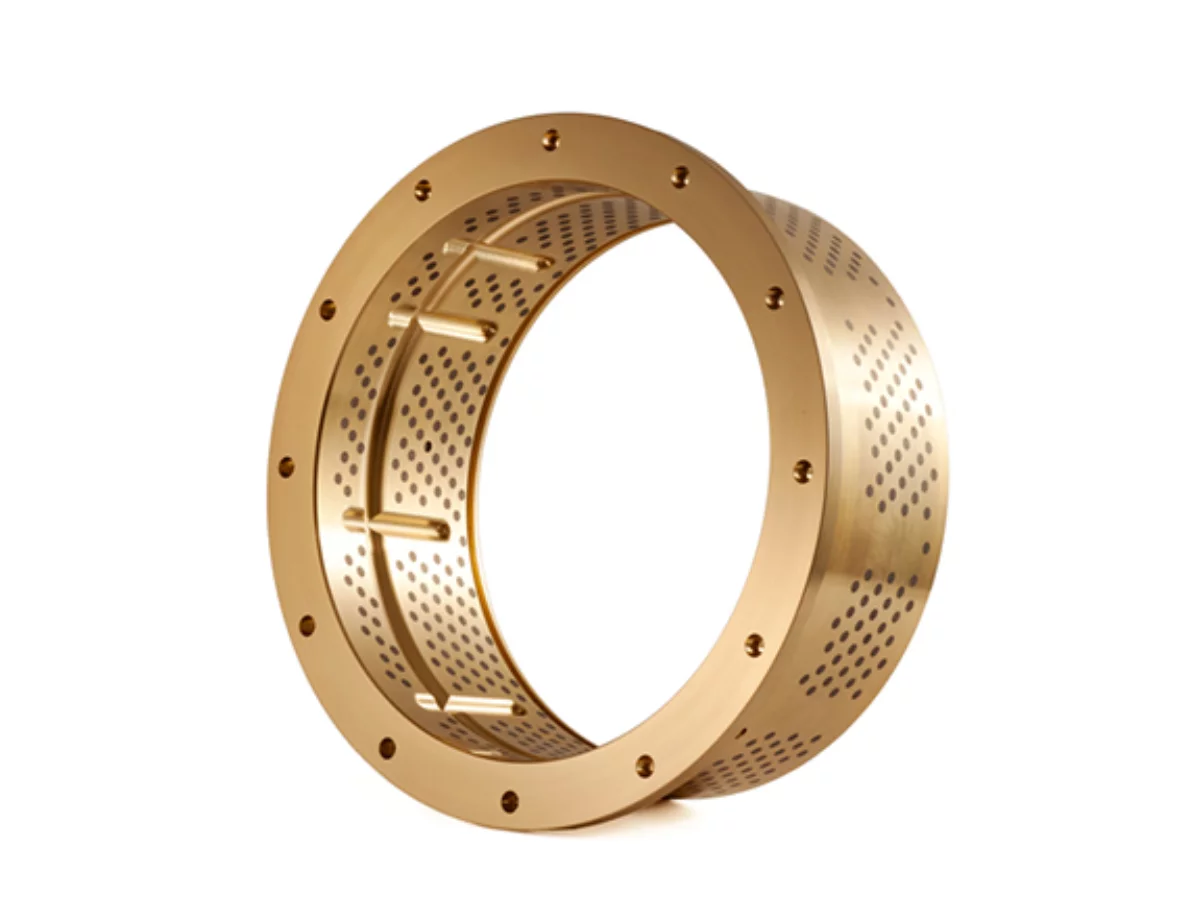
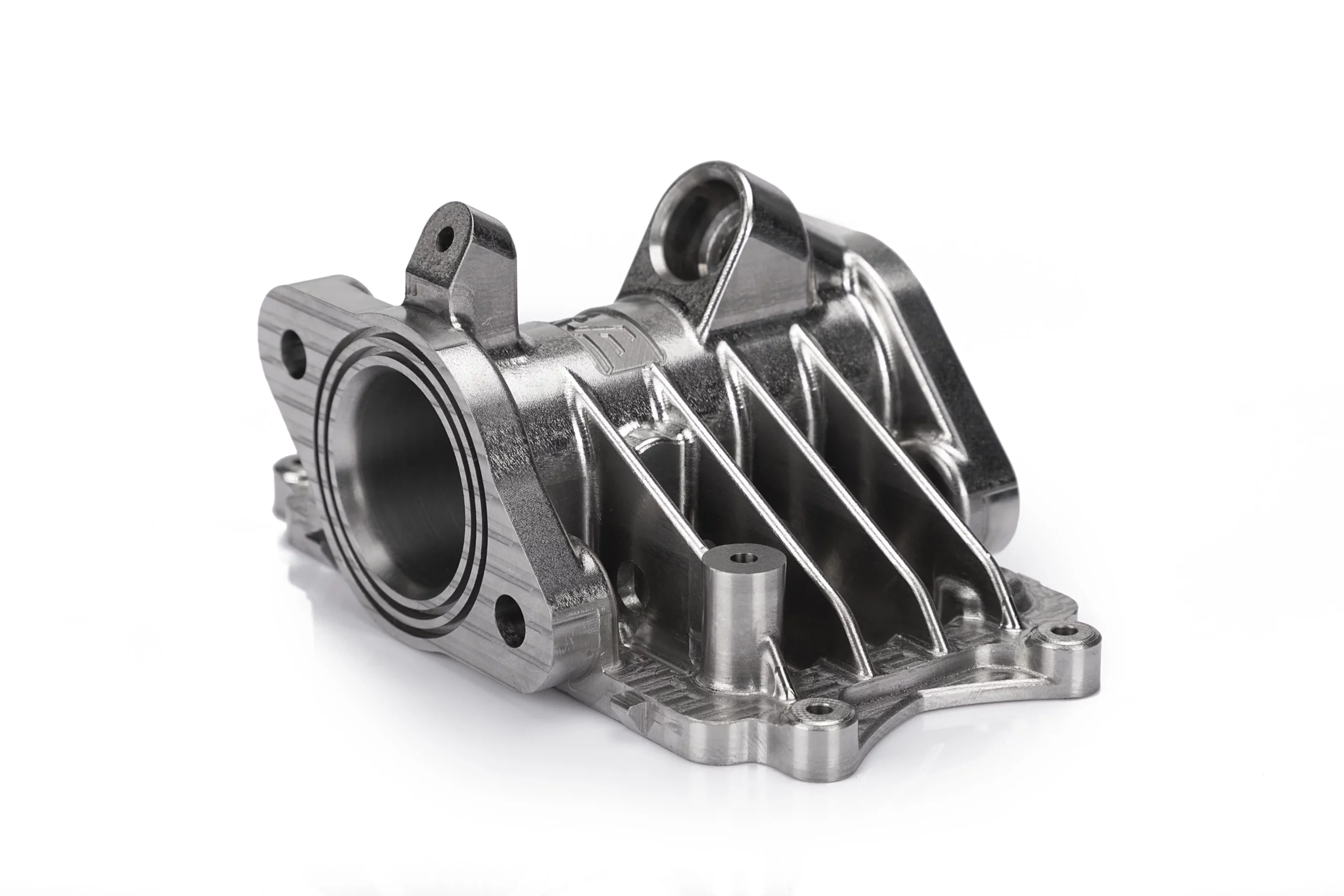
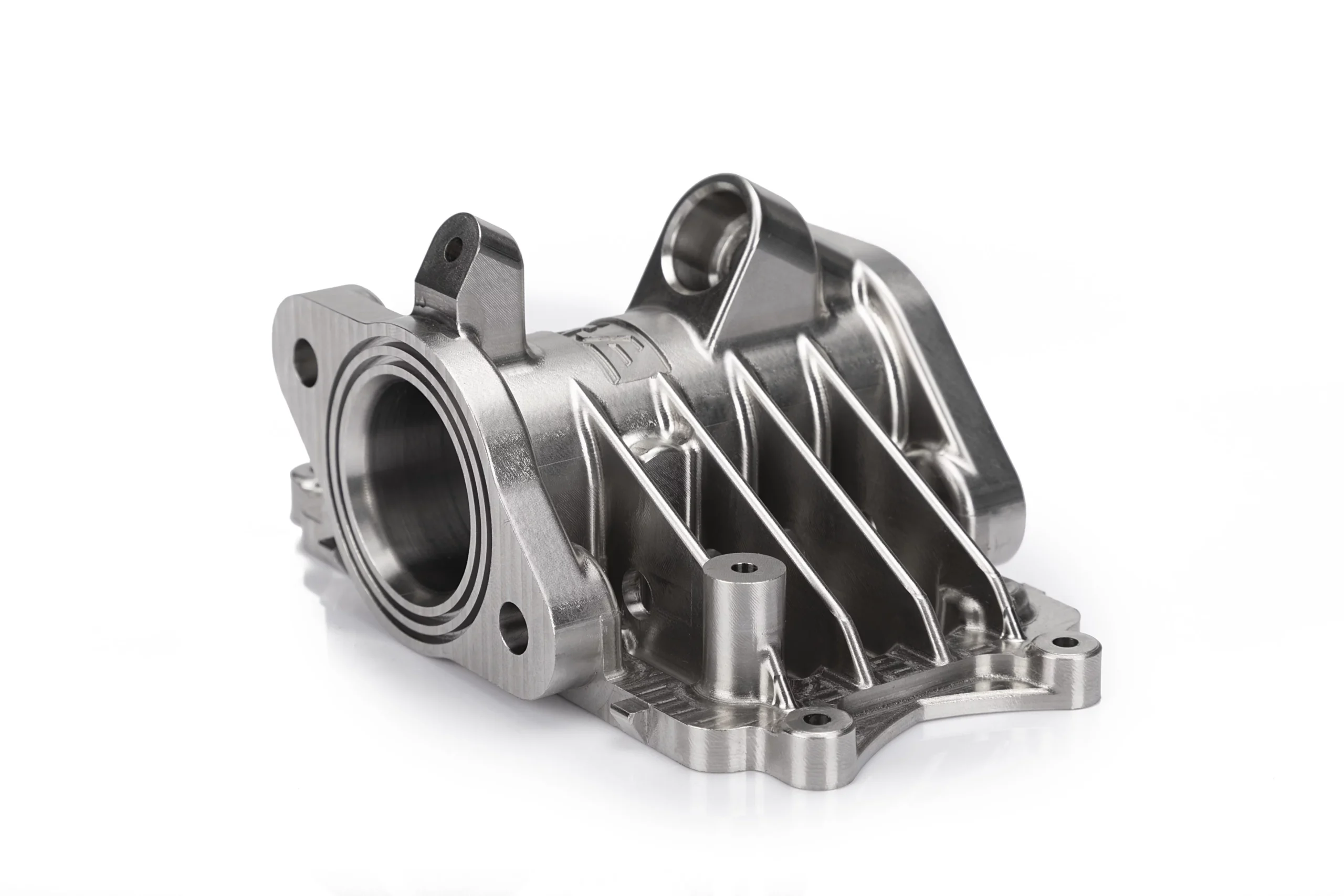
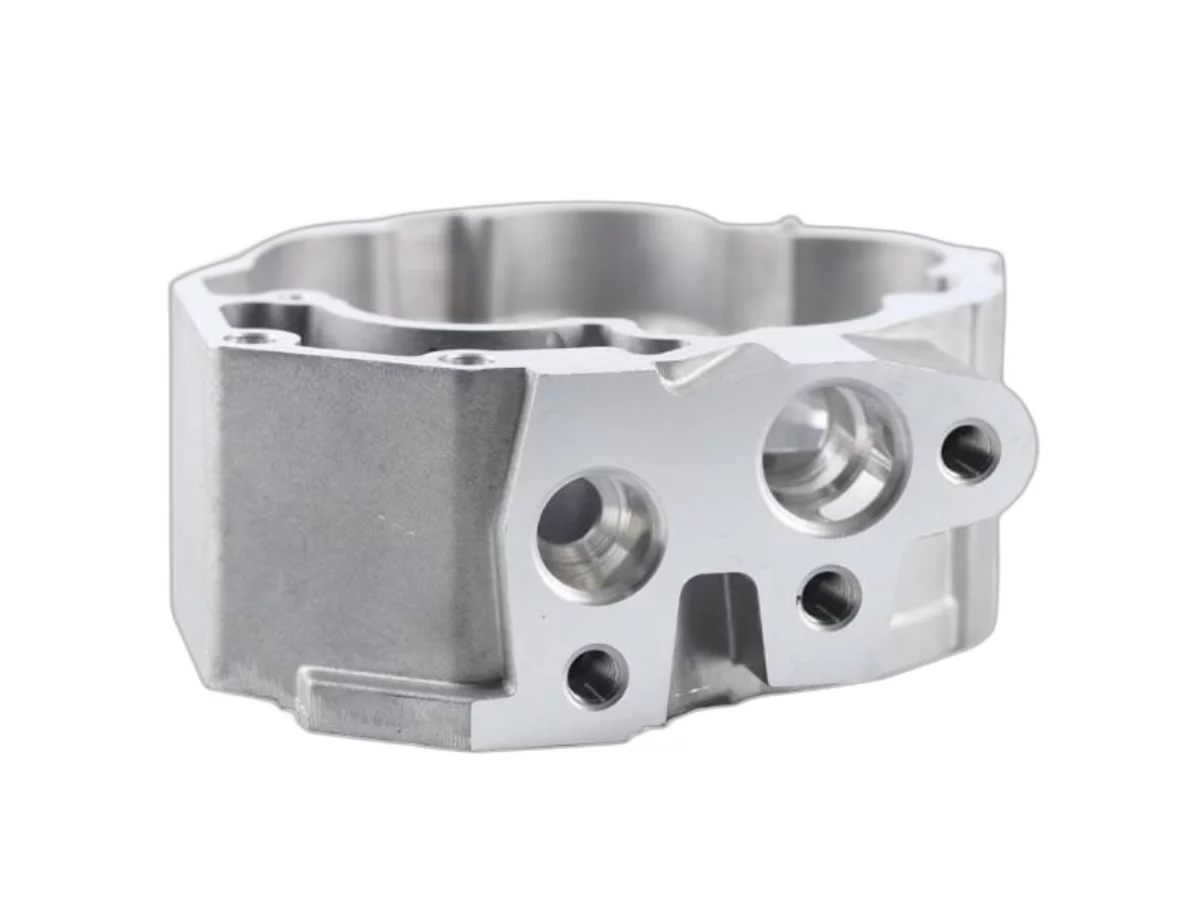
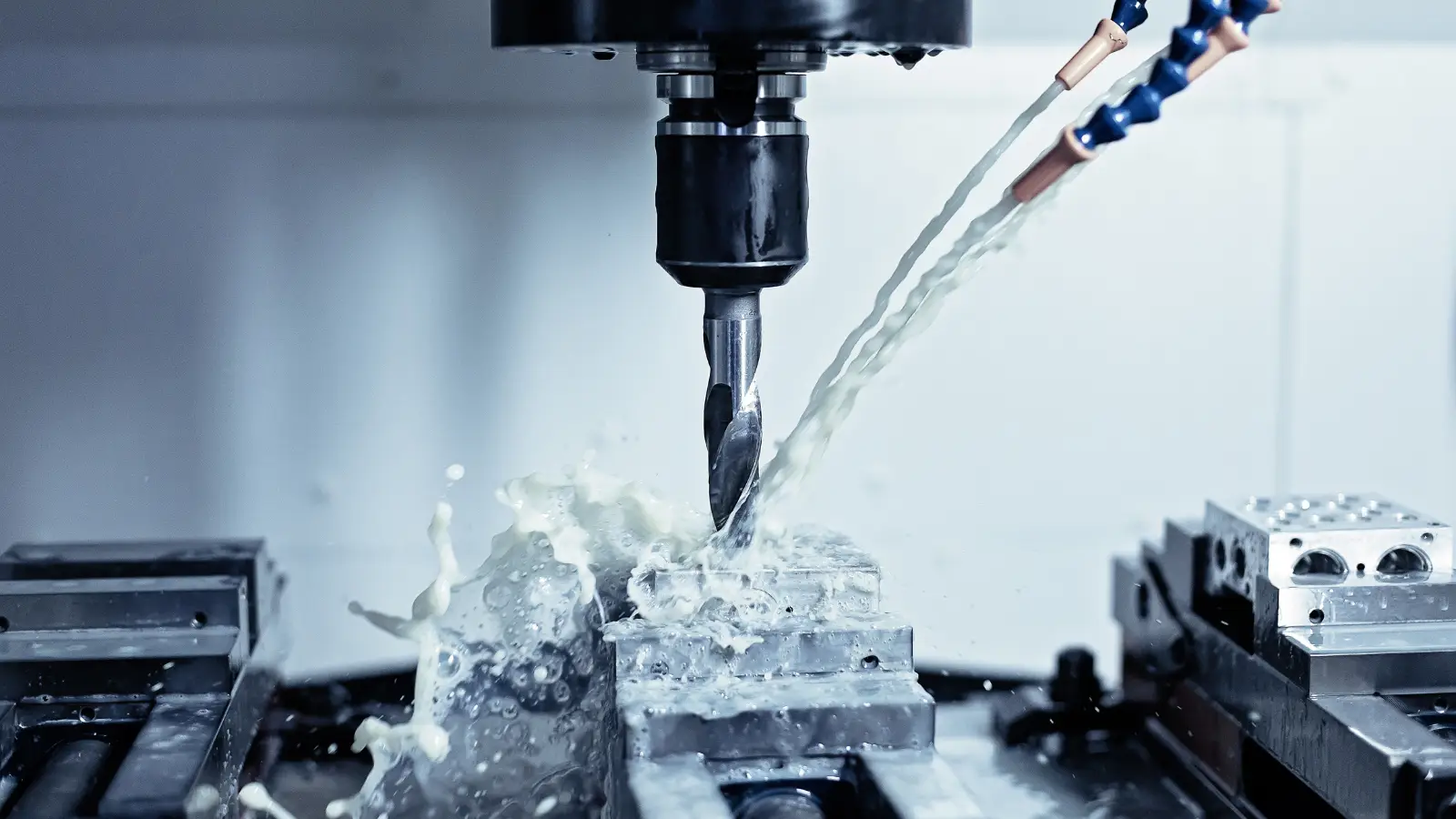
O nosso serviço de torneamento CNC permite a produção de peças torneadas de alta precisão para uma vasta gama de indústrias. Recorrendo a centros de torneamento CNC avançados e a operadores experientes, oferecemos soluções fiáveis de torneamento CNC tanto para componentes cilíndricos simples como complexos. As nossas capacidades de torneamento CNC permitem-nos fornecer peças torneadas com elevada precisão, independentemente da complexidade. Receberá peças duráveis, desde superfícies planas a furos radiais e axiais, ranhuras e sulcos, num prazo tão curto quanto um dia.
Os nossos tornos CNC de precisão permitem produzir peças a baixo custo para geometrias cilíndricas simples e complexas. Também utilizamos ferramentas motorizadas para criar geometrias precisas e complexas em elementos como furos axiais e radiais, ranhuras, fendas e superfícies planas. A automatização total destas máquinas versáteis permite-nos produzir centenas de peças com dimensões semelhantes de forma mais fácil, mais rápida e com melhor relação custo-benefício.
Acelere o desenvolvimento de produtos com os nossos serviços de torneamento CNC. Oferecemos prazos de execução rápidos e somos especializados na produção rápida de protótipos e ferramentas de moldagem de alta qualidade, auxiliando o seu processo de verificação de projetos.
Produção
Produção de torneamento CNC de baixo e alto volume
Quer necessite de pequenos lotes ou de produção em grande escala, podemos oferecer-lhe ambas as opções. Com controlos rigorosos de tolerâncias e capacidades abrangentes, adaptamo-nos ao seu volume de peças de torneamento CNC, sem comprometer a qualidade.
Materiais para torneamento CNC
Os nossos processos de torneamento CNC trabalham com uma vasta gama de materiais, incluindo metais e plásticos para usinagem. Quer necessite de torneamento CNC de precisão de peças em alumínio ou noutros materiais, podemos produzir protótipos rápidos e precisos, bem como séries de produção de baixo volume, para satisfazer as suas necessidades. Conheça alguns dos materiais mais comuns para os seus projetos de torneamento CNC.
Metais
O ABS é forte, durável e oferece boa resistência ao calor e ao impacto. É preferido para componentes automóveis e bens de consumo.
ABS Bege (Natural)
ABS preto
ABS preto anti-estático
ABS Branco leitoso
ABS+PC Preto
ABS+PC Branco
O policarbonato é extremamente durável e tem uma elevada resistência ao impacto, juntamente com uma excelente clareza, sendo utilizado para vidro à prova de bala e equipamento de proteção.
PC Preto
PC Transparente
PC Branco
PC Branco amarelado
PC+GF30 Preto
O PMMA, ou acrílico, é conhecido pela sua clareza cristalina e resistência às intempéries, o que o torna ideal para instalações exteriores e vitrinas.
PMMA Preto
PMMA Transparente
PMMA Branco
O POM é resistente, com uma superfície de baixa fricção e boa estabilidade dimensional, perfeito para peças de precisão em aplicações mecânicas.
Castanho escuro (café) POM 100AF
POM Preto
Azul POM
POM Branco
O nylon é versátil, forte e tem uma boa resistência ao atrito, sendo normalmente utilizado em engrenagens, rolamentos e outras superfícies resistentes ao desgaste.
PA(Nylon) Azul
PA6 (Nylon)+GF15 Preto
PA6 (Nylon)+GF30 Preto
PA66 (Nylon) Bege (Natural)
PA66 (Nylon) Preto
O polietileno é leve e tem uma elevada resistência ao impacto, sendo muito utilizado em embalagens e contentores.
PE Preto
PE Branco
O PEEK é conhecido pela sua resistência e força a altas temperaturas, sendo frequentemente utilizado na indústria aeroespacial e no fabrico de implantes médicos.
PEEK Bege (Natural)
PEEK Preto
O polipropileno é resistente, tem uma excelente resistência química e é utilizado em peças para automóveis, contentores e embalagens.
PP Preto
PP Branco
PP+GF30 Preto
O PEAD é conhecido pela sua elevada relação resistência/densidade, resistência aos impactos e é utilizado no fabrico de garrafas e tubagens resistentes à corrosão.
PEAD Preto
PEAD Branco
O HIPS é fácil de maquinar e oferece uma boa estabilidade dimensional e resistência ao impacto, sendo adequado para prototipagem e modelação.
Cartão HIPS Branco
O LDPE é macio, flexível e é utilizado em aplicações em que é necessária uma selagem a quente, como em tubos e sacos de plástico.
LDPE Branco
O PBT é um plástico forte e rígido, resistente ao calor e normalmente utilizado em componentes eléctricos e invólucros.
PBT Preto
PBT Branco leitoso(Natural)
O PPA oferece uma elevada resistência ao calor e rigidez, ideal para aplicações automóveis e eléctricas que exigem durabilidade a altas temperaturas.
O PAI tem uma estabilidade térmica e química excecional, sendo utilizado em peças de elevado desempenho nos sectores aeroespacial e automóvel.
PAI Castanho
O PET é forte, resistente à humidade e aos produtos químicos, e é amplamente utilizado em recipientes para alimentos e fibras têxteis.
PET Preto
PET Branco
PET+GF30 Preto
PET+GF30 Branco
O PPS apresenta uma excelente resistência química e térmica, adequada para componentes automóveis e aeroespaciais.
PPS Preto
PPS Branco
PPS+GF30 Preto
PPS+GF30 Branco
O poliestireno é leve e fácil de maquinar, utilizado para modelos, protótipos e aplicações de baixa resistência.
PS Transparente
O PVC é robusto, barato e tem boa resistência química, sendo utilizado em canalizações, dispositivos médicos e cabos.
PVC cinzento
Plásticos
O alumínio é leve mas forte, com excelente maquinabilidade e resistência à corrosão. Ideal para peças aeroespaciais e automóveis.
Ligas
Alumínio 6061, 6061-T6
Alumínio 2024
Alumínio 5052
Alumínio 5083
Alumínio 6063
Alumínio 6082
Alumínio 7075, 7075-T6
Alumínio ADC12 (A380)
O cobre é conhecido pela sua condutividade eléctrica e propriedades térmicas superiores, o que o torna perfeito para componentes eléctricos e permutadores de calor.
Ligas
Cobre C101(T2)
Cobre C103(T1)
Cobre C103(TU2)
Cobre C110(TU0)
Cobre-berílio
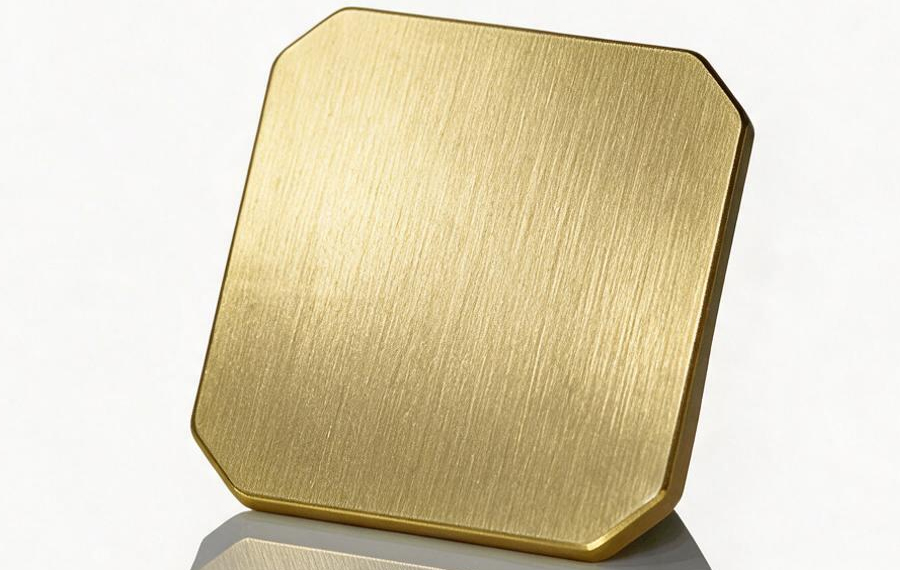
O latão é durável e tem um baixo coeficiente de atrito, o que o torna adequado para acessórios, ferramentas e instrumentos musicais que exigem precisão.
Ligas
Latão C27400
Latão C28000
Latão C36000
O bronze é altamente resistente à corrosão e à fadiga do metal, sendo preferido para rolamentos, casquilhos e equipamento marítimo.
Ligas
Bronze estanho
O aço é uma liga com elevada resistência à tração e durabilidade, normalmente utilizada nas indústrias da construção e automóvel devido à sua robustez.
O aço inoxidável é conhecido pela sua resistência à corrosão, o que o torna uma escolha privilegiada para dispositivos médicos e equipamento de processamento de alimentos.
Ligas
Aço inoxidável SUS201
Aço inoxidável SUS303
Aço inoxidável SUS 304
Aço inoxidável SUS316
Aço inoxidável SUS316L
Aço inoxidável SUS420
Aço inoxidável SUS430
Aço inoxidável SUS431
Aço inoxidável SUS440C
Aço inoxidável SUS630/17-4PH
Aço inoxidável AISI 304
O magnésio é o metal estrutural mais leve, oferecendo uma elevada relação resistência/peso, perfeito para aplicações automóveis e aeroespaciais em que o peso é fundamental.
Ligas
Liga de magnésio AZ31B
Liga de magnésio AZ91D
O titânio possui a mais elevada relação resistência-densidade entre os metais, altamente resistente à corrosão e à fadiga, ideal para aplicações aeroespaciais, médicas e marítimas.
Ligas
Liga de titânio TA1
Liga de titânio TA2
Liga de titânio TC4/Ti-6Al 4V
Acabamentos de superfície em torneamento CNC
A PartsMastery oferece uma gama abrangente de acabamentos de superfície para serviços de torneamento CNC, contribuindo para melhorar a aparência, a durabilidade e o desempenho funcional das peças torneadas por CNC. Estas opções de acabamento melhoram a rugosidade da superfície, a dureza e a resistência à corrosão, ao mesmo tempo que minimizam as marcas visíveis deixadas pelas ferramentas durante o torneamento CNC e as operações com ferramentas motorizadas.
Como maquinado
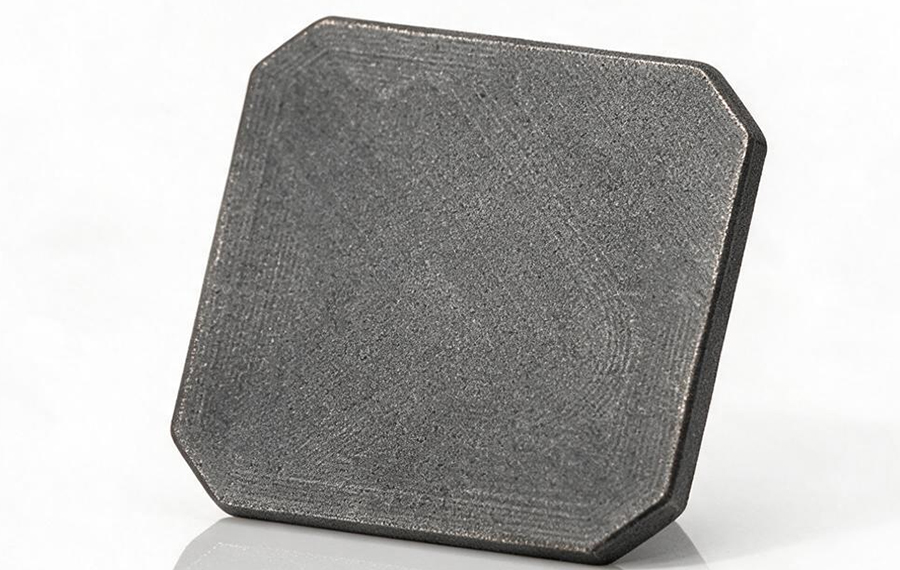
O acabamento maquinado deixa a superfície diretamente da máquina CNC, proporcionando uma opção rentável com marcas de ferramentas.
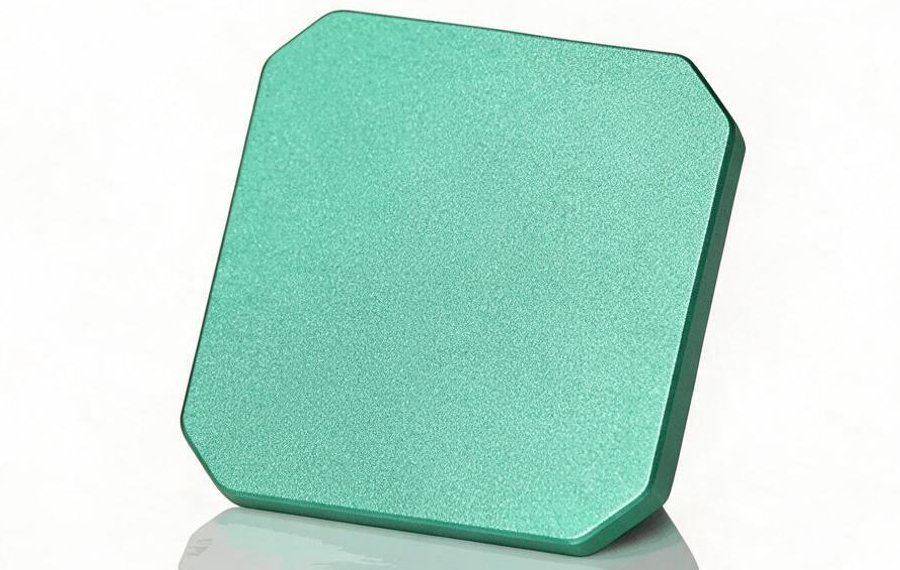
Anodização
A anodização aumenta a resistência à corrosão e as propriedades de desgaste, ao mesmo tempo que permite o tingimento de cores, ideal para peças de alumínio.
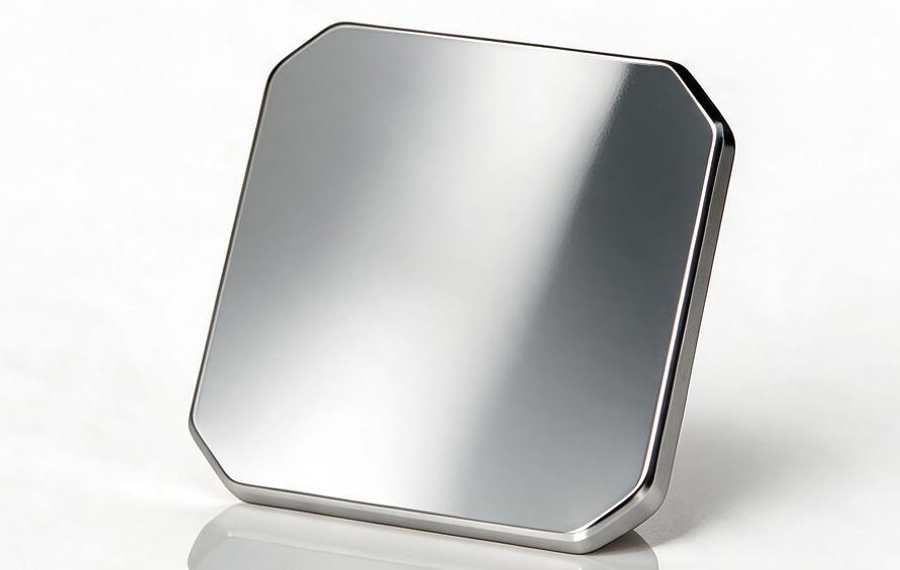
Polimento
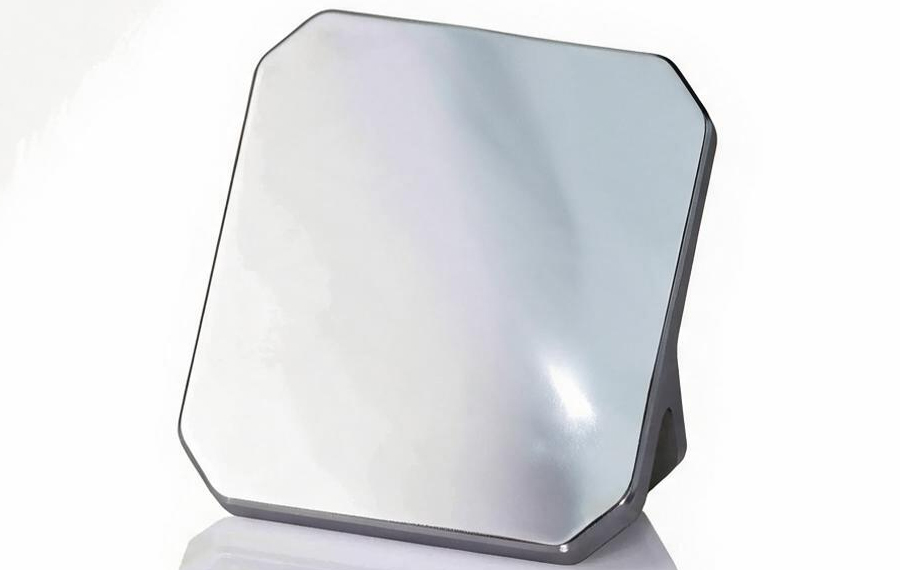
O polimento permite obter um acabamento de alto brilho, reduzindo a rugosidade da superfície e melhorando o aspeto estético dos metais.
Jato de areia
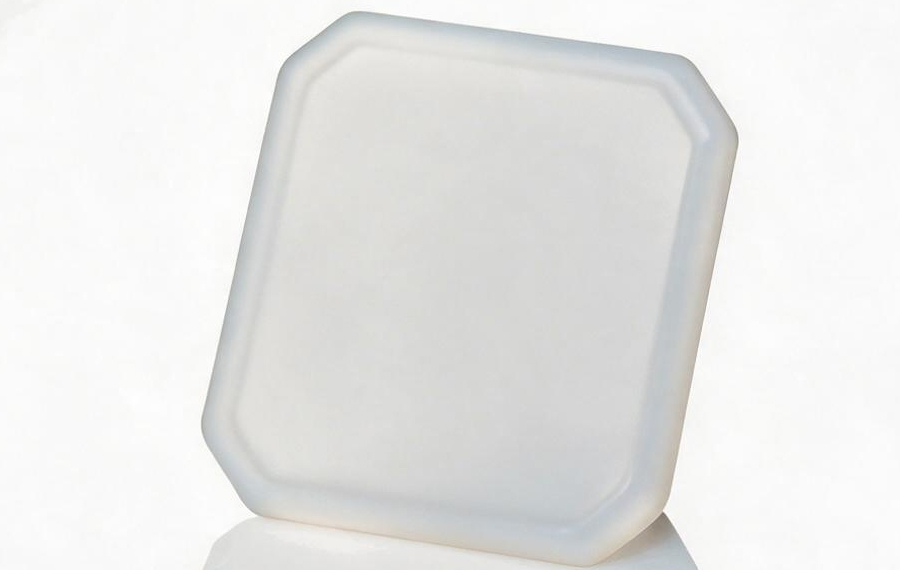
O jato de areia utiliza areia pressurizada ou outros meios para limpar e texturizar a superfície, criando um acabamento uniforme e mate.
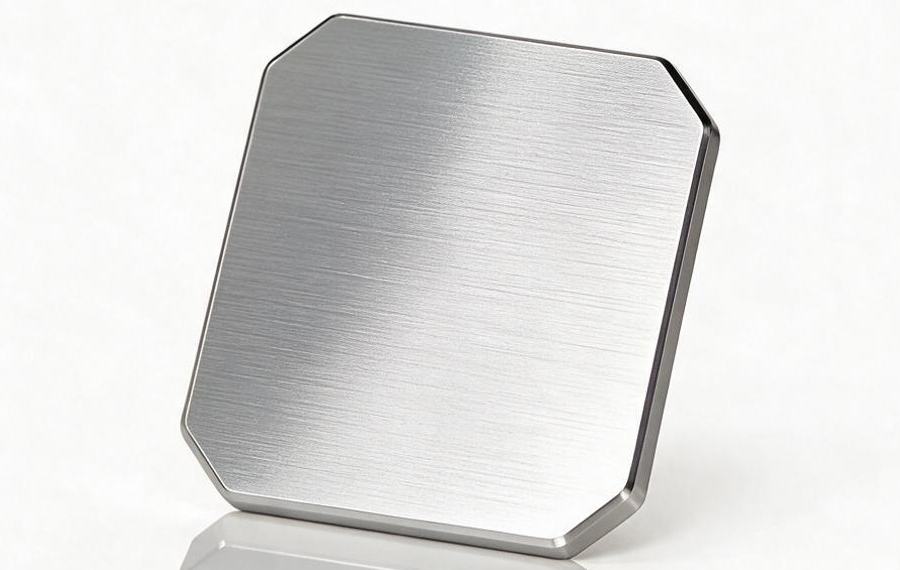
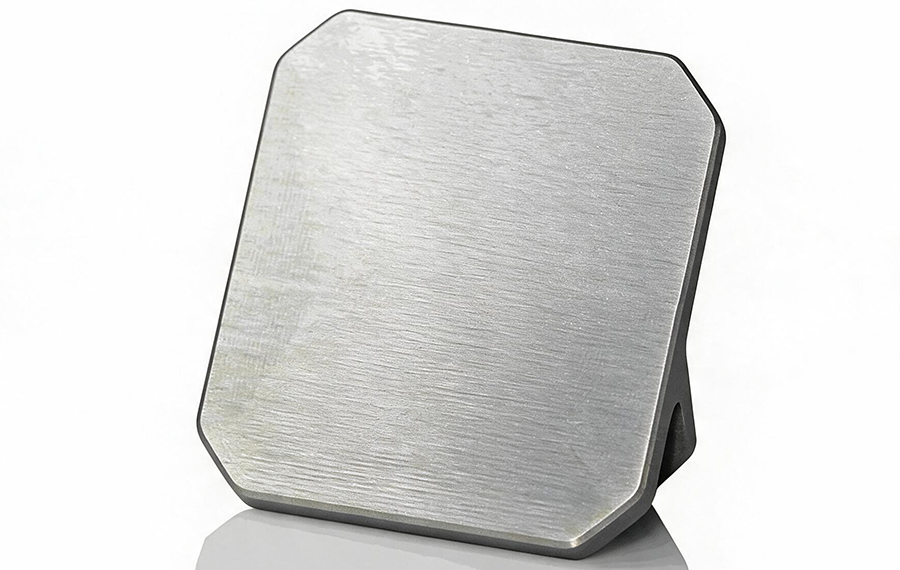
Acabamento escovado
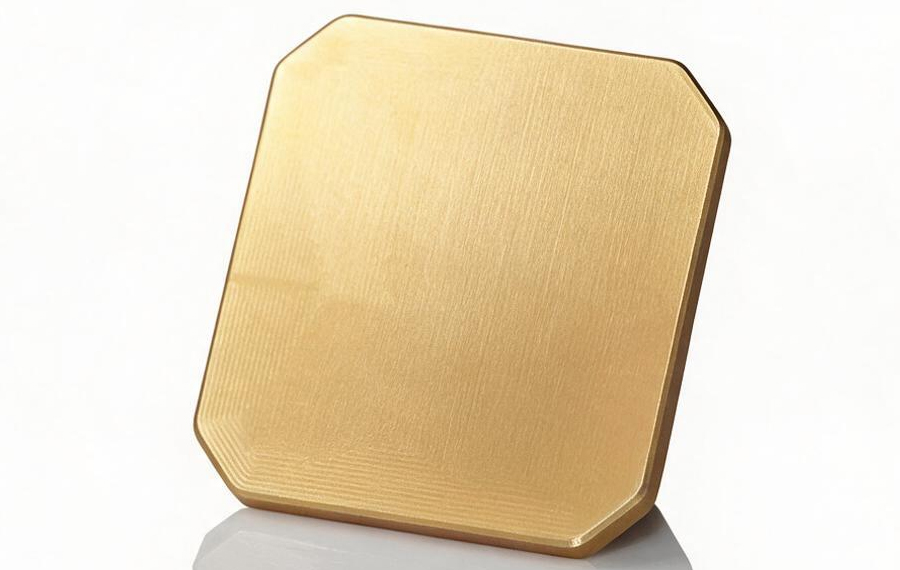
Um acabamento escovado cria uma textura acetinada unidirecional, reduzindo a visibilidade de marcas e riscos na superfície.
Revestimento em pó
O revestimento a pó aplica uma camada espessa e resistente ao desgaste com excelentes opções de cor e textura, adequada para uma variedade de superfícies.
Galvanoplastia
A galvanoplastia liga uma fina camada de metal às peças, melhorando a resistência ao desgaste, a resistência à corrosão e a condutividade da superfície.
Oxidação negra
O oxidante preto é um revestimento de conversão para metais ferrosos que melhora a resistência à corrosão e minimiza a reflexão da luz.
Tumbling
O acabamento maquinado deixa a superfície diretamente da máquina CNC, proporcionando uma opção rentável com marcas de ferramentas.
Electropolimento
O acabamento maquinado deixa a superfície diretamente da máquina CNC, proporcionando uma opção rentável com marcas de ferramentas.
Alodine
O acabamento maquinado deixa a superfície diretamente da máquina CNC, proporcionando uma opção rentável com marcas de ferramentas.
Tratamento térmico
O acabamento maquinado deixa a superfície diretamente da máquina CNC, proporcionando uma opção rentável com marcas de ferramentas.
Tolerâncias do serviço de torneamento CNC
Enquanto empresa de torneamento CNC certificada pela norma ISO 9001, a PartsMastery utiliza máquinas peças de torneamento CNC de precisão para cumprir requisitos rigorosos de tolerância dimensional. Com base no seu projeto, as nossas fresadoras CNC podem atingir tolerâncias de até ±0,005”. As nossas tolerâncias padrão para metais fresados por CNC são a ISO 2768-m e a ISO 2768-c para plásticos.
Descrição
Tamanho máximo da peça
DescriçãoNormalmente, têm até 500 mm de diâmetro e 1 500 mm de comprimento, embora seja possível trabalhar com tamanhos maiores utilizando equipamento específico.
Tamanho mínimo da peça
DescriçãoCom um diâmetro tão pequeno quanto 1 mm, dependendo do material e da configuração de maquinagem.
Tolerâncias gerais
DescriçãoAs tolerâncias padrão são de ±0,01 mm; é possível atingir tolerâncias mais rigorosas, até ±0,005 mm, consoante o material e a complexidade da peça.
Prazo de execução
DescriçãoOs prazos de entrega normais variam entre 3 e 7 dias para pequenos lotes. Estão disponíveis serviços urgentes, que reduzem o prazo de entrega para 24 a 48 horas, dependendo da complexidade das peças e da disponibilidade de materiais.
Torneamento CNC
Orientações de conceção
Tamanho recomendado
Raios
Tamanho recomendadoRecomenda-se um raio interno mínimo de 0,5 mm. Raios maiores (até 3 mm ou mais) podem melhorar o acesso da ferramenta e reduzir as concentrações de tensão na peça.
Roscas e furos roscados
Tamanho recomendadoÉ possível cortar roscas externas e internas com precisão. São possíveis tamanhos de rosca padrão a partir de M1,6. Assegure um comprimento mínimo da rosca de 1,5 vezes o diâmetro para garantir a estabilidade.
Espessura mínima da parede
Tamanho recomendadoMantenha uma espessura mínima de parede de 0,8 mm para metais e de 1,5 mm para plásticos, de modo a garantir a integridade estrutural sem comprometer o processo de maquinagem.
Texto
Tamanho recomendadoA gravação deve ter uma altura mínima dos caracteres de 2 mm e uma profundidade de, pelo menos, 0,5 mm, para garantir a legibilidade após a usinagem.
Furos
Tamanho recomendadoDiâmetro mínimo do furo de 0,5 mm. No caso de furos profundos, mantenha uma relação diâmetro/profundidade de 1:10 para evitar a deflexão da ferramenta e garantir a qualidade do furo.
Porquê?
Escolha-nos
/01
Alta qualidade
Peças de torneamento CNC
Experimente uma precisão sem paralelo em cada projeto. Os nossos avançados processos de fresagem garantem que os componentes cumprem tolerâncias apertadas, tão apertadas como ±0,01 mm, resultando numa montagem perfeita e na excelência operacional.
/02
Prazo de entrega rápido
Tempo
Acelere o seu ciclo de produção com os nossos eficientes serviços de torneamento CNC. Com o apoio das nossas oficinas próprias e de modernos equipamentos CNC, garantimos prazos de entrega rápidos sem comprometer a precisão das peças nem a qualidade da superfície.
/03
Torneamento CNC profissional
Apoio técnico
Independentemente de quando e onde quer que seja, navegue pelos seus projectos de fresagem CNC com confiança. Os nossos especialistas experientes oferecem orientação perspicaz em cada passo, maximizando a otimização do design e a qualidade dos resultados.
Como funciona o torneamento CNC?
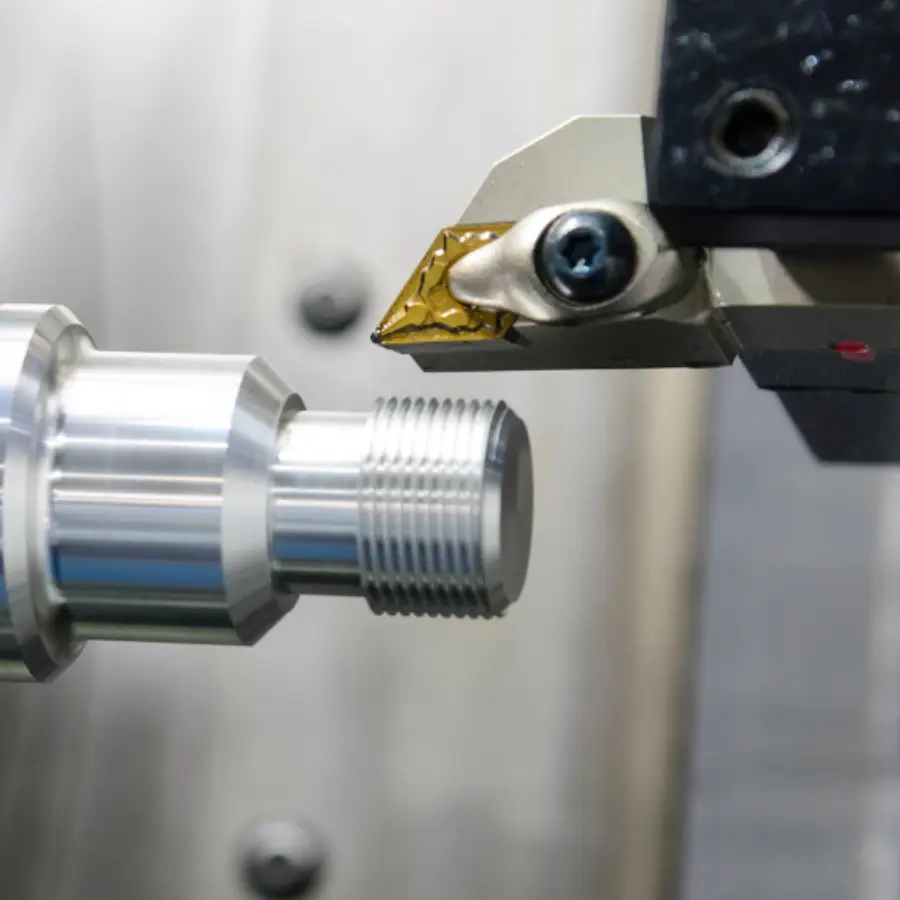
O torneamento CNC é uma operação de fabrico subtrativo que utiliza tornos controlados por computador para moldar com precisão o material, transformando-o em peças cilíndricas. Inicialmente, o desenho da peça é criado através de software CAD e convertido em instruções para a máquina CNC através de software CAM. Durante a configuração, são instaladas as ferramentas de corte adequadas e uma peça cilíndrica é fixada no mandril da máquina, que segura e faz girar o material.
À medida que a máquina funciona, a peça gira a altas velocidades, enquanto as ferramentas de corte se deslocam ao longo de vários eixos para esculpir, cortar e moldar o material de acordo com as especificações do programa. Operações como faceamento, rosqueamento, serrilhagem e perfuração são realizadas durante esta fase. É frequentemente aplicado um líquido de arrefecimento para evitar o sobreaquecimento e para remover os resíduos.
Após a maquinagem, a peça pode ser submetida a processos de acabamento adicionais, como lixagem ou polimento. A etapa final consiste numa inspeção minuciosa para garantir que a peça cumpre todas as dimensões e tolerâncias exigidas. Este processo permite uma elevada precisão e repetibilidade, tornando o torneamento CNC ideal para a produção eficiente de peças complexas.
FAQs
Que peças é que o torneamento CNC consegue fabricar?
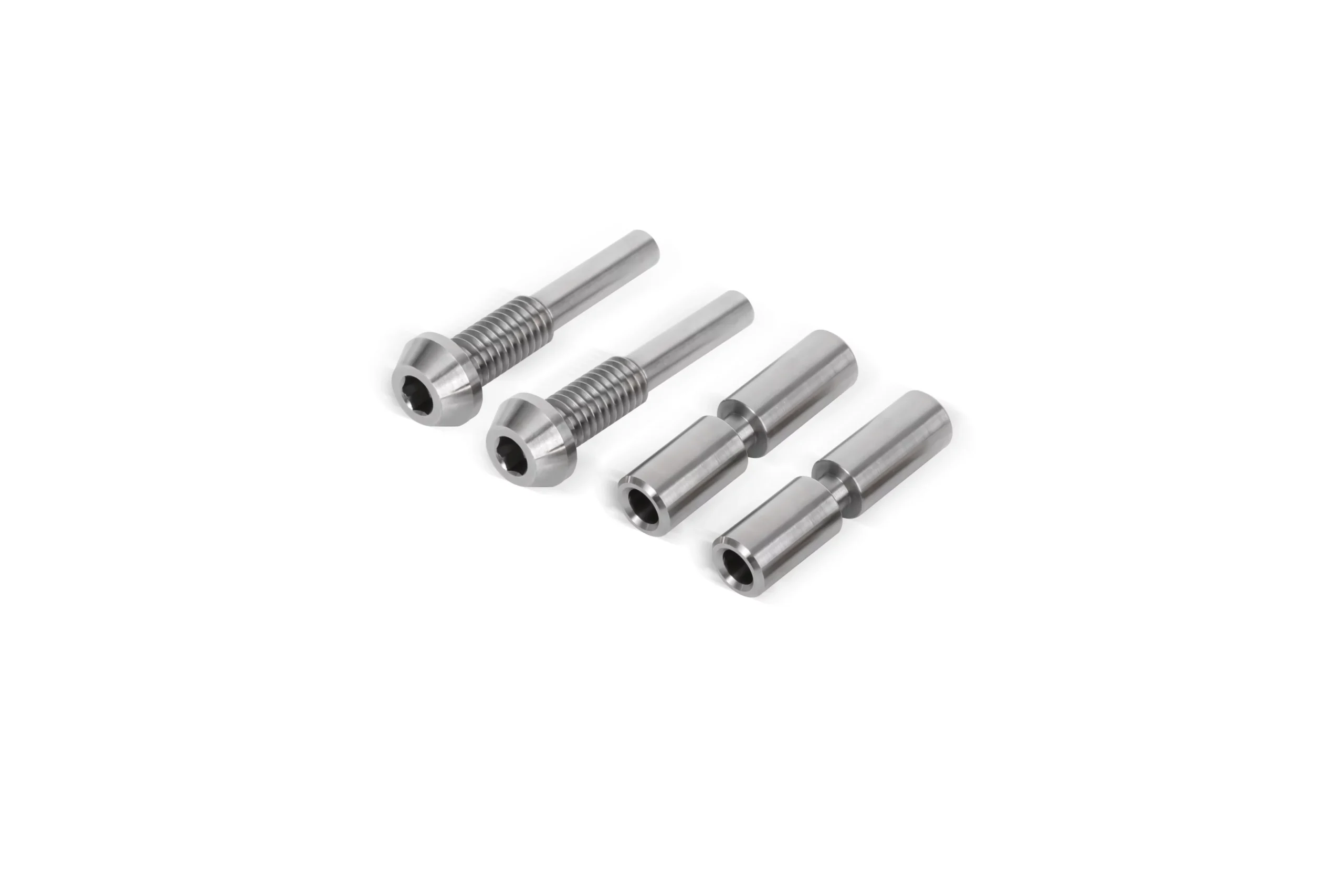
O torneamento CNC produz peças cilíndricas e simétricas em torno do seu eixo. Este processo é normalmente utilizado para o fabrico de peças como eixos, pinos, hastes, buchas e polias. É também adequado para a criação de roscas externas, furos internos e até contornos complexos em superfícies cilíndricas. A precisão do torneamento CNC permite tolerâncias apertadas e um acabamento suave, tornando-o ideal para peças que exigem encaixes e movimentos exatos, comummente encontradas nos setores automóvel, aeroespacial e de maquinaria de fabrico.
Conseguem fabricar peças torneadas em plástico?
Sim, o torneamento CNC é suficientemente versátil para trabalhar com vários materiais, incluindo plásticos. Os plásticos habitualmente torneados em tornos CNC incluem ABS, policarbonato, PTFE (Teflon), nylon e acetal. Cada material apresenta propriedades diferentes; por exemplo, o nylon é conhecido pela sua resistência e resistência ao atrito, enquanto o acetal oferece excelente maquinabilidade e estabilidade dimensional. O torneamento de plásticos requer um controlo preciso das velocidades de corte e da seleção das ferramentas para evitar o derretimento ou a deformação, garantindo a produção de peças precisas e de alta qualidade, adequadas para uma vasta gama de aplicações.
Qual é a diferença entre a fresagem CNC e o torneamento CNC?
A fresagem CNC e o torneamento CNC são ambos processos de fabrico subtrativos, mas diferem na forma como o material é removido.
Na fresagem CNC, a peça fica fixa e a ferramenta de corte desloca-se ao longo de vários eixos para remover material e criar a forma pretendida. Este processo é ideal para peças complexas com várias características, tais como ranhuras, orifícios e contornos.
Por outro lado, o torneamento CNC consiste na rotação da peça enquanto uma ferramenta de corte fixa remove material. Este método é mais adequado para a produção de peças cilíndricas, tais como eixos, anéis e parafusos. Embora a fresagem permita trabalhar geometrias mais complexas, o torneamento é normalmente mais rápido e mais eficiente na produção de peças redondas.
O que é um centro de torneamento CNC e que tipos de peças pode produzir?
Um centro de torneamento CNC é uma máquina controlada por computador concebida para fabricar peças cilíndricas com precisão. É capaz de produzir uma vasta gama de componentes, incluindo eixos, pinos, parafusos, buchas e outras peças complexas. Altamente versátil, o centro de torneamento CNC pode realizar várias operações, tais como faceamento, torneamento, rosqueamento, ranhuramento, perfuração e até mesmo contornos complexos. A sua automação avançada permite uma qualidade de produção consistente e um manuseamento eficiente de peças de torneamento CNC, tanto simples como complexas, em diferentes setores industriais.
Quanto tempo demora o torneamento CNC?
O prazo de entrega depende da complexidade da peça, da quantidade e do material. As peças simples de torneamento CNC podem, muitas vezes, ser produzidas em poucos dias, enquanto as encomendas de maior dimensão ou mais complexas podem exigir mais tempo.