






Quando as pessoas pensam em maquinagem CNC, costumam imaginar o corte de precisão de metais como o alumínio, o aço e o titânio. Mas, ao longo da última década, a maquinagem CNC de plásticos revolucionou discretamente a produção em todos os setores. Desde caixas de aparelhos eletrónicos de consumo a componentes de precisão para a indústria aeroespacial, passando por dispositivos médicos e peças para automação industrial, os plásticos surgiram como um equivalente aos metais graças ao seu design leve, versatilidade e vantagens significativas em termos de custos.
Hoje em dia, a maquinação CNC de plástico é tão avançada e fiável quanto a maquinação de metal. Na JLCCNC, não nos especializamos apenas em peças metálicas de precisão — criámos um ecossistema completo de maquinação CNC de plástico que oferece tudo, desde a validação de protótipos únicos até à produção em pequenas séries. As nossas peças de plástico de precisão têm um preço a partir de apenas $1 por peça. Se estiver a decidir entre a maquinação CNC e a moldagem por injeção, a nossa análise comparativa especializada irá ajudá-lo a escolher o melhor caminho de produção para o seu projeto.
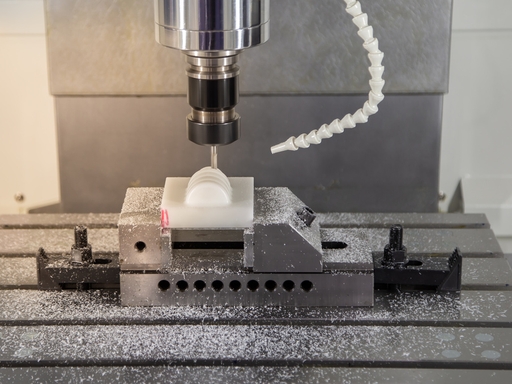
É possível usinar plásticos com precisão através de CNC?
Sem dúvida — mas a usinagem CNC de plásticos requer uma abordagem fundamentalmente diferente da usinagem de metais. Os plásticos têm pontos de fusão mais baixos, coeficientes de expansão térmica mais elevados e um comportamento de cavacos específico. A aplicação direta dos parâmetros de usinagem de metais resultará quase sempre em fusão, deformações, rebarbas excessivas e imprecisões dimensionais.
Principais diferenças entre a usinagem CNC de plástico e de metal
- Rigidez do material: Os plásticos são muito mais macios do que os metais e tendem a sofrer deformações elásticas sob a pressão da ferramenta. Isto requer um sistema de fixação e percursos de ferramenta otimizados para minimizar a tensão de maquinagem.
- Velocidades de corte: Os plásticos costumam ser cortados 30-50% mais rapidamente do que os metais, mas o acúmulo excessivo de calor provoca a fusão. A afiação da ferramenta e os métodos de arrefecimento são, por isso, fundamentais.
- Capacidades de tolerância: A usinagem CNC de plástico padrão atinge tolerâncias de ±0,005 pol. (0,127 mm). No caso de plásticos de engenharia de alto desempenho, o uso de ferramentas de precisão e a otimização do processo podem proporcionar tolerâncias tão rigorosas quanto ±0,001 pol. (0,025 mm).
4 vantagens principais da usinagem CNC de plástico
- Excelente relação custo-benefício: As peças de plástico custam 40-60% menos do que as peças de metal equivalentes com a mesma precisão e complexidade, tornando-as ideais para a produção de volumes baixos a médios.
- Ciclos de produção mais rápidos: A maioria dos plásticos apresenta baixa resistência ao corte, o que permite uma maquinação a alta velocidade e prazos de entrega significativamente mais curtos.
- Excelente resistência à corrosão: Os plásticos não enferrujam nem oxidam, tendo uma durabilidade superior à dos metais comuns em ambientes húmidos, ácidos ou alcalinos.
- Flexibilidade de design inigualável: Estão disponíveis centenas de plásticos modificados, incluindo variantes transparentes, reforçadas com fibra de vidro, ignífugas e autolubrificantes, para satisfazer qualquer requisito de desempenho.
Os 7 plásticos mais comuns para usinagem CNC: tabela comparativa completa
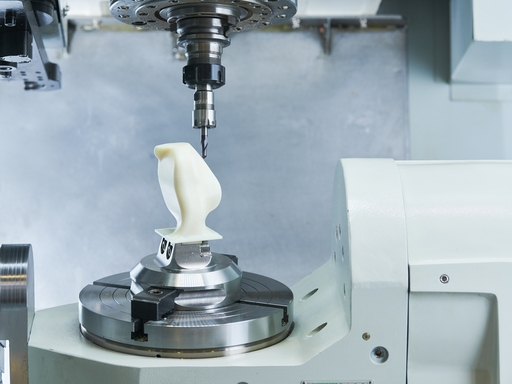
Nem todos os plásticos são iguais no que diz respeito à maquinagem CNC. Os diferentes materiais variam significativamente em termos de maquinabilidade, propriedades mecânicas e aplicações ideais. Com base em anos de experiência em produção, a JLCCNC identificou os 7 plásticos mais utilizados, que cobrem a grande maioria das necessidades industriais.
| Material | Propriedades principais | Aplicações típicas |
|---|---|---|
| ABS | Alta resistência, excelente tenacidade, resistente ao impacto, fácil de tingir e de tratar | Caixas para equipamentos eletrónicos, caixas para equipamentos, gabaritos e dispositivos de fixação, peças sujeitas a manuseamento frequente ou a quedas |
| FR4 | Extremamente rígido, resistente ao calor, com excelente isolamento elétrico | Placas de circuito impresso, isoladores elétricos, dispositivos de ensaio para altas temperaturas, suportes para componentes eletrónicos |
| Nylon (PA6) | Elevada resistência ao desgaste, autolubrificante, resistente a produtos químicos | Engrenagens, buchas, corrediças, rolos transportadores e outras peças móveis de baixo atrito |
| Policarbonato (PC) | Resistência ao impacto excecional, disponível em versões transparentes, ampla gama de temperaturas | Proteções de segurança, janelas de máquinas, lentes óticas, componentes de vidro à prova de bala |
| PMMA (Acrílico) | Elevada transmissão de luz, leve, resistente a riscos, fácil de polir | Vitrinas, difusores de luz, protótipos óticos, peças decorativas transparentes |
| POM (Delrin/Acetal) | Excelente estabilidade dimensional, baixo atrito, elevada rigidez | Rolamentos de precisão, componentes de válvulas, articulações mecânicas, engrenagens de alta precisão |
| Baquelite | Rígido, resistente ao calor, excelente isolamento elétrico, baixo custo | Caixas de interruptores elétricos, blocos de terminais, peças de isolamento para altas temperaturas, componentes elétricos antigos |
Guia rápido de seleção de materiais
- Se precisa de resistência ao impacto: opte pelo ABS
- Componentes de atrito em movimento: Nylon ou POM
- É necessária uma elevada transparência: PC ou PMMA
- Ambientes químicos agressivos: o PTFE (Teflon) é imbatível
- Resistência ao calor + isolamento elétrico: FR4 ou baquelite
Recomendamos que consulte os nossos engenheiros de materiais logo na fase inicial de conceção, para selecionar o plástico ideal para a sua aplicação, evitando assim problemas de desempenho dispendiosos ou atrasos na produção mais tarde.
Dicas essenciais sobre ferramentas e processos para a maquinação CNC de plástico
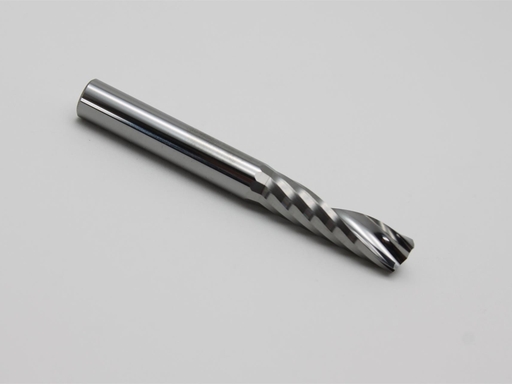
90% das falhas na usinagem de plástico resultam da seleção incorreta de ferramentas e de parâmetros de processo inadequados. Uma configuração inadequada leva a bordas derretidas, rebarbas excessivas, erros dimensionais e desperdício de material.
1. Material e geometria da ferramenta
- Ferramentas de metal duro: A referência em usinagem de plástico. Mantêm-se afiadas por mais tempo, resistem ao desgaste e proporcionam acabamentos de superfície mais limpos, tornando-as essenciais para as séries de produção.
- Ferramentas de aço rápido (HSS): Adequadas apenas para a maquinação em pequenas séries de plásticos muito macios, como o PE e o PP. Desgastam-se rapidamente, o que resulta em superfícies rugosas e acumulação de calor.
- Design da flauta: As ferramentas de uma ou duas ranhuras são ideais para plásticos, uma vez que as suas amplas cavidades de remoção de aparas evacuam rapidamente as aparas e reduzem a acumulação de calor. As fresas de hélice elevada melhoram o acabamento superficial em plásticos macios, mas podem aumentar a estática. As fresas de topo com ranhura em O são especializadas na maquinagem de acrílico, produzindo arestas polidas sem necessidade de acabamento secundário.
2. Métodos de refrigeração e parâmetros de corte
- Arrefecimento por jato de ar: O método de refrigeração mais comum e eficaz para plásticos. O ar comprimido remove as aparas, ao mesmo tempo que reduz a temperatura na zona de corte para evitar a fusão.
- Arrefecimento por névoa: Útil para plásticos de alto desempenho difíceis de maquinar, como o PEEK, mas deve ser aplicado com cuidado para evitar a formação de fissuras por tensão química em determinados materiais.
- Usinagem a seco: Os plásticos termicamente estáveis, como o POM e o PTFE, podem ser maquinados a seco, mas as velocidades de avanço e as profundidades de corte devem ser rigorosamente controladas para evitar a acumulação de calor.
3. Defeitos comuns e soluções
- Derretimento das bordas: Aumente a velocidade de avanço, utilize ferramentas mais afiadas e aumente a pressão do ar para minimizar o tempo de atrito entre a ferramenta e o material.
- Rebarbas excessivas: Otimize os ângulos de ataque e de desbaste da ferramenta, utilize fresagem ascendente, reduza a profundidade do corte de acabamento e, se necessário, realize uma rebarbação secundária.
- Acumulação de eletricidade estática: Os plásticos isolantes, como o acrílico e o PC, geram eletricidade estática que atrai limalhas. Utilize ar ionizado ou sprays antiestáticos para resolver este problema.
- Distorção dimensional: Deixe repousar o material durante um período de tempo suficiente após o desbaste, antes do acabamento, e otimize a fixação para evitar deformações causadas por uma fixação excessiva.
4 setores-chave que utilizam peças de plástico usinadas por CNC
Graças às suas vantagens materiais únicas e às capacidades de usinagem de precisão, as peças de plástico fabricadas por CNC tornaram-se indispensáveis em diversos setores.
1. Medicina e cuidados de saúde
O setor médico exige uma biocompatibilidade, precisão e limpeza excecionais — requisitos que a maquinação CNC de plástico cumpre com excelência:
- Próteses e órteses personalizadas fabricadas em nylon leve e PC para um maior conforto do paciente
- Componentes para o manuseamento de fluidos em laboratório, tais como suportes para tubos de ensaio, pontas de pipeta e recipientes para reagentes, fabricados em PMMA e PP resistentes a produtos químicos
- Cabos e carcaças de instrumentos cirúrgicos fabricados em materiais PEEK e PPSU esterilizáveis
2. Eletrónica de consumo
Os produtos eletrónicos de consumo privilegiam designs finos e leves, bem como o apelo estético, tornando a maquinação CNC de plástico a melhor opção para a prototipagem e a produção em pequenas séries:
- Caixas e estruturas internas para auscultadores, relógios inteligentes e carregadores portáteis
- Protótipos de ecrãs transparentes para validação do design e marketing
- Acessórios eletrónicos personalizados e componentes periféricos
3. Automóvel e Aeroespacial
A redução do peso é o objetivo constante das indústrias automóvel e aeroespacial, e os plásticos de alto desempenho estão cada vez mais a substituir as peças metálicas tradicionais:
- Componentes para o interior de automóveis, grampos, conjuntos do pedal do acelerador e peças da caixa de velocidades
- Interiores de cabines aeroespaciais, suportes para cablagens e componentes não estruturais que reduzem significativamente o peso total da aeronave
- Peças resistentes a produtos químicos para sistemas de combustível e de refrigeração
4. Eletricidade e Eletrónica
As excelentes propriedades isolantes dos plásticos tornam-nos omnipresentes na indústria elétrica e eletrónica:
- Suportes para placas de circuito, espaçadores isolantes e blocos de terminais
- Caixas de interruptores, componentes de tomadas e bobinas de transformadores
- Peças de proteção de isolamento para equipamentos de alta tensão
Perguntas frequentes (FAQ)
P1: O que é a maquinação CNC de plástico?
A usinagem CNC de plástico é um processo de fabrico de precisão que utiliza equipamento controlado por computador para fresar, perfurar, tornear e gravar peças brutas de plástico, transformando-as em peças acabadas. Este processo converte ficheiros de desenho digitais diretamente em componentes físicos sem necessidade de ferramentas, tornando-o ideal para tudo, desde protótipos únicos até à produção em pequenas séries.
P2: Qual é o melhor plástico para a usinagem CNC?
Não existe um plástico “ideal” universal — existe apenas o melhor material para a sua aplicação específica. O POM (Delrin) é ideal para peças de alta precisão e baixo atrito, o ABS é perfeito para caixas de proteção e protótipos em geral, o acrílico destaca-se na produção de componentes transparentes e o PEEK é a melhor escolha para aplicações médicas e aeroespaciais de alto desempenho.
P3: Quais são os requisitos específicos para a maquinação CNC de acrílico?
A chave para o sucesso na usinagem de acrílico é conseguir arestas cristalinas e sem fissuras. É necessário utilizar fresas de ponta em O de uma única ranhura bem afiadas, trabalhar com altas velocidades de avanço e baixas rotações do fuso, e recorrer a um forte arrefecimento por jato de ar para evitar o derretimento e a formação de névoa. Uma pressão de fixação adequada é também fundamental para evitar fissuras.
P4: Todos os plásticos podem ser usinados por CNC?
A maioria dos termoplásticos pode ser usinada por CNC, mas o grau de dificuldade varia significativamente. Os plásticos muito macios, como o PE e o PP, são propensos a deformações e rebarbas, exigindo ferramentas e processos especializados. Os plásticos de engenharia de alto desempenho, como o PEEK e o PI, são mais duros e requerem ferramentas de metal duro e velocidades de corte mais baixas.
P5: A usinagem CNC de plástico é melhor do que a impressão 3D?
A impressão 3D é mais rápida e económica para protótipos únicos e geometrias complexas. No entanto, se necessitar de tolerâncias dimensionais rigorosas, um acabamento superficial de qualidade superior, transparência ótica ou durabilidade adequada à produção, a maquinação CNC de plástico é a melhor opção. A maquinação CNC também é compatível com uma gama muito mais vasta de plásticos industriais do que a impressão 3D.
P6: Qual é o grau de precisão da maquinação CNC de plástico?
Em condições normais de processo, a maioria dos plásticos atinge tolerâncias de ±0,05 mm. No caso de materiais dimensionalmente estáveis, como o POM e o PC, o uso de ferramentas de precisão e a otimização do processo podem proporcionar tolerâncias tão rigorosas quanto ±0,02 mm, satisfazendo plenamente os requisitos dos setores médico, aeroespacial e de outras indústrias de alta precisão.
Conclusão
A maquinação CNC de plástico já não é apenas uma “alternativa económica” à maquinação de metal — é uma tecnologia de fabrico de precisão sofisticada e autónoma, com vantagens únicas. O seu sucesso não reside simplesmente na substituição do metal pelo plástico, mas na seleção do material, das ferramentas e dos parâmetros de processo adequados para tirar pleno partido das propriedades do plástico, nomeadamente a sua leveza, resistência à corrosão e flexibilidade de design.