







金型メーカーサプライヤー:精密製造パートナーシップのための完全なリソース
In the competitive world of industrial production, the choice of tooling maker suppliers can make or break your manufacturing efficiency, product quality, and bottom line. Whether you are producing automotive components, aerospace parts, medical devices, or consumer electronics, the precision tooling that shapes your products must be reliable, durable, and cost‑effective. This guide explores everything you need to know about sourcing, evaluating, and working with professional tooling maker suppliers in today’s global market.
What Are Tooling Maker Suppliers?
Tooling maker suppliers specialize in designing, manufacturing, and delivering a wide range of production tools used in metalworking, plastic molding, stamping, forging, and other manufacturing processes. These tools include cutting tools (drills, end mills, inserts), dies, molds, jigs, fixtures, gauges, and custom tooling solutions tailored to specific production requirements.
Unlike general machine shops, dedicated tooling maker suppliers focus on precision, repeatability, and long service life. They work with advanced materials such as carbide, high‑speed steel (HSS), ceramics, polycrystalline diamond (PCD), and cubic boron nitride (CBN) to create tools that withstand high temperatures, abrasive conditions, and heavy loads.
The value of professional tooling maker suppliers extends beyond the physical products. They provide engineering support, design‑for‑manufacturability advice, material selection guidance, and sometimes just‑in‑time delivery programs. In many cases, they become strategic partners rather than simple vendors.
Why the Choice of Tooling Suppliers Matters
Selecting the right tooling maker suppliers directly impacts several key performance indicators in your production line:
-
Product quality – Precision tools produce parts within tight tolerances, reducing scrap and rework.
-
Production speed – High‑performance tooling allows faster feeds and speeds, increasing throughput.
-
Tool life – Durable tools reduce changeover downtime and lower per‑part tooling costs.
-
一貫性 – Reliable suppliers deliver identical tools batch after batch, ensuring predictable results.
-
Innovation – Advanced suppliers bring new coatings, geometries, and materials that improve your processes.
Poor tooling choices lead to excessive wear, broken tools, damaged workpieces, and costly production delays. Therefore, investing time in finding and qualifying tooling maker suppliers is a strategic necessity.
Key Factors to Evaluate When Choosing Tooling Maker Suppliers
1. Manufacturing Capabilities and Technology
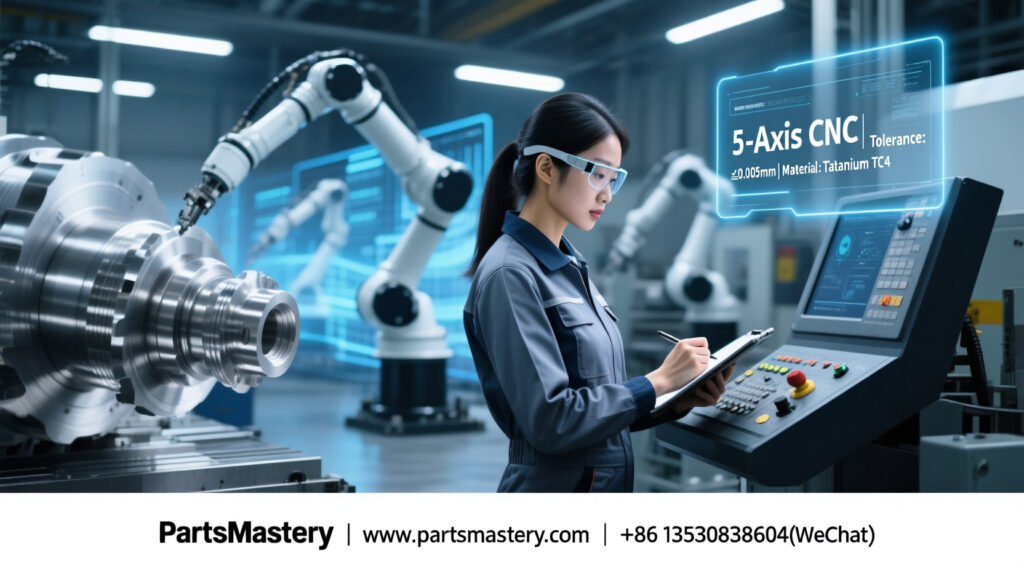
Modern tooling production requires CNC grinding machines, wire EDM, sinker EDM, 5‑axis machining centers, heat treatment furnaces, and coating systems (PVD/CVD). The best tooling maker suppliers maintain in‑house capabilities rather than outsourcing critical steps. Ask about their equipment list, age of machinery, and maintenance practices. Suppliers with recent investments in automation and digital metrology tend to deliver tighter tolerances and faster lead times.
2. Material Sourcing and Quality Control
Tool performance starts with raw material quality. Reputable tooling maker suppliers use certified materials from established mills and perform incoming material inspections. Look for suppliers that provide material certificates, hardness test reports, and microstructure analysis upon request. In‑process quality checks—including dimensional inspection at multiple stages—are equally important. Many top suppliers operate ISO 9001:2015 certified quality management systems, and those serving aerospace or medical markets may hold AS9100 or ISO 13485 certifications.
3. Customization and Engineering Support
Off‑the‑shelf tools work for common applications, but many production challenges require custom geometries, special coatings, or unique substrate materials. Strong tooling maker suppliers offer design assistance, modifying existing products or creating completely new solutions from your drawings or sample parts. They should be willing to review your application parameters (material, machine, coolant, desired tool life) and propose optimizations. Request case studies or examples of similar custom projects they have completed.
4. Lead Times and Supply Chain Reliability
In today’s fast‑paced manufacturing environment, long lead times cause inventory issues and production stoppages. Evaluate tooling maker suppliers on their typical delivery performance. Do they stock common items? Can they offer rapid prototyping in days rather than weeks? Experienced suppliers with vertically integrated operations—raw material to finished tool under one roof—generally provide shorter and more predictable lead times. For international sourcing, check their export experience, packaging for long‑distance shipping, and ability to handle customs documentation smoothly.
5. Technical Communication and Responsiveness
Tooling specifications can be complex. You need suppliers whose engineers speak fluent technical English (or your local language) and respond promptly to inquiries. A supplier that takes three days to answer a basic question about tolerances or coatings is unlikely to resolve urgent production issues effectively. Good communication also means providing clear drawings, inspection reports, and traceability documentation without repeated follow‑ups.
Global Landscape of Tooling Maker Suppliers
The global tooling market continues to expand. As mentioned in industry reports, the market for special dies, tools, jigs, and fixtures is projected to grow from over USD 60 billion to more than USD 80 billion in the coming years. Europe maintains a strong share (approximately 40%) due to its automotive and aerospace clusters. However, Asia—particularly China—has emerged as a major manufacturing hub for tooling. Chinese tooling maker suppliers often combine competitive pricing, large production capacity, and increasingly advanced technology.
When sourcing internationally, buyers should balance cost savings against logistics costs, communication barriers, and intellectual property protection. Many experienced global buyers use a hybrid strategy: standard tooling from low‑cost regions and highly complex or IP‑sensitive tooling from local or trusted offshore partners.
Emerging Trends Shaping Tooling Suppliers
Automation and Smart Tooling
Industry 4.0 has reached the tooling floor. Leading tooling maker suppliers now use automated grinding cells, robotic loading/unloading, and real‑time process monitoring. Some even offer “smart” cutting tools embedded with sensors that transmit wear data, enabling predictive tool changes and reducing unplanned downtime.
Additive Manufacturing (3D Printing) for Tooling
While subtractive methods dominate, additive manufacturing is increasingly used to produce conformal cooling channels in injection molds, complex internal geometries in cutting tools, and rapid prototyping of tooling concepts. Suppliers that invest in hybrid machines (additive + subtractive) can offer unique solutions for challenging applications.
Sustainability Requirements
Buyers are asking about energy use, coolant management, and material recycling. Forward‑looking tooling maker suppliers adopt ISO 14001 environmental management systems, recycle carbide scrap, and reduce grinding sludge waste. These practices not only help the environment but also lower long‑term costs.
How to Build Successful Long‑Term Relationships with Tooling Suppliers
Transitioning from a transactional buyer to a strategic partner with your tooling maker suppliers yields multiple benefits:
-
Priority treatment – Your orders are scheduled faster, especially during peak seasons.
-
Continuous improvement – Suppliers share new coating or geometry upgrades before competitors get them.
-
Volume discounts – Long‑term contracts often come with better pricing and payment terms.
-
Joint problem solving – When a production issue arises, your supplier’s engineers work proactively with yours.
To build such relationships, be transparent about your production forecasts, quality expectations, and performance metrics. Visit the supplier’s facility if possible, or arrange virtual factory tours. Provide feedback on every shipment—both positive and negative. Pay invoices on time. These actions build trust and mutual commitment.
Red Flags to Avoid When Evaluating Tooling Maker Suppliers
Watch out for suppliers that:
-
Cannot provide material certificates or inspection reports
-
Offer prices significantly lower than market average (often a sign of substandard materials or hidden fees)
-
Have vague delivery promises with no tracking system
-
Lack engineering staff and cannot modify standard products
-
Show poor responsiveness during the quoting stage – it rarely improves later
Final Thoughts
Your production line deserves tooling that enhances efficiency, not one that creates constant headaches. By carefully evaluating tooling maker suppliers based on technology, quality systems, customization ability, communication, and reliability, you build a foundation for manufacturing success. Whether you need standard end mills or fully custom die sets, the right supplier partnership will reduce costs, improve quality, and keep your operations running smoothly.
For businesses seeking professional, responsive, and quality‑driven tooling solutions, パーツマスター delivers. With advanced CNC grinding and machining centers, in‑house quality control following ISO 9001:2015 standards, and engineers ready to discuss your requirements in clear English, PartsMastery provides high‑precision tooling for automotive, aerospace, medical, and general industrial applications. Global shipping to Europe and the Americas is available with lead times as short as one week.
📞 PartsMastery +86 13530838604 (WeChat)までご連絡ください。 to discuss your next tooling project and experience the difference of working with a dedicated tooling partner.