


Surface finishing is a critical step in precision CNC component manufacturing, and it directly shapes corrosion resistance, wear performance, electrical properties, and long-term service life. Electroplating and anodizing are two of the most widely used metal surface treatment processes, but they operate on fundamentally different mechanisms and deliver very different performance outcomes. Choosing the wrong process can lead to dimensional deviation, poor coating adhesion, or failure to meet functional requirements.
At PartsMastery, we provide professional anodizing services for precision CNC machined aluminum parts, and we offer technical guidance across the full spectrum of metal finishing solutions. This guide breaks down the core differences, application scenarios, cost drivers, and specification standards for both processes to help engineering and procurement teams make informed, reliable selections.
1. Core Working Principles & Fundamental Differences
Put simply, anodizing is a conversion coating process, while electroplating is an additive deposition process. This basic mechanical difference determines all subsequent variations in performance, application, and dimensional behavior.
1.1 How Anodizing Forms an Integrated Oxide Layer
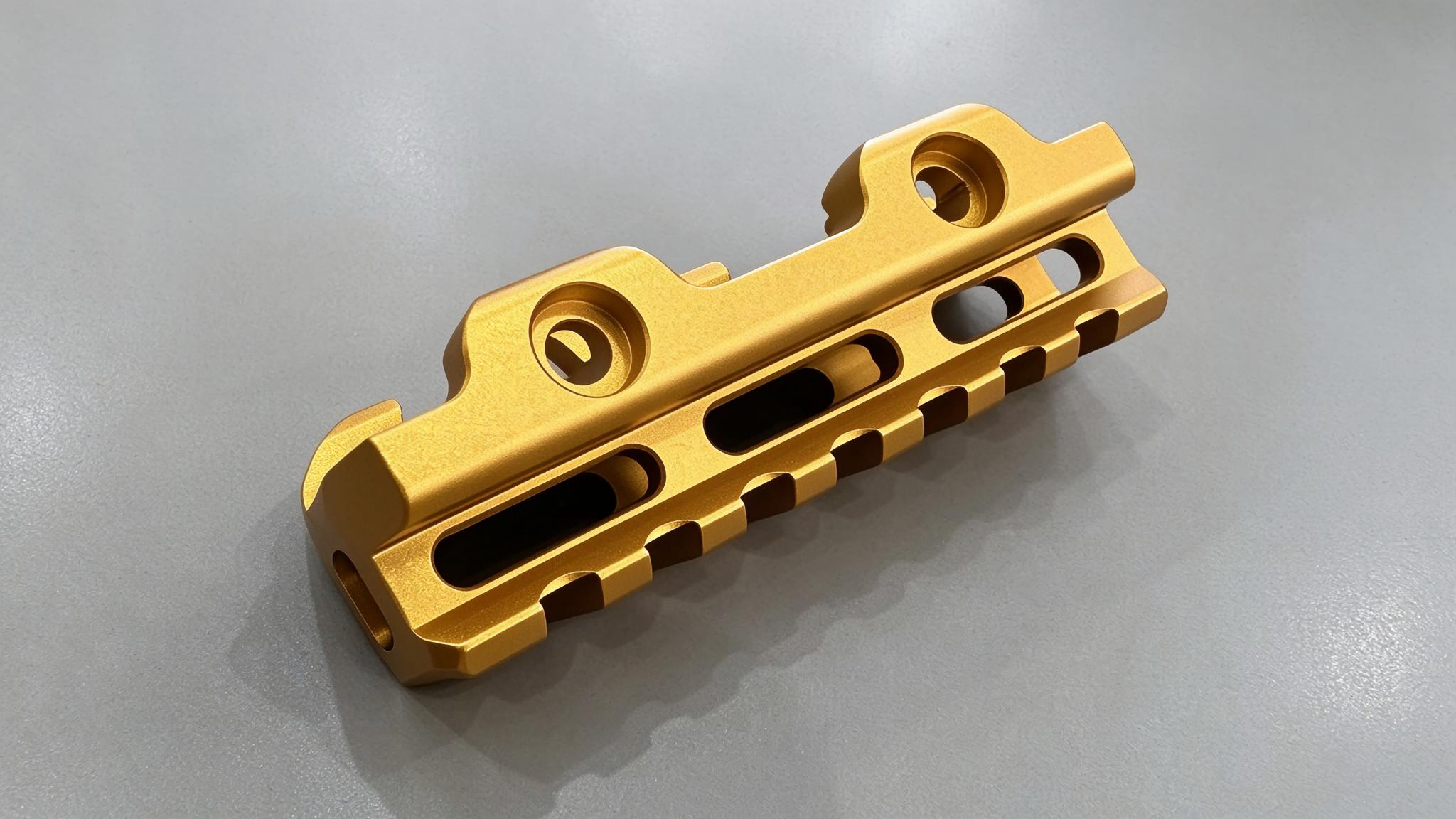
Anodizing is an electrolytic conversion process where the aluminum workpiece acts as the anode in an electrolyte bath. When direct current is applied, electrochemical reactions at the surface form a dense aluminum oxide layer that grows from the base material itself, rather than being added from an external source.
Importantly, the oxide layer grows partially inward by consuming the aluminum substrate and partially outward beyond the original surface. This metallurgical integration gives anodizing exceptional adhesion and almost no risk of delamination under normal use. Depending on bath chemistry, common commercial types include Type I chromic acid anodizing, Type II sulfuric acid decorative anodizing, and Type III hardcoat anodizing for high-wear applications.
1.2 How Electroplating Deposits a Separate Metal Layer
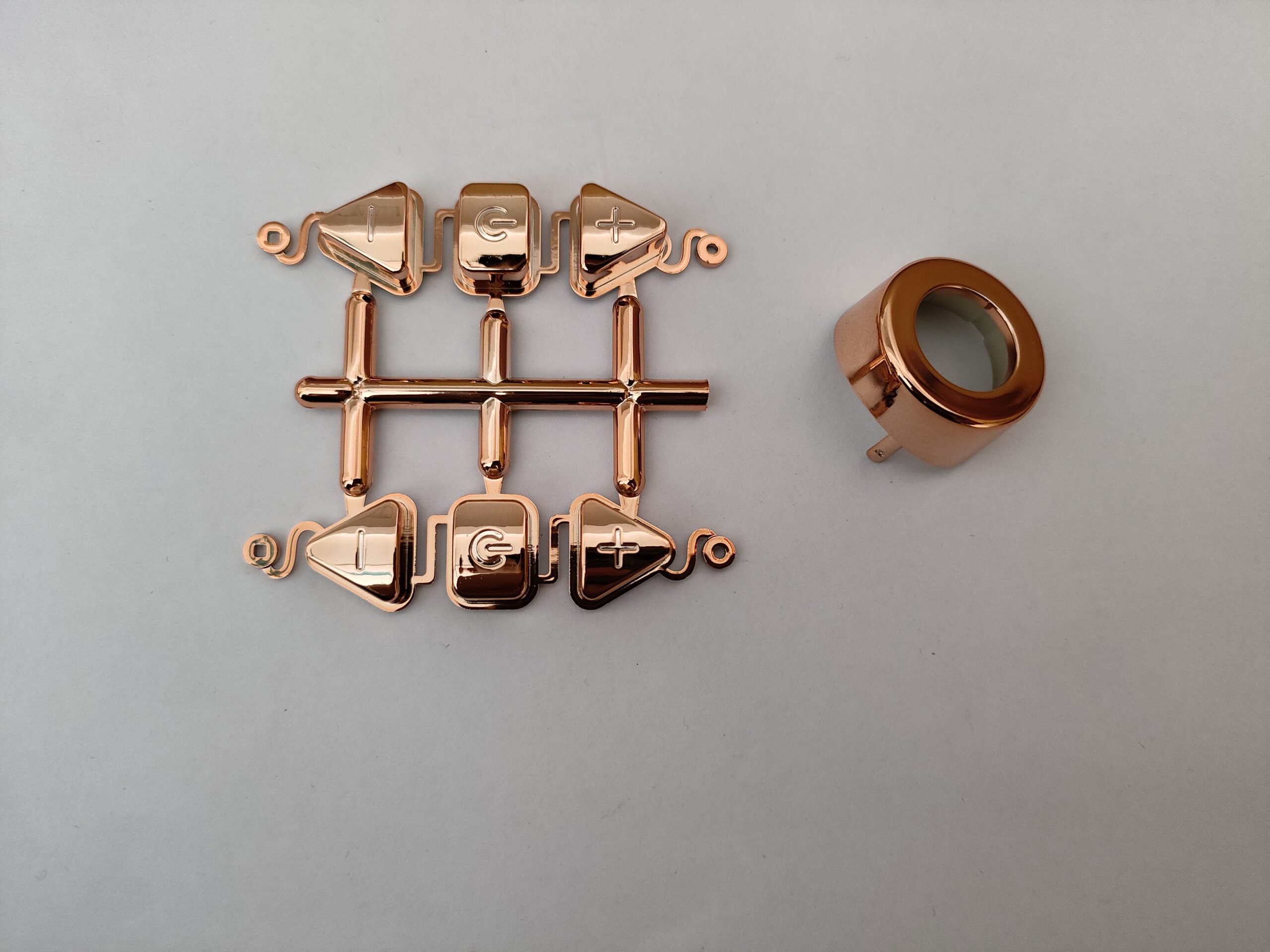
By contrast, electroplating is an additive electrolytic process. The workpiece serves as the cathode, and the bath contains dissolved metal salts. When current flows through the circuit, metal ions in the solution are reduced and precipitate as a solid metallic coating directly onto the part surface.
The deposited layer is a physically separate material from the substrate, so its performance depends almost entirely on plating metal quality and surface preparation. Common plating metals include zinc, nickel, chromium, copper, silver, and gold, each delivering distinct properties for corrosion protection, wear resistance, electrical conductivity, or decorative appearance.
2. Full Comparison Across 8 Key Engineering Dimensions
The table below summarizes the core differences between the two processes across the most relevant engineering criteria for CNC machined parts.
| Performance Criterion | Anodizing (Aluminum Base) | Electroplating |
|---|---|---|
| Coating Mechanism | Conversion coating; oxide layer integrates with the substrate, with mixed inward/outward growth | Additive deposition; a separate metal layer adheres to the prepared substrate surface |
| Compatible Base Materials | Primarily aluminum and its alloys; limited use on a small number of other non-ferrous metals | Steel, stainless steel, copper, brass; aluminum requires specialized pretreatment first |
| Adhesion Performance | Oxide is metallurgically bonded; extremely low delamination risk under normal operating conditions | Depends heavily on pretreatment quality; poor surface preparation leads to peeling or flaking |
| Dimensional Behavior | Roughly 50% inward / 50% outward growth; exact ratio varies by alloy and process conditions | 100% external material buildup; reduces inner diameters and tightens clearances proportionally |
| Electrical Properties | Standard and hardcoat types are electrically insulating; conductive anodizing is available for special applications | Nearly all metallic platings are electrically conductive; performance varies by deposited metal |
| Surface Hardness | Type III hardcoat reaches 600–700 HV; standard Type II is significantly softer | Hard chromium can exceed 1000 HV; softer platings such as zinc have much lower surface hardness |
| Coverage on Recesses & Holes | Excellent throwing power; penetrates deep cavities and narrow gaps with high uniformity | Poor throwing power; thicker on sharp edges, thinner in deep holes; auxiliary anodes needed for high-aspect-ratio features |
| Effect on Threads & Precision Bores | Uniform growth reduces bore diameter slightly; highly predictable and easy to compensate in machining | Uneven buildup (up to 4:1 ratio on threads); higher risk of fit issues on tight-tolerance features |
3. Aluminum Electroplating: Feasibility & Pretreatment Requirements
Aluminum can be electroplated, but reliable adhesion is not achievable with a standard plating line alone. The natural oxide film that forms instantly on exposed aluminum prevents direct metallic bonding, so a controlled pretreatment sequence is mandatory for any production-grade application.
3.1 Standard Pretreatment Sequence for Aluminum Plating
- Alkaline etching: Removes surface oxides and organic contaminants using a heated caustic solution
- Acid de-smutting: Dissolves insoluble alloying residues left after etching to leave a clean, active metal surface
- Zincate immersion: Deposits an ultra-thin zinc layer by galvanic displacement, creating a uniform bonding surface for subsequent plating
- Double zincate process: The first zinc layer is stripped and re-applied to produce a denser, finer grain structure for significantly improved adhesion
3.2 When to Plate Aluminum Instead of Anodizing
Electroplating on aluminum is justified only when anodizing cannot meet functional requirements. Typical use cases include:
- Parts requiring high electrical conductivity or low contact resistance, such as busbars, waveguide components, and EMI shielding enclosures
- Surfaces that must be solderable using standard electronic assembly methods
- Applications demanding specific tribological properties that an oxide layer cannot reliably provide
4. Practical Selection Guide for CNC Components
Choosing between the two processes depends on base material, functional requirements, tolerance limits, and operating environment. The following guidelines cover most common engineering scenarios.
4.1 Scenarios Where Anodizing Is Preferred
- Aluminum structural components requiring corrosion protection and improved surface hardness with minimal weight gain
- Parts needing electrical insulation between mating surfaces or mounting points
- Components with deep cavities, narrow slots, or high-aspect-ratio holes where uniform coverage is critical
- Projects requiring colored decorative finishes with good outdoor weathering durability
4.2 Scenarios Where Electroplating Is Preferred
- Steel, copper, or brass components needing corrosion protection or improved wear resistance
- Electrical and electronic parts requiring conductivity, solderability, or EMI/RFI shielding performance
- Sliding contact surfaces demanding extremely high hardness and low friction, such as hard chromium plating
- Components requiring precious metal contact surfaces for high-reliability signal or power interfaces
5. Key Cost Drivers for Both Finishing Processes
Cost levels cannot be generalized for all cases, as both processes are highly sensitive to material, geometry, and specification. The following factors have the strongest influence on final unit pricing.
5.1 Pretreatment and Bath Chemistry
For aluminum electroplating, the multi-step pretreatment sequence is the largest cost driver, as it adds labor, process time, and chemical consumption. For anodizing, standard Type II sulfuric acid anodizing uses low-cost chemistry, but Type III hardcoat is far more energy-intensive due to low bath temperatures and high current densities. Precious metal plating is inherently expensive due to the high material cost of deposited metals such as gold or silver.
5.2 Geometry, Racking, and Rework Risk
Complex part shapes require custom racking and tighter process control to ensure uniform thickness, which raises unit cost. Parts with critical tolerances also carry higher rework risk, since stripping a failed coating can permanently alter base material dimensions. For anodized parts, areas requiring masking or selective coating removal also add labor and setup cost.
6. Drawing & RFQ Specification Best Practices
Clear, complete specifications prevent misalignment between customer expectations and supplier output. For both processes, include the following information on engineering drawings and inquiry documents.
6.1 Base Material and Surface Condition
Specify the exact alloy grade, temper, and pre-finish surface condition. For aluminum alloys such as 6061 and 7075, alloy composition affects final anodizing color and surface appearance, so advance confirmation helps avoid cosmetic and performance disputes.
6.2 Masking and Selective Coating Requirements
Clearly mark any areas that must remain uncoated, such as threaded holes, electrical contact pads, or precision fitting surfaces. At PartsMastery, we support masking for small threaded holes and selective coating removal via secondary CNC machining or laser processing for high-precision locations.
6.3 Performance and Inspection Standards
Reference applicable industry standards, such as MIL-PRF-8625 for aluminum anodizing or ASTM B633 for zinc electroplating on steel. Define coating thickness range, acceptance criteria for corrosion testing, and inspection methods. Always state whether critical dimensions are specified before or after finishing, and account for dimensional growth in machining allowances.
7. Frequently Asked Questions
Q1: Do both processes affect CNC part tolerances?
Yes, both processes change part dimensions, but in different ways. Anodizing causes controlled growth with a roughly 50/50 inward/outward ratio as a general estimate, though exact values vary by alloy. Electroplating adds 100% external material, with uneven buildup at sharp edges and threads. For tight-tolerance features, always define finished dimensions and adjust machining allowances accordingly.
Q2: Is electroplating always more expensive than anodizing?
No. For high-volume steel fasteners, standard zinc plating can be very cost-effective. For aluminum parts, however, electroplating almost always costs more than anodizing due to the required pretreatment sequence. Precious metal platings are universally more expensive than standard anodizing due to raw material cost.
Q3: Can anodized aluminum conduct electricity?
Standard and hardcoat anodized aluminum are electrically insulating, since aluminum oxide is a dielectric material. If electrical contact is required, you can specify conductive anodizing, or plan for selective removal of the anodic layer at contact areas. The required contact resistance should always be stated clearly on the drawing.
Q4: Which finish offers better corrosion protection?
For aluminum, properly sealed Type II or Type III anodizing provides excellent long-term barrier protection, as the oxide layer is fully integrated with the substrate. For steel, electroplated zinc provides effective sacrificial corrosion protection. On aluminum, poorly adherent plating can delaminate at defects and allow undercutting corrosion, so anodizing is generally more reliable for aluminum base materials.
Conclusion
All things considered, anodizing and electroplating serve distinct functional purposes and are not direct interchangeable alternatives. Anodizing creates an integrated oxide layer ideal for corrosion resistance, surface hardness, and electrical insulation on aluminum components. Electroplating deposits a separate metallic layer to add conductivity, solderability, high wear resistance, or special decorative properties.
At PartsMastery, we provide precision CNC machining paired with professional anodizing services for aluminum components. Our engineering team can review your part drawings to recommend the optimal finishing process, calculate appropriate machining allowances, and ensure dimensional compliance after surface treatment. From prototype development to volume production, we support consistent, reliable surface finishing results for every project.