Precision Machining Services
Get high quality precision CNC machined parts. Tolerances down to 0.01mm. Machined parts as fast as 1 day.
STEP | STP | SLDPRT | IPT | PRT | SAT files
What is Precision CNC Machining
Precision machining uses advanced CNC technology to create highly accurate parts needed in fields like aerospace, medical devices, and electronics. This process ensures every component meets exact specifications for size, shape, and function. CNC precision machining is essential for producing detailed and complex designs that regular machining can’t achieve. It allows for consistent production of high-quality precision machined parts and components, such as gears, brackets, and enclosures.
With PartsMastery precision CNC services, industries can achieve tight tolerances and high precision, ensuring that each part functions perfectly in its specific application. These capabilities make it possible to manufacture parts that fit precisely within sophisticated machinery and devices, ensuring reliability and efficiency. Whether it’s small-scale prototypes or large-volume production, we deliver durable and dependable components. PartsMastery is committed to providing comprehensive high precision machining solutions to meet the diverse needs of our clients across various industries.

Our CNC Precision Machining Services
Wire EDM Service
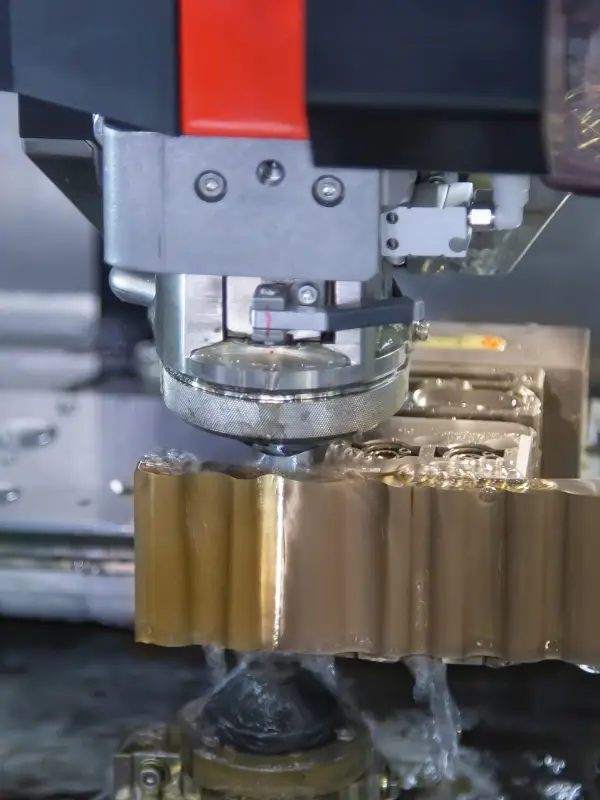
PartsMastery’s wire EDM, part of our CNC services, efficiently crafts both simple and intricate shapes. Ideal for parts requiring high precision, this no-contact method produces minimal burrs and excels with metals like steel and titanium. Favored in aerospace, automotive, and electronics for their accuracy, we ensure tailored, precise solutions regardless of your needs.
| Capability | Details/Specifications |
| Material Compatibility | Stainless Steel, Titanium, Aluminum, Tool Steel, Copper |
| Tolerance | ± 0.0001 inches (0.0025 mm) or better (based on material and thickness) |
| Maximum Workpiece Size | Length: 16 inches (400 mm) Width: 12 inches (300 mm) Height: 8 inches (200 mm) |
| Cutting Speed | Up to 300 mm2/min (specific to material and thickness) |
| Surface Finish | As fine as Ra 0.2 µm |
| Maximum Cutting Thickness | Up to 12 inches (300 mm) – varies based on material |
| Wire Diameter Range | 0.004 inches (0.1 mm) to 0.012 inches (0.3 mm) |
Mirror EDM Service
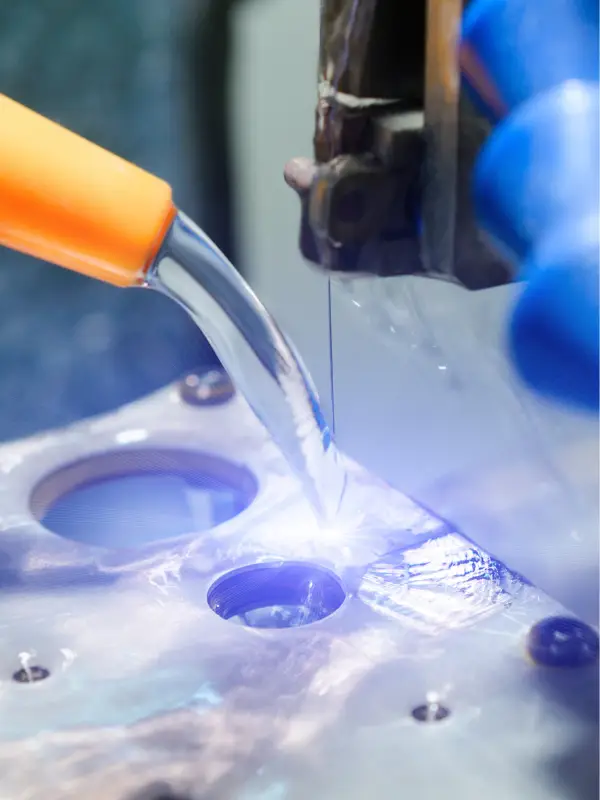
Mirror EDM delivers mirror-reflective parts through high precision machining. Capable of producing intricate shapes with tight tolerances, it excels on hard materials where conventional tools falter. Catering to industries from aerospace to electronics, our Mirror EDM ensures unparalleled precision, capturing intricate contours and complex geometries consistently.
| Capability | Details/Specifications |
| Material Compatibility | Stainless Steel, Titanium, Aluminum, Tool Steel, Copper |
| Surface Finish | Achievable down to Ra 0.05 µm or better (based on material and process parameters) |
| Tolerance | ± 0.00005 inches (0.0013 mm) or better (depending on material and thickness) |
| Maximum Workpiece Size | Length: 16 inches (400 mm) Width: 12 inches (300 mm) Height: 8 inches (200 mm) |
| Maximum Cutting Thickness | Up to 10 inches (250 mm) – varies based on material |
Grinding Service
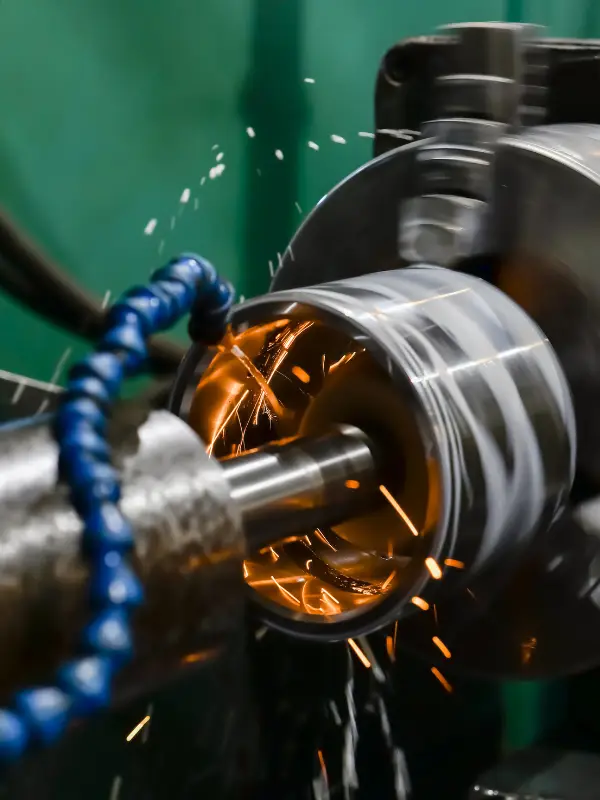
PartsMastery’s advanced manufacturing facility features high-precision grinding machines, perfect for manufacturing metal parts with tight tolerances. Our versatile grinding excels from small parts to complex geometries. The precision wheels provide controlled material removal, ensuring polished finishes. This efficiency reduces costs, wear, and errors. Trust our expert team to guide you to the ideal grinding solution for your project.
| Capability | Details/Specifications |
| Material Compatibility | Stainless Steel, Aluminum, Tool Steel, Copper, Ceramics, Carbides |
| Grinding Methods | Surface Grinding, Cylindrical Grinding, Centerless Grinding, Internal Grinding |
| Tolerance | ± 0.0001 inches (0.0025 mm) or better (specific to material and grinding method) |
| Maximum Workpiece Size | Length: 24 inches (600 mm) Width: 10 inches (250 mm) Diameter: 8 inches (200 mm) for cylindrical grinding |
| Surface Finish | Achievable down to Ra 0.1 µm or better (based on material and grinding method) |
CNC Turning Service
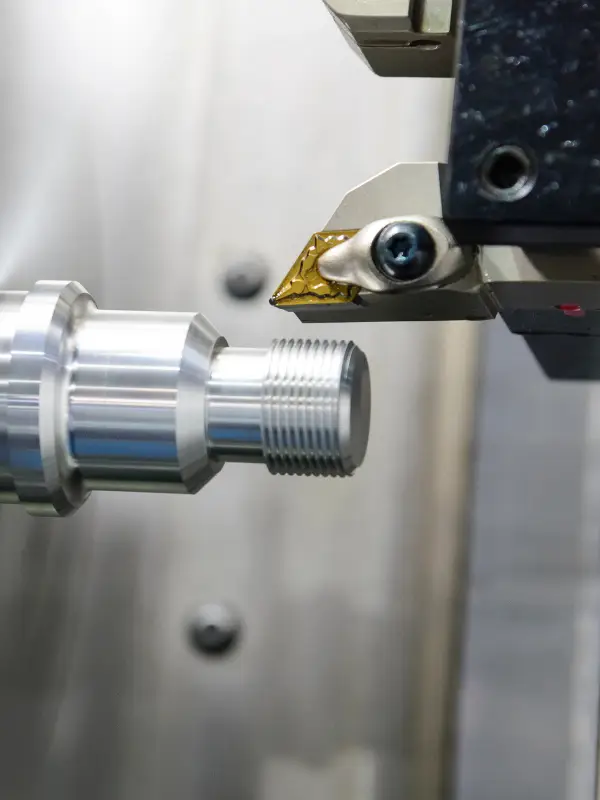
PartsMastery’s advanced CNC turning delivers unmatched accuracy and repeatability for machine parts and prototypes. Our diverse turning centers cater to varied applications, ensuring consistent precision across batches. With reduced errors, we offer quicker production without sacrificing quality. Rely on our technicians and top-grade CNC machines for exceptional component craftsmanship.
| Capability | Details/Specifications |
| Material Compatibility | Stainless Steel, Aluminum, Tool Steel, Copper, Brass, Titanium, Plastics |
| Turning Operations | External & Internal Turning, Facing, Taper Turning, Boring, Drilling, Threading |
| Tolerance | ± 0.0005 inches (0.0127 mm) or better (specific to material and operation) |
| Maximum Workpiece Diameter | 20 inches (508 mm) or specific to machine capability |
| Maximum Workpiece Length | 60 inches (1524 mm) or specific to machine capability |
| Axis | 2-axis, 3-axis, multi-axis turning capability |
| Bar Feeding Diameter | Up to 3 inches (76 mm) or machine-specific |
CNC Milling Service
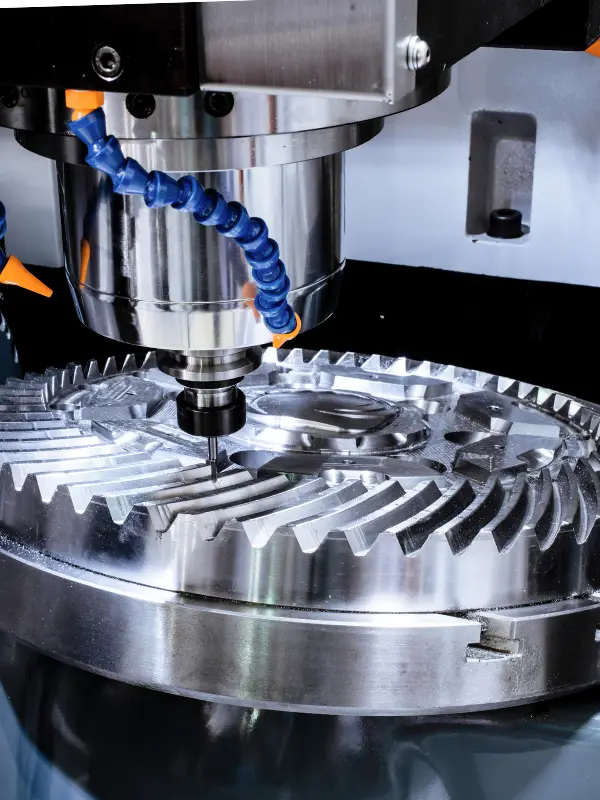
PartsMastery’s multi-axis milling machines guarantee CNC parts with tight tolerances and precise dimensions. This technology delivers precision tailored to your needs, ideal for iterations and new products. Compatible with a broad material range, from metals to composites, our CNC milling boasts efficiency, having parts ready swiftly.
| Capability | Details/Specifications |
| Material Compatibility | Stainless Steel, Aluminum, Tool Steel, Copper, Brass, Titanium, Plastics |
| Milling Operations | Face Milling, Profile Milling, Pocket Milling, Complex Surface Milling, Drilling, Boring |
| Tolerance | ± 0.0005 inches (0.0127 mm) or better (specific to material and operation) |
| Maximum Workpiece Size | X: 40 inches (1016 mm) Y: 20 inches (508 mm) Z: 25 inches (635 mm) or specific to machine capacity |
| Axis | 2-axis, 3-axis, multi-axis turning capability |
| Bar Feeding Diameter | Up to 3 inches (76 mm) or machine-specific |
PartsMastery
Precision Machining Solutions
Prototyping
Rapid Prototyping
Leverage our robust manufacturing capabilities for swift, high-quality prototype delivery. Using the latest technology, we ensure rapid, accurate production, expediting your path from testing to market.
Capability: 20-500
Lead Time: 10 business days
Production
Low and High-Volume Production
PartsMastery is equipped to handle large-scale production orders. This means they can efficiently produce large quantities of CNC precision machining parts without compromising quality or accuracy.
Capability: 1000+
Lead Time: 15 business days
Precision CNC Machining Tolerances
| Typical Tolerance (mm) | Best Possible Tolerance (mm) | Notes | |
|---|---|---|---|
| EDM (Electrical Discharge Machining) | Typical Tolerance (mm) ±0.015 | Best Possible Tolerance (mm) ±0.005 | Notes Tolerance can be affected by electrode wear. |
| Grinding | Typical Tolerance (mm) ±0.005 | Best Possible Tolerance (mm) ±0.001 | Notes Surface finish is typically smoother with grinding. |
| CNC Turning | Typical Tolerance (mm) ±0.025 | Best Possible Tolerance (mm) ±0.010 | Notes Finish can impact tolerance. |
| CNC Milling | Typical Tolerance (mm) ±0.025 | Best Possible Tolerance (mm) ±0.005 | Notes Precision can vary based on tool type and material. |
Success Stories of
Precision Machining Projects
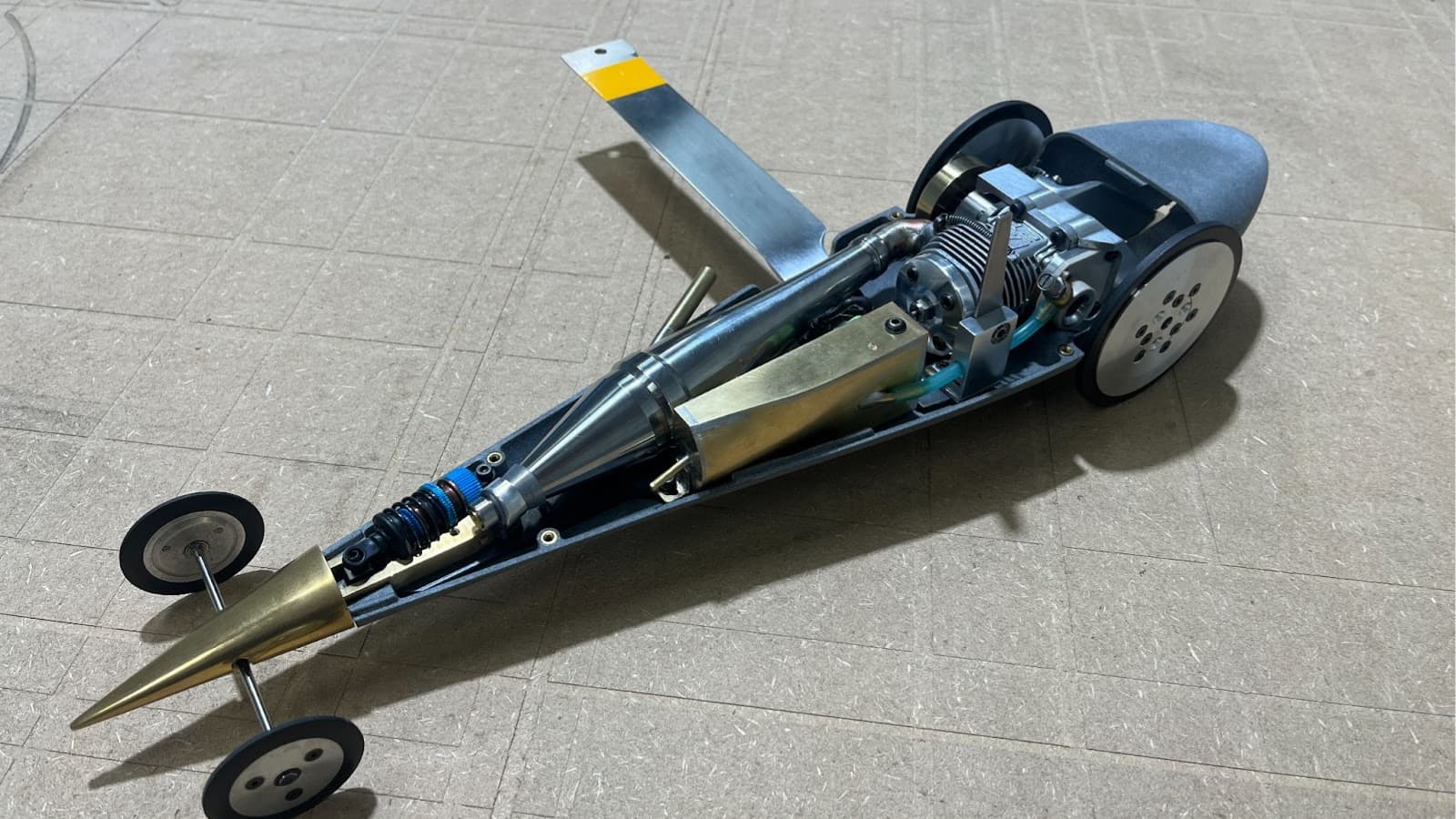
Thanks to PartsMastery, Arco successfully modified his tether car’s engine, including turning the crankshaft and designing a new intake system for improved efficiency.
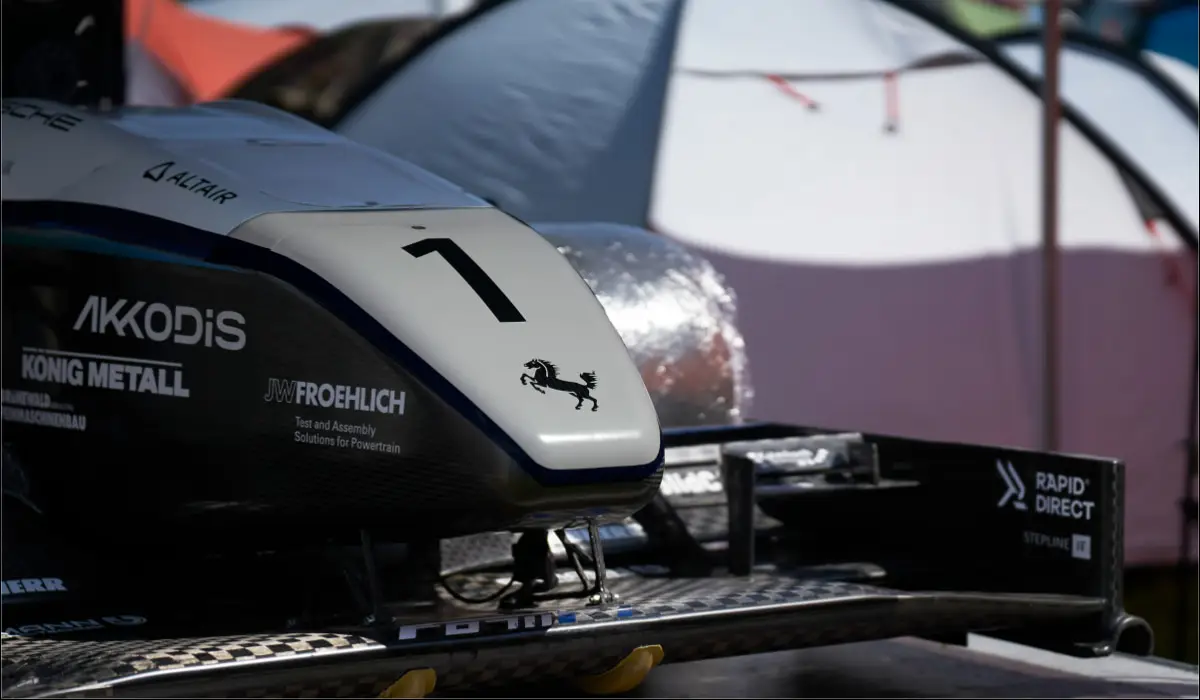
PartsMastery proudly supports Rennteam Stuttgart by manufacturing 2 mainbar components and over 80 Aluminum inserts. Our precision engineering ensures they’re ready to conquer the Formula Student competitions, giving the team a winning edge.
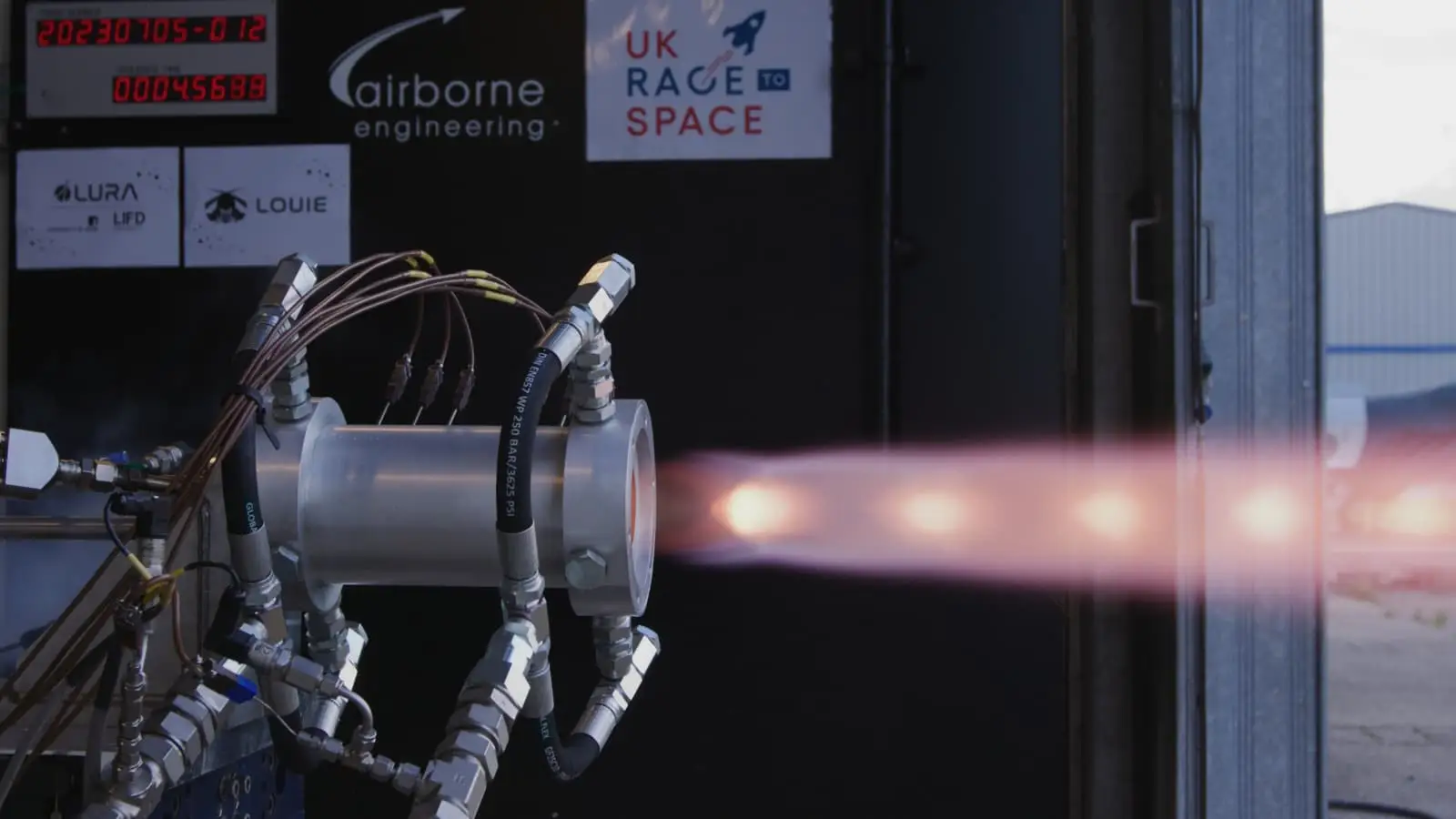
LURA, the Leeds University Rocket Association, used PartsMastery’s 5-axis CNC machining and turn-mill compounding techniques to create intricate engine parts essential for their victory in the National Race to Space Propulsion Competition.
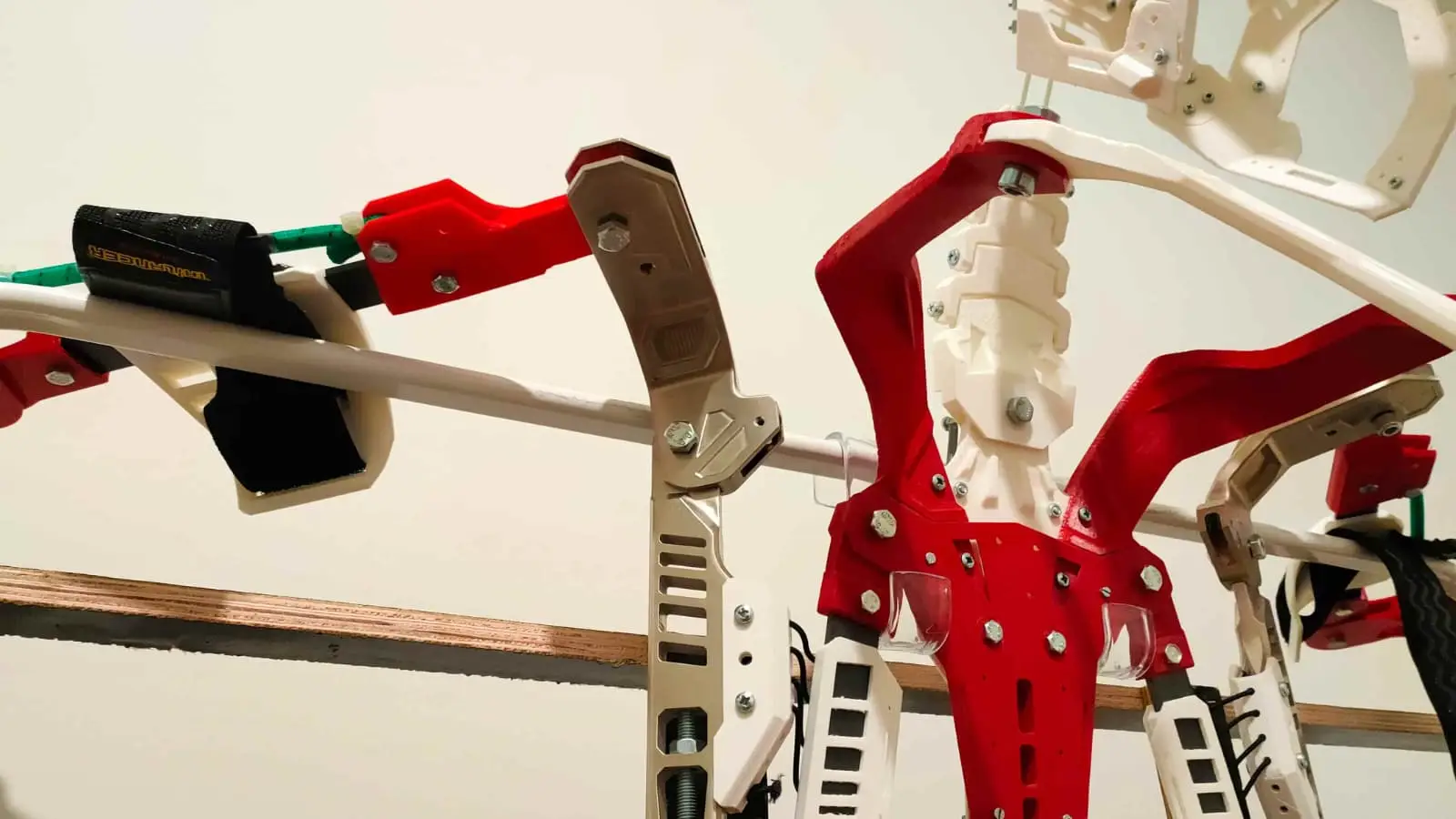
Andrea, a dedicated mechanical engineer from Italy, utilized PartsMastery 5-axis CNC machining to produce a full-body passive exoskeleton that boosts human strength and minimizes physical strain.
Advantages of Precision Machining
Precision machining offers significant benefits by producing parts with exceptional accuracy.
- High Accuracy: Precision machining tools can produce parts with extremely tight tolerances, ensuring that each piece meets exact specifications. This is crucial for applications requiring intricate details, such as in aerospace and medical devices.
- Consistency: This method offers unmatched consistency in production. Even over large volumes, each part remains identical, reducing the risk of errors and defects in the final product.
- Material Versatility: Precision machining can handle a wide range of materials, from metals to plastics and composites. This flexibility allows manufacturers to choose the ideal material for specific properties like strength, weight, or resistance.
- Complex Geometries: With advanced CNC machines, manufacturers can create complex shapes that would be difficult or impossible to achieve through manual processes. This capability is vital for developing innovative products and components.
- Reduced Waste: Since precision machining is so accurate, it minimizes material wastage. This efficiency not only saves on raw materials but also reduces the overall environmental impact of manufacturing.
- Speed: Modern precision machining techniques are highly automated, leading to faster production times compared to traditional methods. This speed enables quicker turnaround times for projects, keeping pace with market demands.
Applications of Precision Machining
Various industries rely on precision CNC machining services to create specialized parts, including:
- Engine Components: Essential for engines in both the automotive and aerospace industries, such as pistons and crankshafts, which require exact dimensions for optimal performance.
- Electronics Parts: Critical in producing components like connectors and pins in electronic devices, where precise measurements are necessary for functionality and compact assembly.
- Medical Implants: Used to manufacture surgical implants, including hip and knee replacements, where precise tolerances and smooth finishes are crucial for compatibility with human tissue.
- Aerospace Fasteners: Involves creating high-strength bolts and screws that must endure extreme environmental conditions in aerospace applications.
- Tool and Die Making: Focuses on crafting molds and dies that are fundamental in other manufacturing processes, ensuring the production of consistent and quality parts in mass production settings.
FAQs
When do I need to choose precision machining?
Precision machining is necessary when your project requires components with extremely tight tolerances, intricate designs, or complex geometries that standard machining cannot achieve. This method is essential in industries where precision is critical, such as aerospace, medical devices, and electronics. If your parts need to perform under high stress, withstand extreme conditions, or fit into precise assemblies, choosing precision machining ensures the reliability and functionality of your products.
Can precision provide tight tolerance?
Yes, precision machining is specifically designed to provide tight tolerances. This technique can achieve tolerances as narrow as +/- 0.0005 inches, which is essential for creating highly accurate and consistent parts. The ability to maintain such precise measurements is crucial in applications where even the smallest deviation can lead to significant issues, such as in aerospace components or medical devices. Advanced CNC machines, which are commonly used in precision machining, are capable of producing parts with these strict specifications reliably.
How can I get quote for my CNC precision machining project?
To get a quote for a CNC precision machining project, you should prepare detailed information about your part or assembly, including CAD drawings, material specifications, and quantity needed. You will also need to specify the tolerances required and any additional post-processing like finishing or heat treating. With this information, go to