Type II and Type III anodizing represent the two most commonly compared surface finishing processes for aluminum parts. Yet engineers select them for fundamentally different reasons. Specifically, Type II sulfuric anodizing delivers excellent corrosion resistance, rich color options, and decorative appearance. Consequently, it has become widely popular in consumer products, electronics, and architecture. In contrast, Type III hard anodizing offers ultra-high surface hardness, outstanding wear resistance, and long-term durability. As a result, it has established itself as the preferred choice in aerospace, automotive, and industrial machinery applications.
However, simply assuming that “Type III is a reinforced version of Type II” represents a one-sided view. The same applies to thinking “Type II is just a cheaper alternative to Type III.” In fact, the two processes differ fundamentally in coating structure, hardness, thickness, color capability, dimensional impact, and cost. Furthermore, they suit completely different engineering scenarios. Therefore, correct material selection requires a deep understanding of process principles. It also needs a comprehensive evaluation of the part’s operating environment, performance requirements, tolerance sensitivity, and total lifecycle cost. This guide starts from electrochemical principles. Subsequently, it systematically compares the core performance, material compatibility, cost logic, and application scenarios of both processes. Ultimately, the goal is to provide engineers with an actionable material selection decision framework.
1. Fundamentals of the Anodizing Process
Anodizing is an electrochemical surface finishing process. Essentially, it forms a controlled aluminum oxide (Al₂O₃) layer on the aluminum surface. Manufacturers place the aluminum part as the anode in an electrolytic cell. They then apply direct current, thereby triggering an oxidation reaction on the aluminum surface. Unlike applying a separate coating onto the part surface, an anodized coating is a conversion layer of the aluminum substrate. Accordingly, it forms a metallurgical bond with the base metal and will not peel or flake off.
An anodized coating features a porous honeycomb structure. Its porosity measures approximately 10%–20%. Notably, these micropores can absorb dyes to achieve a wide range of color options. Manufacturers can also seal the pores through sealing treatments. Common methods include hot water sealing, nickel sealing, or organic sealing. As a result, sealing improves corrosion resistance and surface hardness. The coating thickness, hardness, porosity, and color capability depend primarily on four factors: electrolyte composition, current density, temperature, and processing time.
Among the many anodizing processes, Type II and Type III stand out as the most commonly used. Both are defined in the MIL-A-8625 U.S. military standard. Specifically, Type II refers to sulfuric anodizing, while Type III refers to hard anodizing. Both use sulfuric acid as the primary electrolyte. Nevertheless, differences in process parameters lead to fundamental differences in coating performance.
2. Deep Dive into Type II Sulfuric Anodizing
2.1 Process Principles and Parameters
Type II anodizing, commonly known as sulfuric anodizing, represents the most common general-purpose anodizing process. It uses a sulfuric acid electrolyte with a concentration of approximately 10%–20%. The operating temperature typically runs at 18–22°C. Meanwhile, current density measures 1.0–2.5 A/dm². Processing time ranges from 20–60 minutes, depending on the required coating thickness.
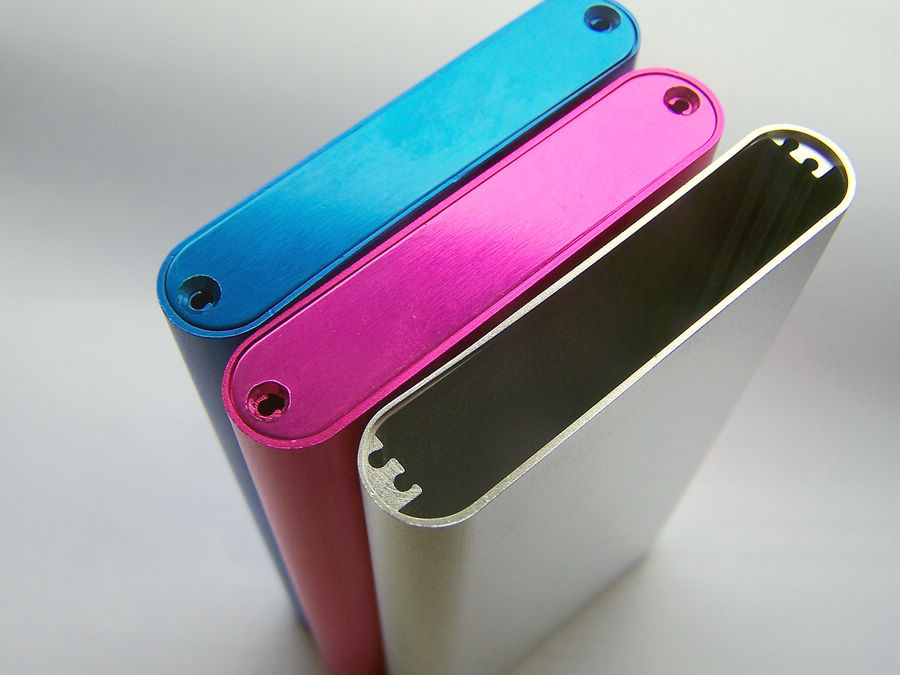
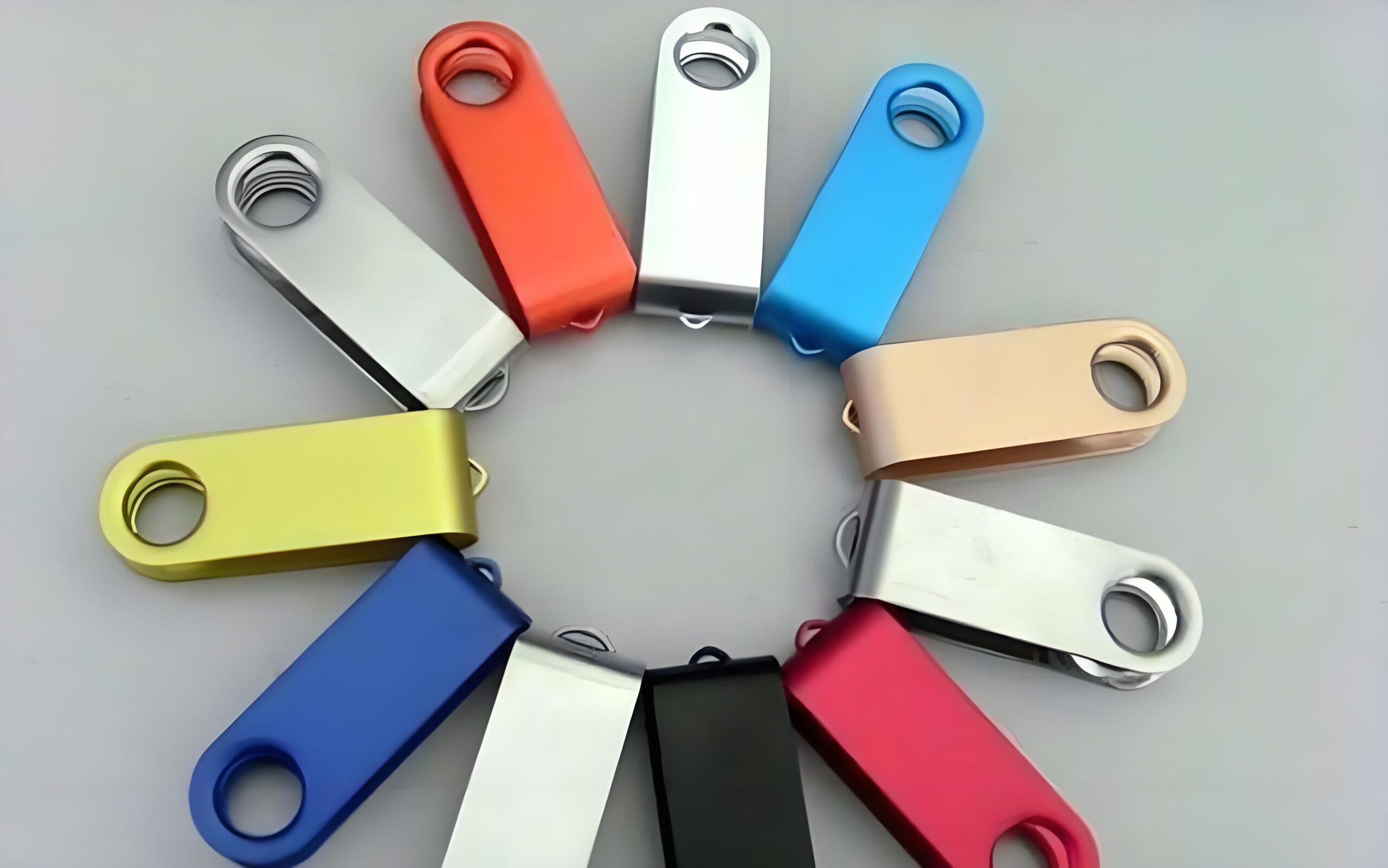
Under these relatively mild process conditions, the resulting oxide coating typically measures 5–25 µm in thickness. The coating structure is relatively loose with high porosity. Consequently, this porous structure gives Type II coatings excellent dyeing capability. They can absorb various organic dyes. Achievable colors include black, red, blue, green, gold, and clear natural finish. After dyeing, manufacturers typically perform a sealing treatment. Accordingly, sealing closes the micropores, fixes the color, and improves corrosion resistance.
2.2 Core Performance and Advantages
Type II anodizing concentrates its core advantages in four dimensions. First, it delivers excellent corrosion resistance. A sealed Type II oxide coating effectively blocks oxygen, moisture, and corrosive media from contacting the aluminum substrate. As a result, salt spray testing reaches 200–1000 hours depending on coating thickness and alloy. Second, it offers rich color options. The high-porosity coating can absorb various dyes. This achieves a wide color gamut from bright decorative colors to subdued industrial tones.
Third, it provides good appearance quality. Type II coatings feature smooth, uniform, glossy surfaces. They preserve the aluminum substrate’s surface texture and machining marks well. Therefore, this makes them suitable for visible parts with high visual consistency requirements. Fourth, it has low dimensional impact. Because the coating is relatively thin (typically 5–25 µm), its impact on final part dimensions remains small. Thus, it is easier to accommodate in general designs. Engineers need not worry excessively about overgrowth in narrow areas.
2.3 Limitations and Application Boundaries
The main limitations of Type II anodizing lie in insufficient surface hardness and wear resistance. Its coating hardness typically measures 300–500 HV (Vickers hardness). Although far higher than pure aluminum (approximately 30–50 HV), it still scratches and wears easily. This happens particularly under severe wear, repeated friction, or high-load contact conditions. Additionally, Type II coatings have limited high-temperature resistance. Long-term operating temperatures typically do not exceed 80°C. Consequently, excessively high temperatures may cause coating cracking or sealing failure.
Therefore, Type II anodizing suits decorative parts, electronic enclosures, architectural components, consumer products, and general industrial parts. These applications require balanced surface finish and corrosion resistance. They do not demand maximum hardness and wear resistance. For functional parts that must withstand severe mechanical wear, Type II usually does not represent the optimal choice.
3. Deep Dive into Type III Hard Anodizing
3.1 Process Principles and Parameters
Type III anodizing, commonly known as hard anodizing or hardcoat, represents a specialty anodizing process. It is designed specifically for high wear resistance and surface hardness. It also uses sulfuric acid as the primary electrolyte, but typically at a higher concentration (15%–25%). The operating temperature drops significantly, usually to 0–5°C. This requires refrigeration equipment. Meanwhile, current density runs higher, typically 2.5–5.0 A/dm². Processing time extends longer, usually 60–120 minutes.
Under low-temperature, high-current-density, and long-duration conditions, the resulting oxide coating typically measures 25–100 µm in thickness. The coating structure is denser with lower porosity. Consequently, this dense, thick coating structure gives Type III coatings extremely high surface hardness. Typical hardness reaches 500–800 HV. Some processes exceed 1000 HV. Wear resistance is outstanding. Type III coatings can also absorb dyes. However, because the coating is thicker and denser, dye penetration remains limited. Therefore, color options are usually restricted to black, dark gray, and other dark industrial tones.
3.2 Core Performance and Advantages
Type III hard anodizing concentrates its core advantages in four dimensions. First, it delivers extremely high surface hardness. Coating hardness typically reaches 500–800 HV. This approaches the level of hard chrome plating. Notably, some specialty processes even exceed 1000 HV. The coating effectively resists scratching, indentation, and wear. Second, it offers outstanding wear resistance. The dense, thick coating structure performs exceptionally well under friction, repeated contact, and sliding wear conditions. As a result, wear rates measure only 1/5 to 1/10 of Type II coatings. This significantly extends part service life.
Third, it provides excellent corrosion resistance and high-temperature resistance. The thicker, denser Type III coating offers stronger barrier protection. Salt spray testing reaches 500–2000 hours. Furthermore, long-term operating temperatures reach 150–200°C, far exceeding Type II coatings. Fourth, it delivers good electrical insulation properties. The thick, dense oxide coating offers excellent dielectric strength. It can reach several hundred volts per micrometer. Accordingly, this makes it suitable for electronic and electrical components requiring electrical insulation.
3.3 Limitations and Application Boundaries
The main limitations of Type III hard anodizing include four issues: limited color options, industrial appearance, significant dimensional impact, and higher cost. Because the coating is thicker and denser, dye penetration remains limited. Color options typically focus on black, dark gray, and other dark industrial tones. Bright decorative colors remain difficult to achieve. The coating surface usually features a matte or semi-matte texture. Its appearance is more industrial. It lacks the smooth gloss of Type II coatings.
More importantly, Type III coatings are thicker (typically 25–100 µm). This significantly impacts final part dimensions. Therefore, precision fitting parts require careful tolerance planning. Additionally, the Type III process requires low-temperature refrigeration equipment. It needs higher current density and longer processing times. As a result, process costs run significantly higher than Type II. Consequently, Type III suits aerospace parts, automotive components, industrial equipment, valve bodies, pipe fittings, and other functional components. In these applications, surface hardness, wear resistance, and long-term durability matter more than decorative appearance or rich color options.
4. Quantitative Comparison Across Ten Key Dimensions
To present the performance differences between the two processes more clearly, the following table provides a quantitative comparison across ten key engineering dimensions. All data come from typical process parameters and material manufacturer datasheets. Actual values may vary. They depend on the specific alloy, process parameters, and testing standard.
Comparison Dimension
Type II Sulfuric Anodizing
Type III Hard Anodizing
Electrolyte
Sulfuric acid (10%–20%)
Sulfuric acid (15%–25%)
Operating Temperature
18–22°C
0–5°C (requires refrigeration)
Current Density
1.0–2.5 A/dm²
2.5–5.0 A/dm²
Coating Thickness
5–25 µm
25–100 µm
Surface Hardness
300–500 HV
500–800 HV (up to 1000+)
Color Capability
Rich (black, red, blue, green, gold, clear, etc.)
Limited (black, dark gray, and other dark tones)
Salt Spray Test
200–1000 hours
500–2000 hours
Long-Term Operating Temp
≤80°C
150–200°C
Dimensional Impact
Small
Significant (requires tolerance planning)
Relative Cost
1× (baseline)
1.5–3×
5. In-Depth Analysis of Core Differences
5.1 Appearance and Color
If appearance represents the primary requirement, Type II anodizing usually represents the better choice. Its thinner, more porous oxide coating supports a wider range of color options. It also offers more decorative finishes. Consequently, this makes it widely used for visible aluminum parts in consumer products, architecture, electronics, and decoration-related applications. Type II coatings feature smooth, uniform, glossy surfaces. They preserve the aluminum substrate’s surface texture well. Therefore, this makes them suitable for projects with high visual consistency and brand color requirements.
Although Type III coatings can also absorb dyes, they usually do not represent the first choice for bright decorative colors. Their colors run darker. Their appearance leans more industrial. Furthermore, their denser coating limits color flexibility. Therefore, when the primary goal involves visual consistency, brand color, or clean decorative effect, Type II usually offers the more practical choice. In contrast, when functionality matters more than color range, Type III becomes more attractive.
5.2 Wear Resistance and Hardness
In terms of wear resistance, scratch resistance, and surface hardness, Type III anodizing usually represents the superior choice. The thicker, denser oxide coating explains exactly why hard anodizing suits parts under friction, repeated contact, or more demanding conditions. Type III coating hardness typically reaches 500–800 HV. This approaches hard chrome plating levels. As a result, wear rates measure only 1/5 to 1/10 of Type II coatings.
Although Type II surface treatment also improves aluminum surface performance, it provides only some corrosion resistance and scratch resistance. Engineers usually do not select it for parts that must withstand severe mechanical wear. In such cases, Type III usually represents the superior engineering solution. This explains why industrial mechanical components lean toward Type III. The same applies to heavily used accessories and wear-sensitive aluminum parts. Nevertheless, Type II remains common for parts where appearance and general environmental resistance matter more than maximum durability.
5.3 Dimensional and Tolerance Impact
One of the most practical differences between Type II and Type III lies in dimensional impact. Because Type III forms a thicker oxide layer (typically 25–100 µm), it affects final dimensions more than Type II (typically 5–25 µm). This means tolerance planning becomes especially important. It matters most when applying hard anodizing to precision fitting parts. For parts containing precision holes, fitting diameters, threads, or contact surfaces, engineers must consider the anodizing type early. They should do this during the design phase, not merely at the surface finishing stage.
Type II processing also increases coating thickness. But the impact usually remains smaller. It is easier to accommodate in general designs. For many decorative parts or medium-performance components, this process applies more easily. Engineers need not worry excessively about coating overgrowth in narrow areas. The key point for engineers remains: surface finishing must never become an afterthought. Accordingly, teams should incorporate it into tolerance chain analysis during the design phase.
5.4 Corrosion Resistance and High-Temperature Performance
In terms of corrosion resistance, both processes significantly improve aluminum alloy performance. But Type III coatings typically provide stronger barrier protection. This is due to their greater thickness and density. Sealed Type II coatings achieve 200–1000 hours of salt spray testing. In comparison, Type III coatings reach 500–2000 hours. For parts exposed to corrosive environments, Type III usually provides more reliable long-term protection. Corrosive environments include marine climates, industrial chemicals, and acid rain.
In terms of high-temperature resistance, the difference between the two becomes even more significant. Type II coatings typically operate long-term at temperatures not exceeding 80°C. Excessively high temperatures may cause coating cracking or sealing failure. Type III coatings, by contrast, operate long-term at 150–200°C. This makes them suitable for engine components, exhaust systems, industrial ovens, and other high-temperature environments. Therefore, for parts that must withstand both high temperature and corrosion, Type III usually represents the more reliable choice.
6. Material Compatibility Analysis
Type II and Type III anodizing primarily apply to aluminum and aluminum alloys. In actual manufacturing, the alloy type affects several outcomes: coating appearance, hardness, color response, and overall surface finishing quality. Therefore, teams should consider the anodizing type simultaneously with material selection. They should not treat it as a separate surface finishing step after machining.
6.1 Common Materials for Type II Anodizing
When a project requires a balance of corrosion resistance, aesthetics, and color flexibility, manufacturers typically apply Type II anodizing. This process commonly treats enclosures, panels, handles, decorative parts, and other visible aluminum components. These parts require not only a clean, attractive surface but also enhanced surface protection. Common machinable aluminum alloys include 6061, 6063, 5052, and 7075. All of them suit sulfuric anodizing. They achieve a good balance of machinability, anodizing uniformity, and surface appearance. This balance matters especially when dyeing is required.
6.2 Common Materials for Type III Anodizing
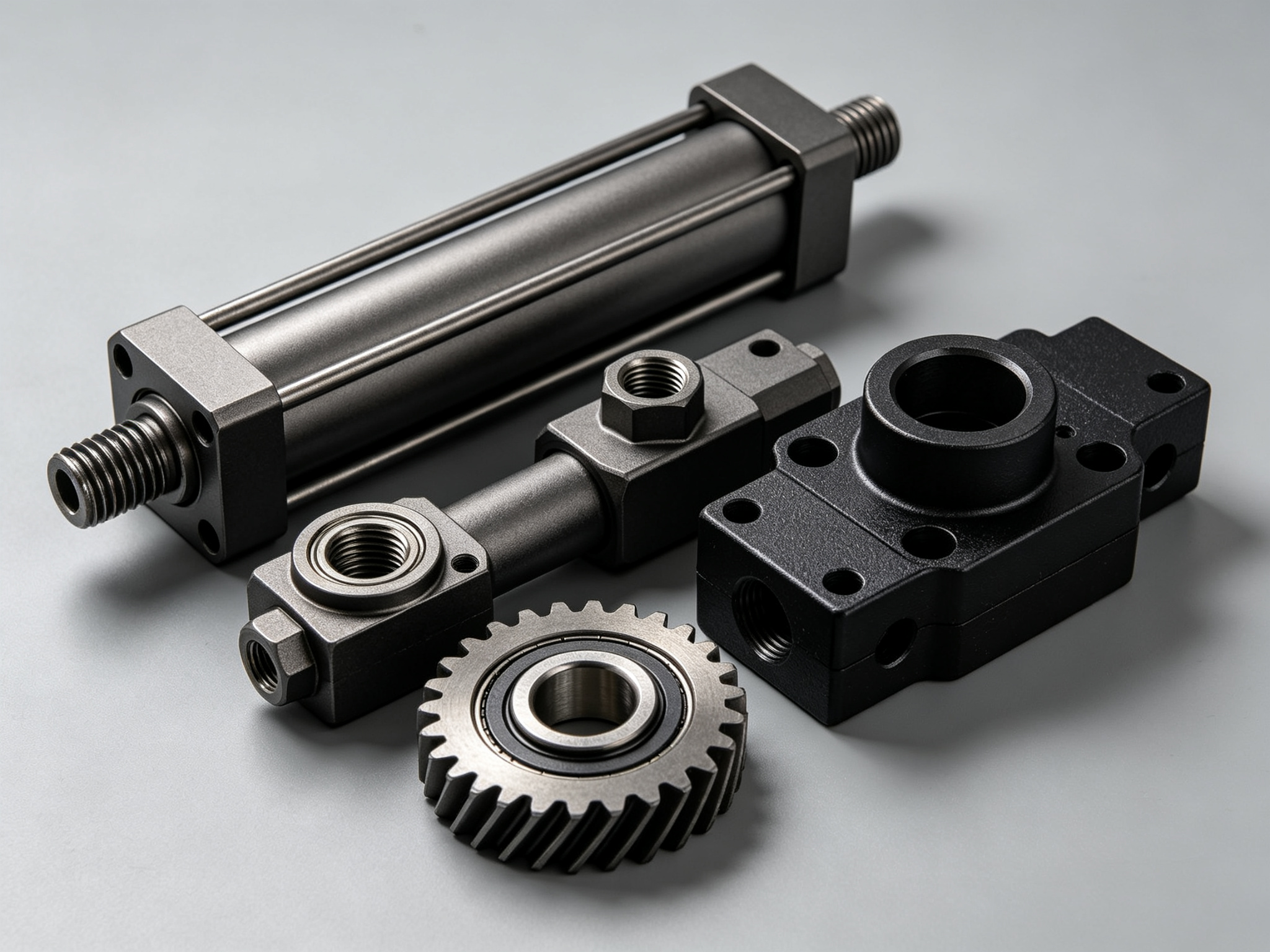
Type III anodizing also primarily applies to aluminum and aluminum alloys. But it more commonly treats parts that must operate under demanding conditions. It typically applies to aluminum parts in industrial, aerospace, automotive, and equipment-related fields. In these fields, wear resistance and surface hardness matter more than decorative surface finishing. Aluminum alloys commonly used for functional mechanical parts include 6061, 7075, 2024, and 5052. All of them suit hard anodizing. Functional parts include enclosures, fittings, valve bodies, and mechanical components. In these cases, the material must be compatible with the anodizing process. It must also provide stronger surface protection to handle repeated contact, friction, or wear during service.
6.3 Special Alloy Considerations
It is important to note that aluminum alloys with high copper content may experience issues during anodizing. A typical example is 2024. These alloys may show uneven coating or reduced corrosion resistance. Consequently, they require special process adjustments. Cast aluminum alloys with high silicon content also present challenges. A356 is a common example. These alloys may appear darker after anodizing. Color consistency tends to be poorer. Therefore, teams should consider anodizing process compatibility during the material selection phase.
7. Cost-Effectiveness Analysis
7.1 Initial Cost Comparison
Type III anodizing typically costs more than Type II anodizing. The cost ratio usually runs 1.5–3 times. Its process conditions are more demanding. Low-temperature refrigeration is required. Its oxide layer is thicker. The entire process consumes more time and effort. Therefore, manufacturers typically select Type III only when the additional performance justifies the increased cost.
7.2 Total Lifecycle Cost Perspective
For projects requiring corrosion protection and improved appearance but not high wear resistance, Type II usually represents the more economical choice. For many general aluminum parts, it achieves a more balanced result. The balance covers three areas: surface finishing quality, performance, and budget. However, from a total lifecycle cost (LCC) perspective, Type III may offer advantages. If Type III coatings significantly extend part service life, they reduce wear replacement. They also minimize downtime maintenance. Consequently, under demanding conditions, their comprehensive cost may actually run lower.
7.3 Avoiding Over-Finishing and Under-Finishing
Therefore, the cost question should tie to functionality, not merely price. Selecting Type III for decorative parts may result in over-finishing. Conversely, choosing Type II for wear-prone parts may result in under-finishing. The better choice depends on two factors: the part’s actual operating environment and its total lifecycle cost.
8. Five-Step Material Selection Decision Framework
Faced with the Type II versus Type III anodizing selection decision, engineers can follow five steps. This framework supports systematic evaluation. It helps avoid one-sided judgments based solely on experience or habit.
Define operating environment and performance requirements: First determine the primary failure risk of the part. Possible risks include wear, scratching, corrosion, high temperature, or poor appearance. Subsequently, quantify performance requirements into specific metrics. Examples include maximum contact pressure, sliding speed, salt spray test hours, operating temperature range, and appearance grade requirements.
Evaluate color and appearance needs: Determine whether the part is a visible component. Check whether it requires a specific brand color or decorative effect. If bright colors or high-gloss appearance are required, Type II usually represents the only viable choice. In contrast, if color requirements are limited to black or dark gray and appearance demands are low, Type III can satisfy them.
Analyze dimensional and tolerance sensitivity: Evaluate whether the part contains precision fitting holes, fitting diameters, threads, or contact surfaces. If tolerance requirements are strict, calculate the impact of anodizing coating thickness on the dimension chain. Type II coatings are thinner (5–25 µm) with smaller dimensional impact. Type III coatings are thicker (25–100 µm) and therefore require tolerance reservation during the design phase.
Conduct total lifecycle cost analysis: Comprehensively consider five cost factors: initial surface finishing cost, part service life, replacement frequency, maintenance cost, and downtime loss. For high-wear conditions, Type III has higher initial cost. But it may reduce total lifecycle cost by extending service life. Conversely, for low-wear decorative parts, Type II usually offers better cost-effectiveness.
Verify material compatibility and process feasibility: Confirm compatibility between the selected aluminum alloy and the target anodizing process. This matters especially for alloys with high copper or high silicon content. Before mass production, recommend producing samples. Subsequently, test coating thickness, hardness, color, corrosion resistance, and dimensional accuracy comprehensively. This verifies process feasibility and performance compliance.
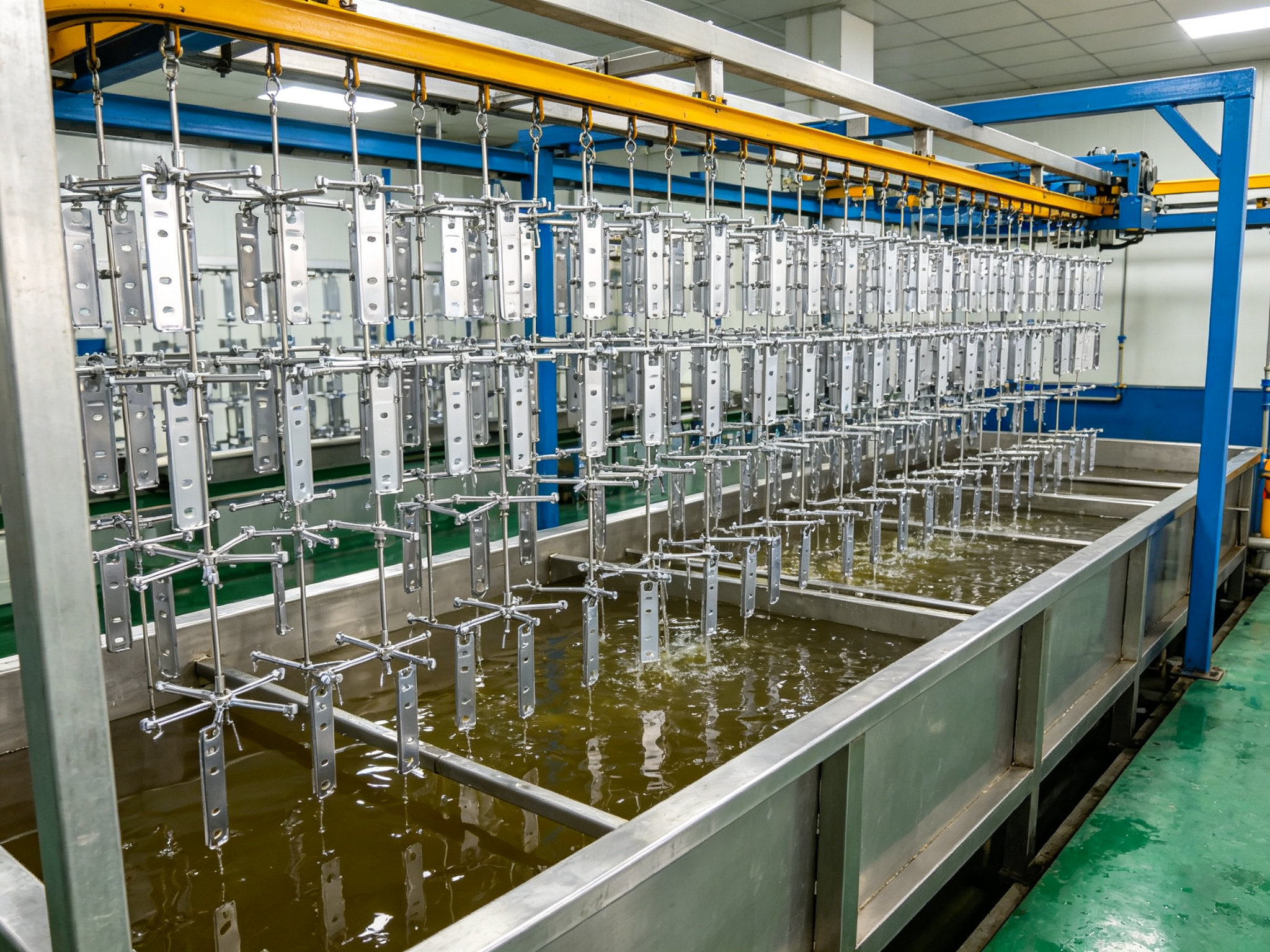
PartsMastery provides professional aluminum anodizing surface finishing services. The service covers both Type II sulfuric anodizing and Type III hard anodizing process families. It supports multiple color options including black, red, blue, green, gold, and clear natural finish. The company operates a complete anodizing production line. The line includes degreasing, alkaline cleaning, acid pickling, anodizing, dyeing, and sealing. Accordingly, it meets diverse needs from single-piece prototypes to batch production.
9.1 Type II Anodizing Capabilities
In Type II anodizing, PartsMastery stably achieves coating thicknesses of 5–25 µm. Surface hardness reaches 300–500 HV. Salt spray testing reaches 200–1000 hours. The company strictly controls four parameters: electrolyte concentration, temperature, current density, and processing time. This ensures uniform coatings, consistent colors, and excellent appearance. For parts requiring dyeing, high-quality organic dyes are used. Standard sealing processes ensure color fastness and light/weather resistance.
9.2 Type III Hard Anodizing Capabilities
In Type III hard anodizing, PartsMastery is equipped with low-temperature refrigeration systems. These systems stably achieve operating temperatures of 0–5°C. High current densities of 2.5–5.0 A/dm² are maintained. Coating thickness can reach 25–100 µm. Surface hardness reaches 500–800 HV. Salt spray testing reaches 500–2000 hours. Through precise process control and strict quality inspection, the company ensures dense, uniform, wear-resistant hard anodized coatings. These coatings meet the demanding requirements of aerospace, automotive, and industrial machinery applications.
9.3 Engineering Support and Quality Assurance
Additionally, the PartsMastery engineering team provides free DFM (Design for Manufacturing) reviews. These reviews help customers optimize three areas: part geometry, tolerance allocation, and anodizing process selection. The team does this during the design phase. Consequently, this reduces production costs and quality risks at the source. All production batches carry complete documentation. The documentation includes coating thickness inspection reports, hardness test reports, and salt spray test reports. This ensures traceable product quality.
10. Summary
10.1 Type II: The Decorative and General-Purpose Choice
The difference between Type II sulfuric anodizing and Type III hard anodizing lies not merely in surface finishing. It goes deeper into design and performance. Type II anodizing usually represents the better choice for decorative aluminum parts. These parts require corrosion resistance and color flexibility. Its coatings are thinner (5–25 µm), rich in color, excellent in appearance, low in dimensional impact, and lower in cost. It suits consumer products, electronics, architectural components, and general industrial parts.
10.2 Type III: The High-Performance Functional Choice
Type III hard anodizing usually represents the better choice for demanding-condition parts. These parts require higher hardness, wear resistance, and long-term durability. Its coatings are thicker (25–100 µm), extremely hard (500–800 HV), outstanding in wear resistance, and excellent in corrosion resistance and high-temperature performance. It suits aerospace, automotive, industrial equipment, and functional mechanical components.
10.3 Key Takeaway for Engineers
No single process suits every scenario. Correct selection requires comprehensive evaluation. The evaluation covers five factors: operating environment, performance requirements, appearance needs, tolerance sensitivity, and total lifecycle cost. Through systematic selection evaluation and process verification, engineers can find the optimal balance. The balance lies between performance and cost. Ultimately, this enables development of products that are both high-quality and commercially competitive.
Frequently Asked Questions
Is Type III anodizing always worth the cost?
Not always. Type III coatings typically cost more. The coating is thicker and the process requirements are higher. If the part primarily needs corrosion resistance, color, and general surface protection, Type II coating may be sufficient. Type III coating becomes more appropriate under specific conditions. These include wear, repeated contact, or more demanding operating environments.
Which anodizing type is better for decorative aluminum parts?
For decorative parts, Type II usually represents the better choice. It offers better dyeing capability. It also provides a wider range of decorative color options. If the project has high requirements for surface finish or color consistency, Type II is usually more practical than Type III.
When should you pay more attention to dimensional growth?
Dimensional growth becomes especially important under certain conditions. These include parts with close-fitting holes, close-fitting diameters, threads, or mating surfaces. In such cases, you usually need to pay more attention to Type III coatings. Their thicker coatings affect final dimensions more than Type II coatings. We recommend incorporating anodizing coating thickness into the tolerance chain analysis. This should happen during the design phase.
Can one part use Type II in one project and Type III in another?
Yes. The appropriate anodizing type depends on the part’s operating conditions. It does not depend merely on the part name or material. The same aluminum part may use Type II anodizing in decorative or light-duty applications. It may use Type III anodizing in higher-wear or industrial environments. The key is selecting the appropriate process. The selection should be based on the performance requirements of the specific application scenario.
Can anodized coatings be repaired or reprocessed?
Once damaged, anodized coatings usually cannot be repaired locally. The oxide coating is a conversion layer of the aluminum substrate. It is metallurgically bonded to the base metal. If the coating is damaged or requires a color change, manufacturers can chemically strip the original oxide coating. They can then re-anodize. However, note that repeated stripping and re-anodizing may affect part dimensional accuracy. It may also affect surface quality. Therefore, teams should determine the appropriate process plan during the design phase.