





O Torlon 4301 PAI (poliamida-imida) é um plástico de engenharia de alto desempenho concebido para condições operacionais extremas. Destaca-se pela sua resistência mecânica equilibrada, resistência ao desgaste e estabilidade a altas temperaturas. Por este motivo, tornou-se um material essencial para componentes de precisão sujeitos a desgaste. Em setores exigentes, como o fabrico de semicondutores, o setor aeroespacial e os sistemas de transmissão automóvel, o material substitui eficazmente determinadas peças metálicas. Proporciona menor peso, menor atrito e melhor resistência à corrosão nestas aplicações. Este guia explora sistematicamente as características de desempenho do Torlon 4301 PAI, as formas em que se encontra disponível, os processos de maquinagem e os casos de utilização na indústria. Constitui uma referência completa para as equipas de engenharia responsáveis pela seleção de materiais e pelo planeamento da produção.
1. O que é o Torlon 4301 PAI?
O Torlon 4301 PAI é uma variedade de poliamida-imida com enchimento, resistente ao desgaste, pertencente a uma classe de plásticos de engenharia especiais avançados. O seu nome divide-se em três partes. Em primeiro lugar, «Torlon» é a marca do material. Em segundo lugar, «4301» identifica a variedade específica modificada para resistência ao desgaste. Em terceiro lugar, PAI significa poliamida-imida. Os formuladores costumam misturar esta variedade com enchimentos lubrificantes sólidos, como grafite e PTFE, para otimizar o desempenho em termos de atrito e desgaste.
Em comparação com os plásticos de engenharia convencionais, o Torlon 4301 PAI apresenta um limiar de desempenho muito superior. Mantém a precisão geométrica e a integridade funcional durante longos períodos, mesmo em condições combinadas de alta temperatura, elevada carga e atrito contínuo. Os fornecedores oferecem-no, na maioria das vezes, sob a forma de peças em bruto usináveis, em varas, placas e tubos. As oficinas de usinagem transformam, então, estas peças em bruto em peças personalizadas através de usinagem CNC de precisão. Como resultado, o material é ideal para projetos de engenharia de baixo volume, alta tolerância e elevada fiabilidade.
2. Principais características de desempenho do Torlon 4301 PAI
O Torlon 4301 PAI deve o seu valor de engenharia à sinergia equilibrada entre múltiplas propriedades, e não a uma única característica que se destaque. O seu perfil de desempenho abrange as dimensões mecânica, térmica, tribológica e química. Desta forma, mitiga múltiplos riscos de falha em ambientes de utilização complexos.
2.1 Resistência mecânica e estabilidade dimensional
Este material oferece elevada resistência e rigidez. Mantém a integridade estrutural tanto sob cargas estáticas como sob tensões cíclicas, sem deformação plástica significativa. No caso de componentes de encaixe de precisão, a sua excecional estabilidade dimensional constitui uma vantagem fundamental. Mais concretamente, a geometria das peças e as tolerâncias sofrem alterações muito menores sob tensão mecânica do que acontece com os plásticos de engenharia padrão. Esta característica preserva a precisão de encaixe de buchas, sedes de válvulas e suportes de rolamentos ao longo de uma longa vida útil.
2.2 Estabilidade térmica a altas temperaturas
A poliamida-imida possui uma estrutura molecular inerente que proporciona uma excelente resistência ao calor. O Torlon 4301 PAI herda integralmente esta vantagem. Mantém uma elevada resistência mecânica e rigidez a temperaturas elevadas. Ao contrário dos plásticos comuns, não amolece nem se deforma rapidamente sob o efeito do calor. No caso de componentes próximos de fontes de calor ou no interior de equipamentos em funcionamento contínuo, esta estabilidade aumenta a fiabilidade a longo prazo. Mais importante ainda, evita a perda de precisão e a degradação do desempenho à medida que as temperaturas aumentam.
2.3 Resistência ao desgaste e características de baixo atrito
A resistência ao desgaste é a principal vantagem mais reconhecida do Torlon 4301 PAI. É também a principal razão para a sua utilização generalizada em componentes móveis. Graças ao seu sistema de modificação com enchimento, o material combina um baixo coeficiente de atrito com uma elevada resistência à abrasão. Em condições de contacto deslizante, rotativo e recíproco, reduz eficazmente o desgaste superficial. Além disso, prolonga a vida útil dos componentes e reduz o arrasto por atrito nos pares móveis. Como resultado, os conjuntos funcionam de forma mais suave. Este desempenho destaca-se especialmente em cenários sem lubrificação ou com lubrificação reduzida.
2.4 Resistência química e resistência à deformação por fluência
O Torlon 4301 PAI tolera bem a maioria dos produtos químicos industriais, óleos e solventes. Funciona de forma estável em meios químicos complexos, sem inchaço ou degradação percetíveis. Além disso, a sua resistência à deformação por fluência supera largamente a dos plásticos de engenharia convencionais. Sob carga sustentada a longo prazo, não sofre deformação plástica lenta. Em vez disso, mantém as dimensões das peças e a precisão de encaixe ao longo do tempo. Esta característica é especialmente valiosa para aplicações de precisão que exigem consistência dimensional a longo prazo.
3. Formas comuns das chapas e lógica de seleção para o Torlon 4301 PAI
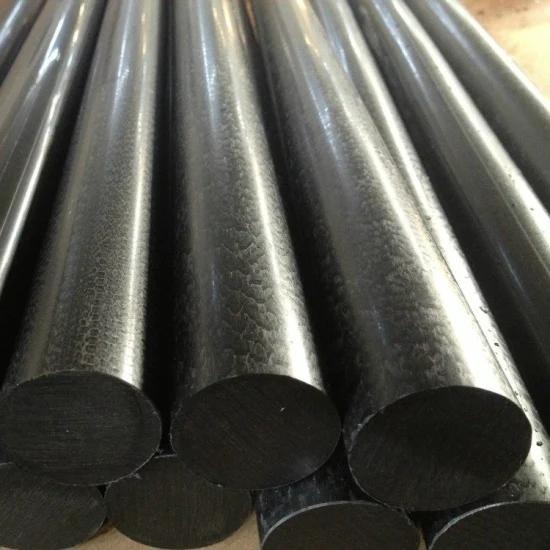
Os fabricantes raramente fornecem o Torlon 4301 PAI sob a forma de peças moldadas acabadas. Em vez disso, usinam quase todos os componentes de precisão a partir de formas padrão em bruto. A escolha da forma do bruto tem um impacto direto na eficiência da usinagem, na utilização do material e no custo final de fabrico. Por este motivo, representa uma etapa fundamental no planeamento do processo.
3.1 Barras: Ideais para peças rotativas
A barra é a forma de fornecimento mais comum do Torlon 4301 PAI. Adapta-se na perfeição às necessidades de maquinagem da maioria das peças com simetria rotacional. As oficinas de usinagem podem produzir componentes de perfil circular — tais como buchas, mangas, sedes de válvulas e anéis de desgaste — a partir de varas, através de torneamento CNC. Esta configuração permite uma fixação simples, percursos de ferramenta diretos e um elevado rendimento do material. No caso de plásticos de engenharia especiais de elevado valor, o material em varas também reduz eficazmente as margens de corte e o desperdício de material.
3.2 Chapa: Para geometrias fresadas à medida
A chapa funciona melhor quando uma peça apresenta estruturas planas, ranhuras, ranhuras de encaixe ou características irregulares não rotacionais. Combina-se com processos de fresagem CNC para fabricar placas de desgaste, blocos de suporte, estruturas de equipamento de semicondutores e outras peças poliédricas ou com formas personalizadas. A chapa oferece maior liberdade de maquinagem. No entanto, as equipas devem planear cuidadosamente o encaixe das peças. Desta forma, podem evitar desperdício excessivo, especialmente quando a peça acabada é pequena em relação ao tamanho da chapa em bruto.
3.3 Tubos em bruto: uma solução económica para peças ocas
O material em tubo aumenta drasticamente a eficiência da maquinagem de componentes anulares ocos e do tipo manga. Mais concretamente, o tubo pré-furado elimina a necessidade da maioria das operações de mandrilagem interna, ao contrário da barra maciça. Além disso, encurta os ciclos de produção e reduz significativamente a remoção de material. No caso de peças anulares com grandes diâmetros internos e paredes espessas, a poupança de custos é especialmente notória.
3.4 Impacto da forma da peça em bruto nos custos de maquinagem
A seleção inteligente da peça em bruto tem impacto não só na utilização da matéria-prima. Influencia também os tempos de preparação, o desgaste das ferramentas, os tempos de ciclo e a estabilidade dimensional das peças. Quando as equipas escolhem uma peça em bruto cuja forma se aproxima bastante da geometria final, reduzem as margens de corte, diminuem a tensão induzida pela maquinagem e melhoram a consistência dimensional. Todos estes fatores otimizam o custo global de fabrico. Na verdade, o impacto financeiro da seleção da forma da peça em bruto torna-se ainda maior no caso de materiais de elevado valor, como o Torlon 4301 PAI.
4. Principais vantagens técnicas da escolha do Torlon 4301 PAI
Quando as equipas avaliam plásticos de engenharia avançados, o Torlon 4301 PAI destaca-se pelas suas vantagens de desempenho combinadas. Este material resolve desafios complexos de aplicação que os materiais com uma única propriedade não conseguem superar.
4.1 Desempenho superior em termos de resistência ao desgaste para aplicações dinâmicas
No caso de componentes de pares de atrito em movimento relativo, o desgaste é o modo de falha predominante. O Torlon 4301 PAI oferece uma resistência ao desgaste muito superior à dos plásticos de alta qualidade para uso geral, como o PEEK ou o PPS. Prolonga significativamente a vida útil dos componentes em condições de atrito contínuo. Além disso, reduz a frequência de manutenção e diminui os custos associados ao tempo de inatividade. Por estas razões, é o material preferido para buchas, rolamentos e anilhas de impulso.
4.2 Retenção da resistência a temperaturas elevadas
Muitos plásticos de engenharia apresentam um bom desempenho à temperatura ambiente. No entanto, à medida que a temperatura aumenta, perdem rapidamente resistência e rigidez. O Torlon 4301 PAI mantém propriedades mecânicas estáveis numa ampla gama de temperaturas. Esta característica garante uma capacidade de carga e uma precisão consistentes às temperaturas de funcionamento em transmissões automóveis, compressores industriais e equipamento para campos petrolíferos.
4.3 Consistência dimensional a longo prazo
A fiabilidade dos equipamentos de precisão depende em grande medida da estabilidade dimensional dos componentes. Quando submetido a uma exposição prolongada a cargas, temperatura e meios químicos, o Torlon 4301 PAI apresenta variações dimensionais e geométricas mínimas. Consequentemente, preserva o desempenho a longo prazo dos encaixes de precisão, das vedações e das funções de posicionamento. Além disso, reduz a deriva da precisão do equipamento ao longo do tempo.
4.4 Potencial de redução do peso para a substituição de metais
Quando cumpre os requisitos de desempenho, o Torlon 4301 PAI pode substituir determinados componentes metálicos sujeitos a desgaste. Ao fazê-lo, permite uma redução significativa do peso. Oferece ainda autolubrificação, resistência à corrosão e amortecimento de ruído — vantagens que os metais não conseguem igualar. Em setores em que o peso é um fator determinante, como o aeroespacial e o automóvel, esta substituição melhora diretamente o desempenho global do sistema.
5. Processos de maquinagem de precisão CNC compatíveis com o Torlon 4301 PAI
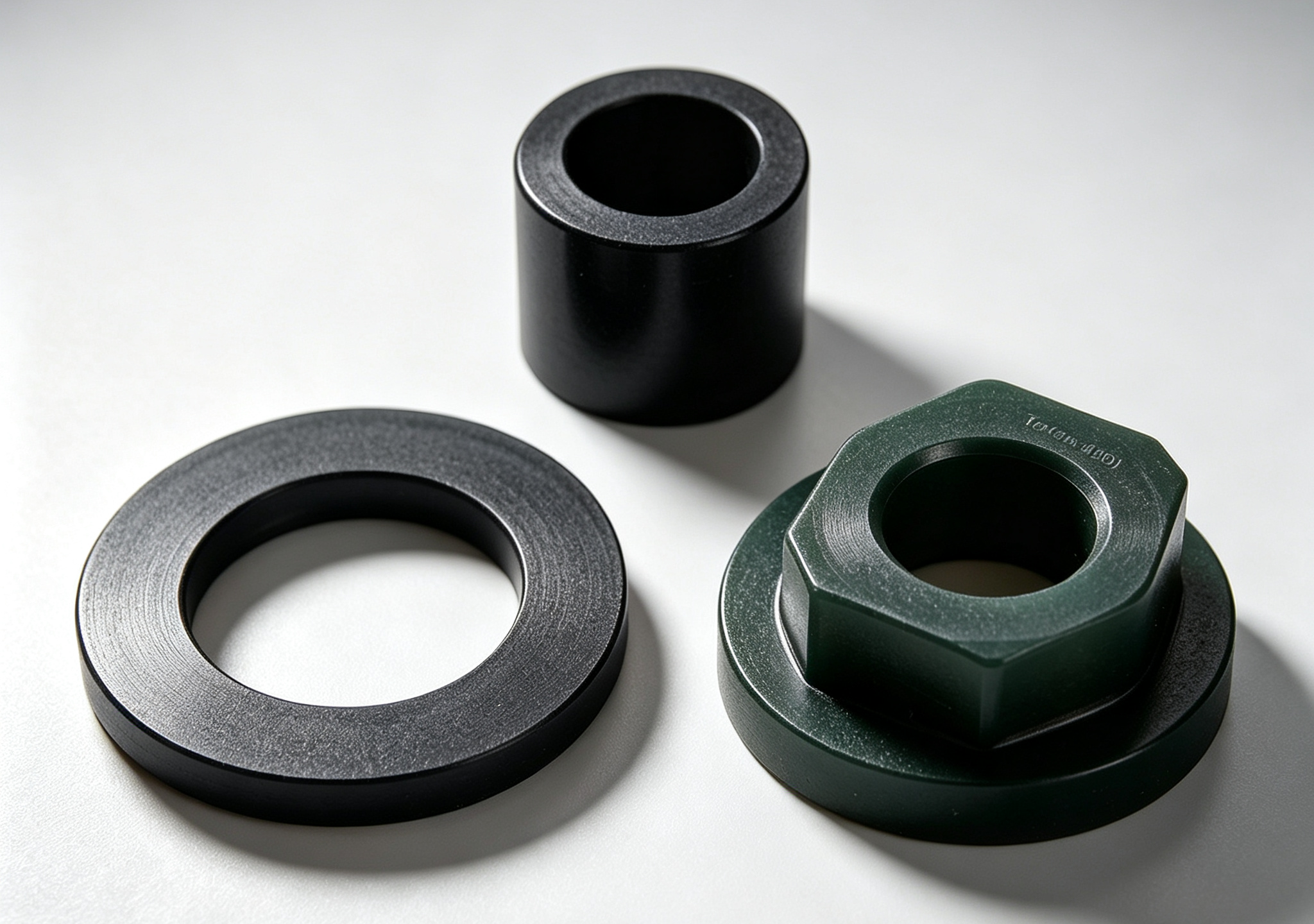
Uma vez que os fornecedores fornecem o Torlon 4301 PAI em formato bruto, a maquinagem CNC constitui o seu principal método de fabrico. As equipas podem combinar vários processos para obter um fabrico de alta qualidade, dependendo da geometria da peça e dos requisitos de tolerância.
5.1 Torneamento CNC
O torneamento CNC é o processo principal para a produção de peças rotativas em Torlon 4301 PAI a partir de barras ou tubos em bruto. O torneamento permite um controlo preciso dos diâmetros interno e externo, da circularidade, da concentricidade e do acabamento superficial. Por este motivo, é o método de fabrico preferido para buchas, sedes de válvulas, anéis de desgaste e gaiolas de rolamentos. A compatibilidade natural entre o torneamento e as barras/tubos em bruto permite uma produção altamente eficiente com uma elevada aproveitamento do material.
5.2 Fresagem CNC
As peças com superfícies planas, cavidades, ranhuras e elementos de fixação requerem fresagem CNC. Normalmente, as equipas utilizam chapas como matéria-prima para estes trabalhos. A fresagem permite criar contornos precisos e complexos. Mesmo as peças inicialmente torneadas a partir de barras passam frequentemente por etapas secundárias de fresagem. Estas etapas permitem adicionar superfícies planas, ranhuras de chaveta e elementos de fixação, de modo a melhorar a integração na montagem.
5.3 Usinagem CNC de 5 eixos
No caso de peças em Torlon 4301 PAI com geometria complexa, características multifacetadas ou superfícies angulares, a maquinagem CNC de 5 eixos permite realizar várias operações numa única configuração. Isto reduz os erros de posicionamento decorrentes de fixações repetidas. Além disso, melhora a precisão e a consistência globais da peça. No caso de componentes de precisão personalizados e de elevado valor, a maquinagem de 5 eixos reduz os prazos de entrega e elimina os erros cumulativos de configuração.
5.4 Operações de perfuração e rosqueamento
A maioria dos componentes de engenharia necessita de pontos de fixação e de canais para fluidos ou ar. A perfuração e a roscação são operações secundárias comuns nas peças em Torlon 4301 PAI. Com uma perfuração e roscação precisas, as peças integram-se de forma fiável com parafusos, acessórios e caixas. Em suma, o processo alinha o desempenho do material com as necessidades reais de montagem.
5.5 Acabamento de precisão secundário
As juntas e os componentes de encaixe de alta precisão estão sujeitos a requisitos rigorosos em termos de qualidade da superfície e tolerâncias. No caso destas peças, o acabamento de precisão secundário melhora ainda mais a precisão dimensional e a suavidade da superfície. As operações de acabamento aliviam as tensões resultantes da maquinagem e otimizam as características de atrito da superfície. Em última análise, garantem uma vedação fiável, um movimento suave e um encaixe preciso, para um melhor desempenho em serviço.
6. Categorias típicas de peças finais para o Torlon 4301 PAI
Os engenheiros utilizam o Torlon 4301 PAI quase exclusivamente para componentes funcionais de elevada fiabilidade, e não para peças decorativas ou peças de plástico de baixa exigência. As categorias de produtos mais comuns incluem:
- Buchas e componentes de rolamentos: Estes elementos funcionam como pares de atrito centrais. Proporcionam um funcionamento prolongado e suave em condições sem lubrificação, graças à sua resistência ao desgaste, baixo atrito e estabilidade dimensional. São amplamente utilizados em todos os tipos de mecanismos de movimento.
- Juntas e assentos de válvulas: Estas peças dependem da resistência à compressão, da resistência à deformação por fluência, da resistência química e das propriedades de resistência ao desgaste. Mantêm a geometria da superfície de vedação sob pressão, para garantir uma vedação fiável e um funcionamento preciso da válvula.
- Desgaste dos anéis e dos componentes do compressor: Estes componentes adaptam-se às condições de alta temperatura, alta pressão e atrito contínuo dos compressores. Resistem ao desgaste e à deformação progressiva causados pelo movimento alternativo e prolongam a vida útil do compressor.
- Gaiolas de rolamentos e anilhas de empuxo: Estes proporcionam um apoio estável e reduzem o atrito em espaços de instalação limitados. Preservam a precisão de funcionamento e a vida útil dos conjuntos de rolamentos.
7. Aplicações industriais do Torlon 4301 PAI
Graças ao seu perfil equilibrado de alto desempenho, o Torlon 4301 PAI foi adotado em vários setores de fabrico avançado. Atualmente, é utilizado como material principal para componentes de precisão críticos.
7.1 Equipamento para semicondutores
Os equipamentos de fabrico e teste de semicondutores estabelecem padrões extremamente elevados no que diz respeito à precisão dimensional das peças, ao comportamento face ao desgaste e ao isolamento elétrico. O Torlon 4301 PAI é um material preferencial para peças de precisão sujeitas a desgaste, suportes isolantes e componentes de mecanismos de transporte. Mantém um desempenho consistente no interior de equipamentos de alta precisão ao longo de longos ciclos de vida útil.
7.2 Aeroespacial
O setor aeroespacial impõe requisitos rigorosos em termos de componentes leves, resistentes ao calor e altamente fiáveis. O Torlon 4301 PAI substitui determinadas peças metálicas sujeitas a desgaste e elementos de fixação, permitindo reduzir o peso. Ao mesmo tempo, mantém um desempenho estável face às flutuações de temperatura relacionadas com a altitude. É amplamente utilizado em componentes sujeitos a desgaste e suportes estruturais nos sistemas mecânicos das aeronaves.
7.3 Sistemas Automóveis e de Transmissão
Os sistemas de transmissão e de motorização automóvel funcionam continuamente em condições de alta temperatura, atrito e cargas cíclicas. Por isso, exigem uma durabilidade excecional dos componentes. Os fabricantes utilizam o Torlon 4301 PAI em buchas de transmissão, anilhas de impulso, vedantes e outras peças sujeitas a desgaste. Este material melhora a suavidade de funcionamento e a vida útil, de modo a satisfazer os requisitos de conceção de longa duração da indústria automóvel.
7.4 Petróleo e gás
O equipamento de exploração de petróleo e gás enfrenta desafios combinados de alta pressão, alta temperatura, corrosão química e desgaste abrasivo. O Torlon 4301 PAI oferece elevada resistência química, resistência à deformação por fluência e excelente desempenho em termos de desgaste. Por este motivo, é uma escolha fiável para sedes de válvulas, vedantes e peças de desgaste de compressores. Proporciona um desempenho estável a longo prazo em ambientes de fundo de poço e de cabeça de poço.
7.5 Equipamento industrial e maquinaria em geral
Os equipamentos de automação industrial e a maquinaria de precisão contêm muitos pares de atrito em movimento. O Torlon 4301 PAI oferece uma excelente usinabilidade personalizada e um excelente desempenho em termos de resistência ao desgaste. Por conseguinte, é adequado para uma vasta gama de necessidades de componentes de precisão não normalizados, incluindo anéis de desgaste, blocos de suporte e guias. Aumenta a fiabilidade dos equipamentos e reduz os custos de manutenção a longo prazo.
7.6 Equipamentos elétricos, eletrónicos e dispositivos médicos
Em aplicações elétricas e eletrónicas, o Torlon 4301 PAI oferece excelentes propriedades isolantes e resistência a altas temperaturas. Estas características tornam-no ideal para suportes isolantes de precisão e peças estruturais destinadas a conjuntos eletrónicos que operam a altas temperaturas. Nos dispositivos médicos, a sua usinabilidade de precisão e resistência ao desgaste satisfazem as necessidades das peças móveis de precisão em equipamentos de gama alta. Acima de tudo, garante precisão e estabilidade consistentes durante o funcionamento.
8. Comparação de desempenho: Torlon 4301 PAI vs. outros plásticos de alto desempenho
Durante o processo de seleção de materiais de engenharia, as equipas comparam frequentemente o Torlon 4301 PAI com plásticos de alta qualidade, como o PEEK, o PI e o PPS. Cada material apresenta prioridades de desempenho e aplicações adequadas diferentes, conforme resumido abaixo:
| Material | Principais vantagens | Aplicações típicas | Diferença fundamental em relação ao Torlon 4301 PAI |
|---|---|---|---|
| Torlon 4301 PAI | Excelente resistência ao desgaste, elevada resistência mecânica, excelente estabilidade dimensional e desempenho bem equilibrado a altas temperaturas | Buchas, assentos de válvulas, componentes de rolamentos, anéis de desgaste, anilhas de impulso | A melhor combinação global de resistência ao desgaste, capacidade de carga, resistência ao calor e retenção da forma a longo prazo para ambientes de desgaste complexos |
| PEEK | Excelente resistência química, propriedades mecânicas sólidas em todos os aspetos, ampla aceitação na indústria | Dispositivos médicos, estruturas semicondutoras, caixas de precisão para a indústria aeroespacial | Mais amplamente reconhecido como um plástico de alta qualidade para uso geral, mas a sua resistência à desgaste intrínseca é inferior à do Torlon 4301 PAI; menos adequado para condições de desgaste intenso |
| PI (poliimida) | Resistência ao calor excepcionalmente elevada, desempenho estável em ambientes extremos | Peças especiais para temperaturas ultra-altas, componentes de alta qualidade para ambientes extremos | Classificação de temperatura máxima mais elevada, mas desempenho em termos de desgaste e maquinabilidade inferiores aos do Torlon 4301 PAI; destinado a cenários térmicos extremos |
| PPS (sulfeto de polifenileno) | Boa resistência química, estabilidade dimensional, custo relativamente baixo | Peças industriais gerais, estruturas eletrónicas, componentes de procura moderada | Vantagem clara em termos de custo, mas com capacidades inferiores em termos de desgaste, temperatura e carga em comparação com o Torlon 4301 PAI; adequado apenas para ambientes com exigências moderadas |
9. Perguntas frequentes
Por que razão a forma da peça em bruto é importante na maquinagem do Torlon 4301 PAI?
A forma da peça em bruto determina diretamente a margem de usinagem, o método de fixação e a utilização do material. No caso de plásticos especiais de elevado valor, como o Torlon 4301 PAI, a escolha de uma peça em bruto que corresponda à geometria da peça acabada reduz significativamente o desperdício de material. Além disso, encurta o tempo de usinagem e reduz o desgaste das ferramentas. Além disso, diminui a deformação dimensional causada pelo esforço de maquinagem e melhora a estabilidade da precisão da peça.
Todas as peças em Torlon 4301 PAI requerem um acabamento secundário?
O acabamento secundário não é obrigatório. Depende, sim, dos requisitos funcionais. As peças estruturais padrão costumam apresentar um bom desempenho após a maquinagem CNC convencional. As juntas de vedação e os pares de atrito de alta precisão, no entanto, têm requisitos rigorosos em termos de qualidade da superfície e tolerâncias. No caso destas peças, as operações de acabamento otimizam a rugosidade da superfície e a precisão dimensional, garantindo um desempenho fiável em serviço.
O Torlon 4301 PAI pode ser maquinado em equipamento CNC de 5 eixos?
Sim, é possível. No caso de peças com contornos complexos, características multifacetadas ou orifícios angulares, a maquinação de 5 eixos permite realizar várias operações numa única configuração. Isto reduz eficazmente os erros de fixação e melhora a precisão geral da peça e a eficiência. Por outro lado, as peças rotacionais simples não necessitam de processos de 5 eixos. As equipas podem produzi-las de forma mais económica através do torneamento padrão.
O Torlon 4301 PAI pode substituir totalmente os componentes metálicos sujeitos a desgaste?
O Torlon 4301 PAI pode substituir peças metálicas sujeitas a desgaste em determinadas condições de funcionamento. Nesses casos, oferece um peso mais leve, menor atrito e melhor resistência à corrosão. No entanto, não é adequado para todas as situações. As equipas devem basear as decisões de substituição numa avaliação completa da carga real, da temperatura, das cargas de impacto e dos meios ambientais. Obtêm a melhor relação custo-desempenho quando as capacidades do material correspondem aos requisitos reais de engenharia.
Conclusão
Enquanto tipo líder de poliamida-imida resistente ao desgaste, o Torlon 4301 PAI constitui-se num material de engenharia essencial para condições de funcionamento adversas. Estas condições incluem altas temperaturas, cargas pesadas e atrito contínuo. O seu perfil de desempenho equilibrado e a sua comprovada usinabilidade em CNC tornam-no uma solução de excelência para componentes de precisão sujeitos a desgaste na indústria transformadora avançada.
A PartsMastery é especializada em serviços personalizados de maquinagem CNC de precisão e fabrico para os setores automóvel, da robótica e dos equipamentos industriais. Trabalhamos com materiais de alto desempenho, incluindo o Torlon 4301 PAI, para oferecer um processo de fabrico completo. O nosso apoio abrange tudo, desde a seleção de matérias-primas até às peças de precisão acabadas. Desta forma, satisfazemos os requisitos dos clientes em termos de componentes personalizados de elevada precisão e fiabilidade.