




Molde multi-cavidades
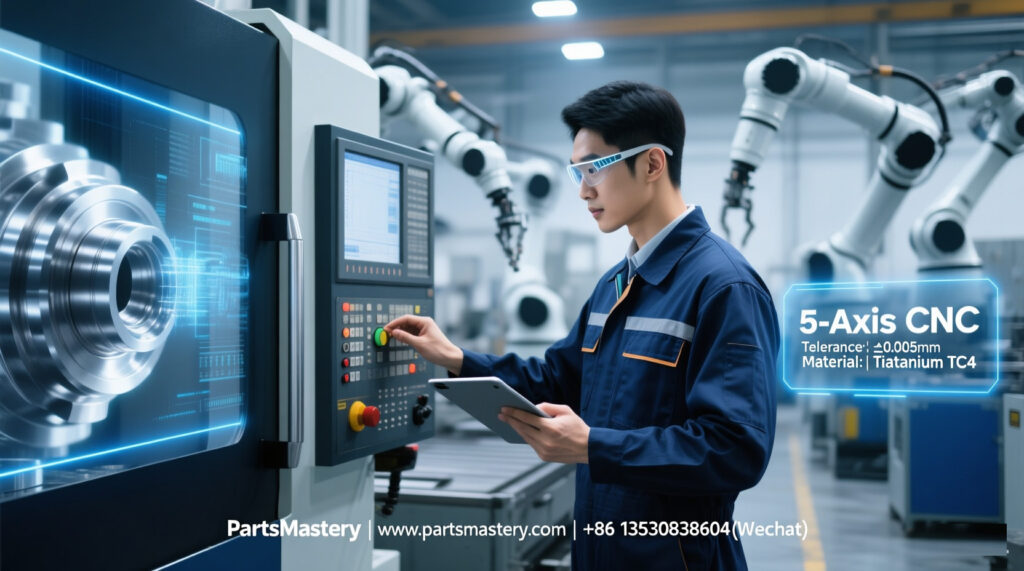
No mundo acelerado do fabrico moderno, conseguir uma produção de grande volume sem comprometer a qualidade ou o custo é o derradeiro desafio. Para os engenheiros e gestores de produção, a ferramenta que está na vanguarda desta revolução de eficiência é a molde multi-cavidades. Ao contrário dos moldes tradicionais de cavidade única que produzem uma peça por ciclo de injeção, um molde de cavidade múltipla é concebido com duas ou mais cavidades idênticas dentro de uma única ferramenta, permitindo a produção simultânea de múltiplos componentes num ciclo de prensagem.
Este guia fornece um mergulho profundo na tecnologia, benefícios e considerações estratégicas dos moldes multi-cavidades, oferecendo os conhecimentos técnicos necessários para otimizar os seus processos de produção em massa em 2026 e mais além.
A principal vantagem: Rendimento de produção inigualável
O principal motivo para a adoção da tecnologia de moldes com múltiplas cavidades é o aumento exponencial da eficiência da produção. Um molde de cavidade única produz uma peça por ciclo; um molde de 32 cavidades produz 32 peças exatamente no mesmo período de tempo. Tal como os dados do mercado global indicam, a indústria de moldes multicavidades está numa trajetória de crescimento constante, prevendo-se que a dimensão do mercado atinja aproximadamente $741 milhões em 2031, impulsionada em grande parte pela procura de soluções de fabrico de alta velocidade e rentáveis.
Em sectores de grande volume, como o dos dispositivos médicos, automóvel e embalagens de consumo, a capacidade de produzir milhões de unidades por ano não é negociável. Os moldes multi-cavidades transformam uma máquina de moldagem por injeção normal numa célula de produção de elevado rendimento. Até 2026, as tecnologias avançadas de sincronização de multi-cavidades reduziram os tempos de ciclo de molde único para menos de oito segundos, baixando drasticamente o custo por peça através da amortização de ferramentas e da eficiência do tempo de ciclo.
Engenharia de precisão: Projeto e especificações técnicas
A conceção de um molde multi-cavidades de alto desempenho requer uma engenharia sofisticada para garantir que cada cavidade produza uma peça idêntica à seguinte. Os principais obstáculos técnicos são equilíbrio de cavidades, controlo térmico e dinâmica do fluxo.
1. Sistemas equilibrados de enchimento e de corrediça
É fundamental conseguir um enchimento consistente em todas as cavidades. Um fluxo desequilibrado pode levar a variações dimensionais, flashes ou disparos curtos. Os engenheiros utilizam sistemas de canais quentes naturalmente equilibrados com canais de fluxo de igual comprimento para garantir uma distribuição uniforme da massa fundida. Com o advento do software de simulação da próxima geração, como o Moldex3D 2026, os projectos complexos de múltiplas cavidades podem agora ser optimizados a velocidades quatro a dez vezes mais rápidas, utilizando cálculos avançados de saída de ramal de canal quente para avaliar o equilíbrio do fluxo e a distribuição da pressão antes do início do fabrico de ferramentas físicas.
2. Gestão térmica e arrefecimento conformacional
O arrefecimento domina normalmente o tempo do ciclo de moldagem por injeção. Os canais de arrefecimento tradicionais com furos rectos não conseguem muitas vezes seguir as geometrias complexas das peças, levando a pontos quentes e a deformações. A integração de arrefecimento conformal - possibilitada pela impressão 3D de metal - permite que os canais de arrefecimento sejam moldados com precisão em torno do contorno da cavidade do molde. Esta inovação garante uma extração uniforme do calor, reduzindo os tempos de ciclo até 20%, minimizando as tensões residuais e melhorando drasticamente a qualidade da peça e a estabilidade dimensional.
3. Tecnologias de moldes inteligentes (Indústria 4.0)
Os moldes multi-cavidades modernos estão a evoluir para “moldes inteligentes”. Ao incorporar sensores de pressão e temperatura ligados à Internet Industrial das Coisas (IIoT), os fabricantes podem monitorizar as condições da cavidade em tempo real. Os sistemas orientados por IA analisam esses dados para detetar desvios do processo - como picos de pressão ou desvio de temperatura - antes que os defeitos ocorram, permitindo uma verdadeira fabricação sem defeitos e manutenção preditiva.
Seleção de materiais: Adequação do aço ao volume de produção
A escolha do material de molde correto é uma função direta do volume de produção necessário. A utilização do aço errado pode levar a um desgaste prematuro ou a despesas de capital desnecessárias.
-
Aço P20 (pré-endurecido): O padrão da indústria para moldes de uso geral. Com uma gama de dureza de 28-32 HRC, o P20 oferece uma excelente maquinabilidade e é ideal para produções de médio volume até cerca de 500 000 ciclos.
-
Aço H13 (aço para ferramentas temperado): Para uma produção de grande volume superior a 500.000 ciclos, o H13 é o material de eleição. Oferece uma dureza superior, uma excelente resistência à fadiga térmica (suportando temperaturas até 600°C) e uma elevada resistência ao desgaste, o que o torna perfeito para ferramentas de alta cavitação que utilizam plásticos de engenharia com enchimento de vidro ou a alta temperatura.
-
Aços inoxidáveis (420/S136): Ao moldar componentes médicos ou materiais corrosivos, os tipos de aço inoxidável fornecem a resistência à corrosão necessária para ambientes de sala limpa e maior longevidade da ferramenta.
Análise económica: Cálculo do ROI para ferramentas multi-cavidades
Embora o investimento inicial para um molde multi-cavidades seja significativamente mais elevado do que um molde de cavidade única - variando entre $30.000 e $100.000 para ferramentas de precisão complexas - o retorno do investimento (ROI) torna-se convincente à escala.
Para programas de alto volume que excedam 100.000 unidades por ano, a redução no custo por peça justifica a despesa inicial com ferramentas. Um molde de cavidade única pode produzir peças a $5-$20 por unidade em 1.000 unidades, mas esse custo cai para apenas $0,10-$2,00 por unidade em mais de 100.000 unidades, à medida que os custos de ferramentas são amortizados. A vantagem estratégica é clara: os fabricantes podem consolidar a produção num menor número de ciclos, reduzindo o tempo de funcionamento da máquina, os custos de mão de obra e o consumo de energia, conseguindo, em última análise, um custo total de propriedade mais baixo para programas de produção a longo prazo.
Principais aplicações do sector
Os moldes multi-cavidades são a espinha dorsal de várias indústrias críticas onde o volume, a precisão e a consistência são fundamentais.
-
Dispositivos médicos: Na produção de auto-injectores, seringas e tubos de ensaio, as quantidades anuais excedem frequentemente 20-50 milhões de componentes. Os moldes multi-cavidades (de 8 a 128 cavidades) asseguram a conformidade regulamentar com a norma ISO 13485 e proporcionam a repetibilidade necessária para dispositivos que salvam vidas.
-
Automóvel: Desde painéis de instrumentos de alta precisão e lentes de faróis a componentes interiores e peças de motor, os moldes multi-cavidades apoiam a necessidade da indústria de peças leves e duradouras produzidas em grandes volumes.
-
Eletrónica de consumo e embalagens: A produção de tampas, fechos, conectores e caixas electrónicas depende fortemente de moldes de alta cavitação para satisfazer a procura dos consumidores em rápida evolução, mantendo tolerâncias sub-milimétricas.
Tendências futuras e perspectivas do sector (2026-2031)
O sector dos moldes multi-cavidades não é estático; está a evoluir rapidamente. Várias tendências-chave estão a moldar o futuro da indústria:
-
Controlo de processos baseado em IA: Até 2026, espera-se que os algoritmos de IA tratem até 70% de decisões de design para ferramentas complexas, enquanto no chão de fábrica, a IA monitoriza a pressão da cavidade para prever e corrigir defeitos em tempo real, reduzindo as taxas de refugo em 25% ou mais.
-
Fabrico sustentável: Existe uma mudança crescente no sentido de processos amigos do ambiente. Os fabricantes estão a explorar polímeros biodegradáveis e materiais reciclados, com alguns estudos a indicarem uma redução de 50% no impacto ambiental através de escolhas de materiais sustentáveis na produção de moldes.
-
Integração do fabrico aditivo: A impressão 3D já não se destina apenas à criação de protótipos; é utilizada para criar inserções de moldes complexos e canais de arrefecimento conformes. Isto reduz os prazos de entrega desde o conceito até à produção até 50% e permite geometrias anteriormente impossíveis com métodos subtractivos.
Porquê uma parceria com a PartsMastery?
A implementação de uma estratégia de moldagem multi-cavidades bem sucedida requer mais do que apenas uma ferramenta; requer um parceiro com conhecimentos técnicos profundos e capacidades de fabrico de precisão. Em PartsMastery, Na nossa empresa, somos especializados na conceção, engenharia e produção de moldes multi-cavidades de alto desempenho, adaptados aos seus objectivos de produção específicos. Desde a análise DFM (Design for Manufacturability) até à seleção de materiais e validação de processos, a nossa equipa assegura que as suas ferramentas proporcionam o máximo tempo de funcionamento, zero defeitos e um ROI optimizado.
Para discutir o seu próximo projeto de grande volume ou para receber uma consulta técnica sobre a conceção de moldes multi-cavidades, contacte-nos hoje mesmo.
Telefone/WhatsApp: +86 13530838604
Sítio Web: https://partsmastery.com
Deixe que o PartsMastery seja a base da sua eficiência de fabrico.