






Molde inteligente: O Futuro da Moldagem por Injeção Inteligente para um Fabrico sem Defeitos
Palavra-chave alvo: Molde inteligente
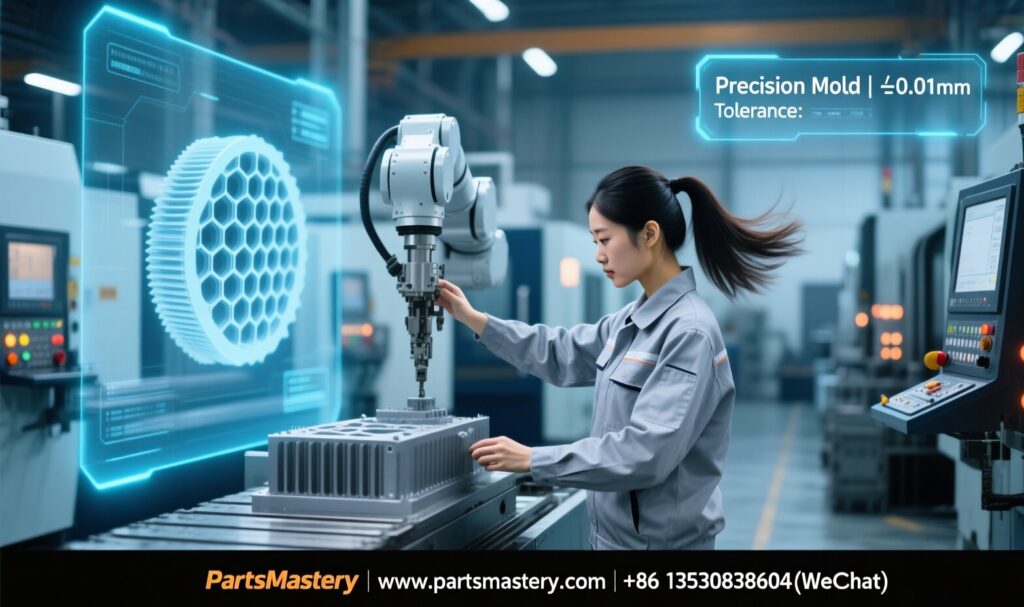
O chão de fábrica está a sofrer a sua transformação mais significativa desde o advento da maquinação CNC. No centro desta revolução está a molde inteligente-um sistema ciber-físico que transforma o molde de injeção tradicional de uma ferramenta passiva num ativo gerador de dados. Para os engenheiros de precisão e gestores de produção, compreender como um molde inteligente difere das ferramentas convencionais já não é um luxo; é uma necessidade competitiva.
A molde inteligente integra sensores incorporados, transdutores de pressão da cavidade em tempo real e conetividade IoT diretamente no corpo da ferramenta. Ao contrário dos moldes padrão que funcionam às cegas até uma peça falhar no controlo de qualidade, um molde inteligente comunica continuamente gradientes de temperatura, taxas de enchimento e forças de aperto. Este fluxo de dados permite ajustes preditivos do processo. Por exemplo, se a viscosidade mudar devido a uma ligeira variação do lote de material, o molde inteligente alerta a máquina de moldagem por injeção para aumentar a pressão de retenção ou ajustar a temperatura de fusão, evitando disparos curtos ou marcas de afundamento antes de acontecerem.
Porque é que a indústria se orientou de forma tão agressiva para a molde inteligente? A resposta está no custo total de propriedade. Um molde de alta cavitação para componentes médicos ou conectores automóveis pode custar dezenas de milhares de dólares. Sem inteligência, esse molde pode produzir sucata de 3-5% devido a desvios de processo, flutuações de temperatura ou entupimento de ventilação. Um molde devidamente instrumentado molde inteligente reduz essa taxa de refugo para menos de 0,5%, pagando frequentemente os seus próprios sensores num único ciclo de produção. Mais importante ainda, permite uma verdadeira manutenção baseada na condição. Em vez de retirar uma ferramenta para limpeza a cada 50.000 ciclos - independentemente da necessidade real - uma molde inteligente indica-lhe exatamente quando os pinos ejectores necessitam de lubrificação ou quando os canais de arrefecimento estão obstruídos.
Do ponto de vista da conceção, criar um molde inteligente requer uma abordagem diferente ao aço e à cablagem. Na PartsMastery, desenvolvemos soluções de moldes inteligentes que incorporam termopares em miniatura e sensores de pressão piezoeléctricos sem comprometer a resistência da cavidade. A chave é a colocação estratégica de sensores: perto do último ponto de enchimento para detetar a velocidade da frente de fluxo, no portão para monitorizar a diminuição da pressão de injeção e ao longo do circuito de arrefecimento para validar a uniformidade térmica. Estes dados alimentam um painel de controlo central, muitas vezes através de transmissão sem fios, permitindo aos engenheiros de moldes visualizar cada ciclo como uma forma de onda. Os desvios do “ciclo dourado” desencadeiam a ejeção automática de peças suspeitas ou ajustes de parâmetros em tempo real.
As vantagens operacionais vão para além da qualidade. A molde inteligente reduz drasticamente o tempo de qualificação do molde. Tradicionalmente, uma nova ferramenta pode exigir 200-300 disparos de teste e medições manuais com micrómetros para estabelecer janelas de processo. Com um molde inteligente, Com os sensores incorporados, é gerada uma impressão digital do processo ideal em menos de 50 ciclos. Os ciclos de produção subsequentes podem simplesmente corresponder a essa impressão digital. Para os fabricantes de alta mistura e baixo volume, isto reduz os tempos de mudança de produção de horas para minutos.
Considere-se o caso dos componentes de seringas médicas, em que a tolerância dimensional é medida em microns e o flash é inaceitável. Um molde convencional pode funcionar de forma aceitável durante as primeiras 8 horas e depois produzir gradualmente peças de tamanho excessivo à medida que o molde aquece. A molde inteligente com controlo térmico em circuito fechado detecta o aumento da temperatura do núcleo e ajusta automaticamente os caudais de refrigerante ou os atrasos de ciclo para estabilizar as dimensões da cavidade. O resultado: peças consistentes desde o primeiro disparo até ao 100.000º disparo.
Outra fronteira crítica para o molde inteligente é a monitorização remota e os gémeos digitais. Imagine um molde a funcionar nas instalações de um fabricante contratado em Shenzhen, enquanto a sua equipa de engenharia de qualidade está em Estugarda. Através da conetividade na nuvem, a molde inteligente transmite os dados do ciclo para um gémeo digital - uma réplica virtual que reflecte o comportamento físico. Quando a queda de pressão indica um entupimento iminente do respiradouro, ambos os locais recebem um alerta. Esta transparência transforma as relações com os fornecedores de baseadas em confiança para verificadas por dados.
Na PartsMastery, vimos em primeira mão como o molde inteligente reduz o tempo de inatividade não planeado. Um dos nossos clientes no sector da iluminação automóvel sofria de corrosão aleatória da porta devido a inconsistências no material de moagem. Depois de adaptarem as ferramentas existentes com um sistema de molde inteligente PartsMastery - incluindo sensores de pressão da cavidade e um monitor de vibração - detectaram o início da corrosão da porta após apenas 12 ciclos. O sistema rejeitou automaticamente essas peças e notificou a manutenção, evitando que uma ferramenta de $40.000 falhasse completamente. O retorno do investimento foi realizado em menos de três semanas.
Implementação de um molde inteligente requer algumas alterações na infraestrutura. A sua máquina de moldagem por injeção deve ter uma interface aberta (Euromap 77 ou OPC-UA) para receber sinais de feedback. A sua equipa precisa de formação básica na interpretação de gráficos de sensores - compreendendo que uma queda de 5% no pico de pressão da cavidade significa frequentemente uma abertura presa ou uma ponta de parafuso gasta. No entanto, os sistemas modernos de moldes inteligentes, incluindo os da PartsMastery, vêm com painéis de controlo fáceis de utilizar que destacam apenas as anomalias acionáveis. A complexidade está escondida atrás de algoritmos.
Olhando para o futuro, o molde inteligente tornar-se-á o padrão para qualquer indústria regulamentada - médica, aeroespacial, componentes de veículos eléctricos. À medida que a Indústria 4.0 amadurece, a inteligência do molde integrar-se-á com o MES (Manufacturing Execution Systems) para fornecer rastreabilidade total: a curva de pressão da cavidade de cada peça armazenada em relação ao seu número de série. Se ocorrer uma falha de campo dez anos mais tarde, é possível recuperar os parâmetros exactos desse ciclo e determinar se o molde estava a funcionar dentro das especificações.
Para os fabricantes que ainda dependem de ferramentas tradicionais, a questão já não é “se”, mas “quando” atualizar. O custo dos sensores e da conetividade baixou mais de 60% nos últimos cinco anos. Entretanto, o custo da sucata, do retrabalho e dos pedidos de garantia aumentou. A molde inteligente transforma as suas ferramentas de um passivo numa vantagem competitiva - proporcionando maior tempo de atividade, menor desperdício e controlo auditável do processo.
Para discutir como um molde inteligente pode adaptar as suas ferramentas existentes ou orientar um novo projeto desde a conceção até à produção, contacte diretamente a PartsMastery. A nossa equipa de engenharia é especializada em perfis de pressão de cavidade, integração de sensores e painéis de IoT adaptados às suas resinas e tolerâncias específicas.
Telefone ou envie-nos uma mensagem: +86 13530838604 (WeChat)
Sítio Web: www.partsmastery.com
Marca: PartsMastery
Não deixe que os seus moldes funcionem às cegas. Torne-os inteligentes. Torne-os PartsMastery.