






Molde de electrodomésticos: Engenharia de durabilidade e estética para casas modernas
Palavra-chave alvo: Molde de electrodomésticos
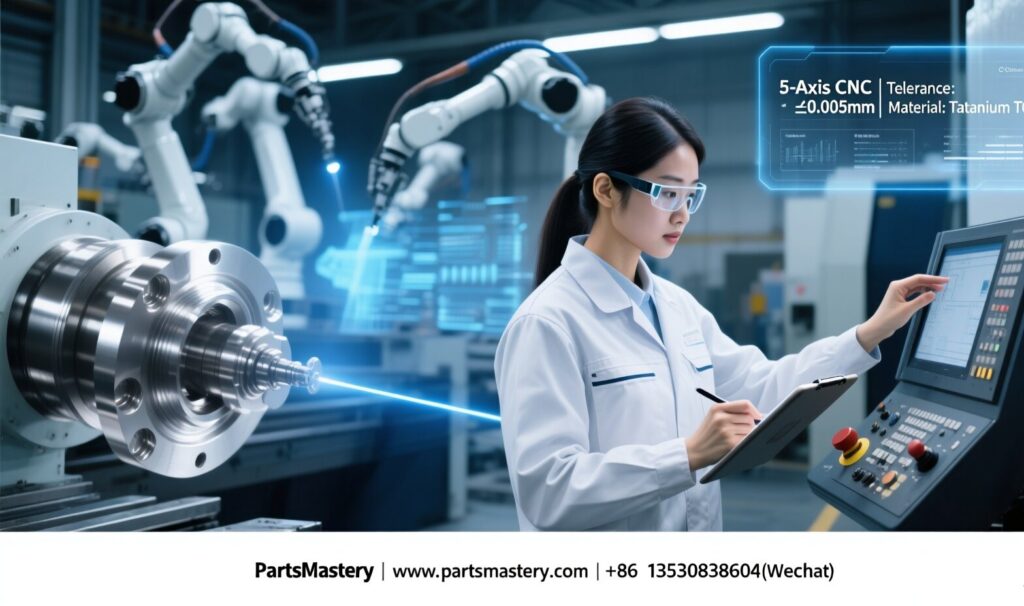
Por detrás de cada porta de frigorífico, painel de máquina de lavar roupa e grelha de ar condicionado encontra-se um herói desconhecido do fabrico moderno: o molde de electrodomésticos. Estas ferramentas grandes, complexas e de precisão transformam os granulados de plástico em componentes duráveis, atractivos e funcionais que definem os electrodomésticos actuais.
Em PartsMastery, Na nossa empresa, concebemos e fabricamos moldes de alto desempenho para a indústria de electrodomésticos - onde a qualidade das peças, a estabilidade dimensional e a fiabilidade a longo prazo não são negociáveis. Uma qualidade superior molde de electrodomésticos devem produzir peças que suportem a utilização diária, resistam aos produtos químicos e ao calor e mantenham o seu aspeto durante anos.
Como os moldes de aparelhos diferem de outros moldes de injeção
A indústria dos electrodomésticos impõe exigências únicas à conceção e construção de moldes. Ao contrário das embalagens ou das peças industriais em geral, os componentes dos electrodomésticos apresentam frequentemente..:
-
Dimensões de peças grandes - os tambores das máquinas de lavar roupa, os revestimentos dos frigoríficos e as caixas dos aparelhos de ar condicionado podem exceder um metro de comprimento.
-
Acabamentos de superfície de classe A - Os painéis exteriores visíveis requerem superfícies perfeitas, de grão igual, sem linhas de soldadura ou marcas de afundamento.
-
Complexidade estrutural - nervuras, saliências, encaixes e dobradiças vivas integradas numa única peça.
-
Materiais retardadores de chama - muitas resinas de aparelhos contêm aditivos que são corrosivos para os aços de molde padrão.
-
Longas séries de produção - um único modelo de aparelho pode vender milhões de unidades ao longo de 5-10 anos, exigindo uma vida útil do molde de 5-20 milhões de ciclos.
Um molde normal simplesmente não consegue sobreviver a estas condições. Um verdadeiro molde de electrodomésticos é construído com secções de aço mais pesadas, estratégias de arrefecimento avançadas e revestimentos resistentes ao desgaste.
Elementos críticos de conceção de um molde de electrodomésticos de alta qualidade
1. Seleção de aço robusto e tratamento térmico
Dadas as grandes forças de fixação (500 a 3.000+ toneladas) e os longos ciclos, a seleção do material é fundamental. A PartsMastery utiliza:
| Secção de moldes | Aço recomendado | Dureza | Objetivo |
|---|---|---|---|
| Cavidade e núcleo | P20+Ni / 1.2738 | 32-38 HRC | Dureza e polimento equilibrados para peças grandes |
| Placas de desgaste | H13 / 1.2344 | 48-52 HRC | Superfícies deslizantes sob alta pressão de fixação |
| Corrediças e elevadores | S7 / 1.2766 | 52-56 HRC | Resistência ao impacto para núcleos móveis |
| Resinas corrosivas | S136 / 420SS | 48-52 HRC | Aço inoxidável para materiais retardadores de chama |
Para painéis exteriores de alto brilho, aplicamos niquelagem electrolítica ou revestimentos CrN nas superfícies das cavidades, garantindo centenas de milhares de peças brilhantes sem tempo de paragem para polimento.
2. Arrefecimento avançado para peças de grandes dimensões
A molde de electrodomésticos para um revestimento de porta de frigorífico (1,2 m x 0,5 m) tem de remover o calor uniformemente através de uma área de superfície maciça. Um arrefecimento desigual provoca deformações, marcas de afundamento e tempos de ciclo prolongados.
A PartsMastery emprega:
-
Arrefecimento por deflectores e borbulhadores - canais de água dirigidos para secções profundas do núcleo utilizando deflectores em espiral ou tubos de impacto de jato.
-
Arrefecimento conformacional - Canais impressos em 3D que seguem contornos complexos em torno de nervuras e saliências, reduzindo os tempos de ciclo em 25-40%.
-
Colectores de grande caudal - circuitos de arrefecimento separados para a cavidade, núcleo e lâminas, cada um com medidores de caudal e monitorização da temperatura.
Num projeto para uma cuba exterior de uma máquina de lavar roupa, a refrigeração conforme reduziu o tempo de ciclo de 90 segundos para 55 segundos - uma melhoria de 39% e mais de 200.000 peças adicionais por ano.
3. Sistemas de ejeção para peças grandes e profundas
As peças de grandes electrodomésticos têm muitas vezes tiragens profundas e ângulos de inclinação negativos. Um conjunto de pinos ejectores normal não é suficiente. Os nossos molde de electrodomésticos Os desenhos incluem:
-
Sistemas de ejectores hidráulicos - cilindros hidráulicos potentes e sincronizados que empurram uniformemente as grandes placas de ejeção.
-
Ejeção assistida por ar - o ar comprimido quebra as juntas de vácuo em peças de grande profundidade, como os forros dos frigoríficos.
-
Sistemas de placas de decapagem - ideal para peças com grandes superfícies planas, proporcionando 100% uma força de ejeção uniforme.
-
Interfaces robóticas para take-away - caraterísticas de alinhamento de precisão para ferramentas de fim de braço.
Também incorporamos sensores de posição em todos os núcleos móveis e placas ejectoras para evitar danos no molde devido a uma ejeção incompleta.
Acabamento e textura da superfície: A diferença visível
Para componentes visíveis de aparelhos - painéis de controlo, puxadores de porta, acabamentos decorativos - a qualidade da superfície é uma declaração de marca. A PartsMastery alcança acabamentos de Classe A através de:
-
Polimento de diamantes - grãos progressivos de 400 a 12.000, seguidos de um composto de diamante para acabamentos espelhados.
-
Texturização química - Gravura com ácido para criar padrões de grão (fino, médio, grosso) que escondem os riscos e são de primeira qualidade ao toque.
-
Texturização EDM - maquinagem por descarga eléctrica para obter texturas profundas e duradouras que resistem ao desgaste.
-
Medição do brilho - Unidades de brilho de 60 graus (GU) verificadas com base em amostras do cliente, normalmente 85-95 GU para painéis de alto brilho.
Também combinamos a textura com resinas específicas - o ABS tem grãos finos, enquanto o nylon com enchimento de vidro requer texturas mais profundas para manter o aspeto após milhares de ciclos.
Compatibilidade de materiais e controlo da retração
Diferentes resinas de aparelhos comportam-se de forma diferente dentro de um molde de electrodomésticos. A equipa de engenharia da PartsMastery compensa com precisão:
| Material | Intervalo de retração | Considerações especiais |
|---|---|---|
| ABS | 0,4-0,7% | Bom fluxo, excelente brilho |
| Mistura de PC/ABS | 0,5-0,8% | Alto impacto, estabilização UV necessária |
| PP + talco | 1.0-1.5% | Risco de deformação, requer um arrefecimento equilibrado |
| ABS retardador de chama | 0,3-0,6% | Libertação de gás corrosivo, aço inoxidável recomendado |
| Nylon com enchimento de vidro | 0,2-0,5% | Altamente abrasivo, requer aço endurecido |
Efectuamos uma análise completa do fluxo do molde para cada projeto, simulando padrões de enchimento, posições de linhas de soldadura, purgadores de ar e queda de pressão antes de cortar qualquer aço.
Moldes multi-cavidades e familiares para a produção de electrodomésticos
Embora os moldes para electrodomésticos sejam normalmente de cavidade única devido ao tamanho da peça, concebemos frequentemente:
-
Moldes familiares - várias peças diferentes (por exemplo, guarnição do painel de controlo esquerdo e direito) numa base de molde, reduzindo o investimento em ferramentas.
-
Disposição de duas+duas cavidades - para componentes mais pequenos, como painéis de botões, grelhas de ventilação ou tampas de dobradiças.
-
Moldes de empilhamento rotativos - para moldagem por injeção dupla de sobremoldes de toque suave (por exemplo, TPE em ABS para pegas).
Cada configuração é equilibrada para um enchimento e pressão de enchimento iguais em todas as cavidades, verificado por testes de curta duração.
Garantia de qualidade para moldes de electrodomésticos
Dado o elevado custo das ferramentas de aparelhos e os longos períodos de produção, é essencial uma validação rigorosa. Todos os molde de electrodomésticos da PartsMastery é submetido:
-
Revisão da conceção para a capacidade de fabrico (DFM) - Análise de modelos 3D para ângulos de inclinação, consistência da espessura da parede, colocação de portas e ejeção.
-
Simulação do fluxo do molde - verificar o equilíbrio do enchimento, a uniformidade do arrefecimento e as previsões de empeno.
-
Inspeção CMM - todas as dimensões críticas verificadas até ±0,02mm, incluindo os fechos da linha de separação e as guias de deslizamento.
-
Moldagem de amostras - 200 disparos contínuos medidos quanto à estabilidade do peso (variação máxima de 0,5%) e defeitos cosméticos.
-
Verificação da montagem - testar a montagem de peças de amostra em conjuntos de aparelhos reais para confirmar o ajuste e a função.
Fornecemos documentação completa, incluindo certificações de materiais, registos de tratamento térmico e relatórios de inspeção.
Defeitos comuns de electrodomésticos resolvidos por um melhor design de moldes
Baixa qualidade molde de electrodomésticos que os projectos frequentemente provocam:
-
Marcas de afundamento - depressões opostas a nervuras ou saliências espessas. Resolvido através da redução das variações de espessura da parede e da adição de arrefecimento conformacional.
-
Linhas de soldadura - linhas visíveis onde as frentes de fluxo se encontram, enfraquecendo a estrutura. Resolvido ajustando a localização das comportas ou acrescentando poços de transbordo.
-
Tiros curtos - enchimento incompleto nos cantos mais afastados. Resolvido com comportas maiores, maior pressão de injeção ou melhor ventilação.
-
Marcas de ejetor - marcas de alfinetes visíveis nas superfícies cosméticas. Resolvido com a utilização de placas de decapagem ou ejeção de ar.
-
Página de guerra - peças torcidas ou curvadas. Resolvido através de um arrefecimento equilibrado e de uma espessura de parede uniforme.
A análise DFM do PartsMastery detecta estes problemas antes da produção, poupando semanas de modificações dispendiosas no molde.
Recursos prontos para automação
As modernas linhas de fabrico de electrodomésticos são altamente automatizadas, com robôs, transportadores e sistemas de visão. Os nossos molde de electrodomésticos Os desenhos incluem:
-
Sensores montados em moldes - pressão da cavidade, temperatura e feedback da posição para monitorização do processo em tempo real.
-
Sistemas de troca rápida de molde (QMC) - ranhuras de fixação normalizadas e ligações rápidas de água/eletricidade para mudanças em 10 minutos.
-
Colectores de água centralizados - circuitos codificados por cores e etiquetados com reguladores de caudal e sensores de fugas.
-
Confirmação da placa ejectora - sensores de posição que verificam a ejeção total antes do fecho do molde.
Estas caraterísticas reduzem o tempo de inatividade e permitem uma produção sem luzes.
Porquê a PartsMastery para as suas ferramentas de electrodomésticos?
Com décadas de experiência no fornecimento de molde de electrodomésticos soluções para marcas globais, a PartsMastery oferece:
-
Fabrico interno - Mais de 20 máquinas CNC, EDM, EDM de fio, CMM e retificação de superfícies. Sem atrasos na subcontratação.
-
Grande capacidade de molde - moldes até 10 toneladas e 2m x 1,5m suportados.
-
Apoio técnico global - peças sobressalentes armazenadas a nível regional, resolução remota de problemas, serviço no local disponível.
-
Preços diretos competitivos - sem margens de lucro de empresas comerciais.
A linha de fundo
Um superior molde de electrodomésticos é um investimento em qualidade, eficiência e reputação da marca. Ciclos mais rápidos reduzem o custo por peça. Um melhor arrefecimento elimina deformações e desperdícios. Os acabamentos de classe A encantam os clientes e exigem preços mais elevados. Quando se somam as vantagens, as ferramentas de precisão para aparelhos pagam-se a si próprias mais rapidamente do que qualquer outro ativo de produção.
Quer necessite de revestimentos de frigoríficos, banheiras de máquinas de lavar roupa, grelhas de ar condicionado ou qualquer outro componente de electrodomésticos, a PartsMastery oferece desempenho, durabilidade e assistência.
Pronto para atualizar a sua produção de aparelhos?
Contacto PartsMastery hoje para uma consulta técnica e uma análise DFM gratuita.
Telefone ou WhatsApp: +86 13530838604 (WeChat disponível)
Deixe-nos construir o molde que alimenta os seus aparelhos da próxima geração.