




Fábrica de Moldes de Injeção da China: Precisão, escalabilidade e fiabilidade para o fabrico global
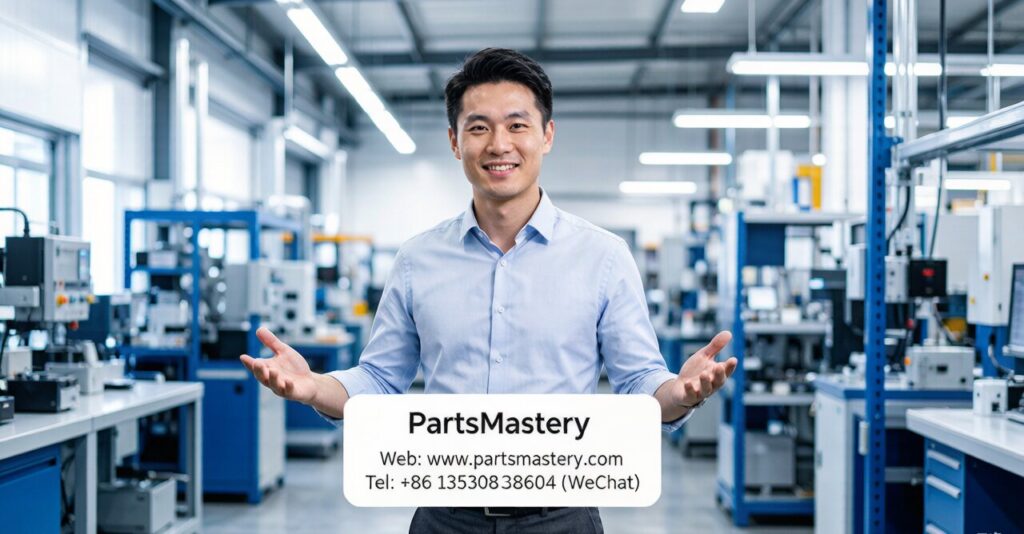
No panorama do fabrico moderno, a moldagem por injeção continua a ser um dos processos mais eficientes e versáteis para a produção de peças de plástico em grande escala. Desde componentes interiores para automóveis a caixas para dispositivos médicos, caixas para eletrónica de consumo e ferramentas industriais, a moldagem por injeção permite a produção de grandes volumes com uma repetibilidade excecional. Quando as empresas globais procuram uma empresa de confiança Fábrica de moldagem por injeção na China, Por isso, procuram um parceiro que combine conhecimentos técnicos, um rigoroso controlo de qualidade e uma produção rentável. A PartsMastery é esse parceiro, fornecendo soluções de moldagem por injeção de classe mundial a clientes na América do Norte, Europa e Ásia.
Compreender a moldagem por injeção como um processo de fabrico
A moldagem por injeção é um processo de fabrico que transforma polímeros termoplásticos ou termoendurecíveis em peças acabadas. O processo começa com pellets de plástico em bruto, que são introduzidos num cilindro aquecido, derretidos e depois injectados sob alta pressão numa cavidade de molde maquinada com precisão. Após arrefecimento e solidificação, o molde abre-se e a peça é ejectada. Um único ciclo pode demorar de alguns segundos a vários minutos, dependendo da complexidade, do material e do tamanho da peça.
O verdadeiro poder da moldagem por injeção reside na sua capacidade de produzir peças idênticas - dezenas de milhares ou mesmo milhões - com uma variação mínima. Assim que o molde é qualificado e os parâmetros do processo são optimizados, cada peça espelha a primeira. Esta consistência é a razão pela qual indústrias que vão desde os dispositivos médicos à indústria automóvel confiam na moldagem por injeção para componentes de missão crítica.
Porque é que a China se tornou um centro global para a moldagem por injeção
Nas últimas duas décadas, a China evoluiu de um destino de montagem de baixo custo para uma sofisticada potência industrial. Atualmente, um moderno Fábrica de moldagem por injeção na China opera com máquinas de moldagem por injeção eléctricas e híbridas avançadas, sistemas automatizados de manuseamento de materiais, remoção robotizada de peças e monitorização da qualidade durante o processo. São vários os factores que impulsionam esta transformação:
Em primeiro lugar, o investimento de capital. As principais fábricas chinesas investiram fortemente em máquinas de moldagem por injeção japonesas e alemãs de marcas como a Fanuc, Sumitomo, Toshiba, Engel e KraussMaffei. Estas máquinas oferecem um controlo preciso do disparo, estabilidade da força de fixação e eficiência energética. Muitas fábricas também utilizam prensas servo-acionadas que reduzem os tempos de ciclo e o consumo de eletricidade.
Em segundo lugar, a capacidade de fabrico de moldes. O molde é o coração de qualquer operação de moldagem por injeção. A China desenvolveu uma indústria de moldes de classe mundial, com muitas fábricas a operarem salas de ferramentas internas equipadas com centros de maquinação CNC, EDM (maquinação por descarga eléctrica), corte por fio e retificação de precisão. Esta integração vertical significa um desenvolvimento de moldes mais rápido, custos de ferramentas mais baixos e uma colaboração de engenharia sem falhas.
Terceiro, mão de obra qualificada. A moldagem por injeção requer um conhecimento profundo da reologia do material, da dinâmica de arrefecimento e da otimização do processo. As fábricas chinesas empregam engenheiros de processos e técnicos de moldes experientes, capazes de diagnosticar defeitos - como marcas de afundamento, linhas de soldadura, flash ou deformação - e corrigi-los através de princípios científicos de moldagem.
Capacidades abrangentes de uma moderna fábrica de moldagem por injeção na China
Uma fábrica de moldagem por injeção com serviço completo oferece muito mais do que apenas a produção de peças. Desde o projeto inicial para análise da capacidade de fabrico (DFM) até à montagem final e expedição, as capacidades incluem normalmente:
-
Especialização em materiais: Termoplásticos, incluindo ABS, PC, PP, PE, PA (nylon), POM (acetal), PMMA (acrílico), PBT, PET, PPS, PEEK e misturas de engenharia. Também suporte para materiais de qualidade alimentar, de qualidade médica, estabilizados contra raios UV, retardadores de chama e reforçados com fibra de vidro.
-
Conceção e fabrico de moldes: Moldes de uma cavidade, multi-cavidades, moldes familiares, sistemas de canais quentes e moldes de desenroscamento para peças roscadas. Capaz de produzir moldes com capacidade para milhões de ciclos.
-
Serviços de moldagem por injeção: Forças de aperto que variam de 50 toneladas a mais de 2.000 toneladas, acomodando pesos de peças de menos de um grama a vários quilogramas. Capacidades de moldagem por inserção e sobremoldagem para combinar plástico com metal, borracha ou outros materiais.
-
Operações secundárias: Pintura, tampografia, gravação a laser, soldadura por ultra-sons, estacaria térmica, montagem e embalagem.
-
Garantia de qualidade: Inspeção do primeiro artigo (FAI), amostragem durante o processo, medição CMM e documentação PPAP completa para clientes do sector automóvel ou médico.
Certificações de qualidade e normas internacionais
Ao selecionar uma fábrica de moldagem por injeção na China, as certificações fornecem um indicador fiável de capacidade e compromisso. A PartsMastery e outros fornecedores de topo mantêm sistemas de gestão da qualidade ISO 9001:2015. Para componentes de dispositivos médicos, a certificação ISO 13485 garante a conformidade com requisitos regulamentares rigorosos. As peças para automóveis são produzidas ao abrigo da IATF 16949, com ferramentas essenciais que incluem APQP, FMEA, MSA, SPC e PPAP. Muitas fábricas também possuem a ISO 14001 para gestão ambiental e efectuam testes de conformidade com RoHS e REACH para mercados regulamentados.
Aplicações críticas em todos os sectores
A moldagem por injeção serve uma gama extraordinariamente vasta de indústrias. No sector automóvel, as peças moldadas incluem painéis de revestimento interior, componentes do painel de instrumentos, puxadores de portas, caixas de luzes e componentes sob o capot, tais como conectores e reservatórios de fluidos. No sector médico, a moldagem por injeção produz seringas, componentes intravenosos, caixas para dispositivos de diagnóstico, pegas para instrumentos cirúrgicos e embalagens esterilizadas. A eletrónica de consumo depende de caixas moldadas, conectores, interruptores e molduras. As aplicações industriais incluem engrenagens, rolamentos, componentes de bombas, corpos de válvulas e caixas personalizadas para equipamento de automação.
Considerações sobre o design de peças moldadas por injeção
O sucesso da moldagem por injeção começa com a conceção adequada da peça. As equipas de engenharia experientes de uma fábrica de moldagem por injeção na China aconselham os clientes sobre os ângulos de inclinação (normalmente 1 a 3 graus) para facilitar a ejeção da peça, a espessura uniforme da parede para evitar afundamentos e empenos, raios generosos nos cantos para reduzir a concentração de tensões e a colocação adequada do portão para garantir um enchimento equilibrado. Também abordam a seleção de materiais - compreendendo que uma peça que requer uma elevada resistência ao impacto pode necessitar de policarbonato, enquanto uma peça que requer resistência química pode necessitar de polipropileno ou nylon.
Porquê fazer parceria com a PartsMastery como a sua fábrica de moldagem por injeção na China
A PartsMastery não é apenas um fornecedor de produção; somos uma extensão da sua equipa de engenharia e cadeia de fornecimento. Desde a primeira revisão DFM até à colocação em funcionamento da ferramenta, otimização do processo e apoio contínuo à produção, aplicamos princípios científicos de moldagem e controlos de qualidade rigorosos. As nossas instalações de moldagem por injeção dispõem de uma frota de prensas de precisão de 60 a 800 toneladas, de uma sala de ferramentas totalmente equipada, de um laboratório de metrologia interno e de uma equipa de qualidade dedicada. Servimos clientes que exigem qualidade com zero defeitos, entrega atempada e comunicação transparente.
Compreendemos que cada projeto é único. Quer necessite de ferramentas de protótipo para 500 peças, ferramentas de ponte para 5.000 peças ou ferramentas de produção para milhões de peças anualmente, a PartsMastery fornece. Os nossos gestores de projeto falam inglês fluentemente, fornecem actualizações de produção semanais e respondem a questões técnicas no prazo de 24 horas.
Contacte a PartsMastery hoje mesmo
Pronto para dar vida ao seu próximo produto moldado por injeção de plástico? Discuta os requisitos do seu projeto, solicite uma análise DFM ou receba um orçamento competitivo contactando +86 13530838604 (WeChat). Deixe a PartsMastery ser a sua fábrica de moldagem por injeção na China de confiança, fornecendo precisão, consistência e valor - desde a primeira injeção até ao envio final.
Do conceito à produção em massa, o seu sucesso é moldado com a PartsMastery.