





A anodização é uma tecnologia de acabamento superficial eletroquímico amplamente utilizada para ligas de alumínio. Entre todas as categorias, Anodização dura de tipo III trata-se de um tratamento funcional de alto desempenho. Ao contrário da anodização decorativa convencional, este processo forma um revestimento anódico espesso e denso nas peças de alumínio, o que melhora significativamente a dureza da superfície, a resistência ao desgaste e o desempenho anticorrosivo. Atualmente, tornou-se a solução de superfície mais utilizada para componentes de alumínio que operam em condições de trabalho adversas nos setores automóvel, de maquinaria pesada, marítimo e noutras indústrias.
Este guia aborda em pormenor a definição básica, o mecanismo de reação, os materiais aplicáveis, o fluxo de trabalho completo de produção e o equipamento de apoio da anodização dura de Tipo III. Analisamos também as suas vantagens, limitações, setores de aplicação e normas internacionais, além de respostas às perguntas mais frequentes. Constitui uma referência técnica abrangente para engenheiros, fabricantes e especialistas em aquisições.
1. Visão geral: Anodização dura do tipo III vs. anodização do tipo II
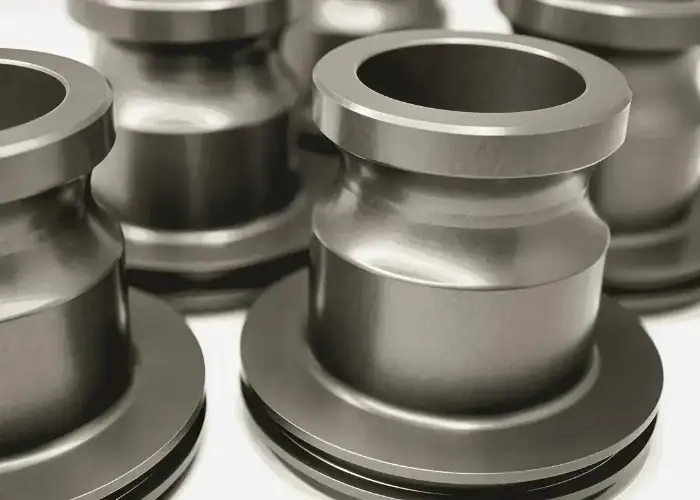
A anodização do tipo III, vulgarmente conhecida como anodização dura, é um processo de conversão eletroquímica que utiliza um eletrólito à base de ácido sulfúrico e cumpre as especificações militares para revestimentos anódicos. O seu objetivo principal não é a decoração estética, mas sim a criação de um revestimento protetor espesso para melhorar o desempenho mecânico das peças de alumínio.
A anodização decorativa do tipo II é a mais comum no mercado. Estes dois processos diferem significativamente no que diz respeito ao posicionamento, às características do revestimento e aos cenários de aplicação. A comparação detalhada é apresentada abaixo:
| Elemento de comparação | Anodização regular do tipo II | Anodização dura de tipo III |
|---|---|---|
| Objetivo principal | Decoração da superfície e resistência básica à corrosão | Revestimento de alta resistência e resistência superior ao desgaste |
| Características do revestimento | Camada fina com textura delicada, com ênfase na aparência | Película espessa e compacta, que privilegia a funcionalidade |
| Resistência ao desgaste | Moderado, apenas para condições de fricção ligeira | Excelente, ideal para situações de trabalho com elevado atrito |
| Utilização típica | Bens de consumo e peças de alumínio destinadas a fins estéticos | Peças industriais de suporte de carga e componentes sujeitos a elevado desgaste |
2. Mecanismo do processo e impacto dimensional nas peças
2.1 Princípio de formação do revestimento anódico
Toda a reação ocorre no interior do reservatório de eletrólito. A peça de alumínio é ligada ao circuito como ânodo. Quando se aplica corrente, os iões de alumínio separam-se do material de base, enquanto os iões de oxigénio presentes no eletrólito se acumulam na superfície da peça. Estes iões combinam-se para formar uma película sólida de óxido de alumínio.
O alumínio forma naturalmente uma camada de óxido fina e macia em condições ambientais normais. Através do controlo preciso da temperatura e da corrente, a anodização dura de tipo III promove a formação artificial de um revestimento de óxido muito mais espesso, o que constitui a chave para melhorar o desempenho global das peças de alumínio.
2.2 Causa principal da melhoria do desempenho
O revestimento anódico duro, formado artificialmente, apresenta uma espessura e densidade muito superiores às da camada natural de óxido do alumínio. Esta barreira protetora resistente resiste a riscos e à abrasão resultantes do contacto físico e isola o substrato de alumínio da humidade e de meios químicos. Proporciona uma dupla proteção contra o desgaste e a corrosão.
2.3 Alterações dimensionais causadas pelo crescimento do revestimento
O revestimento de anodização dura do Tipo III apresenta um crescimento bidirecional característica: parte da camada de óxido penetra para o interior do substrato de alumínio, enquanto o restante se acumula na superfície. Ambos os modos de crescimento alteram as dimensões originais da peça.
Esta característica tem um impacto significativo nas peças de precisão com orifícios, roscas, superfícies de vedação e encaixes com interferência. Os projetistas devem prever antecipadamente as margens de usinagem para evitar desvios dimensionais causados pelo acúmulo do revestimento.
| Modo de crescimento do revestimento | Impacto prático |
|---|---|
| Penetração para o interior | Altera ligeiramente o tamanho original do substrato de alumínio |
| Acumulação externa | Aumenta diretamente a dimensão exterior total das peças acabadas |
| Conceção de revestimento espesso | A margem de usinagem é obrigatória para componentes de precisão |
| Camada superficial endurecida | Prolongar eficazmente a vida útil dos componentes |
3. Materiais de base adequados para a anodização dura do tipo III
Este processo impõe requisitos rigorosos aos materiais de base. A escolha inadequada dos materiais conduzirá à descamação do revestimento, a uma espessura irregular da película e a outros defeitos.
3.1 Materiais compatíveis
A anodização dura do tipo III é aplicável exclusivamente ao alumínio puro e a várias ligas de alumínio. Nas aplicações industriais, as ligas de alumínio 6061 e 7075 são as mais utilizadas. A composição química das diferentes ligas afeta diretamente a uniformidade, a cor e o desempenho global do revestimento final. A escolha do material deve ser determinada de acordo com as condições reais de trabalho.
3.2 Materiais incompatíveis
O aço ao carbono, o latão e outros metais que não sejam alumínio não podem ser tratados com esta tecnologia. A anodização dura baseia-se na transformação eletroquímica de elementos de alumínio para formar películas densas de óxido, o que não é possível no aço nem no cobre. Para o reforço da superfície destes metais, recomendam-se a galvanoplastia, o revestimento por pulverização e outros métodos de acabamento.
4. Fluxo de trabalho completo da anodização dura de tipo III
Todo o processo divide-se em quatro fases principais: pré-tratamento, anodização dura, pós-selagem e inspeção final. O controlo dos parâmetros em cada etapa determina a espessura, a dureza e a estabilidade do revestimento. A anodização funcional exige uma precisão de processo muito superior à da anodização decorativa.
4.1 Pré-tratamento da superfície
O principal objetivo do pré-tratamento é remover completamente as manchas de óleo, os resíduos de usinagem e a camada de óxido natural da superfície da peça. A presença de contaminantes residuais resultará num revestimento irregular e numa fraca aderência.
Os procedimentos padrão de pré-tratamento incluem desengorduramento, enxaguamento, decapagem, gravação da superfície e desoxidação secundária. Uma superfície limpa e uniforme é a base para uma anodização dura de qualidade.
4.2 Processo de anodização do núcleo
Após o pré-tratamento, as peças são imersas em tanques de eletrólito à base de ácido sulfúrico, sendo-lhes fornecida corrente contínua para iniciar a reação anódica. Os operadores controlam rigorosamente a densidade de corrente, a temperatura da solução e o tempo de processamento, de modo a obter revestimentos duros que cumpram os requisitos de espessura e dureza exigidos. Após a reação, as peças são enxaguadas completamente para remover os resíduos de eletrólito.
4.3 Tratamento pós-selagem
O revestimento anódico duro contém poros minúsculos. No caso dos componentes utilizados em ambientes altamente corrosivos, é aplicado um processo de selagem adicional para obstruir os poros e reforçar ainda mais a resistência à corrosão.
A vedação hidrotérmica e a vedação por precipitação são os dois métodos mais comuns. As peças que privilegiam a resistência ao desgaste, sem requisitos rigorosos em termos de resistência à corrosão, podem prescindir da vedação. A solução é determinada pelas especificações do desenho e pelo ambiente de funcionamento.
4.4 Pontos-chave de controlo do processo
Seis fatores críticos determinam a qualidade do produto: composição do eletrólito, intensidade da corrente, temperatura de funcionamento, duração do processo, tipo de liga de alumínio e espessura pretendida do revestimento. No caso de peças de alta precisão, as áreas de proteção e as tolerâncias dimensionais devem ser calculadas antecipadamente. Um controlo estável do processo é essencial para obter produtos acabados que cumpram os requisitos de qualidade.
| Fase do processo | Objetivo principal |
|---|---|
| Limpeza e pré-tratamento | Remova completamente todos os contaminantes da superfície |
| Acabamento de superfícies | Assegurar a formação de um revestimento uniforme |
| Anodização dura | Produzir revestimentos de qualidade com espessura e dureza normalizadas |
| Selagem de poros | Aumentar a resistência à corrosão, conforme necessário |
| Inspeção final | Verificar a espessura do revestimento, o estado da superfície e outros indicadores-chave |
5. Consumíveis e equipamento de produção
5.1 Consumíveis do processo
Os principais materiais de produção incluem peças de alumínio, eletrólito de ácido sulfúrico, água de enxaguamento em várias fases e agentes químicos especiais para vedação. A solução ácida de alta concentração é habitualmente utilizada na produção de revestimentos duros e espessos, pelo que são necessárias medidas rigorosas de segurança durante a operação.
5.2 Equipamento essencial de produção
O sistema de produção completo é composto por tanques de reação, unidades de alimentação de corrente contínua, sistemas de controlo de temperatura constante, tanques de enxaguamento em várias fases, suportes e prateleiras para materiais. Os tanques de reação, as unidades de alimentação e os controladores de temperatura são os três dispositivos essenciais para garantir um desempenho estável do processo.
5.3 Tipos de linhas de produção
De acordo com a escala de produção, as linhas de produção são classificadas em linhas por lotes, linhas contínuas e linhas de anodização totalmente automáticas. O equipamento por lotes é adequado para encomendas de pequenos lotes, enquanto as linhas automáticas são preferidas para a produção em massa, a fim de melhorar a eficiência e a uniformidade do produto.
6. Principais vantagens da anodização dura de tipo III
Graças ao revestimento de óxido espesso e denso, este processo confere às peças de alumínio um desempenho excecional, o que explica a sua ampla utilização em diversos setores industriais.
6.1 Dureza superficial ultra-elevada
A microdureza das peças de alumínio tratadas pode atingir 500~530 VPN. A superfície dura resiste eficazmente a riscos, amolgadelas e danos mecânicos durante o manuseamento e a operação, reduzindo significativamente a taxa de rejeição causada por defeitos superficiais.
6.2 Excelente resistência ao desgaste
A resistência ao desgaste do revestimento anódico duro é mais de 10 vezes superior à da película anodizada normal. É perfeitamente adequado para peças móveis sujeitas a deslizamentos, rolagens e contacto mútuo repetidos. Os componentes tratados mantêm as suas dimensões estáveis durante uma utilização a longo prazo e requerem menos substituições.
6.3 Maior resistência à corrosão
A espessa camada de óxido funciona como uma barreira protetora hermética, separando o substrato de alumínio da humidade e das substâncias corrosivas presentes no ar. Proporciona uma proteção muito superior à do alumínio nu e à anodização do Tipo II em ambientes exteriores, marítimos e químicos. O nível de proteção anticorrosão pode ser ajustado através da alteração da espessura do revestimento e dos métodos de vedação.
6.4 Ideal para componentes industriais de alta gama
Este processo combina a vantagem da leveza da liga de alumínio com a proteção robusta do revestimento rígido. Muitas peças de engenharia necessitam de reduzir o peso, ao mesmo tempo que suportam atrito e cargas elevadas, e a anodização rígida do Tipo III satisfaz na perfeição esses requisitos combinados. É amplamente utilizada em caixas de máquinas, dispositivos de fixação de ferramentas e componentes de transporte.
| Vantagem fundamental | Valor prático na aplicação |
|---|---|
| Elevada dureza superficial | Resistente a riscos e danos causados por extrusão |
| Resistência ao desgaste superior | Prolongar a vida útil global dos componentes |
| Excelente resistência à corrosão | Melhorar a durabilidade em ambientes adversos |
| Manter a leveza do alumínio | Equilibrar o desempenho da proteção e a necessidade de redução de peso |
7. Limitações do processo e cenários em que não é aplicável
A anodização dura de tipo III não é uma solução universal. As suas desvantagens devem ser devidamente avaliadas antes da escolha, para evitar incompatibilidades no processo.
7.1 Opções de cor limitadas
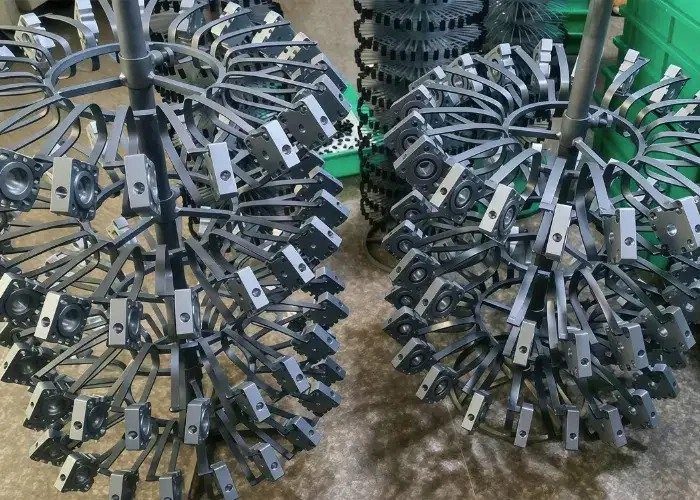
Devido ao mecanismo de reação, o revestimento anódico duro escurece naturalmente após a sua formação. As peças acabadas apresentam, na sua maioria, tons de preto, cinzento, bronze e outros tons escuros, sendo difícil obter cores vivas e diversos tons decorativos. Este processo não é recomendado para peças com requisitos rigorosos em termos de aspeto e uniformidade de cor. Além disso, as ligas de alumínio de diferentes classes apresentarão ligeiras diferenças de cor, mesmo com os mesmos parâmetros de processo.
7.2 Controlo difícil das tolerâncias dimensionais
O crescimento bidirecional do revestimento altera as dimensões originais das peças. É fácil que surjam problemas de desvio das tolerâncias em peças miniatura de ultraprecisão que não tenham uma margem de usinagem reservada. Estruturas-chave, tais como orifícios, roscas e superfícies de vedação, devem ter uma margem de revestimento reservada já na fase de conceção, o que aumenta a dificuldade da conceção e da usinagem.
7.3 Processo complexo e custos de produção mais elevados
Em comparação com a anodização do Tipo II, a do Tipo III exige um controlo mais rigoroso da temperatura, da corrente e da concentração da solução, bem como equipamento sofisticado e operadores profissionais. Procedimentos adicionais, como a proteção e a inspeção, também aumentam o custo global. A utilização deste processo em peças simples e de carga leve implicará um desperdício desnecessário de custos.
7.4 Cenários explicitamente inaplicáveis
Evite a anodização dura do Tipo III se os seus produtos se centrarem na aparência decorativa, exigirem uma tolerância dimensional nula, forem utilizados sob cargas leves e em ambientes pouco exigentes, ou se o objetivo for obter o menor custo de processamento possível. Opte, em vez disso, pela anodização do Tipo II ou por outras tecnologias de tratamento de superfícies.
8. Principais setores de aplicação
A anodização dura de tipo III é amplamente utilizada em peças de alumínio expostas a desgaste e corrosão a longo prazo. Os principais campos de aplicação são os seguintes:
1. Indústria automóvel: Os componentes móveis internos e as peças estruturais de alumínio estão sujeitos a vibrações e atrito contínuos. A anodização dura melhora eficazmente a durabilidade e constitui uma solução padrão de reforço de superfícies para os fabricantes automóveis.
2. Fabrico industrial geral: Os acessórios para máquinas-ferramentas, os dispositivos de fixação de ferramentas e as peças dos sistemas de transporte dependem deste processo para resistir ao atrito repetido e ao impacto mecânico.
3. Bens de consumo: É aplicado a produtos de hardware com elevados requisitos em termos de resistência a riscos e ao desgaste, com o objetivo de prolongar a vida útil do produto.
4. Equipamento para ambientes adversos: As instalações marítimas, os componentes de edifícios ao ar livre e as peças elétricas estão expostos ao névoa salina e à humidade. Este processo proporciona proteção anticorrosiva a longo prazo.
9. Normas do setor e especificações de conformidade
No caso de projetos militares, aeroespaciais e de fabrico de alta tecnologia com requisitos normativos rigorosos, a anodização dura do Tipo III deve estar em conformidade com especificações reconhecidas internacionalmente, incluindo a Mil-A-8625 Tipo III (Classe 1 / Classe 2), a MIL-STD 171, a AMS 2468, a AMS 2469, BS 5599 e ASTM B580 Tipo A.
Os parâmetros de ensaio convencionais abrangem cinco aspetos fundamentais: espessura do revestimento, desempenho de vedação, tolerância dimensional, aspeto da superfície, resistência ao desgaste e resistência à corrosão. A certificação de conformidade constitui uma referência importante para a seleção de materiais e processos em projetos de alto nível.
10. Perguntas frequentes
10.1 Qual é a espessura padrão do revestimento anódico duro do Tipo III?
A gama de espessuras habitual situa-se entre 25 e 75 micrómetros (1,0 a 3,0 mil). Em condições de carga extremamente elevada, a espessura do revestimento pode ultrapassar os 6,0 mil. A espessura final é personalizada de acordo com os requisitos de resistência ao desgaste e à corrosão de peças específicas.
10.2 Como remover um revestimento anódico duro já existente?
O revestimento anódico duro é denso e está firmemente ligado ao substrato de alumínio, pelo que não pode ser removido por simples esmerilagem mecânica. A decapagem química é o método industrial mais comum. É necessário controlar rigorosamente a concentração do agente químico e o tempo de processamento para evitar danificar a base de alumínio e as dimensões críticas. Recomenda-se a realização de testes em amostras antes do retrabalho formal.
10.3 A anodização do Tipo III é sempre melhor do que a do Tipo II?
Não existe uma superioridade absoluta entre os dois processos; estes foram concebidos para cenários diferentes. Opte pelo Tipo III para alta dureza, resistência superior ao desgaste e exigências rigorosas em termos de anticorrosão. Escolha a anodização do Tipo II para um aspeto decorativo, baixo custo e proteção básica. Além disso, a densidade de corrente do Tipo III é aproximadamente o dobro da do Tipo II, com normas de processo mais rigorosas.
10.4 O revestimento anódico duro do tipo III pode ser tingido?
É possível tingir o produto, mas as opções de cor são muito limitadas. O revestimento escurece naturalmente durante a sua formação, pelo que só é possível obter várias cores escuras. Este processo é orientado para a funcionalidade, sendo a coloração apenas uma opção auxiliar.
10.5 Qual é a densidade de corrente padrão para a anodização dura de Tipo III?
Na produção em série, a densidade de corrente estável situa-se entre 24 e 36 A/ft², um valor muito superior ao da anodização do Tipo II (inferior a 15 A/ft²). É necessário um controlo preciso da densidade de corrente para garantir que a espessura e a dureza do revestimento cumprem as normas.
Conclusão
Enquanto tecnologia de ponta para o tratamento funcional de superfícies de ligas de alumínio, a anodização dura do Tipo III cria revestimentos de óxido espessos e compactos, proporcionando três vantagens principais: elevada dureza, excelente resistência ao desgaste e resistência duradoura à corrosão. É a solução preferida para componentes de alumínio utilizados em condições industriais severas.
No entanto, apresenta limitações inerentes, tais como uma gama de cores limitada, alterações dimensionais e um custo relativamente elevado. A escolha do processo deve ter em conta a utilização da peça, os requisitos de precisão e o ambiente de funcionamento, para uma avaliação abrangente.
Oferecemos serviços personalizados de maquinagem de alumínio e uma gama completa de serviços de anodização. Selecionaremos a solução de tratamento de superfície mais adequada com base nos desenhos e nas condições de trabalho, para resolver de forma integrada os seus desafios relacionados com o processamento de peças de alumínio e a proteção de superfícies.