






カスタマイズ金型お客様の生産ニーズに合わせた精密金型
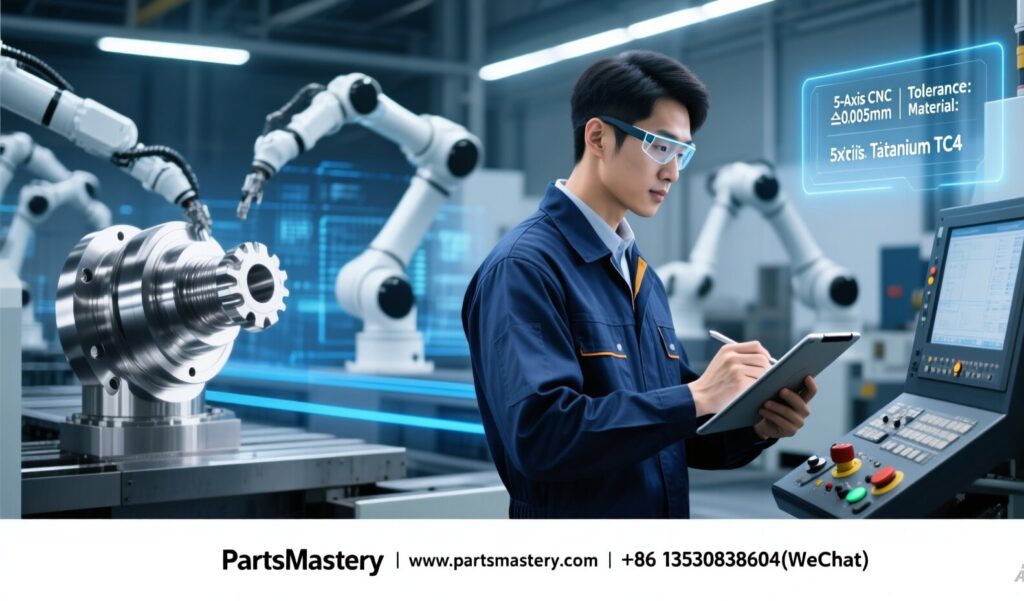
In modern manufacturing, the difference between a mediocre product and a market-leading one often comes down to the quality of the tooling used to create it. Customized dies represent the pinnacle of this precision engineering—specialized tools designed not for general applications, but for your specific part geometry, material requirements, and production volume. Unlike off-the-shelf solutions, customized dies are conceived around your unique CAD data, ensuring that every component produced meets exact specifications from the first run to the ten-thousandth.
What Makes a Die “Customized”?
A truly customized die goes beyond simple size adjustments. It involves tailoring the tool’s geometry, clearances, surface finish, and heat treatment to the specific behavior of your chosen material. For instance, a die intended for soft aluminum will have different draft angles and polish requirements than one designed for high-strength steel. Furthermore, customized dies consider your press equipment, part extraction method, and even downstream assembly processes.
Key customization parameters include:
-
Cutting clearance: Optimized to minimize burr formation based on material thickness and tensile strength.
-
Wear protection: Selective application of coatings like TiN (Titanium Nitride) or CrN to high-stress zones.
-
Ejection system design: Tailored to prevent distortion of delicate or thin-walled parts.
The Engineering Process Behind Custom Tooling
Creating customized dies follows a structured engineering workflow that ensures the final tool performs predictably. It begins with a Design for Manufacturing (DFM) analysis, where manufacturing engineers review your part model to identify potential issues such as sharp internal corners, insufficient draft, or unrealistic tolerances. This step is critical because a design that works for 3D printing may be impossible to stamp or form efficiently.
After DFM approval, the die design phase incorporates finite element analysis (FEA) to simulate stresses on the tool itself. Advanced manufacturers then proceed to CNC machining using hardened tool steel, followed by wire EDM (Electrical Discharge Machining) for intricate cavities and shapes that conventional milling cannot achieve.
Materials Science in Customized Dies
The longevity of a customized die depends heavily on material selection. Common choices include:
-
Tool steels (D2, A2, O1): High wear resistance, ideal for long production runs.
-
粉末冶金鋼(CPM 10V、CPM M4): Superior toughness and edge retention for abrasive materials.
-
Carbide: Used for insert sections in high-wear zones, though more brittle and expensive.
Proper heat treatment—including hardening, tempering, and sometimes cryogenic processing—transforms these raw alloys into tools that can withstand millions of cycles without significant wear.
カスタム金型の品質保証
Because customized dies are unique, standard inspection protocols may not apply. Instead, reputable manufacturers employ first-article inspection (FAI) , where the first parts produced are measured comprehensively against the original CAD model using CMM (Coordinate Measuring Machines) and optical comparators. Critical dimensions are often held to tolerances of ±0.01mm or tighter. Additionally, the die itself undergoes hardness testing and non-destructive examination to verify that heat treatment was uniform and free of micro-cracks.
Industry Applications Requiring Custom Dies
Nearly every durable goods sector relies on customized dies:
-
自動車: Body panels, chassis brackets, and engine gaskets.
-
航空宇宙 Structural ribs, clips, and shielding components where weight and strength are critical.
-
医療機器: Surgical instrument handles, implantable device housings, and sterilization trays.
-
家電製品: Shielding cans, connector pins, and battery contacts.
結論
Investing in customized dies is not merely buying a tool; it is engineering a manufacturing solution. The upfront cost and lead time are offset by lower per-part costs, reduced scrap, and consistent quality over high-volume production runs. When your product demands precision, repeatability, and efficiency, customized dies are the foundation upon which reliable manufacturing is built. Choosing a partner with robust DFM capabilities, advanced machining equipment, and rigorous quality systems ensures that your custom tooling becomes a long-term asset rather than a recurring headache.