







中国金型工場

When global buyers seek precision tooling at scale, the conversation inevitably turns to China dies factories. Unlike trading companies or intermediaries, these manufacturing facilities represent the actual production backbone—where steel meets engineering, and designs become tangible dies. Understanding what happens inside these factories is essential for any procurement professional looking to source high-quality stamping dies, casting molds, or progressive tooling.
The Manufacturing Ecosystem Behind China Dies Factories
China’s die-making industry is not a monolith. It consists of thousands of specialized factories, each with distinct capabilities, equipment profiles, and quality cultures. The most competitive China dies factories are concentrated in well-defined industrial corridors. The Pearl River Delta, particularly Dongguan and Shenzhen, hosts a dense network of facilities specializing in precision metal stamping dies and injection molds. The Yangtze River Delta, including Ningbo, Suzhou, and Shanghai, excels in large-scale die-casting molds and complex progressive dies for the automotive and appliance sectors.
What sets leading factories apart is vertical integration. A top-tier die factory typically houses CNC machining centers, wire-cut EDM, EDM sinkers, surface grinders, coordinate measuring machines (CMM), and heat treatment furnaces all under one roof. This integration eliminates outsourcing delays and ensures quality control at every step. Suppliers can machine a die blank, heat-treat it to specified hardness (typically HRC 48–62 depending on material and application), and perform final inspection without shifting work between multiple subcontractors.
Production Processes That Define Quality
Visiting a well-run China dies factory reveals a disciplined workflow. It begins with design review and DFM (Design for Manufacturability) analysis. Experienced die engineers examine the part geometry, material type (e.g., aluminum, steel, zinc alloy), and production volume to recommend the optimal die configuration—progressive, transfer, or line die. Advanced shops run mold flow or forming simulations to predict material behavior and identify potential defects like cracking or wrinkling before any steel is cut.
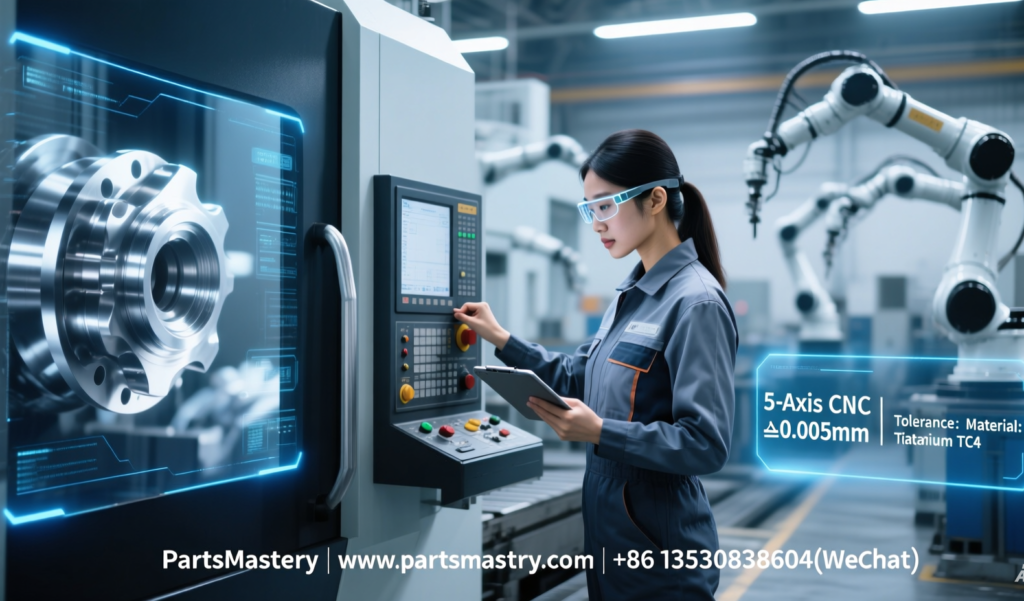
Once the design is finalized, machining begins. High-speed CNC milling creates the die cavity with tolerances as tight as ±0.005 mm. Wire EDM produces intricate features such as small radii and sharp internal corners. After machining, heat treatment relieves internal stresses and achieves the required wear resistance. Final finishing involves grinding and polishing; top factories achieve surface roughness (Ra) down to 0.4 μm for cosmetic surfaces.
Quality assurance is continuous. Many factories implement real-time monitoring of critical parameters—spindle load, coolant temperature, tool wear—to detect anomalies early. First-article inspection uses CMM technology to verify all dimensions against the CAD model. Capable China dies factories provide customers with full inspection reports, including CPk values for critical features, demonstrating process stability.
Why China Dies Factories Remain Competitive
Cost remains a factor, but it is no longer the only driver. China dies factories have transitioned from low-cost labor shops to technology-enabled manufacturing centers. Automation plays an increasing role. Robotic arms handle blank loading and finished part unloading on stamping presses. Automated guided vehicles transport heavy die sets between stations. These investments reduce human error, increase repeatability, and allow factories to operate lights-out shifts.
Lead times are another competitive advantage. A well-organized Chinese die factory can deliver a medium-complexity stamping die in 25 to 35 days from design approval—often 30% faster than counterparts in Europe or North America. This speed comes from lean inventory management, dedicated project managers, and a culture of urgency. Many factories maintain safety stock of standard die components (guide pillars, bushings, springs, etc.), eliminating wait times for sourcing these items.
Quality Certifications And International Standards
Serious buyers look for certifications that signal consistent quality. ISO 9001:2015 is the baseline. For automotive applications, IATF 16949 is mandatory, ensuring that the factory adheres to rigorous process control and continuous improvement protocols. Some factories also hold ISO 14001 for environmental management, reflecting their commitment to sustainable manufacturing.
Beyond certificates, experienced buyers evaluate a factory’s export track record. China dies factories that regularly ship to Germany, Japan, the United States, or South Korea have already satisfied demanding customers. References, sample runs, and on-site audits remain the most reliable verification methods.
Making The Right Choice
To select a capable partner among thousands of China dies factories, start with a clear technical specification: material type, annual volume, part complexity, required die life (e.g., 100,000 strokes vs. 1 million), and acceptable tolerance range. Request a capability matrix showing maximum die dimensions, press tonnage capacity, and available inspection equipment. Then, ask for documented case studies similar to your application.
For example, a factory that has successfully produced progressive dies for high-speed stamping of electrical contacts (thickness 0.2 mm, tolerance ±0.01 mm) is more likely to handle your micro-stamping project than a generalist shop. Similarly, a factory specializing in aluminum die-casting molds with vacuum assist will serve EV housing components better than one focused on zinc alloy decorative parts.
結論
China dies factories have evolved into sophisticated manufacturing partners capable of delivering world-class tooling. Their combination of advanced equipment, vertical integration, competitive pricing, and fast lead times makes them indispensable to global supply chains. By understanding regional specializations, evaluating technical capabilities, and verifying quality systems, buyers can forge long-term relationships with factories that consistently meet or exceed expectations.
パーツマスター – Your Trusted Die Casting and Stamping Mold Partner
Contact: +86 13530838604 (WeChat)