






In industrial manufacturing, shipbuilding, chemical storage and many other sectors, 5083 aluminum alloy from the 5000 series has always been a vital engineering material. As an aluminum-magnesium alloy that cannot be strengthened by heat treatment, it stands out for excellent corrosion resistance, reliable weldability and stable mechanical strength, making it a top choice for components working in harsh service conditions.
This guide covers the basic definition, chemical composition, core performance, common tempers, processing methods and industry applications of 5083 aluminum alloy. We also compare it with the popular 6061 aluminum alloy and share practical material selection tips to help engineers and purchasers fully understand this classic marine-grade aluminum material.
1. Basic Introduction to 5083 Aluminum Alloy
5083 is a typical non-heat-treatable Al-Mg alloy and a well-recognized marine-grade aluminum sheet in the global market. Its mechanical properties are improved mainly through strain hardening instead of thermal treatment.
This material performs exceptionally well in high-salinity, high-humidity and chemically corrosive environments. It is widely used for long-service structural parts, welded assemblies and pressure-bearing equipment, and has become an essential raw material for shipbuilding, general machinery and transportation industries.
2. Chemical Composition of 5083 Aluminum Alloy
The outstanding performance of 5083 aluminum alloy is derived from its carefully designed chemical formula, which is optimized for superior corrosion resistance, easy welding and long-term structural stability.
Magnesium is the primary alloying element. It greatly enhances the overall mechanical strength and delivers strong resistance against seawater and industrial chemical corrosion. A small amount of manganese and chromium is added to further stabilize the alloy structure and improve the performance of welded joints.
Another key feature is its extremely low copper content. This composition design gives 5083 far better anti-corrosion performance than most conventional aluminum alloys, which is the core reason why it can serve reliably in corrosive environments for decades. Since it is a non-heat-treatable alloy, its formula does not focus on strength improvement via heating processes.
3. Five Core Performance Advantages
Compared with ordinary aluminum alloys, 5083 has comprehensive superior properties, which support its wide range of industrial applications.
3.1 Outstanding Corrosion Resistance
Corrosion resistance is the biggest highlight of 5083. It can effectively resist erosion from seawater, salt spray and various industrial chemicals. Its long service life in humid and high-salinity conditions is why it is defined as a standard marine-grade aluminum material.
3.2 High Strength among Non-Heat-Treatable Alloys
Although it cannot be strengthened by heat treatment, 5083 achieves considerable mechanical strength through strain hardening. Different temper grades can meet diverse load-bearing requirements for structural components.
3.3 Excellent Weldability
After welding, 5083 aluminum alloy still maintains stable strength and corrosion resistance without obvious performance degradation. It is a cost-effective option for manufacturing storage tanks, hull structures and large welded frames.
3.4 Good Forming & Machinability
The alloy balances strength and ductility, so it can be easily bent and shaped. It is compatible with conventional forming processes and suitable for manufacturing parts with complex structures and designs.
3.5 Stable Performance in Extreme Conditions
5083 maintains stable physical properties under low temperature, outdoor exposure and long-term damp environments. It is highly reliable for projects that require long-term durability.
4. Common Temper Grades & Application Scenarios
Since 5083 cannot be hardened by heat treatment, its mechanical properties are adjusted by strain hardening and stabilization treatment. Different tempers feature different strength and ductility for targeted use cases.
5083-O (Annealed Temper)
This is the softest state of 5083 alloy with the best ductility, ideal for deep drawing and complex bending. It is mainly used for parts with complicated shapes and low structural strength requirements.
5083-H32
The most widely used general-purpose temper. It balances strength, corrosion resistance and machinability, suitable for most standard engineering components and formed parts.
5083-H111
A lightly hardened version. It has higher strength than O temper while retaining good ductility, perfect for parts that need moderate load capacity and secondary bending during production.
5083-H116
Specially developed for marine service. Its anti-seawater corrosion capability is further enhanced with stable mechanical performance. It is the preferred choice for hulls, offshore platforms and coastal facilities exposed to heavy salt spray.
5083-H321
Produced with precise hardening and stabilization processes for ultra-high performance stability. It is applied to high-standard ship structures and large welded assemblies that demand extreme safety and durability.
5. Product Forms & Material Selection Guide
5083 aluminum alloy is manufactured into various profiles to fit different load-bearing, processing and usage demands.
5.1 Thick Plates
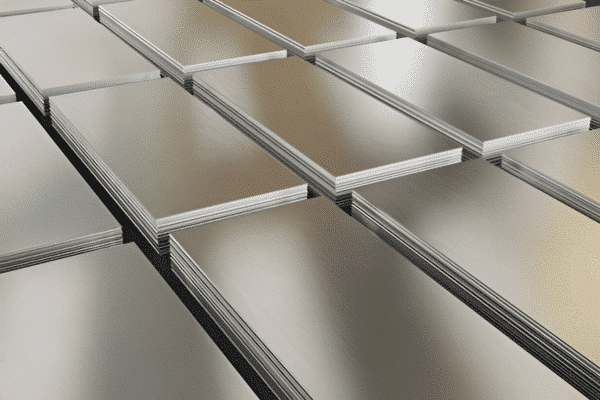
Thick plates provide high structural rigidity and load capacity. They are widely used for main marine structures, pressure vessels, large storage tanks and heavy-duty mechanical components working in corrosive environments.
5.2 Thin Sheets
Thin sheets are lightweight and easy to cut and bend. They are commonly made into equipment panels, enclosures, cover plates and light-duty formed parts with low load requirements.
5.3 Other Profiles
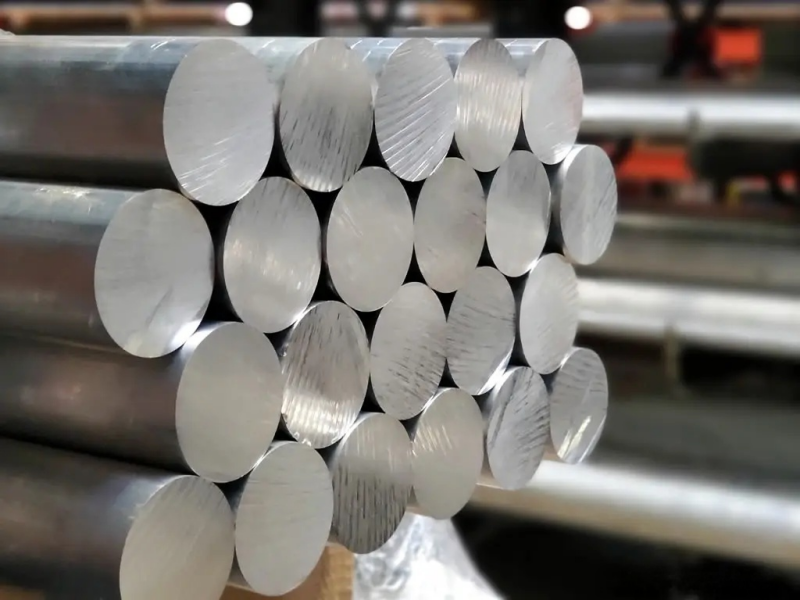
Besides plates and sheets, 5083 can also be processed into aluminum tubes and custom special-shaped parts. 5083 pipes inherit excellent corrosion resistance and are widely used for ship pipelines and industrial fluid delivery systems.
Choosing the right product form helps simplify production procedures, improve material utilization and ensure finished parts meet design standards.
6. Main Processing Technologies for 5083 Aluminum Alloy
This alloy is compatible with most mainstream metal processing techniques, supporting the production of customized components for various industries.
CNC Machining: Used for milling, drilling and manufacturing customized brackets, enclosures and precision support parts.
Welding: The most advantageous processing method for 5083. Welded joints keep stable performance, so it is the top pick for large welded structures.
Cutting: The pre-process step to cut raw plates into blanks for subsequent welding, forming and machining.
Bending & Forming: Leveraging good ductility to produce curved shells and special-shaped components.
Rolling: Applied to produce wide-format plates for large ships and oversized industrial equipment.
7. Industry Applications
Benefiting from its comprehensive performance, 5083 aluminum alloy is adopted across multiple industries, especially for equipment serving in corrosive and humid conditions.
[Insert Image: Marine Engineering Components Made of 5083 Aluminum Alloy]
7.1 Shipbuilding & Marine Engineering
As a standard marine-grade aluminum, 5083 is used for hull panels, decks, ladders and offshore platforms. Its strong resistance to salt spray and seawater guarantees long-term safe operation of marine facilities.
7.2 General Industrial Equipment
It is widely used for chemical storage tanks, equipment frames, protective covers and support structures, resisting corrosion from workshop moisture and chemical volatiles.
7.3 Transportation Industry
Applied to truck bodies, vehicle frames and railway accessories. It realizes lightweight design while ensuring outdoor weather resistance and easy assembly via welding.
7.4 Pressure Vessels & Storage Tanks
Ideal for sealed storage tanks and low-pressure vessels. Reliable welding performance, stable pressure resistance and great corrosion resistance fully meet the requirements of fluid storage and transportation.
7.5 Chemical Industry
5083 can withstand erosion from acids, alkalis and various chemical raw materials, so it is used for production equipment and delivery components in chemical workshops to reduce equipment wear.
7.6 General Structural Parts
Various brackets, assembled panels and combined structural parts also adopt 5083 alloy, which adapts to diversified production processes including cutting, welding and assembly.
8. 5083 VS 6061 Aluminum Alloy: Key Differences
Both 5083 (5000 series) and 6061 (6000 series) are popular industrial aluminum alloys, but they differ greatly in material design and performance orientation. Please refer to the comparison table below:
| Comparison Item | 5083 Aluminum Alloy | 6061 Aluminum Alloy |
|---|---|---|
| Alloy Series | 5000 Series (Al-Mg Alloy) | 6000 Series (Al-Mg-Si Alloy) |
| Main Alloy Elements | マグネシウム | Magnesium, Silicon |
| Heat Treatable | No | Yes |
| Corrosion Resistance | Excellent (for severe corrosive environments) | Good (not for heavy corrosion) |
| Weldability | Perfect, no obvious performance loss after welding | Good, slight strength drop after welding |
| Overall Strength | High among non-heat-treatable alloys | High strength after heat treatment |
| Machinability | 中程度 | Excellent, suitable for precision machining |
| Marine Application | Marine-grade, for all marine conditions | Only for mild marine environments |
| Main Products | Plates, Sheets, Welded Structures | Extruded Profiles, Machined Parts |
| Best Application Scenarios | Marine equipment, storage tanks, corrosive environment structures | General engineering parts, precision machined components |
Summary: Choose 5083 if you prioritize corrosion resistance and weldability. Select 6061 for precision machining and heat treatment reinforcement.
9. Material Selection Tips for Engineering Projects
Follow the below key points to select 5083 aluminum alloy correctly and avoid material mismatch:
1. Evaluate service environment: Pick 5083 for parts exposed to seawater, salt spray, chemicals or long-term damp conditions. For dry indoor environments, you can choose more economical aluminum alternatives.
2. Confirm welding requirements: If welding is the main assembly method, 5083 is your optimal choice for stable joint performance.
3. Match strength and forming demands: 5083 works well for parts that need both load capacity and bending forming. For ultra-high precision machining, consider other alloys.
4. Select proper temper: Choose O temper for complex forming, H32 for general use, and H116 / H321 for professional marine projects.
5. Consider long-term service life: For equipment requiring more than 5 years of continuous service, 5083 effectively reduces later maintenance costs with outstanding durability.
10. Frequently Asked Questions
10.1 Is 5083 a marine-grade aluminum alloy?
Yes. 5083 is recognized worldwide as a standard marine-grade aluminum alloy. Its superior resistance to seawater and salt spray makes it widely used for ships and offshore engineering facilities.
10.2 Can 5083 aluminum alloy be welded?
Absolutely. Weldability is one of its core advantages. The strength and corrosion resistance of welded joints remain almost unchanged, so it is the preferred material for large welded structures.
10.3 Can 5083 be strengthened by heat treatment?
No. 5083 belongs to non-heat-treatable aluminum alloy. Its strength can only be adjusted by different strain hardening tempers instead of thermal processing.
11. Conclusion
With four core advantages — strong corrosion resistance, excellent weldability, stable mechanical strength and reliable performance in harsh environments, 5083 aluminum alloy has become an indispensable material for shipbuilding, chemical industry, machinery manufacturing and transportation.
It has low processing barriers and flexible machining options. Combined with various tempers and product forms, it can cover applications from lightweight panels to heavy-duty pressure-bearing structures. If your project faces challenges such as corrosive working conditions, welding assembly and long service life, 5083 aluminum alloy will be a reliable and cost-effective solution.