






Bubbles are one of the most common quality defects in injection molding production. They damage the visual finish of molded parts, and also reduce structural strength, sealing performance, and dimensional accuracy. For precision electronic, automotive, and medical-grade parts, bubbles almost always result in immediate rejection. Bubble formation rarely comes from a single cause. Instead, it usually results from a mix of material, process, and tooling issues. Only by targeting the root cause can manufacturers permanently fix recurring bubble problems.
With years of experience in precision injection molding mass production, PartsMastery provides systematic bubble troubleshooting and process optimization services for parts of all materials and geometries. We cut defect rates across the full product lifecycle, from initial design to volume production.
1. Core Causes of Injection Molding Bubbles
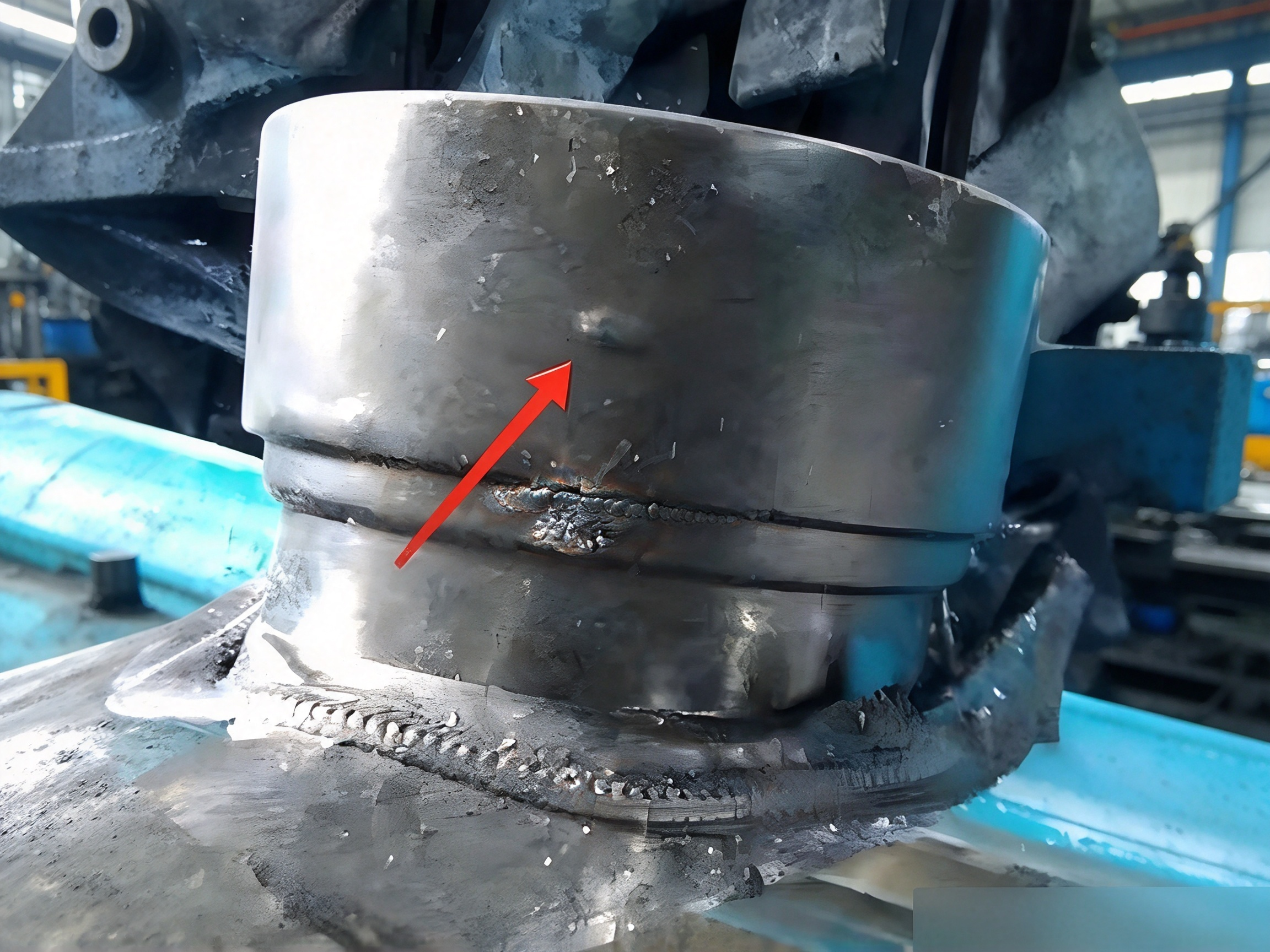
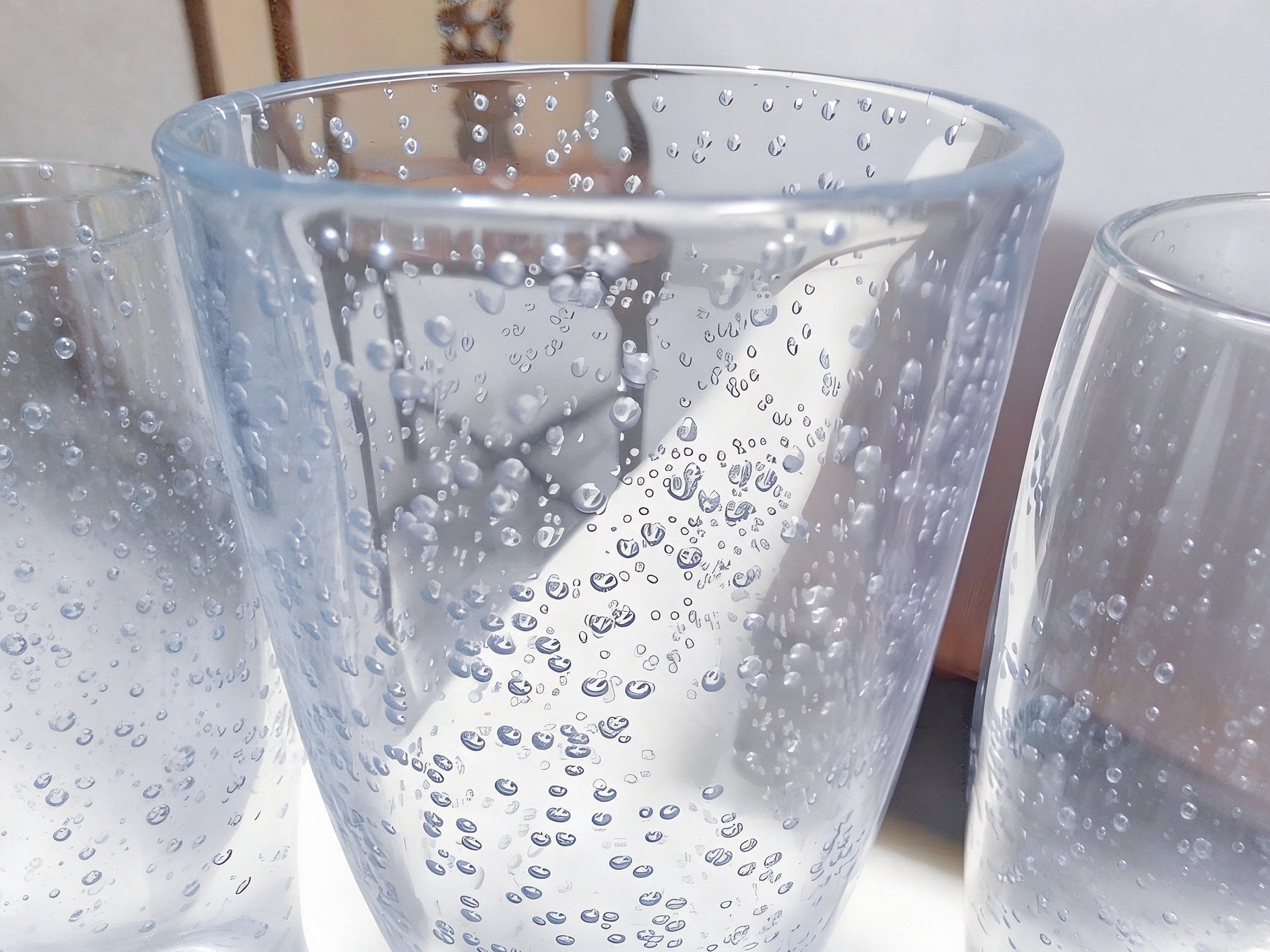
Bubbles are hollow defects trapped inside or on the surface of molded parts. They form when gas cannot escape during mold filling, or when raw materials break down and release volatile gases. By origin, they fall into three main categories:
1.1 Material-Related: Moisture and Volatile Residues
This is the most frequent cause of injection molding bubbles. Hygroscopic resins such as ABS, PC, PA, and PET absorb moisture from the air during storage and handling. If not fully dried before molding, that moisture vaporizes in the barrel and forms bubbles inside the melt.
In addition, excessive melt temperature causes polymer degradation and releases volatile gases. High regrind ratios or contaminated raw material also significantly raise the risk of bubble formation.
1.2 Process-Related: Imbalanced Filling and Venting
Excessively fast injection speed is the top process cause of bubbles. During high-speed filling, air inside the cavity cannot be fully pushed out by the melt front. It becomes trapped at wall sections, ribs, or corners, and forms enclosed bubbles.
Correspondingly, insufficient packing pressure or late packing switchover also prevents gas from being compressed and expelled from the melt. This leads to internal voids inside finished parts.
Beyond that, improper barrel temperature settings, overheated nozzles, and low back pressure all cause gas entrainment in the melt. That gas eventually appears as bubble defects in final parts.
1.3 Mold-Related: Vent System and Structural Design Flaws
Insufficient venting, shallow vent depth, and poor vent placement are the core reasons for persistent bubbles in thick-walled and complex parts. When the last fill area has no matching vent structure, trapped air will cause bubbles at the same location shot after shot.
Furthermore, uneven wall thickness, gate placement away from thick sections, and unbalanced cooling layouts cause inconsistent melt cooling and shrinkage. This creates vacuum voids, which almost always form at the center of thick wall sections.
2. Targeted Fixes for Bubble Defects
Different types of bubbles require matched corrective actions. Following a troubleshooting order of “easiest first, process before tooling” resolves most bubble issues quickly and cost-effectively.
2.1 Optimize Material Pre-Treatment
Strict, material-specific drying protocols are the first step. Set drying temperature and duration according to resin specifications. For example, PA66 typically dries at 80–100°C for 4–6 hours, while PC resin dries at 120°C for 3–4 hours.
Use dried resin promptly to avoid moisture re-absorption. Also limit regrind content, generally to no more than 20%, and keep raw material clean and contaminant-free to reduce degradation and volatiles.
2.2 Tune Injection Process Parameters
Use a staged variable-speed filling strategy. Run slower injection as the melt passes through the gate and early cavity, increase speed once the melt spreads out, then slow down again at the end of fill. This balances complete filling with enough time for air to escape.
At the same time, raise back pressure appropriately and optimize the packing profile. Delay the packing switchover point slightly, and increase packing pressure and hold time to compress micro-bubbles in the melt. Control barrel temperatures in zones to avoid localized overheating and material degradation.
2.3 Improve Mold Structure and Venting
For trapped-air bubbles at fixed locations, first add vent slots at the corresponding positions or deepen existing vents. Vent depth should be 0.02–0.05 mm based on material properties — enough to vent air without causing flash.
For thick-walled parts, optimize gate location so melt fills from thick to thin sections. This works with packing to improve shrinkage compensation and venting. For vacuum voids, balance wall thickness or add cooling lines at thick sections to speed up surface skin formation and reduce internal shrinkage cavities.
3. PartsMastery Injection Molding Support Services
PartsMastery provides full-cycle injection molding technical support, from product design to production control. We have built a standardized troubleshooting and optimization system for common defects including bubbles.
During early product development, we deliver DFM (Design for Manufacturing) analysis to identify upfront risks such as uneven wall thickness and poor venting. This reduces bubble potential at the source, before tooling is cut.
During mold tryout, senior process engineers perform on-site machine tuning to quickly identify defect causes and deliver optimized parameter sets. For mass production, we support SPC process control to stabilize parameters and ensure consistent quality across batches.
Whether for prototype development or high-volume production, PartsMastery helps customers reduce defects, improve efficiency, and lower overall manufacturing costs through proven process control capabilities.
Conclusion
Injection molding bubble defects may look simple, but they involve multiple dimensions including material, process, and tooling. Only systematic troubleshooting and precise root cause identification can avoid wasted time and cost from repeated trial and error.
With scientific drying control, rational process tuning, and optimized mold vent design, the vast majority of bubble issues can be effectively resolved.