Una soldadura que supere una simple inspección visual puede fallar de todos modos durante su uso. Por ejemplo, la porosidad interna, la penetración incompleta y una zona afectada por el calor endurecida y frágil: ninguno de estos defectos es visible desde el exterior, pero cualquiera de ellos puede convertir una unión que soporta carga en el eslabón más débil de un conjunto. Cuando se investigan las causas de los fallos, la conclusión es casi siempre la misma: la unión se diseñó sin comprender realmente cómo se unen los metales mediante la soldadura.
Esta guía aborda los conceptos básicos que necesitas conocer antes de acudir a un taller de soldadura. En concreto, explica qué es la soldadura, los principios físicos que hacen que una unión sea resistente, el proceso de siete pasos desde la preparación hasta la inspección, y las principales familias de procesos de soldadura. Tras leerla, podrás seleccionar la categoría de proceso adecuada en función de tus requisitos de material y carga, describir las expectativas de calidad en el lenguaje propio del taller y evitar las repeticiones de trabajo derivadas de elegir un proceso inadecuado.
¿Qué es la soldadura?
Definición y mecanismo fundamental
La soldadura es un proceso de fabricación que une materiales —normalmente metales, aunque a veces también termoplásticos— provocando la fusión en la interfaz. Su mecanismo básico es sencillo: se aplica calor, presión o ambos para que las piezas que se van a unir se fundan y formen un solo cuerpo continuo. A menudo se añade material de aportación para reforzar la unión, pero la característica definitoria de la soldadura es que son los propios materiales de base los que se fusionan entre sí.
En qué se diferencia la soldadura de otros métodos de unión
Esta fusión del metal base es lo que distingue a la soldadura de cualquier otro método de unión. Por el contrario, el soldado fuerte y el soldado blando utilizan un metal de aportación con un punto de fusión más bajo para humedecer las superficies y mantener unidas las piezas, mientras que los materiales base permanecen sólidos; por lo tanto, la unión nunca llega a ser del mismo material que el metal base. Del mismo modo, los elementos de fijación mecánicos y los adhesivos se limitan a mantener las piezas en su sitio sin alterar su estado material. La soldadura y el remachado, por ejemplo, se comportan de forma muy diferente bajo fatiga y vibración, y esa diferencia determina el rendimiento de una unión a lo largo de toda la vida útil del producto.
En el taller, una unión soldada es importante por tres razones. En primer lugar, soporta la carga estructural. En segundo lugar, sella la presión o el fluido. Y, en tercer lugar, transmite la fuerza y el calor como si se tratara de una sola pieza de metal. Cuando una unión debe cumplir cualquiera de estas funciones, la soldadura suele ser la primera opción, y en las siguientes secciones se explica exactamente por qué es capaz de realizar estas tareas.
Cómo funciona la soldadura: la física
Enlaces atómicos y el baño de fusión
Todos los procesos de soldadura siguen el mismo principio básico: acercar lo suficiente los átomos de dos metales para que se formen enlaces metálicos. En la práctica, esto significa calentar la unión hasta que los materiales de base se fundan, de modo que ambos lados compartan un único baño de fusión. Una vez que ese baño se solidifica, los átomos de ambos lados se reorganizan en una estructura cristalina continua, y la soldadura pasa a ser del mismo material que el metal base. Precisamente por eso, una soldadura realizada correctamente puede igualar o incluso superar la resistencia del material base.
El calor, la presión y el papel del arco eléctrico
Hay dos fuerzas que provocan la unión atómica: el calor y, en algunos procesos, la presión. La soldadura por fusión utiliza únicamente el calor para fundir la unión. Por otro lado, la soldadura en estado sólido —como la soldadura por ultrasonidos— utiliza presión y fricción para forzar el contacto entre los átomos sin crear un baño de fusión. Por consiguiente, la soldadura en estado sólido es adecuada para metales diferentes y componentes sensibles al calor en los que la fusión causaría daños.
La gran mayoría de la soldadura industrial es soldadura por arco, en la que el arco eléctrico realiza dos funciones a la vez. Una fuente de alimentación envía corriente a través del espacio entre el electrodo y la pieza de trabajo, creando un arco con temperaturas superiores a los 6.000 °C —lo suficientemente altas como para fundir el acero al instante—. Existen dos tipos de electrodos: los electrodos consumibles se funden y se convierten en metal de aportación en la soldadura, mientras que los electrodos no consumibles (como el electrodo de tungsteno en la soldadura TIG) permanecen intactos y requieren un alambre de aportación independiente. El soldador o la máquina de soldadura controlan el aporte de calor mediante la corriente, la velocidad de avance y la técnica, y ese control determina todo, desde la profundidad de penetración hasta la deformación de la pieza.
Protección: cómo proteger el metal fundido
El metal fundido caliente reacciona violentamente con el oxígeno y el nitrógeno del aire. Si se deja expuesto, forma óxidos y porosidad que debilitan la soldadura desde el interior. Por ello, los procesos de soldadura por fusión utilizan gas de protección —argón, dióxido de carbono o helio— o fundente, que genera una capa protectora de gas al quemarse. Sin protección, no hay soldadura fiable. De hecho, este único detalle determina si una unión soportará la carga durante años o fallará prematuramente durante su uso.
El enfriamiento y la zona afectada por el calor
La fase de enfriamiento es tan importante como la fase de fusión. El metal que rodea la soldadura —la zona afectada por el calor— sufre un rápido calentamiento y enfriamiento que modifica su estructura granular y su dureza. Un enfriamiento demasiado rápido hace que el acero se endurezca y se vuelva frágil; por el contrario, un enfriamiento demasiado lento puede provocar deformaciones y alabeos. Una buena práctica de soldadura equilibra estos factores: calor suficiente para una fusión completa, un control preciso para mantener reducida la zona afectada por el calor y una atención especial durante el enfriamiento para preservar las propiedades mecánicas de la unión.
El proceso de soldadura por arco en siete pasos
Tomando como ejemplo el proceso de soldadura por arco más habitual, un ciclo completo de soldadura sigue estos siete pasos:
Preparación de la articulación. En primer lugar, elimine por completo el aceite, el óxido, la pintura y la humedad de las superficies de unión. Los contaminantes se vaporizan y hierven en el baño de fusión, creando porosidad que debilita directamente la soldadura.
Ajuste y sujeción. A continuación, alinea todas las piezas con precisión y fíjalas con abrazaderas o soldaduras de fijación, para que la unión no se desplace al aumentar la temperatura.
Conexión a tierra. A continuación, fija bien la pieza de trabajo al circuito de soldadura para que la corriente tenga un recorrido de retorno completo. Una mala conexión a tierra provoca arcos inestables y defectos en la soldadura.
Encendido por arco. Acerca el electrodo a la pieza de trabajo o colócalo muy cerca de ella; se produce el arco y comienza a formarse un baño de fusión en la junta.
Desplazamiento y formación de burbujas. Desliza el soplete a lo largo de la junta a una velocidad constante mientras alimentas el alambre, creando un cordón de soldadura continuo con la penetración necesaria.
Solidificación protegida. El gas de protección o el fundente mantienen el metal en proceso de solidificación aislado del aire hasta que la soldadura se haya solidificado por completo.
Inspección de soldaduras. Por último, antes de que la pieza pase a la siguiente operación, comprueba que no haya penetraciones, grietas, porosidad ni deformaciones.
Saltarse cualquier paso tiene sus consecuencias. Por ejemplo, las uniones mal preparadas provocan porosidad, y las piezas mal sujetas se desplazan durante el calentamiento, lo que causa errores dimensionales en el ensamblaje final. Del mismo modo, una mala conexión a tierra hace que el arco se desvíe. La fase de inspección es el último control que detecta la gran mayoría de los problemas de calidad; de lo contrario, esos defectos se envían directamente al cliente.
Principales procesos de soldadura: comparación y selección
Seis procesos habituales de soldadura por fusión
Los procesos de soldadura se clasifican en tres grandes categorías: soldadura por fusión, soldadura en estado sólido, y soldadura fuerte y blanda. De entre ellos, la soldadura por fusión es la más utilizada en la fabricación de metales. Estos son los procesos que encontrarás con mayor frecuencia en la producción:
Proceso
Categoría
Cómo funciona
Lo mejor para
Soldadura MIG
Fusión
Electrodo de hilo continuo que se alimenta a través de la pistola bajo gas de protección
Producción a gran escala, acero y aluminio, fácil automatización
Soldadura TIG
Fusión
Electrodo de tungsteno no consumible, alambre de aportación añadido a mano
Materiales finos, acero inoxidable, aluminio, acabado de alta calidad
Soldadura con varilla
Fusión
Electrodo consumible recubierto con fundente
Trabajo al aire libre y sobre el terreno; metales comunes oxidados o pintados; secciones de gran espesor
Soldadura por arco con alambre tubular con fundente
Fusión
Alambre tubular con fundente en el interior y gas de protección externo opcional
Obras estructurales pesadas, chapas gruesas, altas velocidades de deposición
Soldadura por resistencia
Fusión
Las piezas se sujetan entre electrodos; la alta intensidad de la corriente calienta la unión y la presión la forja.
Soldadura por puntos de chapa metálica, producción en serie de automóviles
Soldadura por láser
Fusión
El rayo láser focalizado funde la unión, creando una soldadura estrecha y profunda
Piezas de precisión, materiales delgados, líneas de producción automatizadas
Los procesos MIG y TIG cubren la mayor parte de las necesidades de fabricación. La elección entre ambos depende del material, el espesor y los requisitos de acabado superficial. Además, la geometría de la unión es otro factor que merece una consideración aparte: las uniones a tope, solapadas y en ángulo se adaptan cada una a diferentes condiciones de carga y métodos de soldadura.
Soldadura por estado sólido, soldadura fuerte y soldadura blanda
La soldadura en estado sólido —como la soldadura por fricción y la soldadura por ultrasonidos— une piezas mediante presión y fricción, en lugar de fusión. Como resultado, permite trabajar con metales diferentes y componentes sensibles al calor que se verían dañados por la fusión. Por su parte, el soldado fuerte y el soldado blando solo funden un metal de aportación con un punto de fusión más bajo; los materiales de base no se funden, por lo que la unión tiene menor resistencia al calor, pero es más fácil de retocar. La soldadura de plásticos sigue su propia lógica de unión.
Cómo elegir el proceso adecuado
La selección del proceso debe basarse en el material y en los requisitos específicos, no en preferencias personales. La soldadura por fusión proporciona las uniones más resistentes y duraderas para los metales estructurales. Sin embargo, cuando la presencia de materiales diferentes o el riesgo de daños térmicos hacen que la soldadura por fusión no sea viable, la soldadura en estado sólido es la alternativa ideal. En comparación, el soldado fuerte y el soldado blando son adecuados para conjuntos de paredes delgadas, sensibles al calor o que puedan someterse a retoques. En definitiva, hay que empezar por seleccionar la categoría de proceso adecuada en función de las condiciones de carga y, a continuación, elegir el método específico.
Guía rápida de terminología de la soldadura
Término
Significado
Metal común
El material de base que se va a unir
Metal de aportación
Material que se añade a la junta para reforzar la soldadura
Bañera de fusión
El metal fundido en la junta durante la soldadura
Gas de protección
Gas que protege el baño de fusión de la contaminación atmosférica
Flujo
Compuesto que limpia la junta y forma una capa protectora de gas a medida que se quema
Zona afectada por el calor
Metal base situado alrededor de la soldadura que se calienta pero no se funde
Penetración
La profundidad a la que la soldadura se funde con el metal base
Escoria
Residuos duros dejados por el fundente, que deben eliminarse tras la soldadura
Estructura soldada
Un conjunto soldado ya terminado
Estos términos abarcan la mayor parte del vocabulario que oirás en el sector de la soldadura. Si en una conversación se utiliza un término con el que no estás familiarizado, pide una aclaración en ese mismo momento; al fin y al cabo, comparado con el coste que supone malinterpretar una especificación de soldadura, el precio de hacer una pregunta es insignificante.
Conceptos básicos sobre seguridad en la soldadura
Arco eléctrico. El arco emite una intensa radiación ultravioleta que puede provocar quemaduras en la piel y los ojos. Por lo tanto, utiliza siempre un casco con visera autooscurecible y cúbrete toda la piel expuesta.
Humos de soldadura. El acero galvanizado y el acero inoxidable desprenden gases nocivos al soldarlos. Por lo tanto, mantén una buena ventilación o utiliza un sistema de extracción local en la zona de trabajo.
Riesgo de incendio. Las chispas y la escoria pueden salpicar varios metros desde el arco. Por este motivo, retira todos los materiales combustibles de la zona antes de comenzar y designa a una persona para que vigile que no se produzca ningún incendio.
Descarga eléctrica. Antes de empezar a trabajar, mantén los guantes secos, aísla tu cuerpo de la pieza de trabajo y comprueba que la pinza de conexión a tierra esté bien fijada.
La seguridad también es un factor a tener en cuenta en el diseño. Si una pieza obliga al soldador a adoptar una postura incómoda o hace que la soldadura quede fuera de su campo de visión, es más probable que se produzcan defectos —defectos que solo se detectan en inspecciones posteriores—. Por consiguiente, el coste de subsanarlos a posteriori es mucho mayor que el de optimizar la accesibilidad de la unión durante la fase de diseño.
Resumen
La soldadura es un término genérico que engloba una familia de procesos, pero su idea fundamental es sencilla: acercar los átomos metálicos lo suficiente como para que se formen enlaces químicos. Comprender la definición, los principios físicos y las principales categorías de procesos de soldadura te permite describir con precisión los requisitos de las uniones, comunicarte de forma eficaz con los proveedores y evitar tener que volver a trabajar en una pieza por haber elegido un proceso inadecuado. En resumen, elige la categoría de proceso adecuada en función de las condiciones de carga, mantén las uniones limpias y accesibles para su inspección, y comprueba la penetración y los defectos antes de enviar las piezas: casi todas las soldaduras que fallan son aquellas que nadie ha revisado con detenimiento.
Si tu proyecto requiere piezas de chapa soldadas, el equipo de chapa de PartsMastery puede revisar tu diseño y tus requisitos de soldadura: solo tienes que subir tus planos para obtener un presupuesto al instante.
Preguntas frecuentes
¿Qué proceso de soldadura produce la soldadura más resistente?
En el caso de las estructuras de acero, la soldadura MIG y la soldadura con electrodo revestido ofrecen la mayor resistencia práctica, y una soldadura realizada correctamente suele igualar la resistencia del metal base. Sin embargo, la resistencia depende más de la penetración y del diseño de la unión que del nombre del proceso en sí, por lo que las especificaciones de soldadura deben centrarse en esos dos factores.
¿Qué proceso es el más adecuado para soldar chapas finas de aluminio?
La soldadura TIG es la opción preferida para el aluminio. Dado que el aluminio conduce el calor rápidamente y se deforma con facilidad, la soldadura TIG permite al soldador controlar con precisión el aporte de calor y la adición de material de aportación. La soldadura MIG también permite unir piezas de aluminio, pero requiere un alimentador de alambre de empuje-tracción y unos parámetros de proceso más estrictos para evitar que se queme el material.
¿Se pueden unir metales diferentes mediante soldadura?
A veces, pero solo si se utiliza el proceso adecuado. La soldadura por fusión presenta dificultades con metales diferentes, ya que los distintos puntos de fusión y las reacciones entre aleaciones debilitan la unión. Por el contrario, los procesos de estado sólido, como la soldadura por fricción y la soldadura por ultrasonidos, permiten unir determinadas combinaciones de metales diferentes, mientras que la soldadura fuerte suele ser la solución más práctica cuando ninguno de los metales base puede fundirse.
¿Es una unión soldada siempre más resistente que el metal base?
No necesariamente. Una soldadura realizada correctamente puede igualar o superar la resistencia del metal base, pero una penetración insuficiente, la porosidad o una zona afectada por el calor demasiado extensa pueden convertir la unión en la parte más débil del conjunto. En última instancia, lo que determina el resultado final es la calidad de la soldadura y el diseño de la unión, no el nombre del proceso.
¿Cuánto cuesta fabricar una pieza soldada?
La mano de obra es el principal factor que influye en los costes: cuantos más puntos de soldadura, más largos sean los cordones de soldadura y más compleja sea la preparación, mayor será el precio. Además, la ubicación de la soldadura, el método de soldadura y el enfoque de montaje influyen en el coste mucho más que el nombre del proceso, por lo que simplificar la disposición de las soldaduras en las primeras fases del diseño es la forma más eficaz de controlar los costes.






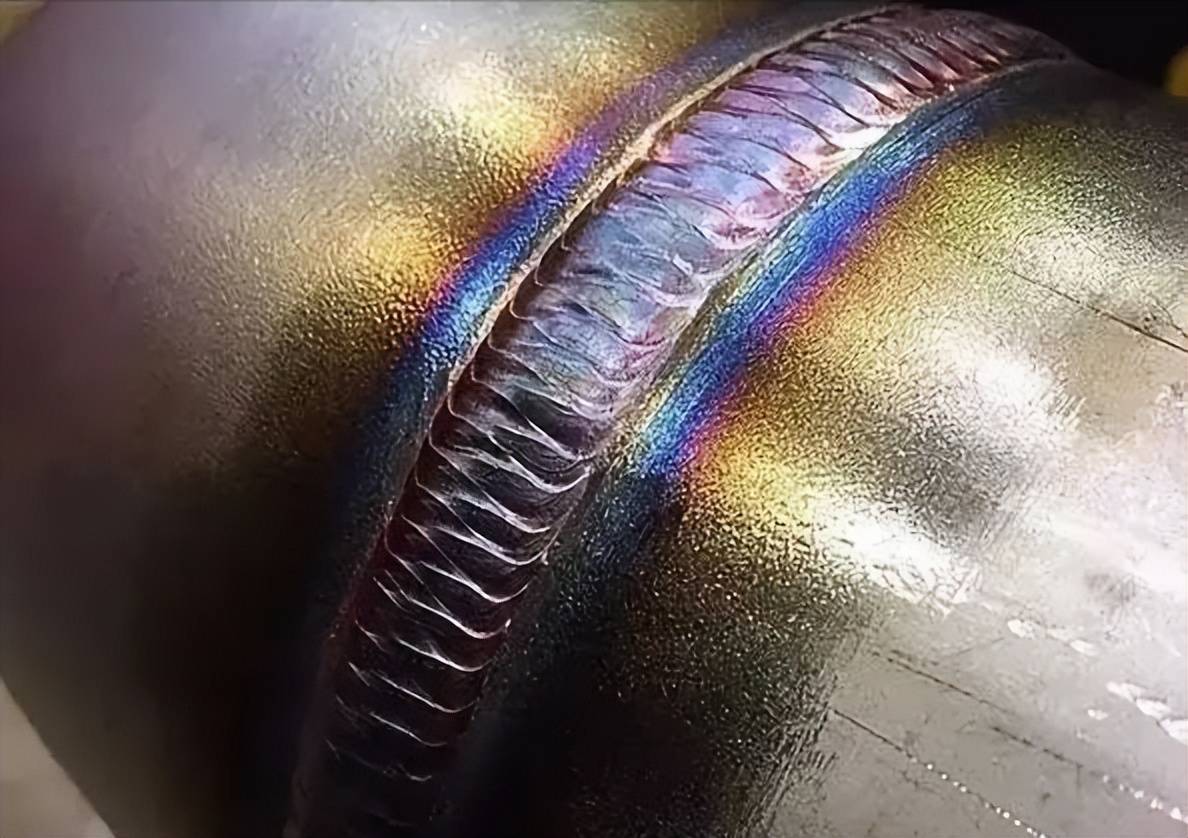 Esta guía aborda los conceptos básicos que necesitas conocer antes de acudir a un taller de soldadura. En concreto, explica qué es la soldadura, los principios físicos que hacen que una unión sea resistente, el proceso de siete pasos desde la preparación hasta la inspección, y las principales familias de procesos de soldadura. Tras leerla, podrás seleccionar la categoría de proceso adecuada en función de tus requisitos de material y carga, describir las expectativas de calidad en el lenguaje propio del taller y evitar las repeticiones de trabajo derivadas de elegir un proceso inadecuado.
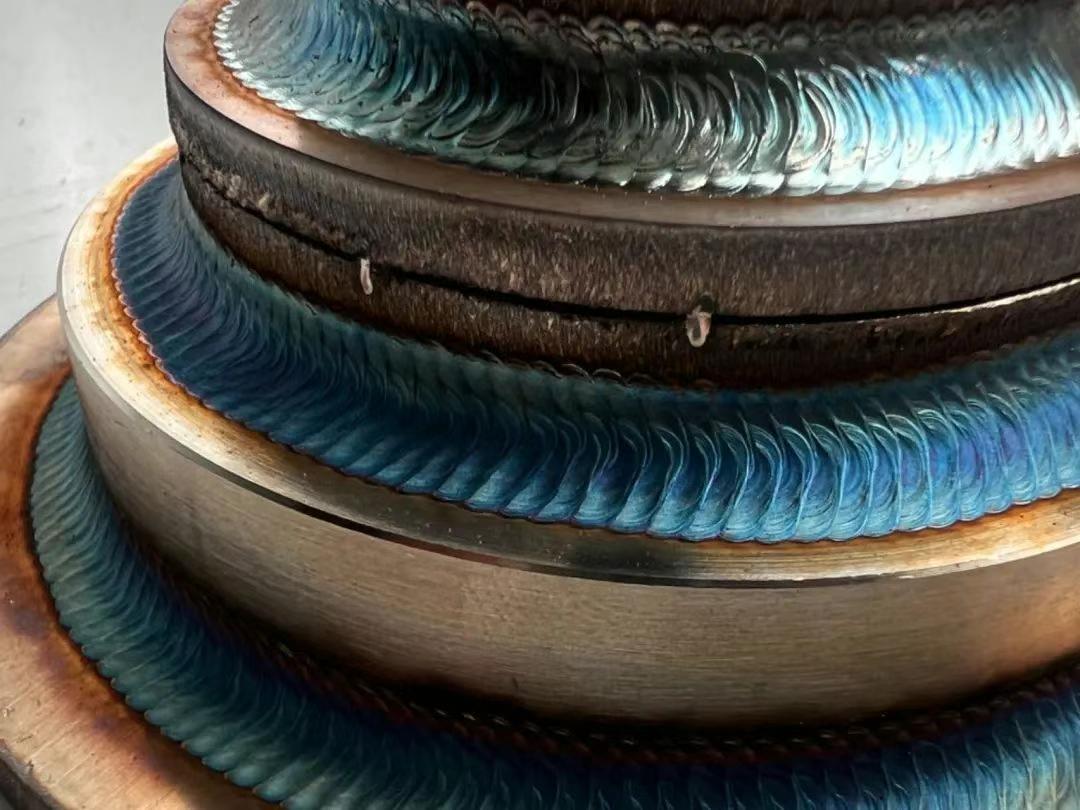 Todos los procesos de soldadura siguen el mismo principio básico: acercar lo suficiente los átomos de dos metales para que se formen enlaces metálicos. En la práctica, esto significa calentar la unión hasta que los materiales de base se fundan, de modo que ambos lados compartan un único baño de fusión. Una vez que ese baño se solidifica, los átomos de ambos lados se reorganizan en una estructura cristalina continua, y la soldadura pasa a ser del mismo material que el metal base. Precisamente por eso, una soldadura realizada correctamente puede igualar o incluso superar la resistencia del material base.