






Las piezas de alta precisión fabricadas en lotes reducidos desempeñan un papel fundamental en la fabricación moderna. Son esenciales para el desarrollo de productos, las pruebas de prototipos, la automatización a medida y los proyectos del sector aeroespacial o de dispositivos médicos. A diferencia de la producción en masa, la fabricación en lotes reducidos requiere flexibilidad, precisión y un control de calidad fiable.
En este artículo se explica cómo se fabrican piezas de alta precisión en lotes pequeños. Se abordan los procesos fundamentales, los métodos de control de calidad y la creciente importancia de la fabricación digital.
1. ¿Qué hace que la fabricación de alta precisión en lotes pequeños sea única?
La producción en lotes pequeños suele caracterizarse por cantidades reducidas, cambios frecuentes en el diseño y requisitos estrictos de precisión. Los fabricantes pueden producir desde unas pocas unidades hasta varios cientos por pedido. No obstante, cada pieza debe cumplir con tolerancias estrictas, acabados superficiales lisos y estándares de rendimiento uniformes.
Por este motivo, la fabricación en lotes pequeños no es simplemente “producción a menor escala”. Se trata de un proceso de ingeniería a medida. Los equipos deben encontrar el equilibrio entre rapidez, coste y precisión en trabajos que cambian con frecuencia.
1.1 Alta precisión a pesar del bajo volumen
Las piezas fabricadas en lotes pequeños suelen desempeñar funciones críticas. Pueden utilizarse en dispositivos médicos, equipos de ensayo aeroespaciales o sistemas de automatización. Incluso los errores más insignificantes pueden provocar problemas de montaje, fallos de rendimiento o riesgos para la seguridad.
Los fabricantes deben mantener una precisión a nivel de micras sin poder beneficiarse de la ventaja económica que supone la producción a gran escala. Este reto hace que la planificación de los procesos y el control de calidad cobren una importancia especial.
1.2 Los cambios frecuentes requieren sistemas flexibles
Los pedidos de lotes pequeños cambian con frecuencia. Un encargo puede incluir soportes de aluminio, mientras que el siguiente requiere componentes de acero endurecido. Cada cambio exige nuevas herramientas, programación y puesta a punto.
Por este motivo, los fabricantes actuales apuestan por sistemas de mecanizado flexibles. Estos sistemas reducen los tiempos de inactividad entre trabajos y permiten realizar ajustes rápidos.
2. Procesos fundamentales para piezas de alta precisión en lotes pequeños
Los fabricantes rara vez utilizan un único proceso para fabricar piezas de alta precisión en lotes pequeños. En su lugar, combinan varios métodos en función de la geometría de la pieza, el material y los requisitos de precisión. El mecanizado CNC, el electroerosionado (EDM) y las operaciones de acabado son los más habituales.
2.1 Mecanizado CNC: el principal proceso flexible
El mecanizado CNC es el proceso más utilizado para la fabricación de piezas de alta precisión en lotes pequeños. Consiste en el uso de máquinas-herramienta controladas por ordenador para eliminar material de una pieza de trabajo. Los ingenieros pueden actualizar rápidamente los programas para adaptarse a nuevos diseños de piezas.
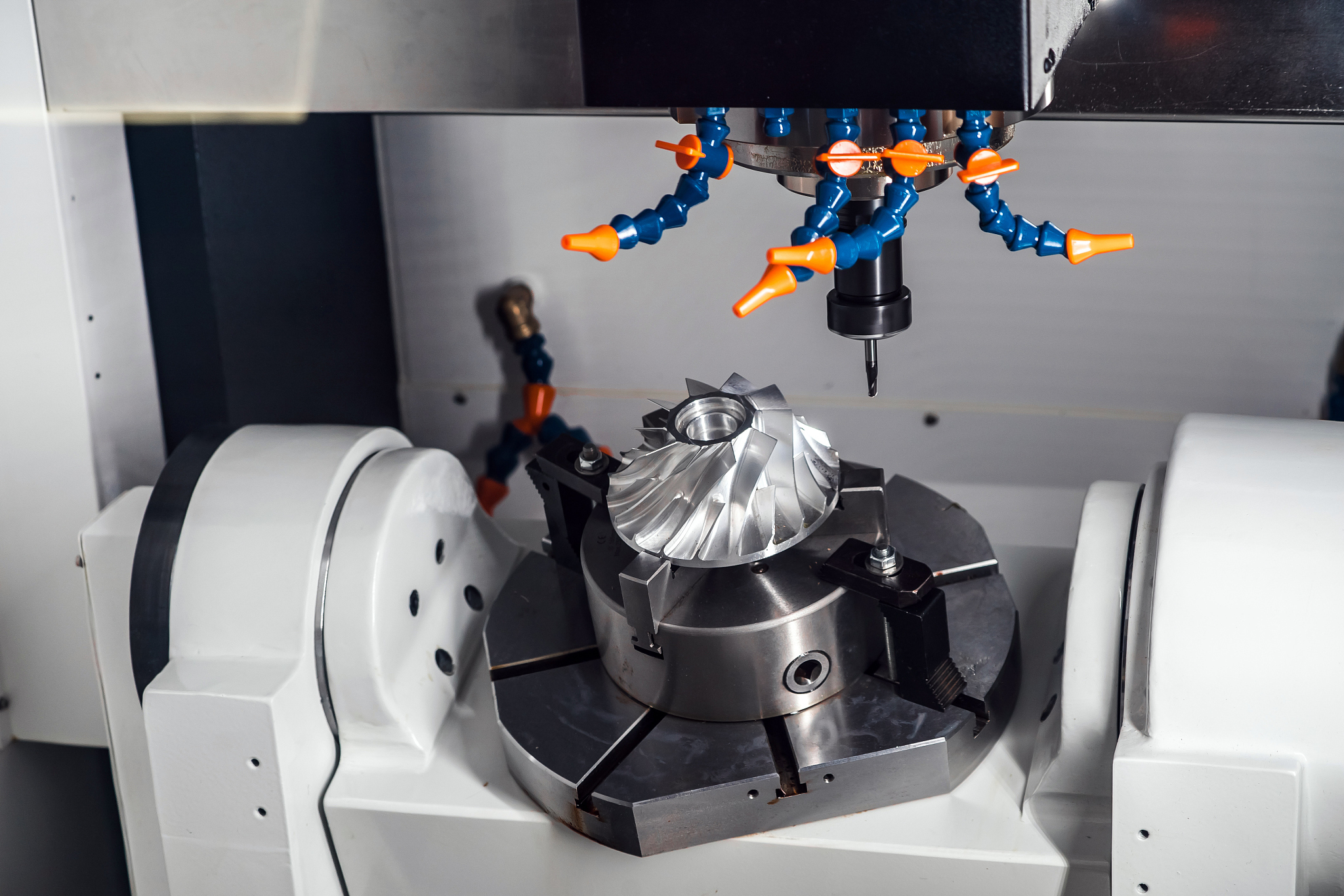
Las máquinas CNC de 5 ejes resultan especialmente útiles. Permiten mecanizar varias caras de una pieza en una sola configuración. Esto reduce los errores de alineación y mejora la uniformidad. El mecanizado CNC funciona bien con metales, plásticos y muchos materiales de ingeniería.
2.2 Electroerosión para formas complejas y materiales duros
Algunas piezas son difíciles de mecanizar con herramientas de corte estándar. Entre ellas se incluyen cavidades profundas, ranuras estrechas, microagujeros y piezas de acero endurecido. El mecanizado por descarga eléctrica, o EDM, resuelve este problema.
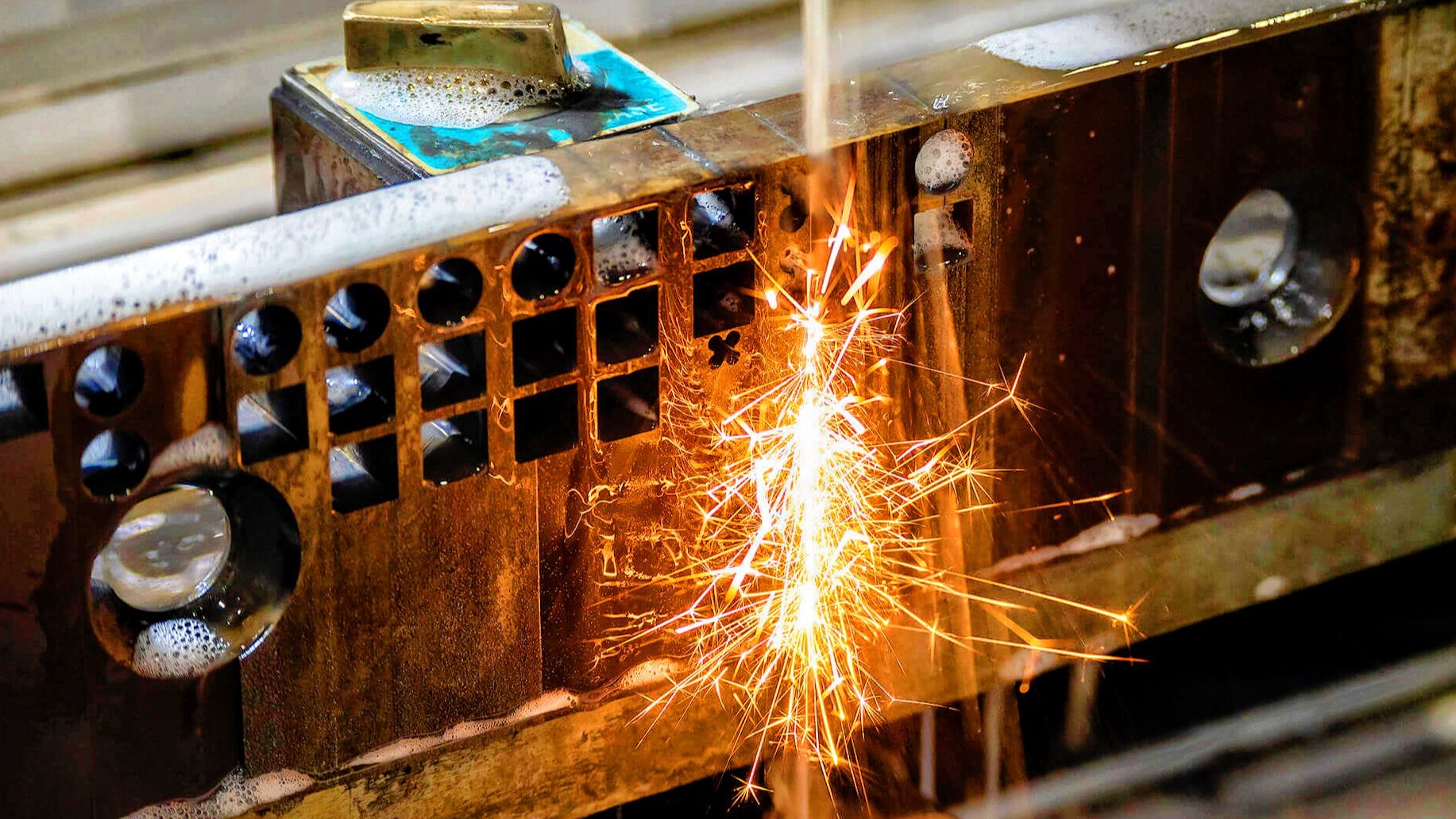
El electroerosionado (EDM) elimina material mediante chispas eléctricas controladas. No ejerce una fuerza mecánica intensa sobre la pieza, lo que reduce el riesgo de deformación. Los fabricantes suelen utilizar el electroerosionado para insertos de moldes, conectores de precisión y componentes complejos fabricados en lotes pequeños.
2.3 Rectificado y acabado para obtener la precisión final
Tras las principales fases de mecanizado, las piezas suelen requerir operaciones de acabado. El rectificado, el bruñido y el pulido mejoran la suavidad de la superficie y la precisión dimensional final. Estos procesos solo eliminan pequeñas cantidades de material.
El acabado es importante para sellar superficies, componentes móviles y ensamblajes de alta precisión. Reduce la fricción, el desgaste y el ruido durante el funcionamiento de las piezas.
3. Cómo controlan los fabricantes la calidad en la producción de lotes pequeños
Las máquinas avanzadas por sí solas no pueden garantizar una calidad constante. La fabricación en lotes pequeños requiere procesos claros, operarios cualificados y métodos de inspección fiables. El control de calidad debe llevarse a cabo a lo largo de todo el proceso de producción, no solo en la fase final.
3.1 La planificación de procesos reduce los errores en una fase temprana
Una buena planificación comienza antes de que se inicie el mecanizado. Los ingenieros analizan la geometría de la pieza, las propiedades del material y los requisitos de tolerancia. A continuación, seleccionan las mejores herramientas, máquinas y secuencia de procesamiento.
Un objetivo importante es reducir al mínimo los cambios en la configuración. Cada vez que se vuelve a sujetar una pieza, pueden surgir nuevos errores de alineación. Los equipos intentan completar el mayor número posible de operaciones en una sola configuración.
3.2 El control de las herramientas y los parámetros garantiza la estabilidad
En la producción en lotes pequeños se cambian con frecuencia las herramientas y los parámetros. Los operarios deben seleccionar la herramienta adecuada para cada material. También deben ajustar la velocidad del husillo, la velocidad de avance y la profundidad de corte.
Es fundamental controlar el desgaste de las herramientas. Una herramienta desgastada puede provocar un acabado superficial deficiente o errores dimensionales. Las inspecciones periódicas ayudan a evitar problemas de calidad inesperados.
3.3 La inspección durante el proceso permite detectar los defectos en una fase temprana
Los fabricantes deben comprobar las dimensiones críticas tras las operaciones importantes. Esto permite a los equipos corregir los problemas antes de que se termine todo el lote. A continuación, la inspección final confirma que se cumplen todos los planos y especificaciones.
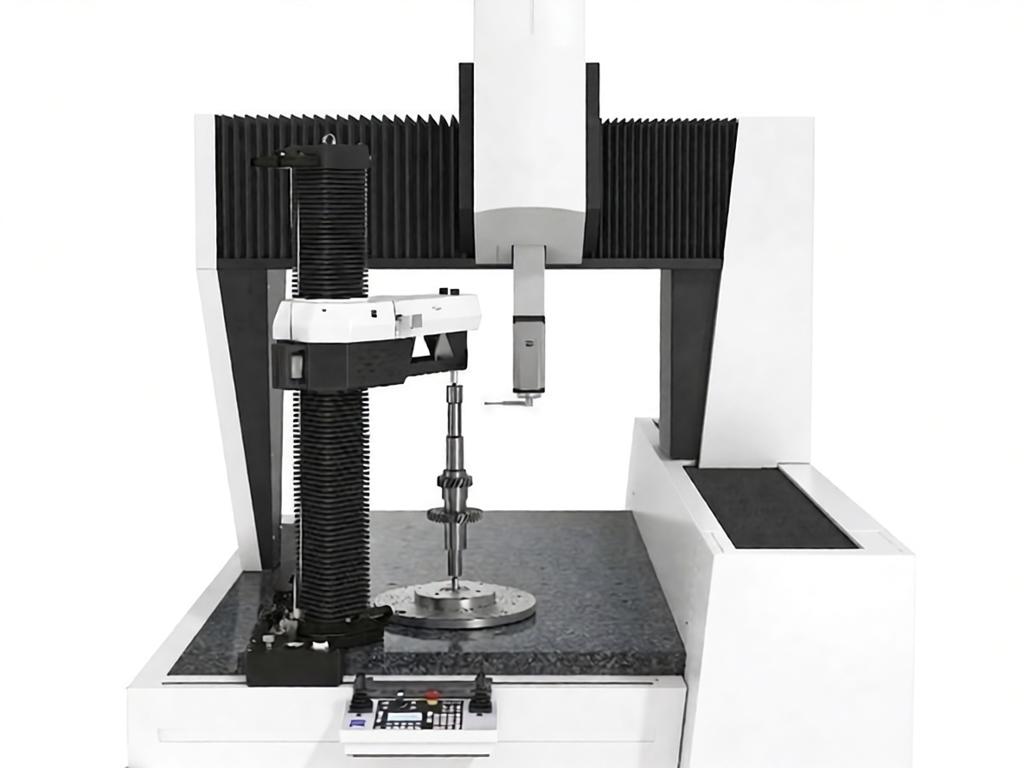
Los equipos de control de calidad suelen utilizar máquinas de medición por coordenadas y sistemas de visión. Estas herramientas miden geometrías complejas con gran precisión. Además, generan registros de inspección para garantizar la trazabilidad.
4. Tendencias actuales en la fabricación de precisión en lotes pequeños
La fabricación en lotes pequeños sigue evolucionando. Las herramientas digitales, la automatización y los sistemas de producción flexibles están cambiando la forma en que los fabricantes suministran piezas de alta precisión. Estas tendencias reducen los plazos de entrega, mejoran la calidad y disminuyen los riesgos de producción.
4.1 Células de fabricación flexibles
Las células de fabricación flexibles combinan máquinas, robots y sistemas de manipulación de materiales. Permiten fabricar diferentes piezas sin largos retrasos en la puesta a punto. Esta configuración resulta muy adecuada para el desarrollo de prototipos y los pedidos de lotes pequeños.
4.2 Simulación de procesos digitales
Hoy en día, los ingenieros simulan los procesos de mecanizado antes de que comience la producción. Pueden predecir las trayectorias de las herramientas, la retirada de material y las posibles deformaciones. Esto reduce el trabajo de prueba y error y el desperdicio de material.
4.3 Control de calidad basado en datos
Las máquinas modernas recopilan grandes cantidades de datos de producción. Los fabricantes pueden utilizar estos datos para identificar patrones, ajustar parámetros y mejorar la uniformidad. Con el tiempo, esto contribuye a crear flujos de trabajo de producción de lotes pequeños más fiables.
Conclusión
La fabricación de piezas de alta precisión en lotes pequeños requiere algo más que máquinas precisas. Requiere procesos flexibles, una planificación minuciosa y un control de calidad continuo. El mecanizado CNC, el electroerosionado (EDM) y las operaciones de acabado se combinan para producir piezas que cumplen con estrictos requisitos técnicos.
PartsMastery se especializa en servicios de mecanizado de alta precisión para lotes pequeños. Acompañamos a nuestros clientes desde el desarrollo de prototipos hasta la producción de lotes pequeños y medianos. Nuestro equipo suministra componentes de precisión a medida para los sectores aeroespacial, de dispositivos médicos, de automatización y otras industrias avanzadas.