






A medida que la fabricación de alta gama evoluciona hacia una producción escalable y de alta fiabilidad, el mecanizado a medida de piezas únicas ya no puede satisfacer las exigencias de la producción en serie de componentes industriales.
El mecanizado de precisión por lotes es el proceso fundamental para la producción en serie de piezas de alta gama. No se limita simplemente a aumentar el volumen de producción, sino que se basa en sistemas de procesos estandarizados, flotas de mecanizado automatizadas y un control de calidad integral para ofrecer resultados uniformes con tolerancias de hasta ±0,005 mm.
En la actualidad, este modelo de fabricación da soporte a sectores clave como el aeroespacial, la automoción basada en nuevas energías, la electrónica de alta gama y la automatización industrial. Este artículo analiza el valor industrial del mecanizado de precisión por lotes desde cinco perspectivas: eficiencia, coste, calidad, adaptabilidad técnica y gestión de la producción.
1. Aumento de la eficiencia en la producción a escala
Las ventajas en términos de eficiencia que ofrece el mecanizado de precisión por lotes se deben a la optimización coordinada de los equipos, las herramientas y los procesos, y no solo a un mayor volumen de mano de obra. Los flujos de trabajo estandarizados y las configuraciones automatizadas permiten un crecimiento constante de la capacidad y una elevada eficacia global de los equipos.
1.1 Producción de alto volumen con flotas de mecanizado CNC
En la producción en serie, los centros de mecanizado CNC multieje realizan operaciones totalmente automatizadas mediante un código de mecanizado preprogramado. En combinación con los cambiadores automáticos de herramientas y los sistemas de manipulación de materiales, reducen drásticamente los tiempos de inactividad no relacionados con el corte.
A diferencia de la producción a medida de piezas individuales, que requiere ajustes frecuentes del programa y la validación de parámetros, los procesos por lotes finalizados pueden funcionar de forma continua las 24 horas. La eficacia global de los equipos (OEE) pasa del 40–50% en la producción discreta a más del 80%, y la eficiencia global del mecanizado mejora en más de un 50%.
El mecanizado simultáneo multieje también permite fabricar piezas con múltiples caras y características en una sola configuración. Esto elimina el tiempo de espera entre las transferencias de proceso y reduce aún más los ciclos de producción por pieza.
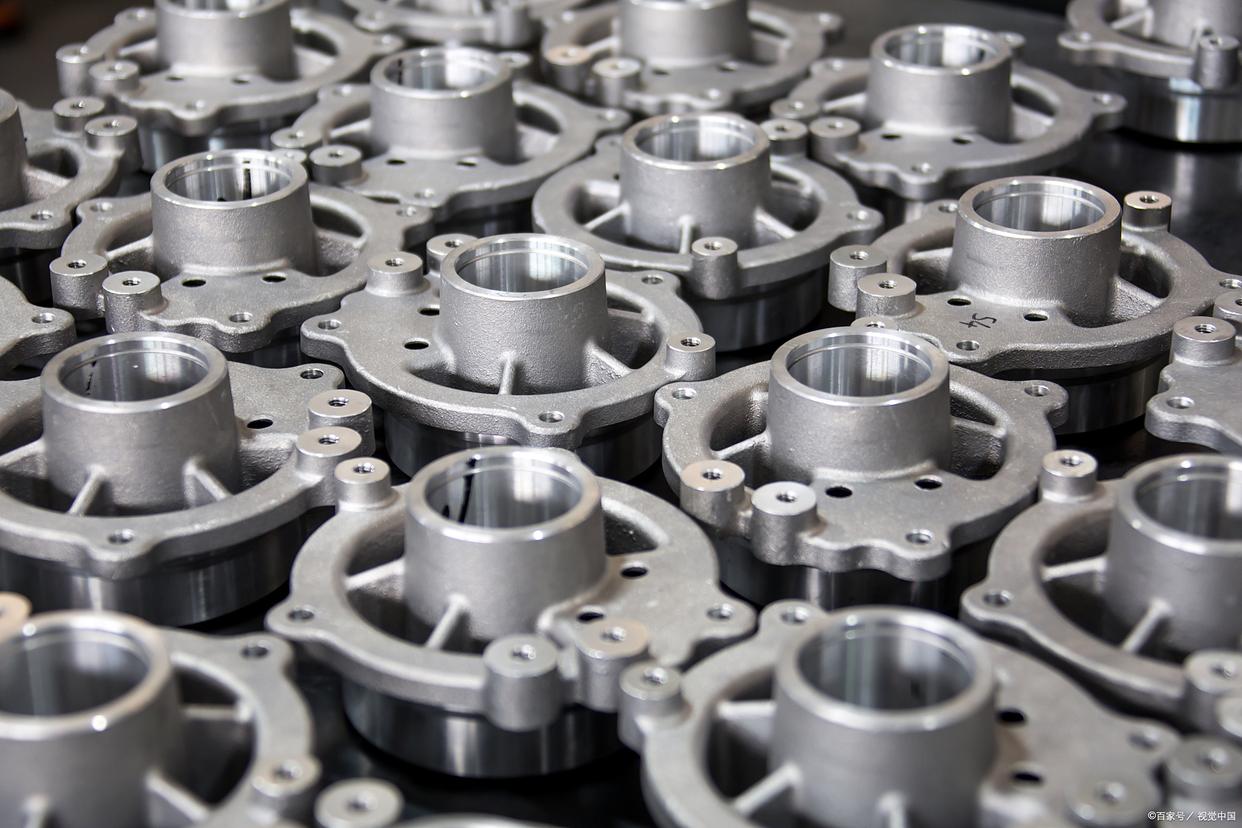
1.2 Sistemas de sujeción de cambio rápido y posicionamiento estandarizado
En la producción en serie de piezas de la misma serie, los sistemas de sujeción específicos y estandarizados garantizan una precisión idéntica de sujeción y posicionamiento para cada pieza de trabajo.
Los sistemas de posicionamiento de punto cero de alta precisión reducen el tiempo de cambio de configuración de varias horas a poco más de diez minutos. Esto reduce considerablemente los costes de cambio en entornos de producción con gran variedad de productos y bajos volúmenes.
Un sistema de referencia de posicionamiento unificado también reduce los errores de posicionamiento desde el origen. El error de posicionamiento repetible se mantiene por debajo de 0,003 mm, lo que sienta una base sólida para garantizar una precisión de mecanizado constante en las etapas posteriores.
2. Optimización de costes en toda la cadena de producción
El mecanizado de precisión por lotes ofrece ventajas económicas en materia de materias primas, procesamiento, mano de obra y administración. Las economías de escala y la optimización de los procesos reducen de forma constante los costes por unidad, lo que supone una ventaja competitiva fundamental en la producción en serie.
2.1 Aprovechamiento eficiente de los materiales y las herramientas
La producción por lotes reduce los costes de las materias primas gracias a la centralización de las compras. Además, los fabricantes planifican la disposición de las piezas, optimizan las trayectorias de las herramientas y ajustan con precisión los márgenes de material para maximizar el aprovechamiento de este y reducir los residuos derivados de los recortes.
Los parámetros de corte definitivos se someten a una validación exhaustiva. Ofrecen una eficiencia de corte óptima al tiempo que preservan la vida útil de la herramienta, lo que reduce los costes de utillaje por unidad.
Los procesos por lotes consolidados también reducen drásticamente los desechos y las repeticiones de trabajo provocadas por procesos no contrastados. Esto reduce aún más los costes ocultos de producción. En general, los costes por unidad pueden reducirse entre un 30 % y un 60%.
2.2 Reducción de los gastos de personal y los gastos generales administrativos
El mecanizado automatizado reduce la dependencia de las operaciones manuales. Un solo operario puede supervisar varias máquinas a la vez, lo que reduce considerablemente la mano de obra necesaria por unidad de producción. Además, los flujos de trabajo estandarizados reducen los costes de formación y minimizan las pérdidas de calidad derivadas de los errores humanos.
Desde el punto de vista de la gestión de la producción, la planificación, la distribución y la gestión de materiales siguen patrones más predecibles en la producción por lotes. Los fabricantes pueden utilizar sistemas de gestión digital MES para llevar a cabo un control centralizado, lo que mejora la eficiencia operativa general y reduce los costes administrativos.
3. Precisión y calidad constantes en todos los lotes
A diferencia del mecanizado de piezas individuales, que depende en gran medida de la destreza del operario, el mecanizado de precisión por lotes garantiza una precisión estable en cada pieza y en cada lote de producción. Esta consistencia es un requisito fundamental para la producción en serie de productos industriales de alta gama.
3.1 Control de errores en bucle cerrado con procesos estandarizados
Antes de iniciar la producción en serie, los fabricantes ultiman el proceso mediante la validación del primer artículo. Fijan la selección de herramientas, los parámetros de corte, las trayectorias de las herramientas y las configuraciones de sujeción para minimizar los errores aleatorios derivados de la operación manual.
Durante la producción, el muestreo dimensional durante el proceso se combina con el control estadístico de procesos (SPC). Esto permite a los equipos corregir en tiempo real las desviaciones sistemáticas derivadas del desgaste de las herramientas y la deformación térmica, creando así un sistema de control de errores de bucle cerrado.
Con este modelo de control, las tolerancias dimensionales, las tolerancias geométricas y el acabado superficial se mantienen muy uniformes en todos los lotes. Las tasas de aprobación de los lotes pueden superar el 99%, lo que elimina la variación entre piezas que suele darse en el mecanizado de piezas individuales.
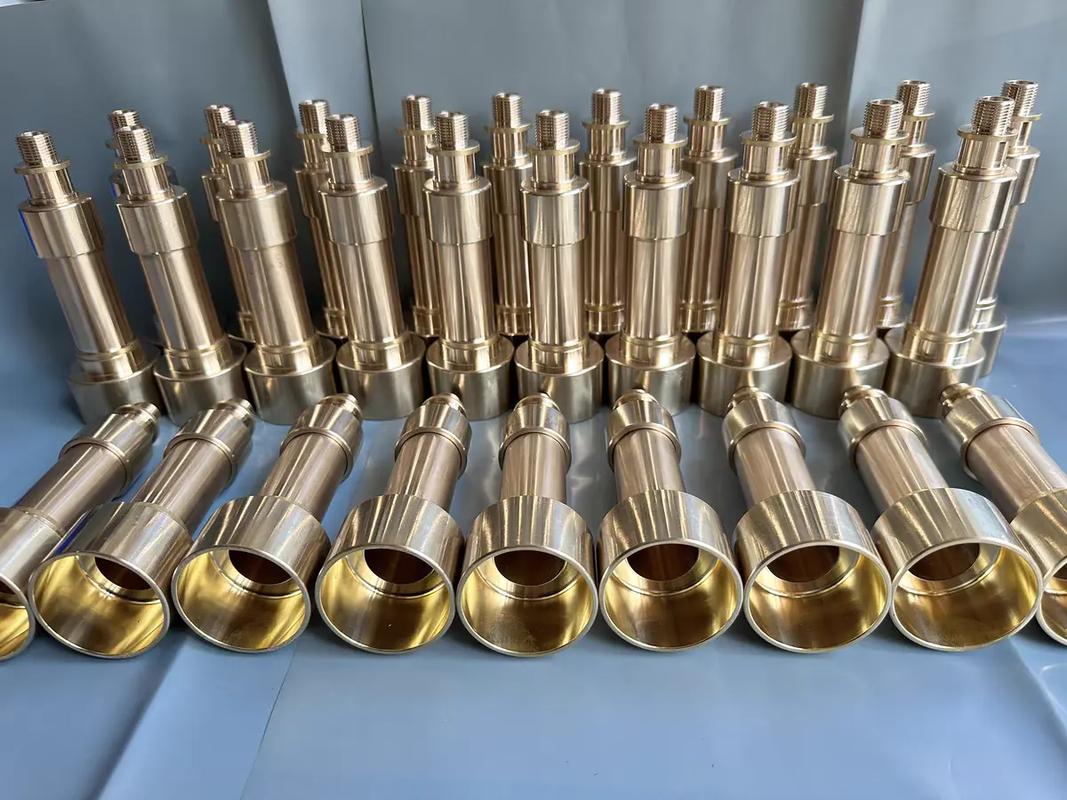
3.2 Inspección basada en datos y trazabilidad completa de los lotes
El mecanizado de precisión por lotes suele incluir un sistema completo de control de calidad. Los procesos críticos se someten a una inspección 100%, y las piezas acabadas se someten a una verificación de precisión mediante máquinas de medición por coordenadas y sistemas de medición por visión.
Todos los datos de inspección y los parámetros de mecanizado se archivan conjuntamente. Esto permite una trazabilidad completa de lotes enteros, e incluso de piezas individuales.
Los datos de proceso acumulados también contribuyen a la mejora continua. A medida que aumenta el volumen de producción, la estabilidad del proceso y las tasas de rendimiento mejoran gradualmente, creando un círculo virtuoso.
4. Adaptabilidad escalable para geometrías complejas y materiales avanzados
El mecanizado de precisión por lotes no se limita a piezas de estructura sencilla. También permite una producción en serie estable y eficiente de piezas con geometrías complejas y materiales de ingeniería de alto rendimiento.
4.1 Mecanizado multiproceso para piezas estructurales complejas
En el caso de piezas de precisión con superficies complejas, cavidades profundas o elementos de pared delgada, los fabricantes recurren a la combinación de torneado y fresado, al mecanizado multieje y a procesos especiales para llevar a cabo todas las operaciones manteniendo una precisión estricta.
El posicionamiento estandarizado entre procesos reduce de forma eficaz el error acumulado derivado de las sujeciones repetidas, lo que garantiza la precisión posicional en elementos complejos.
Esta capacidad hace que el mecanizado de precisión por lotes sea adecuado para la producción en serie de componentes complejos de alta gama, como piezas estructurales para el sector aeroespacial y componentes clave de las transmisiones de automóviles.
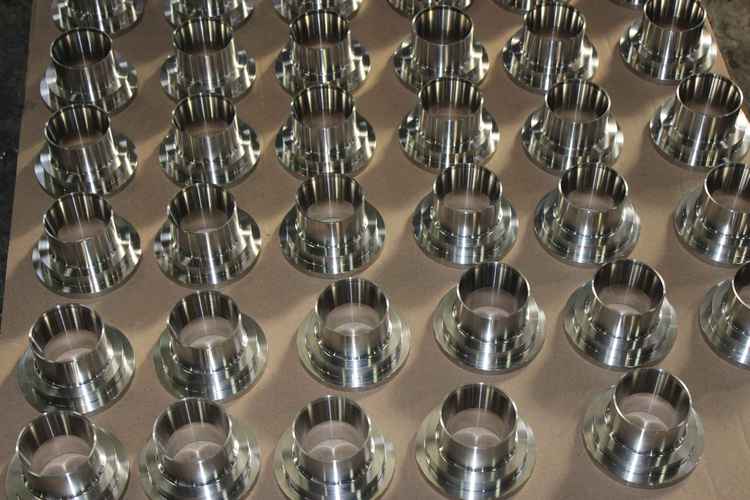
4.2 Producción en serie estable de materiales de alto rendimiento
En el caso de materiales difíciles de mecanizar, como las aleaciones de titanio, las superaleaciones, el acero inoxidable de alta resistencia y el carburo cementado, el mecanizado por lotes utiliza parámetros de corte contrastados, herramientas especializadas y estrategias de refrigeración específicas. Estas medidas controlan la deformación provocada por el mecanizado y preservan las propiedades mecánicas del material.
A diferencia de la exploración de procesos que se lleva a cabo durante la creación de prototipos de piezas únicas, los procesos de producción en serie definitivos se someten a una validación completa. Estos procesos logran un equilibrio óptimo entre la eficiencia del mecanizado y la calidad del acabado, cumpliendo así los estrictos requisitos de rendimiento de los materiales que exigen los equipos de alta gama.
5. Gestión de la producción estandarizada y predecible
El mecanizado de precisión por lotes supone, además, una mejora de los sistemas de gestión de la producción. Los flujos de proceso estandarizados hacen que los ciclos de producción sean más predecibles y facilitan una planificación coordinada de la cadena de suministro.
Las normas de trabajo unificadas, las especificaciones de calidad y los sistemas de datos hacen que todo el proceso de producción sea transparente y controlable. Las empresas pueden gestionar con precisión los plazos de entrega y reducir la volatilidad de la producción.
Un sistema sólido de trazabilidad por lotes también ayuda a los equipos a identificar rápidamente las causas fundamentales cuando surgen problemas de calidad, a limitar su impacto y a reducir el riesgo en la cadena de suministro.
En el caso de los componentes con una demanda constante a largo plazo, el mecanizado por lotes permite acumular conocimientos sobre el proceso y disponer de capacidad reservada. Esto permite responder con rapidez a los pedidos recurrentes de los clientes y mantiene la cadena de suministro flexible y fiable.
Conclusión
En general, las ventajas del mecanizado de precisión por lotes van mucho más allá de unos precios más bajos al aumentar los volúmenes. Aportan mejoras sistemáticas en materia de eficiencia, costes, calidad, adaptabilidad técnica y gestión de la cadena de suministro. En la fabricación de alta gama, este proceso constituye el puente fundamental entre el desarrollo del producto y la producción a gran escala.
PartsMastery se especializa en servicios de mecanizado por lotes de alta precisión. Contamos con una completa flota de equipos CNC, sistemas de procesos estandarizados y capacidades de control de calidad de principio a fin. Damos respuesta a una amplia variedad de necesidades, desde lotes pequeños y medianos hasta la producción en masa a gran escala, y ofrecemos soluciones de componentes fiables y de alta precisión para clientes de los sectores aeroespacial, de la automoción con energías alternativas, la automatización industrial y muchas otras industrias avanzadas.