






En la fabricación moderna, la elección del proceso de mecanizado determina directamente el límite máximo de rendimiento de los componentes acabados y marca la competitividad de tu producto en el mercado. Muchas empresas que adquieren piezas a medida o planifican la producción suelen preguntarse: tanto el mecanizado de precisión como el mecanizado convencional producen piezas acabadas, ¿cuáles son sus diferencias reales en la práctica?
A primera vista, ambos métodos permiten dar a las piezas su forma definitiva. Sin embargo, en la práctica, difieren considerablemente en cuanto a la consistencia dimensional, el acabado superficial, la vida útil y la compatibilidad con los sistemas. Para los sectores que exigen una alta fiabilidad, como el aeroespacial, los dispositivos médicos, la automatización industrial y la electrónica de alta gama, el mecanizado de precisión es un proceso fundamental que garantiza el rendimiento esencial del producto. Esta guía analiza las diferencias fundamentales entre ambos enfoques en cuanto a métricas de rendimiento, infraestructura operativa, valor empresarial y casos de uso, con el fin de ayudarte a seleccionar la solución más adecuada a tus necesidades.
1. Rendimiento básico: precisión dimensional y calidad de la superficie
1.1 Tolerancias dimensionales y uniformidad de los lotes
El mecanizado convencional está diseñado para cumplir los requisitos básicos de montaje, normalmente con márgenes de tolerancia más amplios. La precisión final depende en gran medida de la destreza del operario, lo que da lugar a variaciones dimensionales apreciables de un lote a otro.
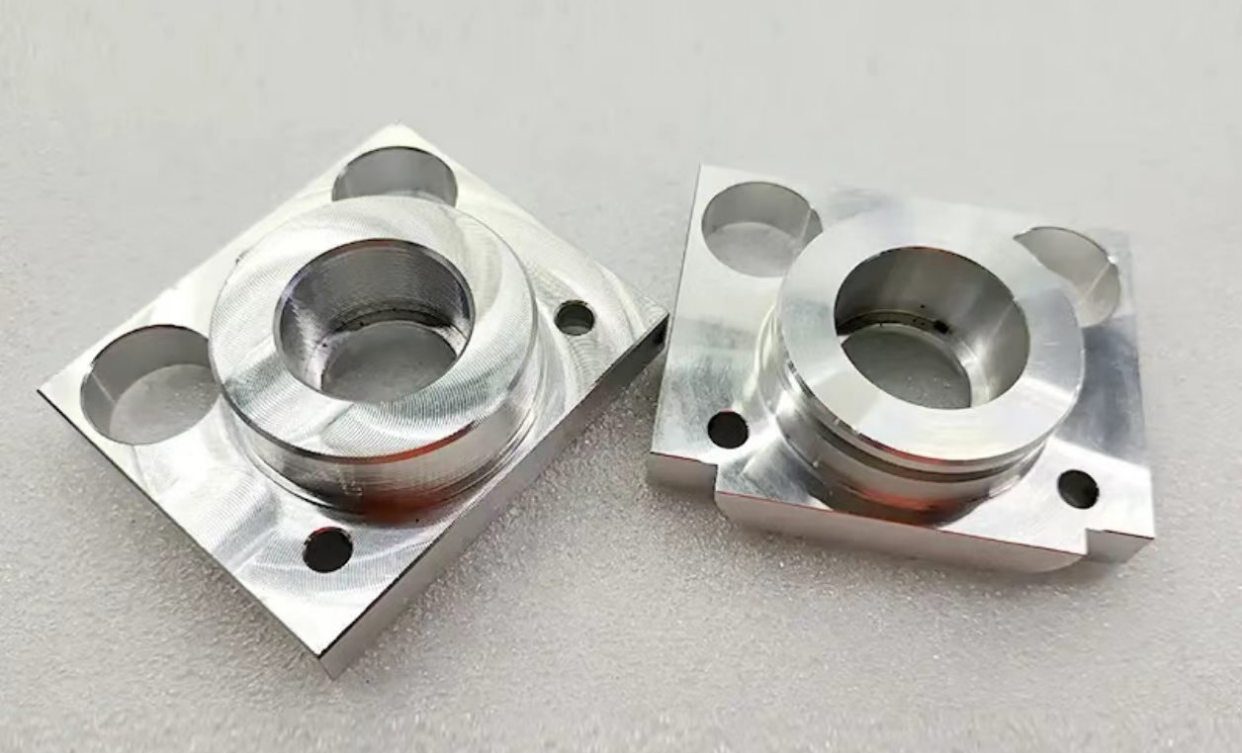
El mecanizado de precisión mantiene tolerancias dimensionales en el rango de las micras, lo que garantiza una alta precisión constante en todas las piezas. Su mayor valor va más allá de la precisión de una sola pieza: ofrece una uniformidad excepcional en todas las series de producción. Cuando varios componentes funcionan conjuntamente, un control dimensional estricto y constante mejora el ajuste, reduce la fricción durante el montaje y minimiza el error acumulado en el sistema final. En la fabricación aeroespacial y médica, donde la precisión está directamente relacionada con la seguridad y el cumplimiento normativo, el control estricto de las tolerancias es imprescindible.
1.2 Acabado superficial y rendimiento operativo
El cumplimiento de las dimensiones por sí solo no garantiza el rendimiento funcional. La calidad de la superficie es otro factor diferenciador fundamental entre los dos métodos de mecanizado.
El mecanizado convencional suele dejar marcas visibles de la herramienta y una mayor rugosidad superficial, debido a las limitaciones que imponen las herramientas estándar y los ajustes de avance. El mecanizado de precisión utiliza trayectorias de corte optimizadas, herramientas especializadas y parámetros ajustados para obtener una superficie más lisa y uniforme, con valores de rugosidad mucho más bajos.
En el caso de las piezas en movimiento a alta velocidad, los componentes alternativos y las interfaces de estanqueidad, la calidad de la superficie influye directamente en la fricción, las tasas de desgaste y la eficacia del sellado. Un acabado superficial de alta calidad reduce la fricción y la abrasión durante el funcionamiento, prolonga la vida útil de los componentes y reduce las vibraciones y el ruido, lo que se traduce en un rendimiento más fluido y fiable de los equipos.
2. Infraestructura: Equipos y control de procesos
La calidad superior del mecanizado de precisión no se consigue únicamente gracias a la destreza del operario. Depende de un sistema completo de equipos avanzados y de procesos de fabricación rigurosamente controlados.
2.1 Capacidades de las máquinas CNC de alta gama
La producción convencional suele utilizar máquinas-herramienta estándar, ya sean manuales o semiautomáticas. Estas máquinas tienen una precisión de posicionamiento y una rigidez estructural limitadas, por lo que no pueden mantener una precisión elevada durante largas series de producción.
El mecanizado de precisión depende de máquinas-herramienta CNC de alto rendimiento con una precisión de posicionamiento y una repetibilidad excepcionales. Los centros de mecanizado multieje pueden producir geometrías complejas y superficies curvas en una sola configuración. Fabricadas con bastidores de alta rigidez y sistemas de estabilidad térmica, estas máquinas mantienen una precisión constante incluso durante la producción continua y a gran volumen. Los sistemas de control avanzados permiten gestionar la trayectoria de la herramienta con una precisión de micras, lo que elimina la mayoría de los errores aleatorios causados por la operación manual.
2.2 Estandarización de los procesos de principio a fin
Incluso la máquina más avanzada no rendirá al máximo sin una gestión adecuada de los procesos. El mecanizado de precisión sigue unos flujos de trabajo cuidadosamente diseñados y totalmente validados, desde la recepción del material hasta la inspección final.
La selección de herramientas se adapta a las propiedades específicas del material. Los parámetros de corte se prueban y se perfeccionan mediante pruebas piloto. Los dispositivos de sujeción se diseñan para minimizar la deformación por sujeción. Cada paso de la producción sigue estrictos protocolos de control de calidad. Es posible que estos detalles, que tienen lugar entre bastidores, no sean visibles en la pieza acabada, pero constituyen la base de una precisión constante y fiable en todos los lotes.
3. Valor empresarial: por qué merece la pena el mecanizado de precisión
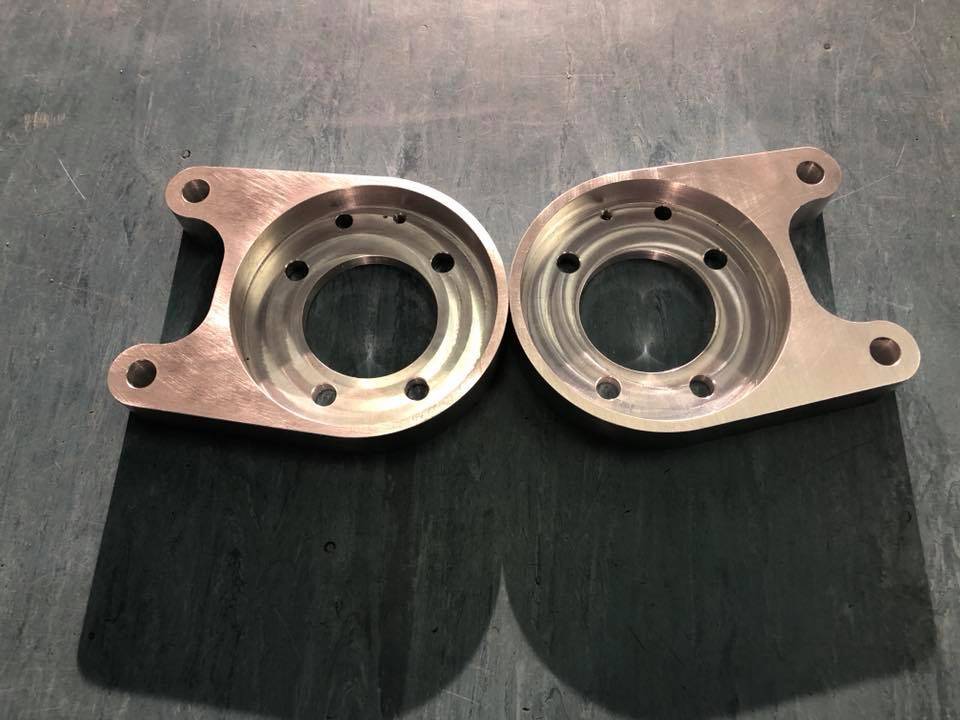
Invertir en mecanizado de precisión ofrece una rentabilidad que va mucho más allá de la calidad de las piezas, con ventajas que se reflejan en el montaje, el funcionamiento y los costes de propiedad a largo plazo.
3.1 Un proceso de montaje más rápido y fluido
La consistencia dimensional de las piezas agiliza todo el proceso de montaje. Las dimensiones uniformes reducen la necesidad de ajustes manuales, el uso de cuñas y las repeticiones de trabajo, acortan el tiempo de montaje y reducen los ciclos de producción generales. La calidad estable de un lote a otro también reduce la carga de trabajo de inspección y disminuye el riesgo de piezas no conformes que acarrean costes elevados.
3.2 Mayor vida útil y menores costes de mantenimiento
Los ajustes más precisos y las superficies más lisas reducen el desgaste, las vibraciones y el ruido durante el funcionamiento. Las piezas duran más y los equipos funcionan con mayor fiabilidad. En el caso de la maquinaria industrial de alto valor, la mayor fiabilidad de los componentes reduce el tiempo de inactividad, disminuye la necesidad de sustituir piezas de recambio y rebaja el coste total de propiedad. El ahorro a largo plazo casi siempre supera el coste adicional inicial que supone el mecanizado de precisión.
3.3 Acceso a segmentos de mercado de gama alta
Los sectores aeroespacial, médico y de la automatización de precisión aplican estrictas normas de calidad y tolerancia. El mecanizado de precisión es un requisito imprescindible para acceder a estos sectores de alto valor. Optar por una fabricación de mayor precisión mejora el rendimiento de tus productos, refuerza la reputación de tu marca y te abre las puertas a proyectos con mayores márgenes y a oportunidades de crecimiento a largo plazo.
4. Cuándo optar por el mecanizado de precisión
No todas las piezas requieren el máximo nivel de precisión. La elección adecuada depende de la función, la aplicación y los requisitos de rendimiento de su producto. El mecanizado de precisión ofrece la mayor rentabilidad en los siguientes casos:
4.1 Componentes funcionales y de seguridad críticos
Para las piezas que influyen directamente en el rendimiento de los equipos, la seguridad de los operarios o la vida útil del producto, el mecanizado de precisión es la opción más adecuada. Entre los ejemplos más comunes se encuentran los componentes estructurales aeroespaciales, las piezas fundamentales de los dispositivos médicos y los elementos clave de la transmisión en los equipos de automatización. En estas aplicaciones, incluso las desviaciones dimensionales más mínimas pueden provocar fallos de funcionamiento o riesgos para la seguridad.
4.2 Sistemas de ajuste de precisión y de movimiento dinámico
Los productos que cuentan con piezas móviles que interactúan entre sí, sistemas de estanqueidad o funciones de medición de precisión se benefician enormemente de unas tolerancias de mecanizado más estrictas. Entre las aplicaciones típicas se incluyen los sistemas de transmisión de precisión, los componentes rotativos de alta velocidad, los conjuntos de estanqueidad y la instrumentación de precisión. En estos sistemas, la precisión del ajuste determina directamente el rendimiento general, por lo que es esencial mantener una precisión constante.
En el caso de las piezas estructurales no críticas, los soportes sencillos y los componentes de bajas exigencias, el mecanizado convencional sigue siendo una opción rentable que cumple los requisitos funcionales básicos.
Conclusión
La diferencia entre el mecanizado de precisión y el mecanizado convencional va mucho más allá de las cifras de tolerancia. Abarca la capacidad de los equipos, el control de procesos, la uniformidad de los lotes y el rendimiento a largo plazo del producto. Para los productos que exigen una alta calidad y un rendimiento fiable, el mecanizado de precisión proporciona la base de fabricación que necesitas para ser competitivo.
PartsMastery se especializa en servicios de mecanizado de alta precisión y acompaña a sus clientes desde el desarrollo de prototipos hasta la producción a gran escala. Ofrecemos soluciones personalizadas de componentes de precisión para los sectores aeroespacial, médico, de la automatización y otros sectores de fabricación avanzada.