






La industria automovilística mundial está experimentando una rápida transformación hacia la electrificación, el alto rendimiento y la fabricación inteligente. Como consecuencia, los componentes de automóvil deben cumplir requisitos mucho más estrictos en cuanto a precisión dimensional, calidad de la superficie y uniformidad de los lotes.
Las normas tradicionales de mecanizado solo satisfacen las necesidades funcionales básicas. Ya no pueden seguir el ritmo de la modernización industrial actual. De hecho, incluso las desviaciones dimensionales a nivel de micras o los más mínimos defectos superficiales pueden reducir directamente la eficiencia del sistema de transmisión. Además, disminuyen la fiabilidad general del vehículo y acortan la vida útil de los componentes principales.
En este contexto, el mecanizado de precisión se erige como un proceso de fabricación fundamental para los componentes de alta gama. Asimismo, se ha convertido en un pilar técnico clave para que las cadenas de suministro del sector de la automoción impulsen la competitividad de sus productos. Esta tecnología se aplica a todas las piezas clave de los sistemas de propulsión con motor de combustión interna. También abarca los sistemas de propulsión eléctrica y de baterías de los vehículos de nuevas energías.
1. Aplicaciones del mecanizado de precisión para componentes clave del sistema de propulsión de motores de combustión interna
El motor es la unidad de potencia fundamental de un vehículo. Funciona sin interrupción en condiciones extremas de altas temperaturas, alta presión y alta velocidad. La precisión en el mecanizado de las piezas del motor influye directamente en la eficiencia de la combustión, la estabilidad de la potencia y la vida útil. Por este motivo, se trata de uno de los campos más exigentes en lo que respecta al mecanizado de precisión.
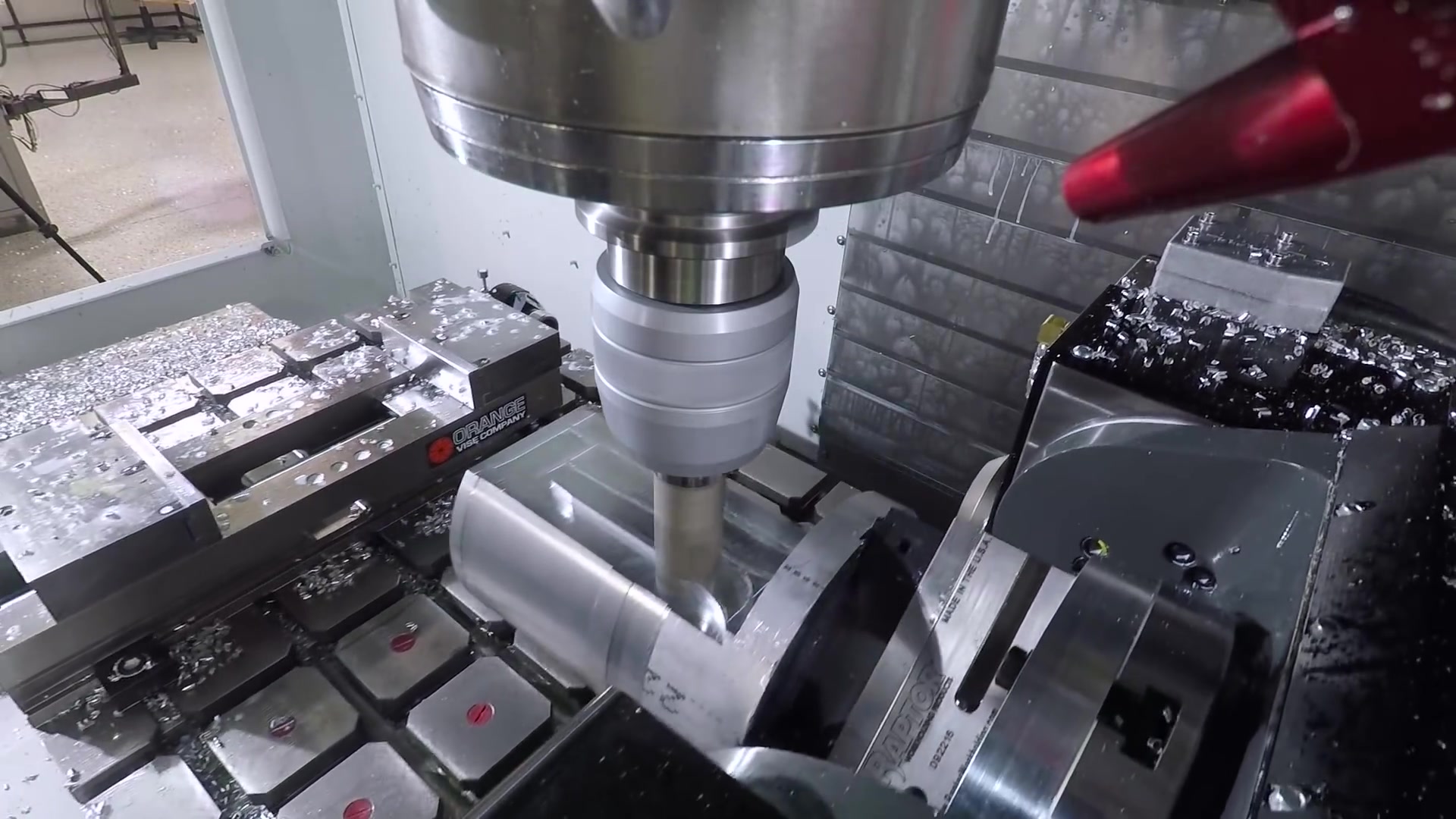
1.1 Bloque de cilindros y diámetro interior: control de tolerancias geométricas de alta precisión
Los ales de los cilindros y los bloques de motor constituyen la columna vertebral estructural del grupo motopropulsor. Su precisión de mecanizado influye directamente en la estanqueidad de la cámara de combustión y en el rendimiento del pistón.
El mandrinado de alta precisión garantiza una uniformidad a nivel de micras en las dimensiones del diámetro interior de los cilindros. Reduce eficazmente la resistencia al desplazamiento del pistón y mantiene estables las relaciones de compresión. Además, la rugosidad superficial optimizada y el bruñido de las paredes de los cilindros reducen la pérdida de potencia debida a la fricción. También mejoran directamente el ahorro de combustible.
Por otra parte, la compensación de la deformación térmica durante el mecanizado garantiza la estabilidad dimensional a altas temperaturas de funcionamiento. Evita que se produzcan holguras de ajuste anómalas provocadas por la expansión y la contracción térmicas.
1.2 Cigüeñal y árbol de levas: garantía de precisión dinámica
Los cigüeñales y los árboles de levas son componentes giratorios fundamentales del motor. Se les exigen requisitos extremadamente estrictos en cuanto al equilibrio dinámico y la precisión del perfil geométrico.
Una excentricidad excesiva del cigüeñal y los errores de tolerancia geométrica provocan vibraciones intensas a altas velocidades. Como consecuencia, dan lugar a una pérdida de potencia y a daños por fatiga en los componentes. La precisión del perfil del árbol de levas determina directamente la precisión de la sincronización de las válvulas. Esto, a su vez, afecta a la eficiencia de la admisión y el escape, así como a la calidad de la combustión.
Gracias al rectificado de precisión y al equilibrado dinámico, el error de excentricidad de las piezas se mantiene dentro de un margen muy estrecho. Esto mejora considerablemente la suavidad de funcionamiento del motor y su durabilidad a largo plazo.
1.3 Conjuntos de inyección de combustible: fabricación de precisión de microestructuras
Los sistemas de inyección de combustible son componentes típicos con microestructuras de alta precisión. La uniformidad de su mecanizado influye directamente en la atomización del combustible y en la calidad de la combustión.
El diámetro, la redondez y el acabado de la pared interior de los orificios de los inyectores determinan la calidad de la atomización del combustible y la uniformidad de la pulverización. Estos factores influyen, además, en las emisiones del motor y en la rapidez de respuesta de la potencia. El taladrado y el pulido de ultraprecisión permiten alcanzar una precisión del orden de las micras en los orificios de los inyectores. Por ejemplo, este es el método de fabricación fundamental para mejorar la eficiencia del combustible y cumplir con las estrictas normas de emisiones.
2. Asistencia en mecanizado de precisión para sistemas de transmisión de automóviles
Los sistemas de transmisión de los vehículos desempeñan tres funciones fundamentales: la transmisión de potencia, la conversión de velocidad y el ajuste del par. Sus componentes funcionan de forma continua en condiciones de alta carga y alta velocidad. La precisión de ajuste, el error en el perfil de los dientes y la calidad de la superficie determinan directamente la eficiencia de la transmisión, la suavidad de la conducción y la fiabilidad del sistema.
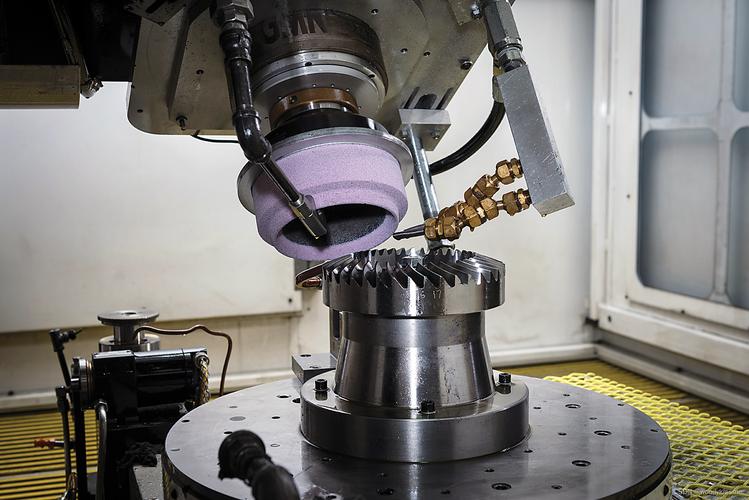
2.1 Mecanizado de engranajes: control de la precisión del perfil de los dientes
Los engranajes son los componentes fundamentales de cualquier sistema de transmisión. La calidad de su mecanizado influye directamente en el comportamiento NVH del vehículo y en la eficiencia de la transmisión.
Los errores en el perfil de los dientes y las desviaciones de la hélice provocan impactos y ruidos inusuales durante el engranaje. Además, aceleran el desgaste de la superficie de los dientes y reducen la eficiencia de la transmisión. El fresado de precisión, el rectificado y el bruñido permiten un control riguroso de los grados de precisión de los engranajes. En concreto, estos procesos mejoran la suavidad del engranaje y la capacidad de carga, y garantizan la estabilidad a largo plazo de la transmisión.
2.2 Componentes del eje: gestión de la concentricidad y la calidad superficial
Los ejes de transmisión, los semiejes y otras piezas similares son elementos fundamentales para la transmisión de potencia. Deben cumplir requisitos estrictos en cuanto a precisión geométrica y concentricidad.
Los errores de concentricidad provocan vibraciones en el sistema durante el funcionamiento a alta velocidad. En consecuencia, causan un desgaste anormal en los rodamientos y las juntas, y aumentan la pérdida de potencia. El rectificado cilíndrico de alta precisión y el control de las tolerancias geométricas, junto con el acabado superficial, mejoran considerablemente la precisión de ajuste de las piezas del eje. Además, reducen las pérdidas por fricción durante el funcionamiento y aumentan la estabilidad a altas velocidades.
2.3 Superficies de contacto de los rodamientos: optimización del mecanizado de precisión
Las superficies de contacto de los rodamientos constituyen la base de los sistemas rotativos estables. Son muy sensibles a la precisión dimensional y al estado de la superficie.
Un juego de ajuste demasiado grande o demasiado pequeño aumenta la resistencia a la rotación. Además, incrementa el calor por fricción y acorta la vida útil de los rodamientos. El mecanizado de precisión controla la tolerancia dimensional y la rugosidad superficial de estas superficies de contacto. De este modo, se consigue un juego óptimo, se reduce la fricción y el calor, se disminuyen las temperaturas de funcionamiento y se prolonga la vida útil de los rodamientos y las piezas giratorias relacionadas.
3. Avances en el mecanizado de precisión para componentes clave de los vehículos eléctricos nuevos (NEV)
El rápido crecimiento de los vehículos de nuevas energías ha impulsado mejoras técnicas en los sistemas de propulsión eléctrica y de baterías. El sector exige ahora componentes más ligeros, más eficientes y más seguros. Como resultado, el mecanizado de precisión se ha convertido en un método de fabricación fundamental para aumentar la autonomía, la seguridad y la fiabilidad de los vehículos de nuevas energías.
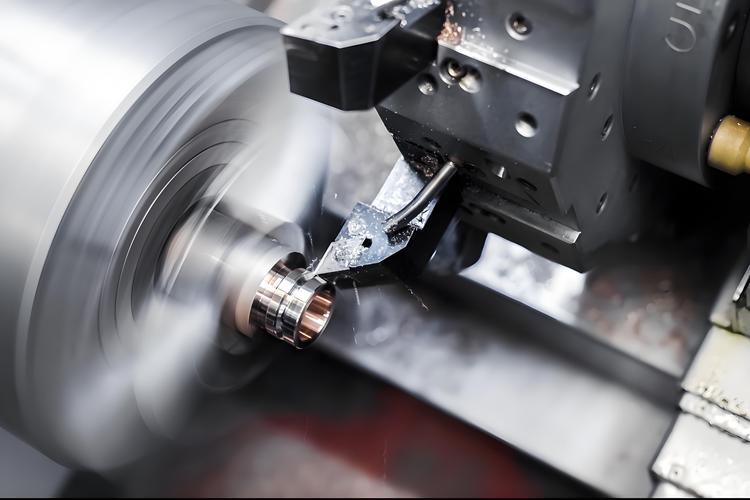
3.1 Rotor y estator del motor de accionamiento: control de precisión
La potencia de salida y el rendimiento de un motor de accionamiento dependen en gran medida de la precisión en el mecanizado del rotor y del estator. También dependen de la uniformidad del proceso de montaje.
La precisión del equilibrado dinámico del rotor influye directamente en las vibraciones y el ruido del motor a altas velocidades. Por su parte, la precisión de las ranuras del núcleo del estator y la planitud de las láminas afectan directamente a la eficiencia electromagnética y al consumo energético. El corte de precisión, el apilado del núcleo y la calibración del equilibrado dinámico reducen eficazmente las pérdidas electromagnéticas y mecánicas de un motor. Además, mejoran la eficiencia energética, amplían la autonomía y garantizan un rendimiento constante y fiable de la propulsión eléctrica.
3.2 Componentes estructurales de la batería de alimentación: fabricación homogénea
Las piezas estructurales de las baterías de potencia deben combinar un diseño ligero, resistencia estructural y precisión en el montaje. La calidad de su mecanizado influye directamente en la seguridad y la estabilidad generales del conjunto de baterías.
Las inconsistencias dimensionales en las carcasas de aleación de aluminio, las barras colectoras y otras piezas provocan tensiones de montaje desiguales. Además, pueden dar lugar a fallos de estanqueidad en los módulos de batería. Los procesos de fresado, estampado y plegado de precisión controlan rigurosamente la precisión dimensional y geométrica de las piezas estructurales. En concreto, mejoran la uniformidad del montaje de los módulos de batería, garantizan la resistencia y la estanqueidad del paquete y contribuyen al funcionamiento seguro de las baterías de potencia.
3.3 Sistema de gestión térmica: mecanizado de precisión de microcanales
Los sistemas de gestión térmica son fundamentales para la seguridad y la larga vida útil de los vehículos eléctricos nuevos (NEV). Controlan directamente la estabilidad de la temperatura de las baterías y los motores.
La precisión dimensional y la suavidad de las paredes internas de los microcanales de refrigeración influyen directamente en los patrones de flujo del refrigerante. Además, determinan la eficiencia global del intercambio de calor. El fresado de precisión, el grabado y otros procesos permiten fabricar microcanales con gran precisión. Por ejemplo, garantizan unas dimensiones uniformes de los canales y unas paredes internas lisas, aumentan la eficiencia del intercambio de calor y permiten un control preciso de la temperatura de las piezas principales.
Esto mantiene las baterías y los motores dentro de un rango de temperatura ideal. Además, prolonga la vida útil de los componentes principales y mejora la seguridad general del vehículo.
4. Valor industrial fundamental del mecanizado de precisión en la fabricación de automóviles
El mecanizado de precisión es más que un simple proceso de fabricación. Se trata de una capacidad fundamental que abarca todo el ciclo de vida de los componentes de automóvil, desde el diseño hasta la producción y el servicio técnico. Además, proporciona un apoyo técnico esencial para la modernización de alta gama de la industria del automóvil.
4.1 Mayor estabilidad del vehículo y mayor comodidad de conducción
El mecanizado uniforme de los componentes constituye la base para un funcionamiento estable del vehículo. El mecanizado de precisión garantiza un control estricto de las tolerancias dimensionales y la precisión de ajuste de cada pieza. Por lo tanto, reduce eficazmente las vibraciones y el ruido, optimiza el comportamiento NVH, mejora la eficiencia en la transmisión de potencia y proporciona una experiencia de conducción más suave.
4.2 Mayor vida útil y mayor fiabilidad de los componentes principales
El mecanizado de alta precisión reduce considerablemente la fricción y el desgaste en las superficies de contacto de las piezas. Además, disminuye la concentración de tensiones y los daños por fatiga derivados de las desviaciones dimensionales, y reduce los efectos nocivos de la deformación térmica. En definitiva, esto reduce los riesgos de avería del vehículo. Asimismo, mejora significativamente la fiabilidad a largo plazo de los componentes principales y prolonga la vida útil general del vehículo.
4.3 Apoyo al diseño ligero y a la mejora de la eficiencia energética
El mecanizado de precisión permite fabricar de forma fiable diseños ligeros, como estructuras de paredes delgadas y cavidades complejas. Optimiza el diseño de la estructura de las piezas y reduce el peso total del vehículo, al tiempo que mantiene la resistencia estructural y la fiabilidad.
Esto mejora el ahorro de combustible en los vehículos con motor de combustión interna. Además, aumenta directamente la autonomía de los vehículos eléctricos nuevos (NEV) y se ajusta a la tendencia de desarrollo con bajas emisiones de carbono del sector.
La industria del automóvil sigue orientándose hacia la fabricación de alta gama y la conectividad inteligente. Como consecuencia, el mecanizado de precisión ha pasado de ser un proceso auxiliar tradicional a convertirse en una ventaja competitiva fundamental para los fabricantes de piezas de automóvil, con repercusiones en toda la cadena de suministro del sector.
De cara al futuro, los requisitos de rendimiento de los vehículos seguirán aumentando. En consecuencia, los estándares de precisión en el mecanizado y de estabilidad de los procesos también seguirán aumentando. PartsMastery se especializa en soluciones de mecanizado de precisión de alto rendimiento. Ofrecemos asistencia técnica durante todo el proceso y una garantía de fabricación fiable para la producción de piezas de automóvil, ayudando a las empresas de la cadena de suministro a adaptarse a las necesidades de modernización industrial.