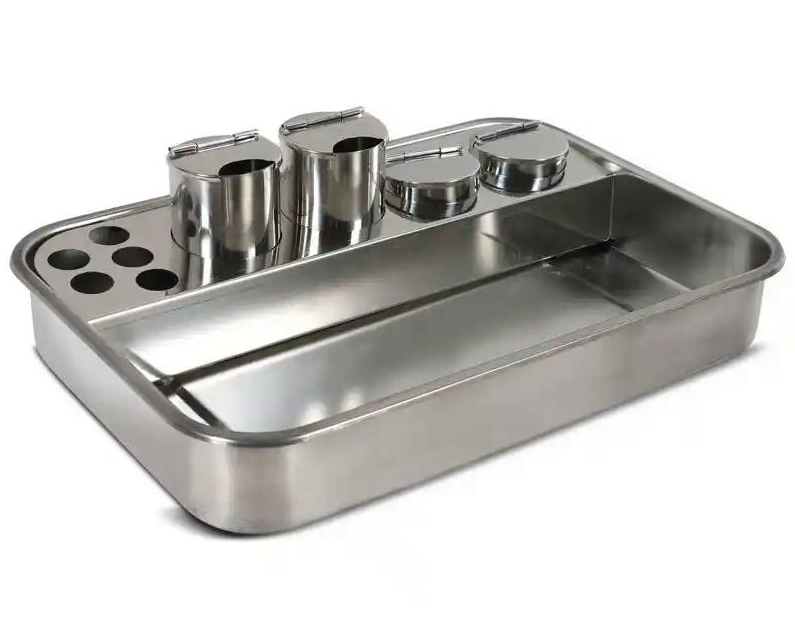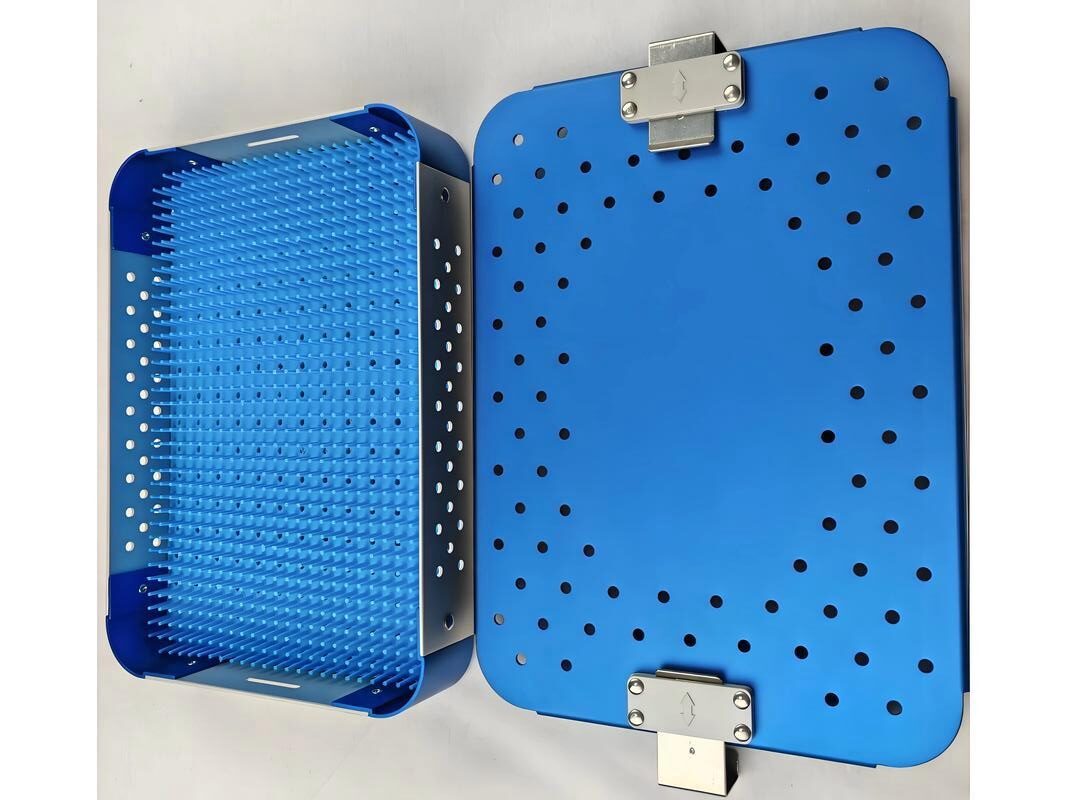






Sheet metal components form the structural backbone of modern healthcare equipment, from sterile surgical instrument trays to heavy-duty MRI machine enclosures. Unlike general industrial metalworking that prioritizes cost and speed, medical-grade sheet metal fabrication is built around uncompromising standards for hygiene, surface integrity, and regulatory alignment.
Even the smallest manufacturing defect — a residual burr along a cut edge, a porous weld seam, or a non-compliant base alloy — can create hidden bacterial harborage points, trigger regulatory audit failures, and result in costly full redesigns and delayed product launches. For engineering and procurement teams sourcing reliable medical enclosures, surgical accessories and diagnostic parts, partnering with a certified fabrication specialist is critical to delivering patient-safe components on schedule.
This in-depth guide breaks down every critical facet of medical sheet metal manufacturing, from mandatory industry certifications and approved material alloys to sanitary production protocols and cost-saving design strategies, to help your team achieve first-pass regulatory compliance for every medical device project.

What Defines Medical-Grade Sheet Metal Fabrication?
At its core, medical sheet metal fabrication is the process of forming flat metal stock into precision components designed exclusively for healthcare and clinical environments. What sets it apart from standard sheet metal production is its laser focus on patient safety and sterilization compatibility, enforced through three non-negotiable core requirements.
1. Strict Regulatory Compliance
All medical-grade metal components must align with global healthcare regulations including FDA guidelines, RoHS directives and ISO 13485 quality management standards before entering clinical settings. Full documentation and traceability are required at every production stage.
2. Defect-Free Surface Integrity
Every edge, seam and surface must be free of burrs, sharp corners and porous welds. Even microscopic surface gaps can trap biological material and support bacterial growth, compromising sterilization efforts and endangering patients and clinical staff.
3. Contamination-Free Production
Manufacturing workflows follow strict sanitary protocols to prevent oil, metal particles and other industrial contaminants from adhering to part surfaces. For high-risk components, full cleanroom assembly is required to meet clinical purity standards.

Approved Materials for Medical Sheet Metal Components
Material selection directly determines a component’s ability to withstand repeated chemical disinfection and high-pressure autoclaving while maintaining biological inertness. Choosing an unsuitable alloy not only compromises patient safety but also invalidates regulatory certifications, leading to full product rejection.
304 & 316L Stainless Steel
Stainless steel is the universal baseline for all sterilizable sheet metal parts in healthcare. Both 304 and 316L grades offer exceptional resistance to acidic disinfectants and high-temperature sterilization cycles, and remain biologically inert when in contact with bodily fluids.
Common applications: Surgical instrument trays, operating table frames, sterilization equipment enclosures and internal structural brackets.
6061 & 5052 Aluminum Alloys
Aluminum alloys deliver an excellent strength-to-weight ratio and superior thermal conductivity at a more accessible price point than stainless steel. They pair seamlessly with medical-grade anodizing treatments to create durable, corrosion-resistant surfaces for non-implant, non-sterile-contact components.
Common applications: Medical equipment housings, patient monitor chassis and lightweight mobile medical cart frames.
Specialty High-Performance Alloys
For specialized use cases, advanced alloys offer unique performance benefits:
- Titanium: Delivers exceptional tensile strength at an extremely low weight, ideal for orthopedic assistive devices and minimally invasive surgical support brackets.
- Hastelloy: Provides industry-leading corrosion resistance for components exposed to highly aggressive chemical sterilization agents.
Important note: Carbon steel and standard zinc-plated metals are never appropriate for medical environments. They degrade rapidly under frequent chemical cleaning and pose a measurable risk of heavy metal contamination in clinical settings.
Core Manufacturing Processes for Medical Sheet Metal Parts
Standard cutting, bending and welding processes must be heavily modified and closely controlled to meet healthcare industry standards. Every step is calibrated to eliminate surface defects and maintain tight dimensional tolerances, typically aligned with ISO 2768 precision standards.
Laser & Plasma Cutting
Cutting operations for medical components must produce perfectly smooth, burr-free edges with zero thermal distortion. Even micro-fissures along cut edges can create spaces for microbes to multiply, so cut quality is verified for every production batch.
Precision Bending & Forming
Medical component designs require tight tolerance control during bending operations. A key design rule for medical parts is to avoid sharp, zero-radius internal corners, as tight crevices make thorough cleaning and sterilization effectively impossible. Larger bend radii are always preferred for clinical-use components.
Sanitary Welding
Welding carries the highest risk of creating non-compliant surfaces in medical sheet metal fabrication. Tungsten Inert Gas (TIG) welding and laser welding are the preferred methods, as they produce clean, consistent seams with minimal porosity.
All weld seams must be ground completely flush, polished to a smooth finish and inspected for hidden porosity. Rough spot welding is strictly prohibited for any component used in sterile clinical zones.
Deburring & Edge Rounding
Edge rounding and full deburring are mandatory safety and sanitary steps for every medical sheet metal part. Unfinished sharp edges can tear surgical gloves, injure clinical staff and trap biological debris, so every edge is processed and visually verified before moving to subsequent stages.
Assembly & Fastening
All assembly hardware must be made from medical-grade stainless steel screws or sealed, clinical-grade rivets. Any sealants or adhesives used in assembly must be FDA-compliant medical-grade silicone to ensure compatibility with disinfectants and biological materials.
Sanitary Surface Finishes for Medical Device Components
The right surface finish makes a component easy to clean and sterilize; the wrong finish can become a vector for cross-contamination. A wide range of treatment options are available, each suited to specific clinical use cases.
| Surface Treatment | Key Characteristics | Primary Medical Applications |
|---|---|---|
| 电解抛光 | Creates a microscopically smooth mirror finish with an extremely low Ra value, drastically reducing bacterial adhesion and improving sterilization efficacy. | Surgical tools, sterilization trays and all components requiring autoclave compatibility. |
| 钝化 | Removes free iron particles from stainless steel surfaces to boost rust resistance, without adding any additional coating layer. | Internal brackets and non-patient-contact stainless steel structural components. |
| Medical-Grade Anodizing | Hard anodizing seals aluminum surface pores, improves scratch resistance and supports color coding for equipment identification. | Patient monitor housings, aluminum equipment handles and diagnostic device frames. |
| Antimicrobial Powder Coating | Creates a durable, easy-to-wipe surface. Only FDA/ISO-certified antimicrobial powder formulas are approved for clinical use. | Medical furniture, mobile medical carts and non-sterile external equipment panels. |
| 拉丝处理 | A cost-effective alternative to electropolishing for components used exclusively in non-sterile environments. | Exterior panels for large diagnostic imaging machines. |
Key Regulatory Compliance & Certifications
Procurement and engineering teams must require full, verifiable documentation from their fabrication partners. Without complete certification records, finished components cannot legally be placed on the global medical device market.
- ISO 13485: The foundational quality management standard for medical device manufacturing. It establishes strict requirements for process control, documentation and traceability across the entire production workflow.
- FDA 21 CFR Part 830: Mandatory requirements for medical devices sold in the US market, governing unique device identification (UDI) systems for full product traceability.
- CE MDR 2017/745: The rigorous regulatory framework for medical devices marketed within the European Union, with strict requirements for clinical evidence and post-market surveillance.
- Material Certificates of Analysis (COA): Raw material mills must provide official COA documentation to verify exact chemical composition and enable full material traceability back to the original heat lot.
- Cleanroom Capabilities: High-risk, patient-contact medical components require assembly and final finishing in certified cleanroom environments, free of industrial cutting fluids and airborne particulate contamination.
Common Applications of Medical Sheet Metal Fabrication
Medical sheet metal components support every level of patient care across clinical settings. The most prevalent use cases include:
- Operating Room Equipment: Surgical table bases, precision instrument trays and surgical light housing assemblies.
- Patient Care Devices: Hospital bed rails, IV stand bases and ventilator chassis and structural frames.
- Sterilization Equipment: Autoclave chamber liners and ultrasonic cleaner tank assemblies.
- Diagnostic Imaging Gear: MRI machine exterior paneling and laboratory analyzer chassis structures.
- Surgical Assistive Devices: Support brackets for minimally invasive surgical systems.
- Dental Equipment: Dental chair substructures and dental tool delivery unit housings.
Rigorous Quality Control Measures for Medical-Grade Components
A robust, multi-stage quality control system is essential to prevent non-compliant parts from reaching final assembly. Full-process inspection protocols, supported by precision measurement equipment, ensure every part meets clinical standards.
Pre-Production Verification
Before manufacturing begins, all engineering drawings undergo a thorough review for design for manufacturability (DFM) and compliance alignment. Raw material COA documentation is verified against specification requirements to confirm material authenticity.
In-Process Inspection
First Article Inspection (FAI) is performed on the first part of every production run. Dimensional precision is verified using Coordinate Measuring Machines (CMM), and weld integrity is tested via X-ray inspection to detect hidden porosity or defects.
Post-Processing Validation
After surface treatment, all parts undergo surface roughness (Ra) measurement to confirm finish specifications. A 100% visual inspection is conducted to verify complete burr removal and edge smoothness.
Final Packaging & Traceability
Finished parts are typically vacuum-sealed with anti-fingerprint protective film in a controlled environment to prevent contamination during shipping. Every component includes full traceability documentation linking it to a specific material heat lot and production date.
Practical Strategies to Optimize Medical Sheet Metal Fabrication Costs
Achieving full regulatory compliance does not require unlimited budgets. With strategic engineering and material decisions, teams can reduce production costs without compromising safety or regulatory alignment.
Design for Manufacturability (DFM) Optimization
Standardize sheet metal thicknesses across your full bill of materials to reduce material waste and setup time. Replace sharp internal corners with larger bend radii to cut down on manual polishing labor. Where possible, combine multi-part welded assemblies into single bent components to eliminate welding and finishing costs.
Pro tip: Avoid over-tolerancing non-critical dimensions. Reserve tight tolerance specifications only for mating surfaces and structural mounting points, as unnecessary precision drives up production costs significantly.
Strategic Material Selection
Reserve premium 316L stainless steel exclusively for parts that have direct contact with bodily fluids or are exposed to aggressive sterilization chemicals. For external cart chassis and non-contact structural parts, use 6061 aluminum with medical-grade powder coating to reduce material costs substantially.
Tiered Surface Treatment Application
Apply high-cost electropolishing only to external, high-contact surfaces that require sterilization compatibility. For internal, hidden structural components, standard passivation provides sufficient corrosion protection at a far lower price point.
How to Select a Reliable Medical Sheet Metal Fabrication Partner
Finding a qualified medical device sheet metal manufacturer requires more than evaluating basic metalworking capabilities. Medical components demand regulated production workflows, rigorous quality testing and cost-efficient sourcing to avoid compliance risks and unnecessary budget overruns.
Follow these key steps to evaluate potential partners:
- Verify Certifications First: Require official proof of ISO 13485 certification, and request anonymized material traceability report samples from past medical projects to confirm documentation standards.
- Assess In-House Inspection Capabilities: The manufacturing facility must own and operate CMMs, surface roughness testers and weld inspection equipment. Visual-only inspection is insufficient for medical-grade components.
- Prioritize Integrated End-to-End Solutions: Many medical device teams choose to source sheet metal components from China for its flexible production capacity and competitive pricing. Factory-direct partners eliminate middleman markup, simplify the supply chain and deliver high-quality compliant parts at a lower total cost.
Final Takeaways
Successful medical sheet metal fabrication rests on three foundational pillars: compliant material selection, zero-defect processing and verifiable end-to-end traceability. Compromising on any of these introduces severe regulatory risk and potential product failure in clinical settings.
By applying strict DFM principles, matching surface treatments to exact use case requirements and partnering with an experienced certified fabricator, engineering and procurement teams can scale production efficiently without sacrificing patient safety or regulatory compliance.
Ready to launch your medical sheet metal project? AI-powered quoting platforms deliver accurate pricing in minutes. Upload your CAD files to receive instant DFM feedback and secure reliable, compliant production for your next medical device.
Frequently Asked Questions
What surface finish works best for sterilizable medical metal parts?
Electropolishing is the gold standard for sterilizable components. By smoothing out microscopic peaks and valleys on the metal surface, it creates a smooth, non-porous finish where bacteria cannot easily attach, and sterilization fluids drain completely for more effective disinfection.
Can medical sheet metal parts use powder coating?
Yes, but only with specially formulated materials. You must use FDA-compliant antimicrobial powder coatings designed for clinical environments. Standard industrial powder coatings break down under repeated exposure to hospital-grade cleaning agents and may leach unsafe compounds.
How much more expensive is medical-grade fabrication compared to standard industrial work?
Medical-grade fabrication typically costs 20% to 50% more than standard sheet metal production. This premium covers strict material traceability, extended deburring and polishing labor, comprehensive inspection protocols and full regulatory documentation packages.
What certifications are needed for medical metal components exported to the EU and US?
ISO 13485 certification for the manufacturing process is a baseline requirement for both markets. For the US, you also need FDA compliance (including 21 CFR Part 830) and supporting documentation for 510(k) submissions where applicable. For the EU, you must meet CE MDR 2017/745 requirements and RoHS/REACH material compliance, along with a complete technical file.