





Complete Guide to ABS Plastic Machining: In-Depth Analysis of Process Selection, Operation Standards and Industrial Applications

In the field of custom plastic part manufacturing, ABS remains a top choice for material selection. As a thermoplastic engineering plastic with well-balanced overall performance, it strikes an optimal balance between manufacturing cost, structural toughness, machinability and appearance quality, delivering reliable solutions for both product prototype verification and small-to-medium batch production of functional components.

This guide breaks down core knowledge of ABS machining across multiple dimensions, including process selection, key operational practices, performance pros and cons, and industry use cases, to help readers make more informed material and process decisions for their plastic part projects.

1. Comprehensive Analysis of Mainstream ABS Machining Processes

ABS parts can be manufactured through various processes to match different production volumes, precision requirements and structural features. Each process differs in cost, lead time and finished product characteristics, and should be selected based on specific project demands:

1.1 CNC Machining

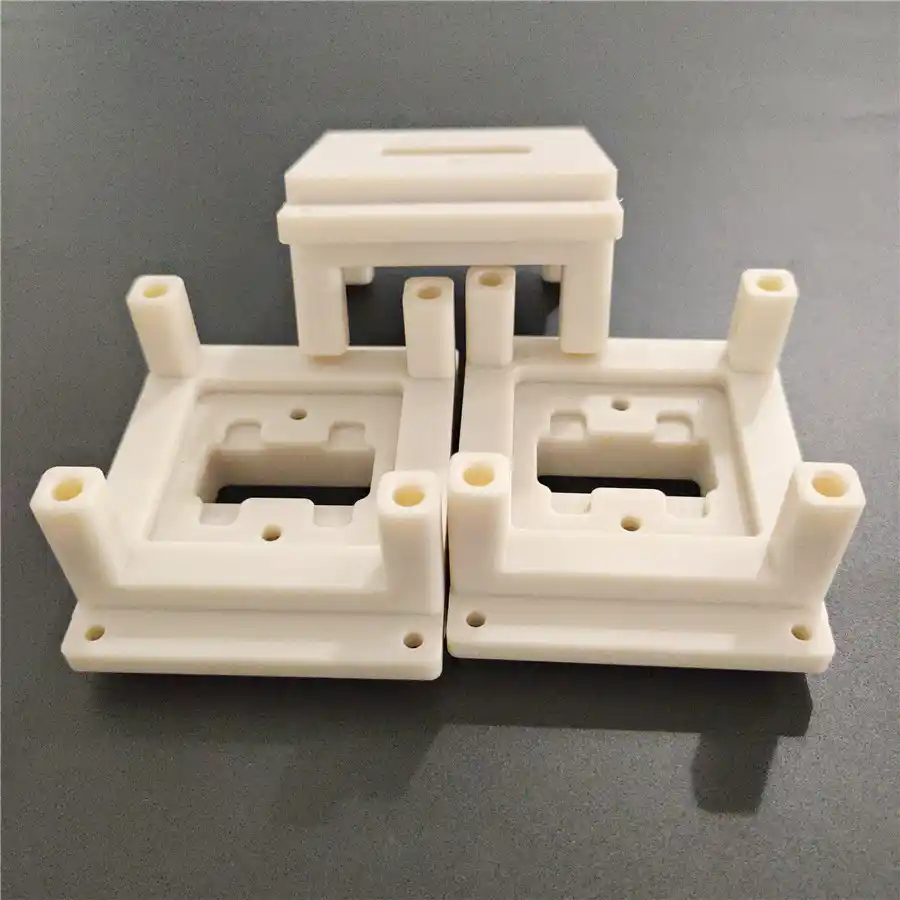
ABS CNC machining is a subtractive manufacturing process. It uses equipment such as CNC milling machines and lathes to cut solid ABS bars and sheets, directly shaping raw materials into target structures according to 3D drawings. The process does not require melting the material, and enables precise control of dimensional tolerances. Conventional machining accuracy can reach ±0.02mm, with higher tolerance grades achievable for precision applications.

Compared with other processes, CNC machining requires no additional mold opening, featuring low startup cost and short delivery cycle for prototyping and small-batch production. With stable mechanical properties of finished parts, it is the preferred machining solution for high-precision ABS parts and customized structural components.

1.2 Injection Molding

ABS injection molding is the mainstream process for mass production. It works by heating and melting ABS raw material, injecting it into the cavity of a custom mold under high pressure, and demolding the finished part after cooling and shaping. This process can form parts with complex structures in one shot, delivering extremely high efficiency in mass production, and the unit part cost drops significantly as production volume increases.

However, injection molding requires upfront development of dedicated molds with high initial investment. It is generally only suitable for mass production runs of 10,000 pieces or more, and not recommended for small-batch prototyping or product iteration stages.

1.3 3D Printing (Additive Manufacturing)

ABS 3D printing uses ABS filament or powder as raw material, building parts layer by layer based on 3D model data as a mold-free manufacturing process. It imposes almost no limits on part structural complexity, and can produce hollow, porous and complex curved structures that are difficult to achieve with traditional cutting processes. No tooling or fixture preparation is required, enabling fast prototyping.

That said, 3D printed ABS parts have limited dimensional accuracy, generally only meeting conventional assembly requirements and falling short of the precision level of CNC machining. After printing, multiple post-processing steps such as support removal, sanding and polishing are required. The surface finish of finished parts is inferior to CNC machined parts, making it more suitable for prototyping scenarios such as appearance verification and structural trial assembly.

1.4 Rapid Prototyping

ABS rapid prototyping focuses on short lead times and fast delivery, primarily serving the product R&D stage. By adopting the optimal machining process, ABS samples can be produced within days, helping design and R&D teams quickly verify structural rationality, assembly fit and basic functionality of parts, greatly shortening product iteration cycles and reducing R&D trial-and-error costs.

2. Key Operational Precautions for ABS Machining

While ABS machining has a relatively low entry threshold, finished part quality is highly sensitive to process details. Heat buildup, ambient humidity and tool condition all directly impact the appearance and dimensional accuracy of parts. To achieve stable, high-quality machining results, the following six aspects must be strictly controlled:

2.1 Control Cutting Heat and Prevent Deformation Defects

ABS material has poor thermal conductivity, so heat generated during cutting tends to accumulate locally. Excessively high cutting speed or feed rate can cause local softening, melting, and even edge chipping or warping deformation of the material.

In practice, sharp plastic-specific cutting tools should be used with properly matched cutting parameters, and coolant can be applied for auxiliary heat dissipation when necessary. For deformation-prone structures such as thin walls, hollows and porous features, internal stress of raw materials should be relieved before machining, and a rational support scheme should be designed to reduce deformation risk during processing.

2.2 Ensure Cleanliness of Raw Materials and Equipment

Clean raw materials and processing environments are the foundation of stable production. Dust or impurities on the surface of ABS raw materials will cause appearance defects such as pits and color differences on finished parts. Residual old material debris on equipment barrels, tools and fixtures will also cause cross-contamination of newly machined parts.

Therefore, it is necessary to confirm that raw materials have clean surfaces free of impurities before machining. Meanwhile, processing equipment, molds and tools should be cleaned and maintained regularly to prevent contaminants from affecting finished product yield.

2.3 Maintain Stable Temperature and Humidity in Processing Environment

Many practitioners overlook the impact of environmental conditions on ABS machining quality. In fact, ABS is more sensitive to humidity and temperature than most common plastics: high ambient humidity causes raw materials to absorb moisture from the air, which vaporizes under heat during machining, leading to internal bubbles and rough, dull part surfaces. Low ambient temperature significantly increases the brittleness of ABS material, making it more prone to cracking and corner chipping during cutting.

It is recommended to perform ABS machining in a constant-temperature, dry workshop. Stable temperature and humidity in the production environment can greatly improve quality consistency of batch products.

2.4 Select Suitable Special Cutting Tools

Tool selection and condition directly determine cut surface quality and edge integrity of ABS parts. Sharp plastic-specific tools produce cleaner cut surfaces and effectively reduce the chance of burrs and material melting adhesion. Proper tool geometry also reduces cutting resistance and cuts down heat generation during machining.

During production, tool wear should be inspected regularly and blunt tools replaced in a timely manner to avoid batch quality issues caused by degraded tool condition.

2.5 Surface Protection During Handling and Storage

ABS parts have moderate surface hardness, and improper handling or storage can easily cause appearance damage such as scratches, dents and stains. For parts with high appearance surface requirements, protective film or bags should be applied promptly after machining. Parts should be protected from collision and friction during transfer, and storage workbenches should be kept clean and free of sharp debris to preserve finished appearance quality to the maximum extent.

2.6 Implement Daily Inspection and Equipment Maintenance

Stable operation of processing equipment is the prerequisite for consistent ABS part quality. In daily production, machine accuracy should be calibrated regularly, and fixture locking status and tool wear checked. Combined with visual sampling during production, issues such as parameter deviation and equipment abnormality can be detected early, avoiding batch scrap risks and reducing production cost losses.

3. Advantages and Limitations of ABS CNC Machining

The core reason ABS has become the most widely used general-purpose plastic in CNC machining is its excellent balance of performance and cost. However, it is not suitable for all scenarios, and its advantages and boundaries should be clearly understood before material selection.

3.1 核心优势

  • Outstanding cost performance: For parts of identical structure, ABS raw material costs much less than metals such as aluminum alloy and stainless steel. With a density only about 1/7 that of metal, finished ABS parts are significantly lighter, reducing both material procurement costs and subsequent transportation and assembly labor costs. It is a highly cost-effective option for lightweight components such as housings, cover plates and supports.
  • Excellent machinability: ABS has moderate hardness, low cutting resistance and causes far less tool wear than hard engineering plastics and metals, supporting higher machining efficiency and shorter production cycles. Under proper process parameters, ABS has low internal stress after machining, good dimensional stability and low risk of post-machining deformation. Additionally, raw materials can be pre-colored, eliminating the need for additional surface coloring after machining and further reducing process steps and total cost.
  • Comprehensive functional properties: ABS has excellent electrical insulation, good resistance to most acids, alkalis and common chemicals, and a wear-resistant, scratch-resistant surface that meets requirements for typical operating conditions. Certain food-grade ABS grades are FDA-compliant and can be safely used in indirect food contact scenarios. The material is also recyclable, aligning with green manufacturing trends.
  • High safety and wide applicability: Standard-compliant pure ABS material is non-toxic and non-irritating, releasing no harmful substances under normal processing and use conditions. It is widely used in consumer products such as children’s toys, refrigerator liners and computer peripherals, with safety performance validated by long-term market adoption.

3.2 Key Limitations

  • Poor weather resistance and low UV resistance: ABS molecular structure has low tolerance to ultraviolet radiation. Long-term outdoor use under direct sunlight causes photo-oxidative aging, leading to yellowing, material embrittlement, significantly reduced impact strength and shortened service life. For this reason, unmodified or uncoated ABS parts are generally not recommended for long-term outdoor exposure.
  • Strict requirements for processing environment: ABS machining is more sensitive to ambient temperature and humidity than many common plastics. Direct machining of moisture-absorbed raw materials in humid environments easily causes defects such as surface pitting and internal bubbles. Low temperatures increase material brittleness and raise the risk of cracking during machining. Achieving stable high-precision finished parts requires a constant temperature and humidity workshop, plus pre-drying of raw materials, which increases production thresholds and management costs to some extent.
  • High process control requirements and potential quality fluctuation: Finished quality of ABS machining is greatly affected by process parameters, especially in 3D printing and small-batch prototyping scenarios. Minor changes in temperature, feed rate or tool condition can cause variations in finished part quality. Achieving stable high-precision machining requires an experienced process team for parameter tuning and process control, leading to correspondingly higher labor and technical costs.

4. Six Major Application Fields of ABS Machined Parts

With balanced mechanical properties, excellent appearance performance and affordable cost, ABS machined parts have been adopted across a wide range of industries, with the following six fields being the most prominent:

4.1 Automotive Manufacturing

The automotive industry is one of the core application scenarios for ABS plastics. It is commonly used to produce interior and functional parts that require both lightweight design and premium appearance, such as instrument panel components, door trim panels, interior handles, seat belt buckles, bearing bushings and custom interior supports. Its excellent machinability accommodates various customized structural requirements of automakers while effectively reducing vehicle weight.

4.2 Medical Devices

ABS offers good chemical disinfection resistance and structural stability, and is widely used for non-implantable medical device components. Typical applications include medical device housings, instrument storage cases, equipment fasteners, nebulizer components and medical compressor parts, meeting medical industry requirements for cleanliness, structural strength and appearance quality.

4.3 Aerospace

In aerospace applications, ABS is mainly used for non-critical load-bearing interior parts and equipment supports, such as cabin trim panels, seat plastic components, equipment brackets, support blocks, rollers and other lightweight parts. It delivers basic structural performance while minimizing overall equipment weight, aligning with the core lightweight design requirements of the aerospace industry.

4.4 Home Appliances and Electrical Products

ABS features easy formability, high surface finish and scratch resistance, perfectly matching the appearance requirements of home appliance products. It is widely used for housings and structural parts of various household appliances, including air conditioner casings, fan plastic components, refrigerator liners, power socket housings, telephone casings and computer keyboard keys, making it the mainstream plastic material for civilian electrical products.

4.5 Consumer Electronics

Consumer electronic products generally pursue slim design and refined appearance. ABS’s light weight, dimensional stability and superior surface finish make it a common material for various electronic equipment housings, including portable digital device casings, accessory protective covers and internal equipment support frames, balancing both aesthetic performance and structural protection functions.

4.6 Industrial Equipment and Custom Parts

In industrial manufacturing scenarios, ABS is frequently used to process customized equipment components, such as equipment cover plates, sealing gaskets, equipment brackets, transmission rollers, equipment guards and low-load mechanical structural parts. It is especially suitable for prototype verification and small-batch customized production of industrial equipment, with fast delivery and controllable costs, effectively shortening the R&D and iteration cycle of industrial equipment.

5. Frequently Asked Questions About ABS Machining

5.1 What material is ABS? How long does it last under normal use?

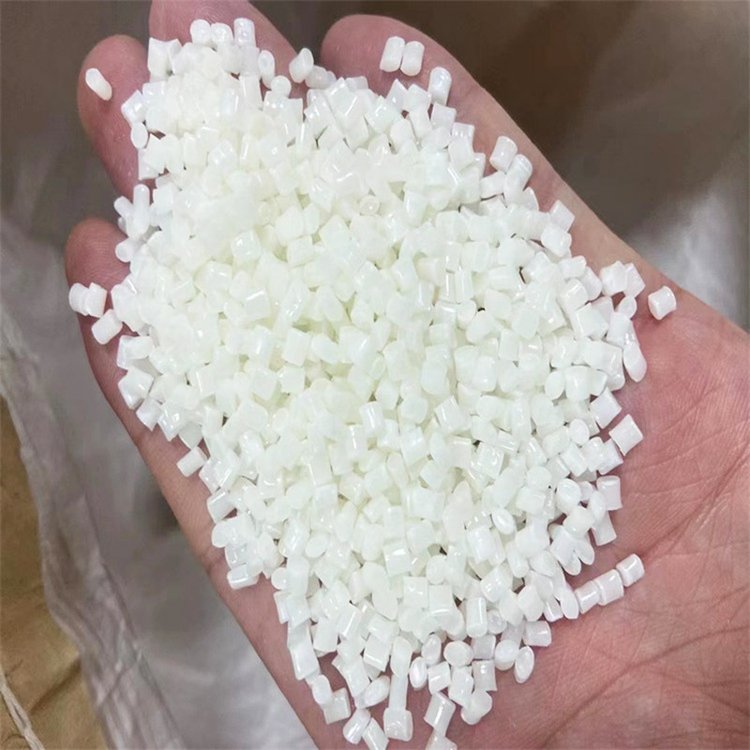
ABS is a thermoplastic engineering plastic copolymerized from acrylonitrile, butadiene and styrene. It combines the rigidity and chemical resistance of acrylonitrile, the toughness and impact resistance of butadiene, and the easy processability of styrene, making it one of the most widely used general engineering plastics.

Under normal indoor, room-temperature and dry conditions, ABS parts can be used stably for many years. However, long-term exposure to high temperature, high humidity or direct ultraviolet radiation will accelerate performance degradation and significantly shorten service life.

5.2 Is ABS material safe for humans? Is it toxic?

Pure ABS material meeting industry standards contains no toxic carcinogens and releases no harmful substances under conventional processing and daily use conditions, with reliable safety performance. Common daily products such as children’s toys, refrigerator liners and computer peripherals are all made of ABS, and its safety has been long-term validated by the market.

5.3 Will ABS plastic age and get damaged under long-term sun exposure?

The heat resistance of ABS only applies to conventional indoor temperature environments. Long-term exposure to sunlight and ultraviolet radiation causes photoaging reaction. Not only does the appearance gradually turn yellow and discolor, but the internal molecular structure of the material is also damaged by ultraviolet rays, leading to reduced toughness, brittle material, and even cracking and breakage in severe cases. For this reason, untreated ABS parts are not recommended for long-term outdoor use.

5.4 Why is drying treatment necessary for ABS materials before machining?

ABS raw material is hygroscopic and absorbs moisture from the air during storage. Machining without prior drying causes the moisture to vaporize instantly under high temperature during cutting or melting, forming bubbles inside parts, causing rough surfaces and pitting, and even leading to dimensional deformation, which greatly increases the rejection rate.

The industry standard drying practice is to hold ABS raw materials at 80-90℃ for 2-3 hours to fully remove moisture before machining, which effectively guarantees the appearance and dimensional quality of finished products.

6. Conclusion

With moderate cost, easy machinability, balanced performance and excellent appearance quality, ABS plastic is a highly cost-effective material option for custom plastic part manufacturing. It supports both rapid product prototype verification and small-to-medium batch functional part production. With proper material selection based on application scenarios and strict process control, ABS parts with stable dimensions and premium appearance can be reliably produced.

TiRapid has years of hands-on experience in precision ABS machining, offering full-cycle services from CNC milling and surface treatment to mass production. Our professional engineering team can customize optimal machining solutions based on part structural features and application requirements, ensuring consistent delivery quality and on-time lead times. Simply upload your CAD drawings to receive an accurate quotation and professional manufacturing technical support promptly.

联系我们

    您所在的行业 *

    上传 2D/3D 图纸

    上传文件,立即获得报价(请附上任何格式的二维 CAD 图纸和三维 CAD 模型,包括 STEP、IGES、DWG、PDF、STL、ZIP 等)。.

    最大文件大小:20MB

    项目详情(请包括:部件名称/数量/材料/颜色/表面处理)