





In nanometer-scale semiconductor manufacturing, equipment performance directly defines chip accuracy and production yield. Most industry conversations center on advanced control systems and process algorithms. In reality, the quality of small, high-precision internal components forms the foundation of reliable, long-term equipment operation.
Semiconductor production lines cover many critical steps, from wafer transfer and lithography alignment to thin film deposition and defect inspection. Every single step relies on sub-micron precision from internal parts. Low machining precision does not just slow down production. It also leads to expensive problems such as wafer waste and lower yield rates. As process nodes continue to shrink, requirements for core equipment components grow stricter every year. Consequently, precision machining has become an essential technology for high-end equipment manufacturing.
Three Core Performance Requirements for Semiconductor Equipment Components
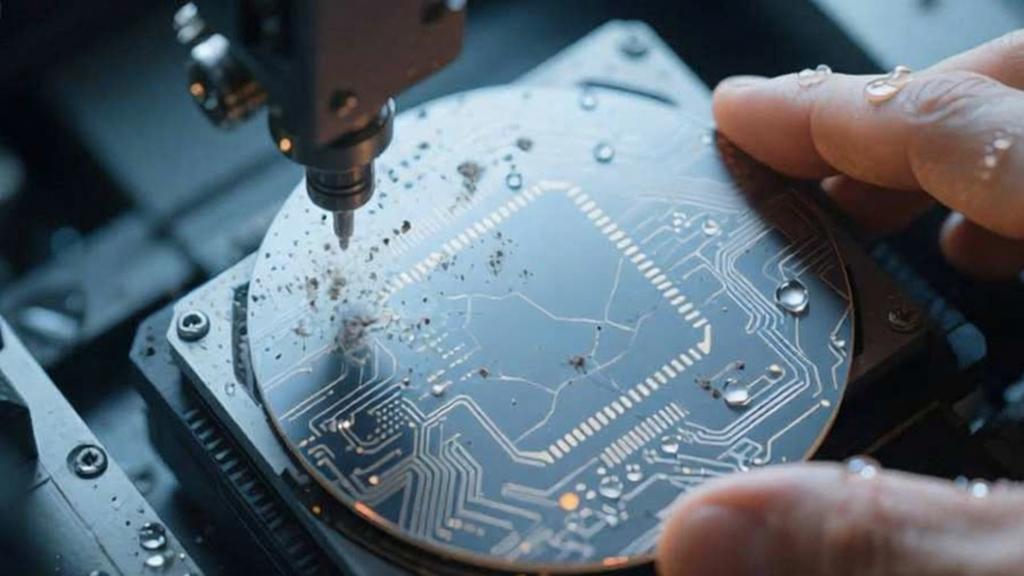
Semiconductor production equipment differs greatly from standard industrial machinery. It runs in far more specialized and demanding working environments. For this reason, requirements for parts go far beyond basic size accuracy. Specifically, core components must meet three key standards at the same time: stability, cleanliness, and compatibility.
1. Long-Term Stability for Continuous Operation
Modern wafer factories operate 24/7 with almost no planned stops. Even short periods of downtime cause huge financial losses. Therefore, internal equipment components need excellent fatigue resistance and dimensional stability:
- Reduce performance drift over long run times and cut the need for frequent calibration
- Lower wear caused by reciprocating motion and extend the service life of parts
- Adapt to continuous production and minimize unplanned downtime from part failures
For downstream buyers, long-term component reliability often matters more than upfront cost. In fact, mature precision machining processes can ensure consistent performance across the full product life cycle. They achieve this by optimizing stress relief, surface treatment, and other key production steps.
2. Compatibility with Ultra-Clean Environments
Semiconductor manufacturing takes place in Class 100 or even Class 10 cleanrooms. Even tiny particle pollution can cause expensive chip defects. For this reason, equipment parts must follow strict cleanliness standards. Importantly, they cannot become a source of pollution for the production line:
- Control surface roughness and texture to reduce particle adsorption and residue risks
- Remove burrs, microcracks, and other surface defects to avoid debris during operation
- Choose application-matched materials for vacuum, corrosive gas, and other special conditions
- Customize machining workflows to support downstream cleaning and passivation processes
This creates a key difference between semiconductor machining and standard mechanical work. To begin with, size precision is only the basic entry requirement. More importantly, environmental compatibility is the true measure of whether a part is fit for use.
3. Assembly Compatibility for Multi-Part Collaboration
Semiconductor equipment is a highly integrated precision system. It can include hundreds or even thousands of separate parts. The fitting accuracy of these parts directly affects overall machine performance. High-precision machining brings three key benefits in this area:
- Ensure accurate geometric tolerance of part placement to reduce assembly deviation
- Cut on-site debugging and fitting work to shorten equipment assembly cycles
- Improve overall structural precision for smoother, more stable equipment operation
Over time, the precision of each individual part builds up. In the end, it sets the maximum performance level of the whole machine through the assembly process.
Key Technical Challenges in Semiconductor Precision Component Machining
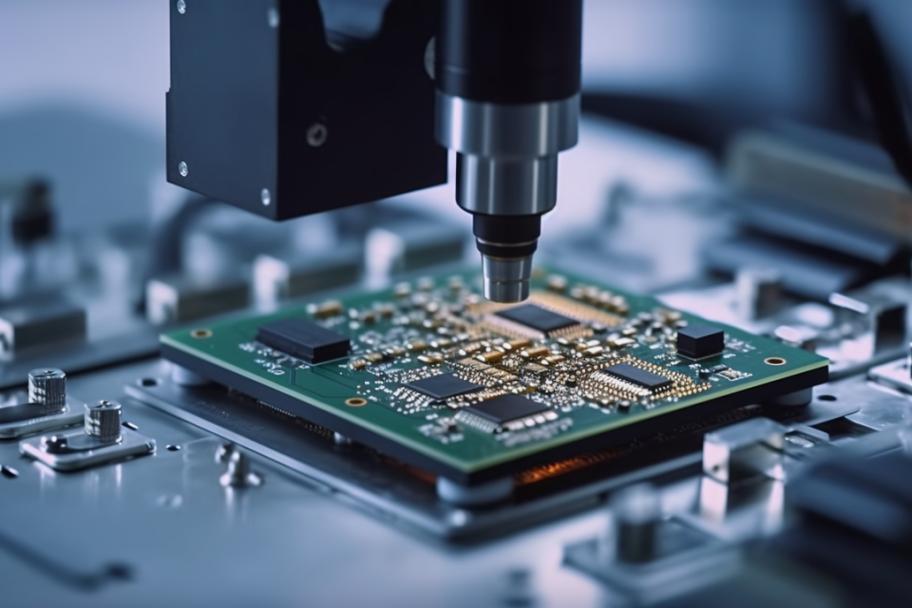
Many people think semiconductor component machining is difficult only because parts are small and tolerances are tight. In reality, three factors combine to create major technical barriers: material properties, structural complexity, and process control. Plenty of parts look simple on technical drawings. Yet they need fully customized process flows to achieve mass production. This is why standard machining workshops find it hard to enter this field.
1. Machining Barriers of Special Engineering Materials
Semiconductor equipment must handle tough conditions such as vacuum, high heat, and corrosive environments. As a result, it depends heavily on high-performance materials. Common examples include aluminum alloys, stainless steel, engineering ceramics, and specialty plastics. While these materials improve equipment performance, they also make machining much more challenging:
- High-hardness materials speed up tool wear and hurt long-term precision consistency
- Low-rigidity materials deform easily and require careful control of residual stress
- Different materials have unique cutting traits that rule out generic parameter sets
Experienced precision machining providers build specialized process libraries for each material type. Furthermore, they systematically optimize tool selection, cutting parameters, and cooling methods. In this way, they balance high machining efficiency with consistent finished part quality.
2. Forming Challenges of Complex Microstructures
Semiconductor equipment performance keeps improving year after year. At the same time, component integration levels continue to rise. Complex features such as precision micro holes, shaped flow channels, and multi-step mating surfaces are now common. These features put much higher demands on machining capability:
- Require careful process sequencing to avoid cumulative tolerance errors across steps
- Micro-scale features demand higher machine resolution and tighter process control
- Multi-step machining needs fewer clamping cycles to cut repeated positioning errors
Machining these parts relies heavily on real-world process experience. With careful process planning, manufacturers can reduce defect rates greatly. On top of that, they can avoid expensive repeated changes during full production runs.
3. Full-Process Precision Control Requirements
Quality control for semiconductor components does not stop at final inspection. Instead, it applies to every step of the entire production process. An error in any single step can make final parts fall outside precision tolerance:
- Require regular management and calibration of tool wear and machine tool status
- Adjust machining parameters dynamically based on material batches and environment
- Build inter-process inspection checks to verify precision at key production nodes
In short, detailed end-to-end process control is essential. It is the only way to produce stable, high-quality high-precision components for semiconductor equipment in batches.
How Precision Machining Empowers Semiconductor Equipment Advancement
Chip process nodes keep shrinking toward more advanced levels. In turn, semiconductor equipment becomes more complex and requires tighter precision. Traditional mechanical machining now faces clear and growing limitations. Luckily, modern precision machining combines CNC technology with process innovation. It has become a core driver for breaking manufacturing limits and driving equipment progress.
1. Unlocking Design Freedom for Complex Structures
Many core parts in modern semiconductor equipment use creative structural designs. These designs improve fluid flow, motion accuracy, or thermal stability. Precision machining turns these designs into real, producible parts. For example, it supports complex curved surfaces, shaped inner cavities, and micro-scale features. In doing so, it frees engineers from old manufacturing limits and drives steady equipment improvement.
2. Shortening Equipment R&D and Iteration Cycles
The semiconductor industry moves quickly, with fast technology iteration cycles. For this reason, equipment makers must launch and test new solutions at high speed. High-precision machining supports this pace in several ways. First, it delivers prototype parts within short timeframes. Second, it supports performance testing and design adjustments during R&D. Third, it scales smoothly from small trial runs to full mass production. All of these benefits help new equipment move from R&D to commercial launch much faster.
3. Balancing Mass Production Quality and Delivery Efficiency
For semiconductor equipment makers, component delivery speed matters just as much as quality stability. A mature precision machining system meets both goals at the same time. It cuts unnecessary steps through process optimization. Additionally, it ensures consistent quality across batches through standardized controls. As a result, companies can increase production efficiency without losing precision. They can also move from R&D to full-scale production more smoothly.
Component Manufacturing Capability as a Core Competitive Advantage
The global semiconductor industry keeps advancing and upgrading every year. In this environment, competition in the equipment market has gone far beyond single-technology comparisons. Today, it is a full test of supply chain and manufacturing capabilities. For equipment makers, precision machining of core components is now a key way to build long-term competitive advantage.
1. Enabling R&D and Commercialization of Advanced Process Equipment
Next-generation semiconductor equipment will move toward even higher precision and integration. This will create unprecedented demands for tighter tolerances, better material performance, and more complex part structures. Strong component manufacturing capability gives equipment makers a clear advantage. For instance, it lets them turn cutting-edge designs into mass-producible products faster. In turn, they gain a first-mover advantage in the advanced process equipment market.
2. Reducing Long-Term Operation and Maintenance Costs
High-precision, high-reliability components do more than improve initial equipment performance. They also directly affect long-term production line operating costs. For one thing, high-quality parts need less frequent replacement. For another, they lower the labor and time costs of regular maintenance. Finally, they increase overall equipment utilization rates. All of these benefits create significant long-term value for wafer manufacturing companies.
3. Driving Overall Upgrading of the Semiconductor Manufacturing Industry
Progress in the semiconductor industry depends fully on advances in equipment capability. In turn, equipment capability is limited by basic manufacturing technology. As precision machining technology improves, it boosts the overall competitiveness of semiconductor equipment. Furthermore, it supports the adoption of more advanced process technologies. Ultimately, it drives the sustainable growth of the entire semiconductor industry.
Conclusion
The demand for high-precision components in semiconductor equipment is not random. It reflects the extreme requirements of advanced manufacturing for precision, stability, and cleanliness. These requirements pass directly down the supply chain to every component manufacturer. From material selection and structure forming to end-to-end process control, precision machining forms the core foundation. It ensures component performance and enables steady equipment upgrading.
PartsMastery is a specialized provider of precision machining services. We focus on custom core component solutions for the semiconductor equipment industry. With a proven process system and strict quality controls, we help customers achieve stable mass production of high-precision, high-reliability components.