








Double injection mold
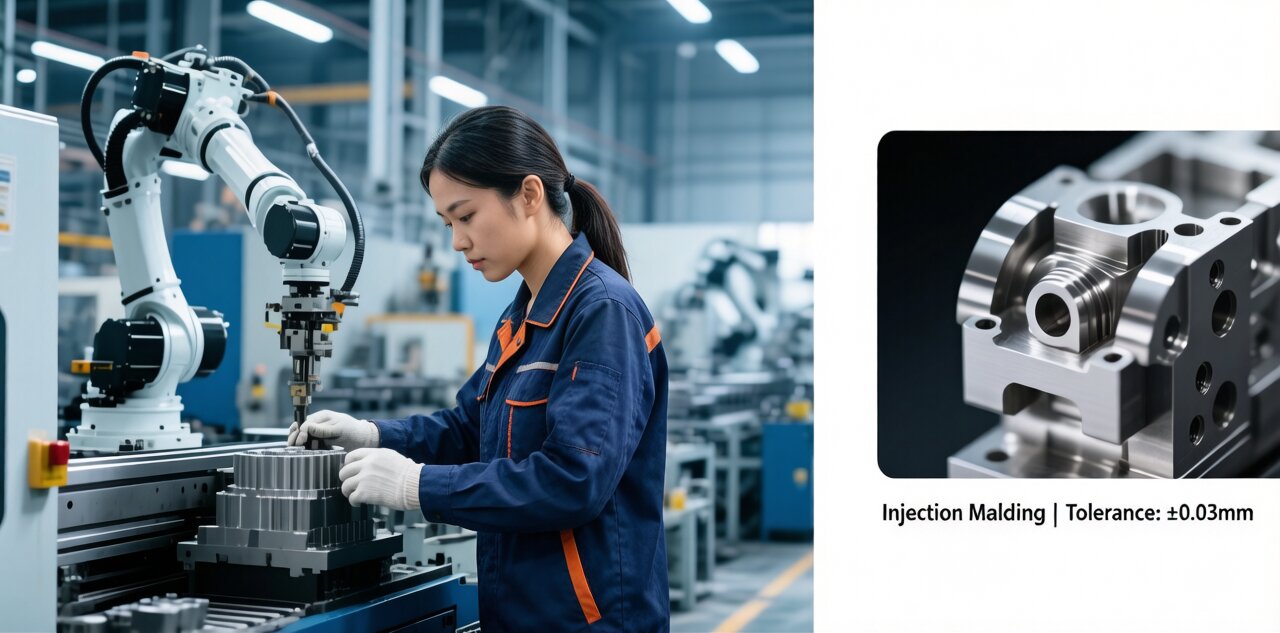
In the landscape of modern manufacturing, the demand for products that are not only functional but also aesthetically superior and ergonomically refined has never been higher. Consumers expect seamless designs, soft-touch surfaces, multi-color finishes, and complex geometries that single-material molding often cannot achieve. This is where the double injection mold—also known as two-shot or multi-component injection molding—emerges as a transformative technology. By combining two different materials or colors in a single, automated process, double injection molding eliminates secondary assembly operations while delivering products with enhanced performance, durability, and visual appeal. At PartsMastery, we specialize in the design and fabrication of precision double injection molds, helping manufacturers unlock new levels of design freedom and production efficiency.
Understanding Double Injection Molding
Double injection molding is a specialized process in which two different materials—typically a rigid substrate combined with a soft elastomer, or two distinct colors—are sequentially injected into a single mold to form a unified component. The process is carried out on specialized injection molding machines equipped with two injection units and a rotating or sliding platen that transfers the first-shot component to the second cavity.
There are several methods for achieving double injection molding. The most common is the rotary platen approach, where the mold consists of two halves: one for the first shot and one for the second. After the first material is injected and partially cooled, the mold opens, and the core side rotates 180 degrees, positioning the pre-molded component in front of the second injection unit. The second material is then injected over or around the first, creating a permanently bonded, multi-material part. This cycle repeats with each rotation, making the process highly efficient and fully automated.
Advantages of Double Injection Molds
The benefits of double injection molding extend far beyond simple material combination. One of the most significant advantages is the elimination of secondary assembly. Traditional manufacturing methods often involve molding separate components and then bonding them through adhesives, ultrasonic welding, or mechanical fasteners. These secondary processes add labor costs, increase production time, and introduce potential points of failure. Double injection molding integrates the materials at the molecular level during the molding cycle, resulting in a permanent chemical or mechanical bond that cannot separate.
Design flexibility is another compelling advantage. Double injection molds allow engineers to combine rigid and flexible materials in a single part, enabling features such as soft-grip handles, waterproof seals, strain relief for cables, and integrated gaskets. This capability is particularly valuable in consumer electronics, medical devices, automotive interiors, and power tools, where ergonomics and environmental sealing are critical.
From a production standpoint, double injection molding reduces cycle times and improves consistency. Because the entire process is automated within a single machine and mold, there is no need for manual handling between operations. This reduces the risk of contamination, misalignment, or dimensional variation. The result is higher throughput, lower labor costs, and superior part-to-part repeatability.
Applications Across Industries
The versatility of double injection molding has made it a cornerstone technology across a wide range of industries.
In the automotive sector, double injection molds are used to produce components such as soft-touch dashboard panels, door handles with integrated seals, multi-color emblems, and overmolded buttons. These parts must withstand harsh environmental conditions, UV exposure, and mechanical wear while maintaining a premium aesthetic. Double injection molding delivers the durability and design sophistication that modern automotive interiors demand.
The medical industry benefits from double injection technology in applications such as surgical instrument handles, syringe plungers, and medical device housings. The ability to combine a rigid structural material with a soft, tactile overmold improves user comfort and control—essential factors in surgical and diagnostic settings. Additionally, double injection molding allows for the creation of fluid-tight seals and integrated gaskets, reducing the need for separate sealing components that could compromise sterility.
Consumer products and power tools represent another major application area. Products such as electric drills, kitchen appliances, and personal care devices often feature overmolded grips that provide vibration damping and improved ergonomics. The seamless integration of multiple materials also enables distinctive color combinations and branding opportunities that enhance product differentiation on retail shelves.
In the electronics industry, double injection molding is used to produce waterproof connectors, wearable device housings, and sealed enclosures. The process ensures that sensitive electronic components are protected from moisture and dust while maintaining a compact, lightweight design.
Design Considerations and Engineering Complexity
Designing a double injection mold requires a level of engineering sophistication beyond that of conventional molds. One of the critical considerations is material compatibility. The two materials used must bond effectively during the overmolding process. This bond can be chemical—where the second material forms a molecular bond with the first—or mechanical, achieved through undercuts, holes, or surface textures that lock the materials together. Common material combinations include rigid polycarbonate overmolded with thermoplastic elastomer (TPE), ABS with silicone, or nylon with rubber. Selecting the right combination requires a deep understanding of polymer chemistry, shrinkage rates, and processing temperatures.
Shrinkage control is another key challenge. Each material contracts at a different rate during cooling, which can lead to warpage, dimensional instability, or delamination if not properly accounted for. Mold designers must carefully analyze the interaction between the two materials and incorporate design features such as optimized wall thicknesses, strategic gate locations, and uniform cooling channels to mitigate these effects.
The mold itself is significantly more complex than a standard tool. It must accommodate two separate injection units, a rotating or sliding core mechanism, and precise alignment features to ensure that the second shot is accurately placed over the first. Tolerances are typically measured in microns, and any misalignment can result in flash, short shots, or cosmetic defects. Advanced mold flow simulation is essential to predict filling patterns, weld line locations, and potential air traps before steel is cut.
Process Optimization and Equipment
Successful double injection molding depends on more than just the mold; the entire manufacturing system must be optimized. Two-shot molding machines are designed with two parallel or perpendicular injection units that operate in sequence. The machine must have precise control over shot volumes, injection pressures, and timing to ensure consistent results. In many cases, robots and automation systems are integrated to handle part ejection and downstream operations.
Cycle time optimization is a critical factor in achieving cost-effectiveness. While double injection molds require a longer cycle than single-shot tools due to the sequential injection process, the elimination of secondary assembly often results in overall cost savings. Additionally, advances in hot runner technology and conformal cooling have enabled shorter cycle times and improved part quality.
Maintenance and Tool Longevity
Double injection molds are among the most sophisticated and expensive tools in any manufacturing operation. They contain moving components such as rotating cores, slides, and complex ejection systems that require regular maintenance to ensure reliable operation. Preventive maintenance programs should include inspection of wear surfaces, lubrication of moving parts, and verification of alignment between the two mold halves. At PartsMastery, we build our double injection molds with high-grade tool steels and precision components to maximize durability and minimize downtime. We also provide comprehensive maintenance support to help our customers protect their investment.
Conclusion
Double injection molding represents a significant advancement in the pursuit of efficiency, quality, and design innovation. By combining two materials in a single automated process, manufacturers can produce parts with enhanced functionality, superior aesthetics, and improved durability—all while reducing assembly costs and production time. Whether the application is automotive interiors requiring soft-touch surfaces, medical devices demanding ergonomic precision, or consumer electronics needing waterproof seals, double injection molds offer a solution that traditional single-material processes cannot match.
Em PartsMastery, we bring decades of experience in double injection mold design and fabrication. Our team works closely with clients to understand their material requirements, production goals, and quality standards, delivering custom-engineered tools that perform reliably over millions of cycles. If you are looking to elevate your product designs and streamline your manufacturing process, we invite you to explore how our expertise can support your next project.
Contact PartsMastery today:
Phone: +86 13530838604 (WeChat)
Email: shms0001@126.com
Website: www.partsmastery.com