






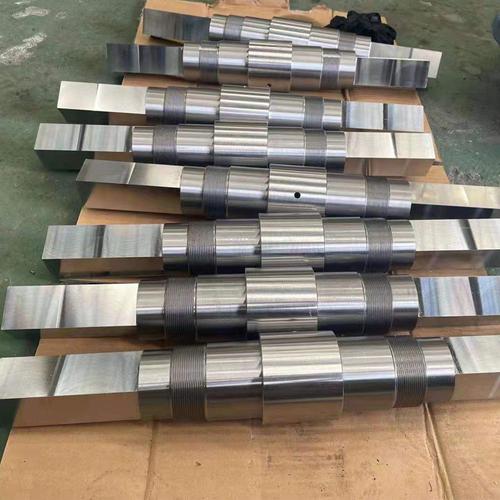
O torneamento em degraus é um dos processos de conformação mais utilizados no torneamento CNC. Mais especificamente, permite criar peças rotativas com vários diâmetros diferentes ao longo de um único eixo central. À medida que a fresa se desloca ao longo do eixo num percurso controlado, forma um perfil em degraus com ombros limpos e bem definidos. Ao completar todas as características do diâmetro exterior numa única configuração, elimina os erros de concentricidade causados pela repetida fixação. Por este motivo, constitui um método de maquinagem fundamental para eixos de precisão, mangas e componentes cilíndricos semelhantes.
Em comparação com o torneamento reto padrão, o torneamento em degraus exige um controlo mais rigoroso dos percursos da ferramenta, do posicionamento dos ombros e da precisão dimensional. Graças aos modernos sistemas CNC, proporciona também resultados altamente repetíveis para a produção em série. Este guia detalha os princípios de funcionamento, o fluxo de processo padrão, as opções de ferramentas, as aplicações práticas e as regras de controlo de qualidade do torneamento escalonado. Oferece ainda uma referência prática para as equipas de maquinagem durante o planeamento do processo e a seleção de materiais.
1. Torneamento por passos: definição e princípios fundamentais
1.1 Definição básica
O torneamento escalonado pertence à família do torneamento cilíndrico externo. Num torno padrão, esta técnica corta uma peça em rotação em secções separadas para produzir dois ou mais diâmetros ao longo da mesma linha central. Cada mudança de diâmetro cria um ressalto plano perpendicular ao eixo, o que confere à peça a sua forma escalonada característica.
A maior vantagem deste processo é a maquinagem de múltiplas características numa única configuração. Uma vez que todas as secções de diâmetro partilham o mesmo centro de rotação, mantêm-se naturalmente perfeitamente alinhadas. Este elevado nível de alinhamento torna o processo ideal para peças de transmissão de potência com requisitos de tolerância rigorosos.
1.2 Mecanismo de funcionamento
No início de cada ciclo, a peça gira juntamente com o fuso do torno. Simultaneamente, a ferramenta de corte desloca-se longitudinalmente, paralelamente ao eixo da peça. Os operadores controlam a profundidade de cada corte radial para atingir os diâmetros-alvo exatos.
Assim que uma secção de diâmetro estiver concluída, a ferramenta recua e desliza para a posição seguinte. Repete o movimento de corte até que todas as secções escalonadas fiquem definidas.
Na maioria dos ambientes de produção, o processo decorre em duas fases distintas. Em primeiro lugar, o torneamento de desbaste remove rapidamente o excesso de material com cortes profundos e deixa uma margem de 0,2–0,5 mm para o acabamento. O torneamento de acabamento, por outro lado, utiliza velocidades de fuso mais elevadas e taxas de avanço mais reduzidas. Esta passagem final garante tolerâncias de diâmetro rigorosas, arestas de ombro bem definidas e um acabamento superficial suave.
 2. Fluxo do processo padrão de torneamento por etapas
Um fluxo de trabalho padronizado garante a consistência da qualidade dimensional e a estabilidade da eficiência da produção. O processo completo segue cinco etapas claras:
- Fixação e alinhamento da peça de trabalho: Em primeiro lugar, fixe a barra num mandril de três garras ou num mandril de pinça. Em seguida, alinhe a peça de forma a minimizar o desvio radial. No caso de eixos longos, utilize um apoio no contraponto para evitar vibrações durante o corte.
- Programação e pré-ajuste de ferramentas: Elabore o programa CNC com base no desenho da peça. Defina cada diâmetro, comprimento do ressalto e conjunto de parâmetros de corte. Em seguida, monte as ferramentas de desbaste e de acabamento e defina os valores de desvio das ferramentas.
- Torneamento de desbaste: Remova o material camada a camada, utilizando velocidades de avanço e profundidades de corte mais elevadas. Dê rapidamente forma ao perfil escalonado básico, equilibrando a velocidade de corte e a vida útil da ferramenta.
- Acabamento por torneamento para obter precisão: Mude para ferramentas de acabamento ou ajuste os parâmetros em conformidade. Conclua todos os diâmetros e ressaltos numa única passagem contínua para controlar a tolerância e a rugosidade da superfície.
- Inspeção e correção dimensional: Pouse a máquina para verificar cada diâmetro exterior, comprimento de passo e valor de alinhamento. Ajuste os deslocamentos da ferramenta para corrigir quaisquer valores fora de tolerância. Por fim, avance para a produção em série assim que a primeira peça for aprovada na inspeção.
3. Ferramentas para operações de torneamento por passos
A qualidade final da peça depende em grande medida da escolha da ferramenta adequada. Com base na função, existem quatro tipos principais de ferramentas que apoiam o processo:
3.1 Ferramentas de torneamento exterior
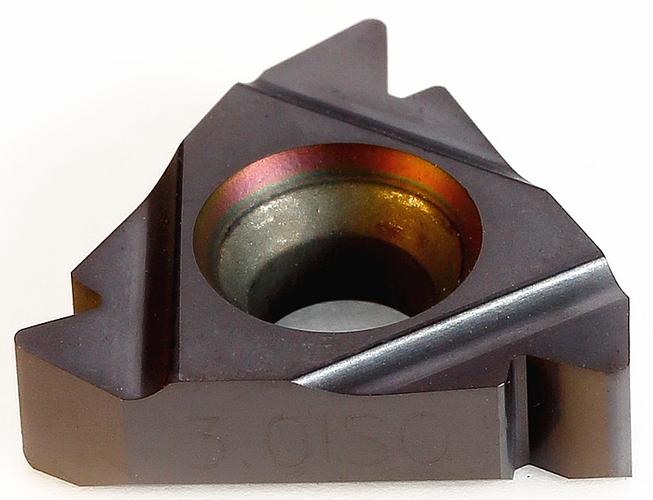
As ferramentas de torneamento externas constituem a base do torneamento por etapas. Estão disponíveis em versões de desbaste e de acabamento, para diferentes fases de produção. As ferramentas de desbaste utilizam pastilhas de metal duro mais resistentes para lidar com cortes profundos e taxas de avanço elevadas. As ferramentas de acabamento, por outro lado, utilizam pastilhas com raios de ponta reduzidos para obter cantos de ombro bem definidos e um acabamento superficial suave.
3.2 Ferramentas de ranhura e conformação
Quando os ombros necessitam de ranhuras de alívio na base, contra-cortes ou cantos internos acentuados, os operadores de máquinas costumam incluir ferramentas de ranhuramento na configuração. De facto, para séries de grande volume, as ferramentas de conformação personalizadas podem cortar degraus e ranhuras numa única passagem. Consequentemente, esta abordagem melhora tanto a velocidade de produção como a consistência das características.
3.3 Sistemas de ferramentas CNC
A maioria dos tornos CNC modernos utiliza pastilhas indexáveis e porta-ferramentas de troca rápida. Em combinação com a compensação automática da ferramenta, estes sistemas permitem trocas rápidas de ferramentas e ajustes de dimensões em tempo real. Consequentemente, o tempo de configuração diminui significativamente e o processo adapta-se facilmente aos horários de produção em lote.
3.4 Ferramentas de inspeção dimensional
Durante a maquinagem, os operadores utilizam micrómetros externos, paquímetros e medidores de profundidade para verificar cada diâmetro e comprimento de degrau. No caso de peças de alta precisão, além disso, os indicadores de quadrante verificam a concentricidade e o desvio da face, de modo a cumprir todas as normas de tolerância geométrica.
4. Principais aplicações industriais do torneamento por passos
O torneamento por passos é adequado para praticamente qualquer peça rotativa que necessite de vários diâmetros coaxiais. As aplicações comuns na prática dividem-se em quatro categorias principais:
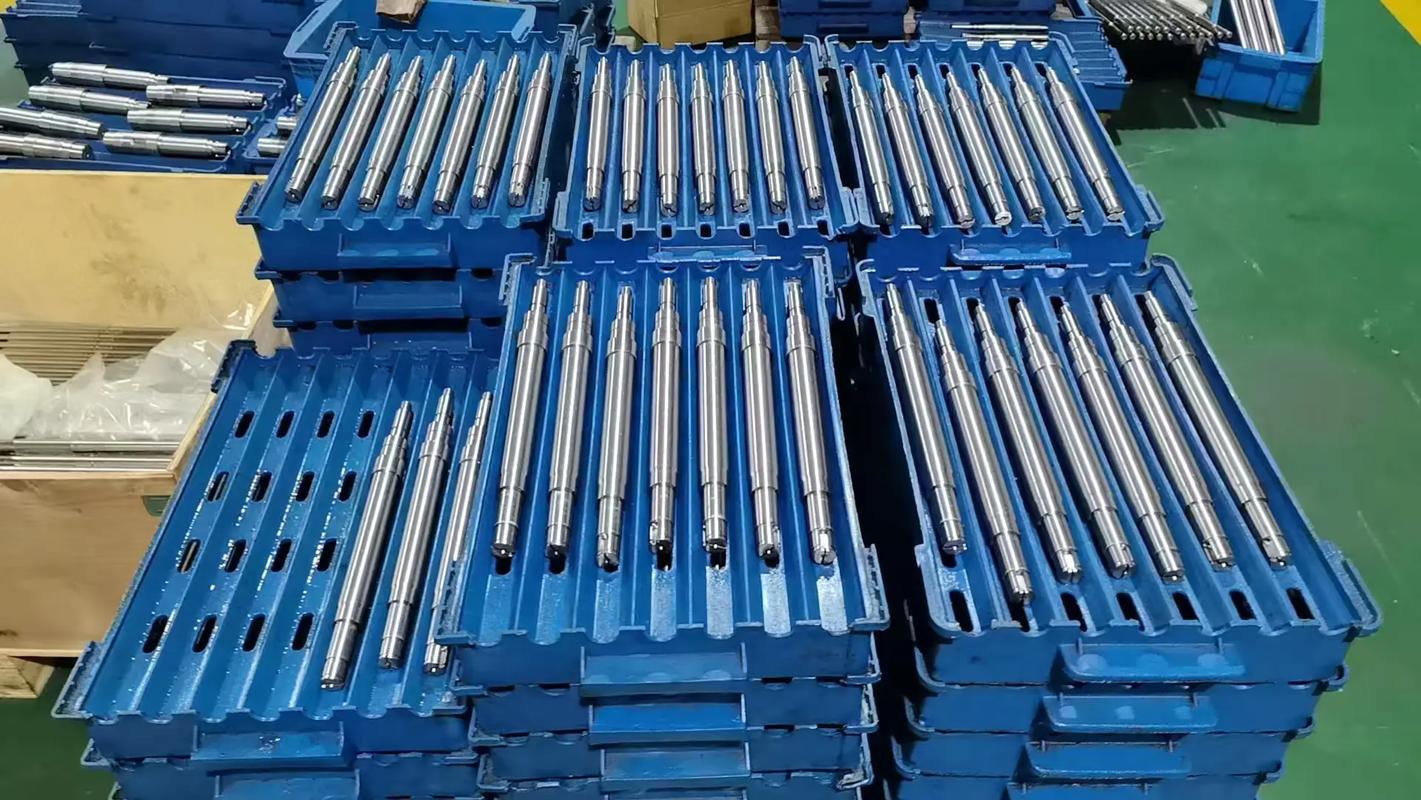
- Eixos de transmissão de potência: Eixos de motor, eixos de transmissão, eixos de engrenagens e muito mais. Em cada secção de diâmetro são montados rolamentos, engrenagens, acoplamentos ou vedantes. Sem dúvida, este é o caso de utilização mais comum do torneamento escalonado.
- Caixas de rolamentos e peças de fixação: Mangas de rolamento escalonadas e assentos de fixação. A face do ressalto mantém os rolamentos numa posição axial precisa. Estas peças exigem um controlo muito rigoroso do desvio do ressalto e da tolerância do diâmetro.
- Buchas e componentes de manga: Buchas de flange, espaçadores e mangas-guia. A forma escalonada controla a posição de montagem e a largura da folga. São amplamente utilizados em moldes, sistemas hidráulicos e equipamentos de automação.
- Peças mecânicas de precisão personalizadas: Carretéis de válvulas, acessórios, elementos de fixação e outros componentes não normalizados. O design escalonado combina as funções de instalação, vedação e ligação numa única peça.
5. Vantagens, limitações e limites de aplicação
5.1 Vantagens dos processos essenciais
- Elevada precisão geométrica: O facto de todas as características serem maquinadas numa única configuração garante, naturalmente, a concentricidade. Isto elimina os erros de posicionamento causados por múltiplas operações de fixação.
- Maior rendimento de produção: O corte contínuo em secções de vários diâmetros reduz o tempo de transição entre processos. O ganho de eficiência torna-se ainda maior na produção em lotes.
- Versátil para diferentes tarefas: As alterações na programação podem adaptar-se a qualquer número de etapas e dimensões. O processo funciona igualmente bem tanto para trabalhos personalizados de baixo volume como para séries de produção de grande volume.
- Custo controlável: Os tornos padrão e as ferramentas comuns disponíveis no mercado são suficientes para realizar o trabalho. Não é necessário qualquer equipamento especializado, pelo que o processo apresenta uma excelente relação custo-benefício.
5.2 Limitações da aplicação
Mesmo com estas vantagens, o torneamento por etapas tem limites de aplicação evidentes.
- Grandes diferenças entre diâmetros adjacentes geram um elevado desperdício de material quando se procede ao corte a partir de barras maciças. Nestes casos, as peças em bruto forjadas ou fundidas com forma quase final são uma opção mais económica.
- O processo apenas processa perfis escalonados axisimétricos. No caso de superfícies curvas complexas ou secções transversais irregulares, as equipas recorrem, em vez disso, a operações de torneamento ou fresagem de perfis.
- A qualidade final depende em grande medida da rigidez da máquina e da estabilidade da fixação. As peças com relações comprimento/diâmetro muito elevadas apresentam um risco maior de vibração e de deflexão da ferramenta.
6. Comparação com outros processos de torneamento
O torneamento por passos é apenas um dos ramos da tecnologia de torneamento. A tabela abaixo apresenta uma comparação com outros métodos comuns de torneamento:
| Tipo de processo | Função principal | Perfil moldado | Aplicação típica |
|---|---|---|---|
| Torneamento por passos | Maquinação segmentada com vários diâmetros num único eixo | Cilindro escalonado com ressaltos verticais | Eixos escalonados, buchas, caixas de rolamentos |
| Torneamento em linha reta | Maquinação cilíndrica de diâmetro único | Superfície cilíndrica uniforme | Eixos lisos, barras de material em bruto, peças cilíndricas simples |
| Torneamento cónico | Maquinação com variação gradual do diâmetro | Superfície cónica afilada | Eixos cónicos, encaixes cónicos, hastes de ferramentas |
| Torneamento de perfis | Conformação de superfícies curvas complexas | Superfície rotativa curva personalizada | Rolos especiais, cavidades de moldes, peças decorativas |
| Torneamento de faces | Maquinação plana da face frontal | Face plana perpendicular ao eixo | Localização das faces finais, acabamento dos ressaltos |
Para obter uma descrição técnica completa de todas as variantes de torneamento, pode também consultar o Visão geral da Wikipédia sobre operações de torneamento.
7. Materiais compatíveis e dicas de seleção
Quase todos os materiais usináveis são compatíveis com o torneamento por etapas. No entanto, cada material comporta-se de forma diferente e requer ajustes nas configurações do processo:
- Metais não ferrosos (alumínio, latão): Excelente usinabilidade. Funciona bem a altas velocidades de corte e proporciona um acabamento superficial fino. Ligas como o alumínio 6082 são especialmente populares para o torneamento por etapas de alta eficiência; saiba mais no nosso Guia sobre a liga de alumínio 6082. Na maioria das vezes, são utilizadas para peças leves, decorativas e que exigem um encaixe de precisão.
- Aço ao carbono e aço-liga: Elevada resistência e ampla utilização industrial. Constituem a escolha padrão de material para eixos escalonados. O tipo de ferramenta e os parâmetros de corte devem corresponder ao nível de dureza do material.
- Aço inoxidável: Forte efeito de endurecimento por deformação e baixa condutividade térmica. Requer pastilhas específicas, velocidade de corte controlada e arrefecimento abundante para evitar o desgaste rápido da ferramenta.
- Plásticos técnicos: O nylon, o POM, o PEEK e materiais semelhantes podem ser submetidos a torneamento por etapas para a produção de peças isolantes e resistentes à corrosão. Para obter orientações sobre o pós-processamento de peças de plástico, consulte o nosso guia completo sobre o recozimento do plástico. É importante referir que estes materiais requerem um calor de corte controlado e uma força de fixação moderada para evitar a deformação da peça.
8. Fatores-chave que afetam a qualidade da maquinagem
Para obter arestas bem definidas, dimensões precisas e um acabamento superficial uniforme, preste especial atenção aos seguintes fatores:
- Seleção de ferramentas e pastilhas: O material de inserção, o raio da ponta e o ângulo de avanço determinam diretamente a nitidez do ressalto e a rugosidade da superfície. É necessário ajustá-los cuidadosamente ao material da peça e aos requisitos de precisão.
- Configuração dos parâmetros de corte: Velocidades de avanço excessivamente elevadas deixam marcas de vibração nas faces dos ombros. Além disso, velocidades de corte demasiado elevadas aceleram o desgaste da ferramenta. Adapte sempre os parâmetros ao material e ao tipo de corte, seja de desbaste ou de acabamento.
- Rigidez da fixação e do suporte: Peças mal apoiadas ou uma fixação fraca provocam vibrações. No caso de eixos longos, são necessários apoios fixos ou o apoio do contraponto para manter o corte estável.
- Rigidez e precisão da máquina: A folga da guia do torno e o desvio do fuso repercutem-se diretamente na peça acabada. Para peças escalonadas de alta precisão, utilize sempre um torno CNC rígido e em bom estado de conservação.
- Controlo de qualidade durante o processo: Inspecione minuciosamente a primeira peça e, em seguida, faça amostragens regulares das peças durante a produção. Detetar e corrigir atempadamente as variações dimensionais decorrentes do desgaste das ferramentas é a melhor forma de manter a qualidade do lote consistente.
Conclusão
Em suma, o torneamento por etapas é um processo fundamental na fabricação de peças rotativas. Graças à maquinação em uma única configuração, à elevada concentricidade e à elevada eficiência, continua a ser a solução preferida para eixos e peças tipo manga.
A chave para uma boa seleção de processos reside em encontrar o equilíbrio certo entre rapidez e precisão. Na prática, isto significa adaptar as ferramentas, os parâmetros e o fluxo de trabalho ao projeto da peça, às regras de tolerância e ao volume de produção.
Enquanto prestador de serviços de maquinagem CNC de precisão, a PartsMastery oferece serviços personalizados de torneamento escalonado para todos os tipos de peças. A nossa equipa trabalha com metais não ferrosos, aço, plásticos de engenharia e muito mais. Tanto para a prototipagem de baixo volume como para a produção em grande escala, podemos personalizar a solução de processo ideal com base nos desenhos das suas peças, de modo a garantir total precisão dimensional e conformidade com as tolerâncias geométricas. Se tiver necessidades de torneamento escalonado ou de torneamento CNC em geral, envie-nos os seus desenhos e especificações técnicas. A nossa equipa irá fornecer-lhe uma solução de maquinagem específica e um orçamento.