






No mundo da construção de motociclos personalizados e das melhorias de alto desempenho, a maquinagem de precisão CNC destaca-se como uma tecnologia de fabrico fundamental. Em termos simples, impulsiona o setor com uma precisão ao nível do mícron, uma resistência estrutural elevada e total flexibilidade de conceção.
Tudo, desde peças críticas do motor até sistemas de controlo de travões de precisão e peças estéticas personalizadas, beneficia deste processo. A maquinagem CNC cria componentes uniformes e de elevada resistência, removendo o excesso de material de um bloco sólido de matéria-prima. Ao contrário dos métodos tradicionais de fundição e forjamento, permite lidar facilmente com formas complexas e requisitos de ajuste preciso, mantendo a qualidade consistente em todas as séries de produção. Como resultado direto, oferece um desempenho fiável e duradouro, bem como total liberdade de personalização, numa única solução.
Este guia detalha os conceitos técnicos fundamentais, as principais categorias de peças e os métodos de fabrico mais importantes para peças de motociclos em CNC. Além disso, aborda melhorias mensuráveis de desempenho, opções comuns de materiais, etapas padrão da construção personalizada e fatores-chave de custo. Em suma, proporciona aos construtores de motociclos personalizados, às equipas de competição e aos fabricantes OEM uma referência técnica completa e de fácil compreensão.
1. Fundamentos técnicos das peças de motociclos fabricadas por CNC
As peças de motociclos fabricadas por CNC são produzidas através de maquinagem por controlo numérico computadorizado, um processo preciso que remove material passo a passo. Na sua essência, todo o fluxo de trabalho segue um percurso totalmente digital, desde o projeto inicial até à peça acabada.
Em primeiro lugar, os engenheiros utilizam software CAM profissional para transformar modelos CAD 3D em percursos de ferramenta precisos para a máquina. A partir daí, a máquina retira o material em excesso, camada a camada, de um bloco sólido. No final do processo, a peça acabada cumpre requisitos rigorosos em termos de dimensões, forma e precisão de ajuste.
Quando comparada com os métodos de fabrico tradicionais, a maquinagem CNC apresenta uma vantagem fundamental: não requer ferramentas fixas específicas. Por este motivo, permite prazos de execução rápidos para a produção de peças únicas e de pequenos lotes. Além disso, proporciona resultados altamente consistentes, praticamente sem erros humanos.
As peças personalizadas padrão do mercado pós-venda apresentam tolerâncias dimensionais de ±0,01 mm. No caso de componentes críticos de alto desempenho, a precisão pode chegar a ±0,002 mm. Este nível de precisão significa que as peças cumprem facilmente os rigorosos requisitos de ajuste de sistemas críticos, como motores e travões.
2. Categorias de componentes principais e funções
Em termos gerais, a maquinação CNC é aplicável a todas as categorias de peças de motociclos, desde peças internas do motor até acessórios estéticos exteriores. Para facilitar a compreensão, agrupamos estes componentes em cinco categorias principais, cada uma com as suas próprias necessidades de maquinação e objetivos de desempenho.
| Categoria do componente | Exemplos típicos | Funções Essenciais e Valor |
|---|---|---|
| Componentes do sistema de transmissão | Cabeças de cilindro, pistões, tampas de válvulas, corpos do acelerador, árvores de cames | Proporciona uma vedação da câmara de combustão com precisão ao nível do micrón, otimiza a eficiência da admissão e do escape, bem como a potência, e melhora a estabilidade de funcionamento do motor. |
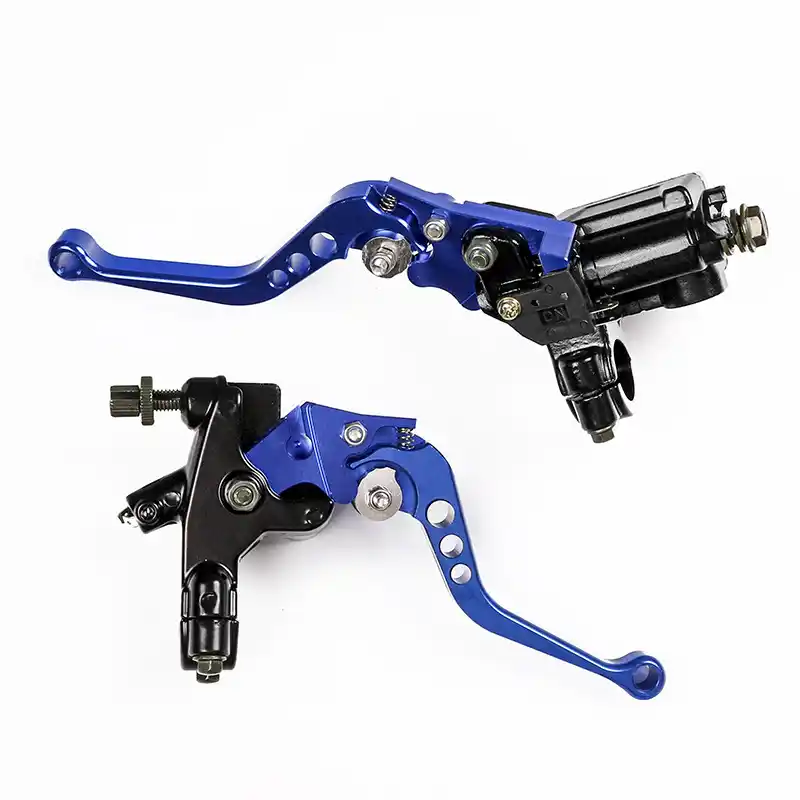
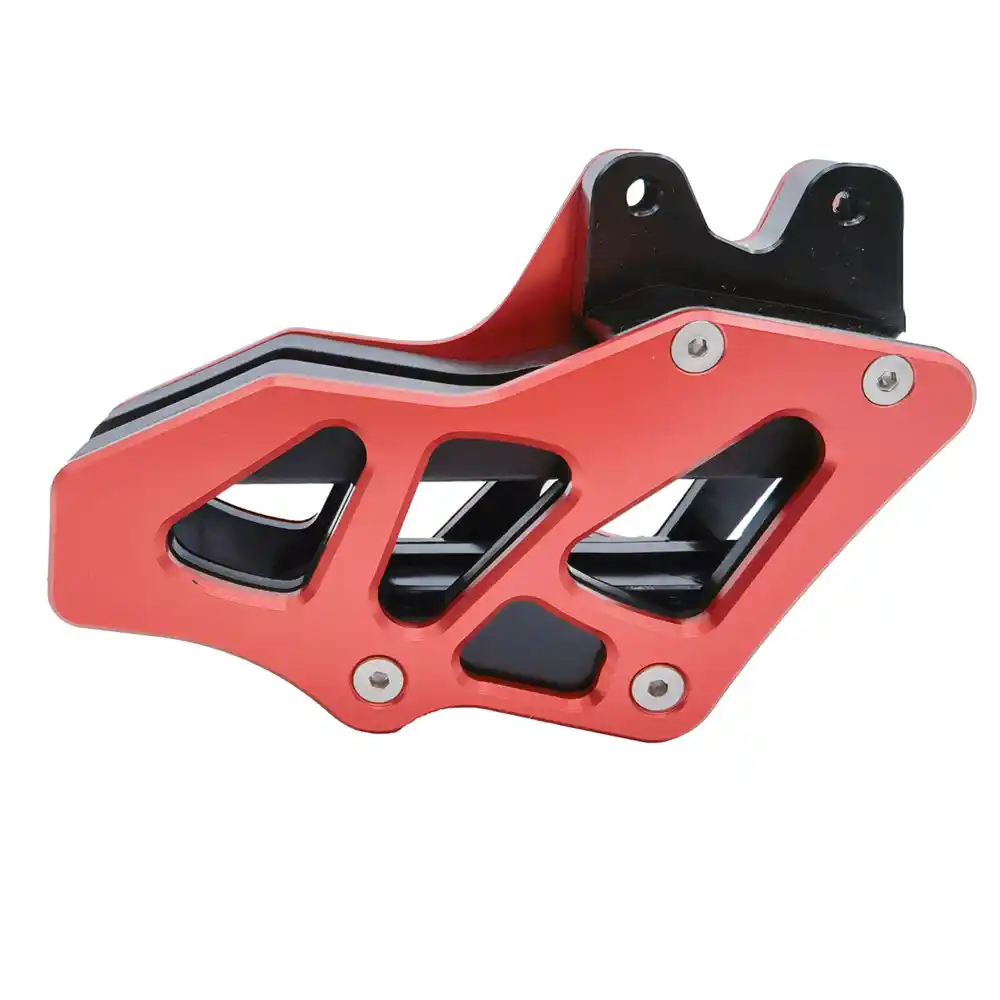
| Componentes do sistema de travagem e da transmissão | Corpos de pinças de travão, pistões do cilindro mestre, alavancas da embraiagem, rodas dentadas, forquilhas de mudanças | Proporcionam elevada resistência estrutural e precisão geométrica para uma travagem eficaz e uma transferência de potência eficiente, reduzem o desgaste em funcionamento e prolongam a vida útil dos componentes principais. |
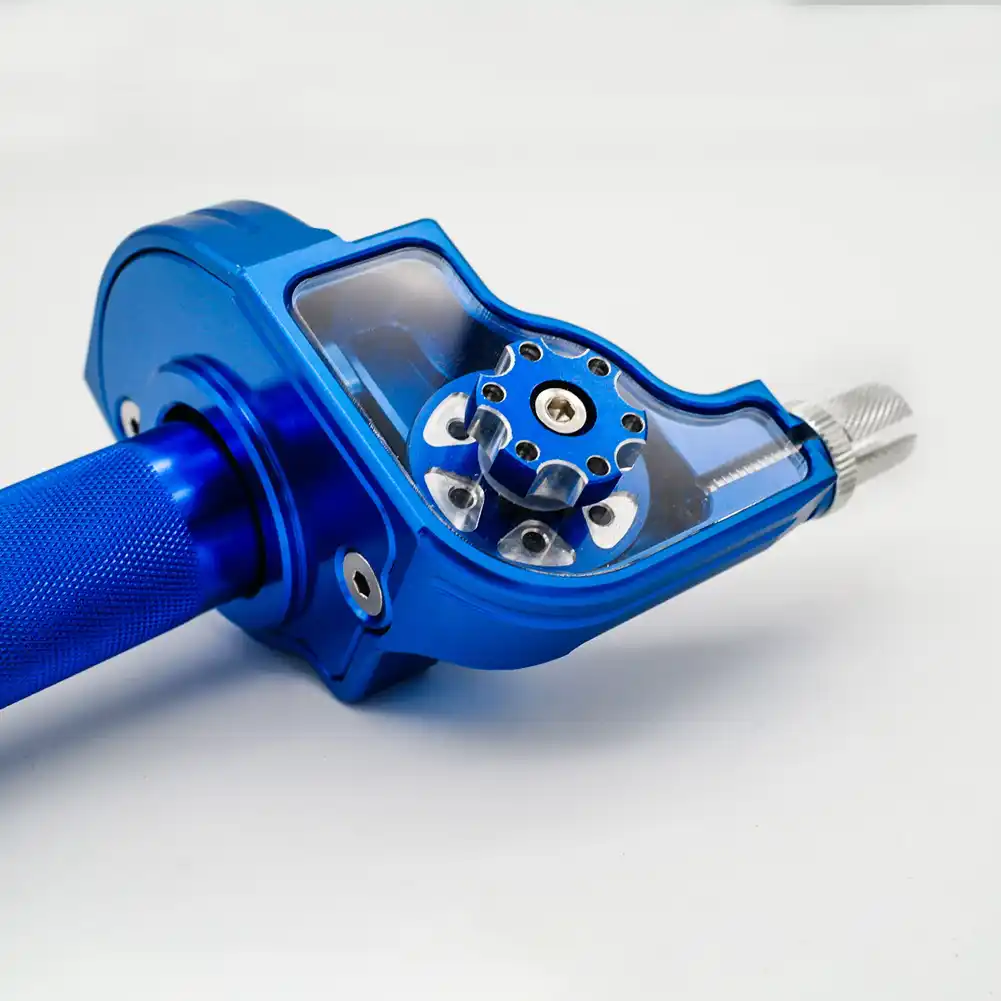
| Componentes de controlo e ergonómicos | Guiadores personalizados, conjuntos de apoios para os pés, manetes de embraiagem/travão, braçadeiras de guiador | A geometria adaptada ao tipo de corpo e ao estilo de condução do ciclista melhora a postura durante a condução, reduz a fadiga em percursos longos e aumenta a precisão do controlo. |
| Componentes do chassis e da suspensão | Jantes personalizadas, tampas dos amortecedores, hastes de direção, ajustadores do braço oscilante | Combinar um design leve com resistência estrutural, reduzir a massa não suspensa e melhorar a agilidade nas curvas e a estabilidade a alta velocidade. |
| Peças cosméticas e funcionais personalizadas | Peças decorativas em compósito de fibra de carbono, tampas de depósito de combustível personalizadas, coberturas decorativas para o motor, suportes para matrículas | Propor um estilo personalizado, conciliar a leveza com a identidade visual e satisfazer os requisitos de design específicos das construções personalizadas. |
3. Principais processos de fabrico e características de precisão
No cerne da produção de peças para motociclos por CNC está a remoção controlada de material. Dependendo da forma e das características de conceção da peça, os fabricantes combinam diferentes métodos de maquinagem. Duas tecnologias fundamentais constituem a base: a fresagem CNC e o torneamento CNC.
3.1 Fresagem CNC: Processo fundamental para geometrias complexas
A fresagem CNC utiliza ferramentas de corte rotativas multieixos para dar forma a uma peça de trabalho firmemente fixada a partir de vários ângulos. No caso de peças complexas e irregulares de motociclos, esta é a solução de fabrico de eleição.
- Aplicações típicas: Por exemplo, cabeças de cilindro, pinças de travão, suportes de pedais, coberturas decorativas do motor e peças com cavidades complexas, superfícies curvas e recortes para redução de peso.
- Vantagens do processo: Suporta a maquinação simultânea de 3 a 5 eixos e realiza a maquinação em várias faces numa única configuração, permitindo manter tolerâncias de forma rigorosas. Além disso, permite conceber projetos com peso otimizado, removendo material apenas das áreas não críticas.
- Nível de precisão: A fresagem padrão mantém tolerâncias dimensionais dentro de ±0,01 mm. No caso de superfícies de encaixe de precisão, a precisão atinge ±0,002 mm, com uma rugosidade superficial tão baixa quanto Ra 1,6 μm.
3.2 Torneamento CNC: uma solução eficiente para peças rotativas
No torneamento CNC, a peça gira a alta velocidade enquanto uma ferramenta de corte fixa se desloca nas direções radial e axial. Este processo foi concebido especificamente para a maquinagem de peças redondas e simétricas.
- Aplicações típicas: Entre estas contam-se rodas, flanges de escape, pistões, pinos, eixos de amortecedores e outras peças cilíndricas com requisitos rigorosos de alinhamento.
- Vantagens do processo: Proporciona uma elevada eficiência de maquinagem, com excelente circularidade e precisão de alinhamento. Além disso, garante o equilíbrio dinâmico adequado das peças rotativas e é ideal para grandes séries de produção.
- Nível de precisão: As tolerâncias do diâmetro exterior mantêm-se dentro de ±0,005 mm. Com o torneamento de acabamento, a rugosidade da superfície pode descer até Ra 0,8 μm para componentes de vedação e deslizantes.
3.3 Processamento a laser complementar
Para além das operações principais de fresagem e torneamento, o processamento a laser constitui uma etapa de acabamento secundária extremamente útil.
Por um lado, o corte a laser permite moldar o perfil de peças de chapa fina, como suportes de montagem e painéis de acabamento. Graças à sua aplicação precisa de calor, este processo cria arestas limpas e sem rebarbas, que não requerem qualquer trabalho adicional de rebarbação.
Por outro lado, a gravação a laser permite aplicar marcações permanentes, padrões personalizados e texturas antiderrapantes nas superfícies das peças. A título de exemplo prático, os construtores podem utilizá-la para adicionar uma marca personalizada sem comprometer a resistência estrutural da peça.
4. Como a usinagem CNC melhora o desempenho geral das motas
A tecnologia CNC oferece muito mais do que apenas uma forma melhor de fabricar peças. Na verdade, melhora o desempenho geral da motocicleta de três formas mensuráveis: maior precisão de encaixe, redução de peso seletiva e otimização aerodinâmica aperfeiçoada.
4.1 O ajuste preciso otimiza a eficiência da transferência de potência
Graças às tolerâncias da ordem dos microns, a maquinagem CNC permite obter um encaixe perfeito entre todos os componentes móveis. Este encaixe apertado reduz diretamente a folga e as cargas de impacto à medida que a potência é transmitida através do sistema de transmissão.
Tomemos as rodas dentadas de transmissão como exemplo prático. As rodas dentadas fresadas com precisão, com um erro mínimo no perfil dos dentes, permitem que a corrente engate suavemente a cada rotação. Consequentemente, reduzem o ruído e o desgaste do sistema de transmissão, ao mesmo tempo que melhoram a eficiência global da transferência de potência.
Para além das peças do sistema de transmissão, as folgas entre o pistão e o cilindro, usinadas com precisão, também otimizam a estanqueidade da câmara de combustão. Esta estanqueidade mais rigorosa reduz as perdas por blow-by e aumenta tanto a potência do motor como a eficiência de combustível.
Nas configurações de alto desempenho, o ajuste preciso das válvulas e das árvores de cames permite também um controlo exato da sincronização das válvulas. Este nível de controlo mantém a variação da potência do motor abaixo de 1%. Em contrapartida, os métodos tradicionais de fundição simplesmente não conseguem igualar este grau de precisão.
4.2 O design leve aumenta o limite de manobrabilidade
Outra grande vantagem da maquinação CNC é a sua capacidade de permitir a conceção de peças inteligentes e com peso otimizado. Estas conceções específicas removem o excesso de material das áreas que não suportam carga, mantendo simultaneamente as estruturas de reforço nas zonas sujeitas a elevadas tensões. Em última análise, esta abordagem cria um equilíbrio ideal entre a resistência estrutural e o peso total.
- Para começar, uma jante de alumínio usinada por CNC com as mesmas especificações pesa mais de 30% do que uma jante fundida tradicional. Esta redução significativa do peso não suspenso melhora a aceleração, a resposta de travagem e a agilidade nas curvas.
- Além disso, os conectores da estrutura e os componentes da suspensão em titânio podem reduzir o peso em 45%, em comparação com os equivalentes em aço. Ao mesmo tempo, mantêm uma maior resistência estrutural e resistência à fadiga, o que permite um limite de manobrabilidade substancialmente superior.
4.3 A otimização do percurso do fluxo melhora a aerodinâmica a alta velocidade
No caso das motos de alto desempenho, concebidas para a velocidade, a maquinagem CNC também permite criar superfícies aerodinâmicas de precisão que proporcionam ganhos mensuráveis na prática.
Tomemos como exemplo um sistema de escape personalizado. Este utiliza diâmetros internos calibrados com precisão e percursos de fluxo cónicos para reduzir a contrapressão. Este fluxo melhorado otimiza a evacuação dos gases de escape e proporciona, normalmente, um aumento de potência entre 3% e 5%.
Além disso, as curvas usinadas com precisão nas carenagens aerodinâmicas e nos painéis da carroçaria reduzem o arrasto global. Em algumas construções personalizadas, este ajuste diminui o coeficiente de arrasto em cerca de 10%. Na prática, isto traduz-se numa velocidade máxima mais elevada e numa condução mais estável a altas velocidades.
5. Percursos de desenvolvimento personalizados e orientações de conceção
A personalização constitui uma das maiores vantagens da maquinação CNC na construção de motociclos. Quase todos os detalhes, desde os parâmetros de desempenho até ao estilo visual, podem ser adaptados para corresponder exatamente às preferências do motociclista. Por sua vez, esta flexibilidade permite criar um motociclo verdadeiramente único.
5.1 Três orientações fundamentais para a personalização
- Personalização do desempenho: Isto envolve o ajuste dos parâmetros do sistema de transmissão, dos travões e da suspensão — por exemplo, pistões personalizados para ajustar a taxa de compressão ou rodas dentadas de transmissão com relações personalizadas — com o objetivo de obter melhorias específicas de desempenho.
- Personalização ergonómica: Isto inclui o ajuste personalizado da altura e do ângulo do guiador, bem como da posição e do ângulo dos apoios para os pés, de acordo com o tipo de constituição física do motociclista. Por sua vez, isto melhora a postura de condução, reduz a fadiga em percursos longos e aumenta a precisão do controlo.
- Personalização do estilo: Isto inclui formas e texturas personalizadas para os acabamentos da carroçaria, as tampas do motor e as tampas do depósito de combustível, além de padrões gravados exclusivos para criar uma identidade visual única.
5.2 Fluxo de trabalho padrão para a implementação personalizada
O processo de personalização CNC segue um ciclo digital fechado que liga diretamente a conceção à produção. Este processo decorre através de etapas claras e sequenciais, desde o conceito inicial até à entrega final da peça.
Em primeiro lugar, os engenheiros criam um modelo CAD em 3D e realizam testes de tensão estrutural para verificar o desempenho. Assim que o cliente aprova o projeto, o software CAM gera percursos de ferramenta precisos, com ferramentas de corte adequadas e parâmetros otimizados.
Em seguida, a máquina procede ao acabamento da peça a partir do material em bruto selecionado, seguido de uma inspeção dimensional completa e da remoção de rebarbas. Como etapa final, os técnicos aplicam o acabamento superficial escolhido e realizam verificações de ajuste antes do envio.
Mais importante ainda, todo este fluxo de trabalho não requer ferramentas fixas personalizadas. Isto significa que permite prazos de execução rápidos para trabalhos personalizados pontuais e em pequenos lotes. Melhor ainda, mantém os custos de revisão dos projetos muito baixos, pelo que os construtores podem ajustar os projetos a qualquer momento com base nos resultados de testes reais.
6. Materiais comuns e cenários de aplicação
No que diz respeito às peças de motociclos fabricadas por CNC, a escolha do material é o fator mais importante que determina tanto o desempenho como o custo. Os diferentes materiais oferecem níveis muito distintos de resistência, peso, resistência à corrosão e preço. Por este motivo, os construtores devem selecionar sempre os materiais com base na função específica da peça.
| Tipo de material | Principais vantagens | Notas habituais | Aplicações típicas |
|---|---|---|---|
| Liga de alumínio | Baixa densidade, excelente usinabilidade, boa resistência à corrosão, boa relação custo-benefício, passível de tratamento térmico para obter maior resistência | 6061-T6, 7075-T6 | Capas decorativas para o motor, jantes, apoios para os pés, guiadores, peças estéticas em geral |
| Aço inoxidável | Elevada resistência estrutural, excelente resistência à corrosão, boa resistência ao impacto para aplicações sujeitas a elevadas tensões | 304, 316, 17-4PH | Componentes do sistema de travagem, tubagem de escape, suportes sujeitos a elevadas tensões, elementos de fixação |
| Liga de titânio | Excelente relação resistência/peso, resistência à corrosão muito superior à do aço inoxidável, excelente desempenho em termos de fadiga — a escolha de excelência para construções de alta gama | TC4 (Ti-6Al-4V) | Sistemas de escape de alta gama, componentes críticos do motor, articulações da suspensão, fixadores leves |
| Compósito de fibra de carbono | Densidade extremamente baixa, resistência específica muito superior à dos metais, estética distinta e de alto desempenho | Carbono das classes T700 e T800 | Carenagens, guarda-lamas, tampas decorativas, proteções leves |
7. Processos de acabamento de superfícies e vantagens em termos de desempenho
O acabamento de superfícies é uma etapa crítica de pós-processamento para todas as peças de motociclos fabricadas por CNC. Aumenta simultaneamente a resistência à corrosão, a resistência ao desgaste e o aspeto estético. A seguir, abordamos os três processos de acabamento mais utilizados.
7.1 Anodização
No caso das peças de alumínio, a anodização é, de longe, o tratamento de superfície mais comum. Este processo recorre a uma reação eletroquímica para formar uma camada densa e protetora de óxido de alumínio na superfície da peça.
Este tratamento pode triplicar a dureza superficial do alumínio em bruto. Além disso, melhora significativamente a resistência a riscos e à abrasão, ao mesmo tempo que reforça a proteção contra a corrosão em caso de exposição ao ar livre à chuva e ao sal de estrada.
Do ponto de vista estético, a anodização está disponível em acabamentos mate e brilhante, com uma vasta gama de opções de cores. Esta combinação de proteção e personalização torna-a perfeita para peças de alumínio sujeitas a contacto frequente, tais como apoios para os pés, guiadores e tampas do motor.
7.2 Polimento e jateamento com esferas
Estes dois processos criam acabamentos de superfície distintos e oferecem vantagens funcionais diferentes:
- Polimento espelhado: Cria uma superfície refletora, semelhante a um espelho, através de várias etapas de polimento. Além de melhorar o aspeto visual, reduz a resistência ao fluxo de fluidos no interior das condutas de escape e impede a acumulação de sujidade, facilitando a limpeza.
- Jateamento com esferas: Utiliza esferas de vidro ou cerâmica lançadas a alta velocidade para produzir um acabamento mate uniforme. Além disso, elimina as marcas deixadas pelas ferramentas de maquinagem e melhora a aderência da superfície para as etapas subsequentes de revestimento ou anodização.
7.3 Gravação a laser
A gravação a laser funciona como um tratamento superficial adicional e funcional. Esta técnica grava marcações permanentes na superfície da peça utilizando um feixe de laser focado e de alta energia.
As aplicações mais comuns incluem logótipos de marcas, números de peça, imagens personalizadas e texto. As marcações são altamente resistentes ao desgaste e totalmente permanentes. Em termos simples, permitem aos construtores adicionar personalizações populares às suas construções personalizadas sem reduzir a resistência estrutural.
8. Sistema de controlo de qualidade de ponta a ponta
A alta precisão e o desempenho fiável constituem o valor fundamental das peças maquinadas por CNC. Um sistema de controlo de qualidade rigoroso é o que transforma essas promessas em resultados consistentes e concretos. Na produção profissional de peças de motociclos por CNC, as inspeções realizam-se em duas fases principais.
8.1 Inspeção dimensional de precisão
Cada peça acabada passa por uma etapa completa de verificação das tolerâncias dimensionais. Para as medições padrão, os técnicos utilizam micrómetros digitais, paquímetros e medidores de altura, para realizar verificações rápidas e fiáveis.
No caso de peças com cavidades complexas e tolerâncias geométricas rigorosas, uma Máquina de Medição por Coordenadas (CMM) realiza uma inspeção 3D completa. Funciona com uma precisão ao nível do mícron para garantir que todas as peças cumprem as especificações de projeto e apresentam um ajuste consistente em todas as séries de produção.
Ao testar peças rotativas, os técnicos realizam também verificações adicionais relativas à circularidade, ao alinhamento e ao equilíbrio dinâmico. Estas verificações evitam vibrações a alta velocidade que, de outra forma, prejudicariam a estabilidade e a segurança da condução.
8.2 Validação da durabilidade e do desempenho
Todas as peças críticas que suportam cargas devem também ser submetidas a ensaios de fiabilidade que simulem condições de funcionamento reais:
- Ensaios de pressão de carga: Simula as cargas máximas a que uma peça será submetida durante a condução, para confirmar a resistência estrutural e evitar falhas catastróficas.
- Ensaios de desgaste: Simula milhares de milhas de utilização normal para verificar a resistência ao desgaste e garantir um desempenho consistente a longo prazo.
- Ensaios de envelhecimento ambiental: Recorre ao teste de névoa salina e aos ciclos térmicos para validar a resistência às intempéries, tanto do acabamento superficial como do material de base.
9. Estrutura de custos e recomendações de seleção
Os preços das peças de motocicleta fabricadas por CNC podem variar significativamente, dependendo do projeto. Três fatores principais determinam o custo final de cada componente. Os motociclistas podem encontrar um equilíbrio entre os ganhos de desempenho e o orçamento ao compreenderem como estes fatores interagem entre si.
- Custo do material: O preço da matéria-prima constitui a base do custo total. A liga de alumínio oferece a melhor relação qualidade-preço global, seguida do aço inoxidável. O titânio e a fibra de carbono apresentam o custo mais elevado, normalmente entre 3 e 10 vezes superior ao do alumínio.
- Complexidade do projeto: Geometrias mais complexas e tolerâncias mais apertadas exigem operações adicionais e um tempo de maquinagem mais longo. As peças com recortes, curvas multieixos e cavidades profundas apresentam uma dificuldade de maquinagem e custos significativamente mais elevados.
- Volume de produção: A maquinação CNC tem custos de configuração por peça relativamente elevados. Volumes de produção mais elevados reduzem substancialmente o custo unitário. As peças personalizadas únicas, em contrapartida, custam muito mais do que os componentes produzidos em série.
Como orientação geral para a escolha, siga estas recomendações simples. Para a condução diária em estrada e melhorias estéticas, as peças em alumínio anodizado oferecem o melhor equilíbrio entre desempenho e relação qualidade-preço. Ao substituir peças de desempenho sujeitas a elevadas tensões, opte por aço inoxidável de alta resistência ou alumínio da série 7. Já para motos de competição profissionais e construções personalizadas de gama alta, os componentes em titânio e fibra de carbono proporcionam a maior redução de peso e os maiores ganhos de desempenho.
10. Principais vantagens das peças fabricadas por CNC em relação à produção tradicional
Quando comparada com os métodos tradicionais de fundição e forjamento de peças para motociclos, a maquinagem CNC oferece duas vantagens insubstituíveis:
- Maior precisão e maior liberdade de conceção: Os processos de fabrico tradicionais estão limitados por restrições relacionadas com as ferramentas fixas. Têm dificuldade em lidar com geometrias complexas e ajustes apertados, o que aumenta os custos da personalização em pequenos lotes. A maquinagem CNC, por outro lado, não necessita de ferramentas personalizadas, consegue lidar com praticamente qualquer forma complexa, atinge uma precisão muito superior e oferece uma flexibilidade de personalização inigualável.
- Melhor desempenho e maior fiabilidade: As peças CNC são usinadas a partir de um único bloco sólido de material. Não apresentam a porosidade interna nem os defeitos de retração comuns às peças fundidas. Esta estrutura interna uniforme proporciona uma resistência à fadiga e uma fiabilidade estrutural muito superiores às dos componentes fundidos. Em muitas aplicações, superam também o desempenho das peças forjadas padrão.
Perguntas frequentes
Que peças de motocicleta beneficiam da usinagem CNC?
As peças essenciais do motor, os componentes dos travões e do sistema de transmissão, as peças de controlo, as peças do chassis e as peças estéticas personalizadas são todas adequadas para a maquinagem CNC. Mais importante ainda, esta tecnologia oferece o maior valor para componentes críticos em termos de desempenho, com requisitos rigorosos de ajuste, bem como para peças personalizadas do mercado pós-venda.
Qual é o fluxo de trabalho padrão de produção de peças de motociclos em CNC?
O fluxo de trabalho padrão de produção segue cinco etapas claras e sequenciais. Em primeiro lugar, a modelação CAD 3D e os ensaios de tensão estrutural. Em segundo lugar, a programação CAM para gerar percursos de ferramenta e definir os parâmetros de corte. Em terceiro lugar, a maquinagem CNC a partir do material em bruto selecionado. Em quarto lugar, a inspeção dimensional completa e a remoção de rebarbas após a maquinagem. Por fim, o acabamento da superfície e uma verificação final da qualidade antes da entrega.
Por que é que as peças personalizadas para motociclos fabricadas por CNC custam mais?
Três fatores principais explicam o preço mais elevado das peças CNC personalizadas. Em primeiro lugar, o trabalho personalizado é normalmente produzido em unidades avulsas ou em lotes muito pequenos, pelo que as economias de escala não permitem reduzir os custos unitários de maquinagem e conceção. Em segundo lugar, cada projeto personalizado requer um trabalho específico de conceção, programação e desenvolvimento de processos. Em terceiro lugar, as construções de gama alta utilizam frequentemente materiais de alta qualidade, como o titânio e a fibra de carbono. Os rigorosos procedimentos de controlo de qualidade também contribuem para o custo final.
As peças de motocicleta usinadas por CNC requerem inspeção regular?
Sim, recomenda-se vivamente a realização de inspeções regulares — especialmente no que diz respeito às peças sujeitas a grande desgaste nos sistemas de travões, motor e suspensão. Como ponto de referência, realizar uma inspeção geral a cada 800 a 1600 quilómetros é uma boa regra geral. Os motociclistas devem verificar se existem fixações soltas, fissuras, desgaste anormal ou sinais de corrosão. Após condução agressiva ou dias de pista, as inspeções devem ser realizadas com maior frequência. Mais importante ainda, as verificações regulares permitem detetar potenciais problemas numa fase inicial, melhoram a segurança na condução e prolongam a vida útil dos componentes CNC.
Quais são os materiais mais comuns utilizados na fabricação de peças de motociclos por CNC?
As ligas de alumínio, como a 6061-T6 e a 7075-T6, são as mais utilizadas graças ao seu peso reduzido e à excelente relação custo-desempenho. Os aços inoxidáveis 304 e 316 são adequados para aplicações sujeitas a elevadas tensões e propensas à corrosão. Para construções de gama alta, a liga de titânio TC4 oferece a melhor relação resistência/peso. Os painéis da carroçaria e as carenagens utilizam normalmente compósitos de fibra de carbono para uma redução máxima de peso. Em última análise, a melhor escolha de material depende dos requisitos de carga do componente, do ambiente de funcionamento e do orçamento disponível.
Conclusão
Em suma, a maquinagem CNC abre possibilidades sem precedentes para a melhoria do desempenho das motos e para a personalização. Proporciona melhorias mensuráveis em termos de potência, manobrabilidade e fiabilidade a longo prazo. Mais importante ainda, dá aos motociclistas controlo criativo total sobre o aspeto e o desempenho das suas motos. Por estas razões, continua a ser uma tecnologia fundamental na modificação moderna de motos e no fabrico personalizado.
A PartsMastery conta com uma equipa profissional especializada em maquinagem CNC multieixos, apoiada por uma cadeia de abastecimento completa de tratamentos de superfície. Oferecemos serviços completos de ponta a ponta, desde a modelação inicial do projeto e a maquinagem de precisão até ao acabamento final da superfície e à inspeção de qualidade.
Quer necessite de peças personalizadas pontuais do mercado pós-venda ou de componentes OEM produzidos em série, fornecemos peças para motociclos fabricadas por CNC de alto desempenho e alta qualidade. Mantemos um controlo rigoroso das tolerâncias e padrões de qualidade consistentes e fiáveis em cada encomenda.