





Poucos tratamentos de superfície proporcionam o icónico brilho espelhado e a durabilidade prolongada do cromagem. Sendo uma das técnicas de galvanoplastia mais utilizadas na indústria transformadora, os engenheiros valorizam os revestimentos de cromo pela sua resistência à corrosão, proteção contra o desgaste e acabamento visual de alta qualidade.
A aplicação do cromado segue fluxos de trabalho industriais bem estabelecidos. A remoção de uma camada de cromado existente, em contrapartida, é uma tarefa muito mais precisa e exigente. É necessário adequar cuidadosamente o método de remoção ao material do substrato e às especificações da peça. Neste guia, detalhamos os princípios fundamentais do cromagem e apresentamos abordagens comprovadas e seguras para remover o cromo de peças tanto metálicas como plásticas.
O que é o cromagem?
Para compreender plenamente como funciona o cromagem, é útil começar pela categoria mais ampla da galvanoplastia. A galvanoplastia é um processo de engenharia de superfícies que deposita uma camada fina e uniforme de um metal sobre a superfície de um metal-base diferente.
O seu principal objetivo é aumentar a resistência à corrosão. Reveste substratos quimicamente vulneráveis com um material mais inerte e estável, ao mesmo tempo que prolonga a vida útil dos componentes e melhora a qualidade estética.
O cromagem — também designado por revestimento de crómio — é um processo especializado de galvanoplastia que fixa uma fina camada de crómio numa peça metálica. O resultado final é uma superfície brilhante, de tom prateado, com uma refletividade excecional.
O alumínio polido e outros acabamentos metálicos podem criar um aspeto brilhante semelhante. No entanto, o cromado destaca-se pelo seu acabamento espelhado mais profundo e autêntico e pelas suas propriedades refletoras mais nítidas e precisas.
Duas categorias principais de cromagem
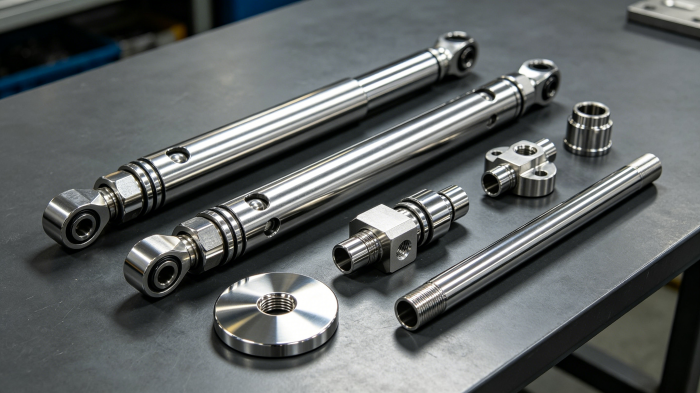
O cromagem divide-se em duas variantes distintas. Os fabricantes diferenciam-nas principalmente pela espessura do revestimento e pela função a que se destinam: cromo duro e cromo decorativo.
Cromagem dura
Comumente designado por «cromo industrial», o cromagem dura utiliza um revestimento substancialmente mais espesso, formulado para aplicações funcionais sujeitas a elevadas tensões. A sua excepcional dureza superficial e lubrificação inerente reduzem significativamente o atrito entre os componentes de acoplamento. Isto torna as peças muito mais resistentes à abrasão e ao desgaste mecânico durante o funcionamento contínuo. A espessura padrão do revestimento de cromo duro varia entre 0,02 mm e 0,04 mm.
Para além do desempenho mecânico, o cromo duro também proporciona uma elevada inércia química. Oferece uma proteção fiável contra a oxidação e os ambientes operacionais corrosivos.
Cromagem decorativa
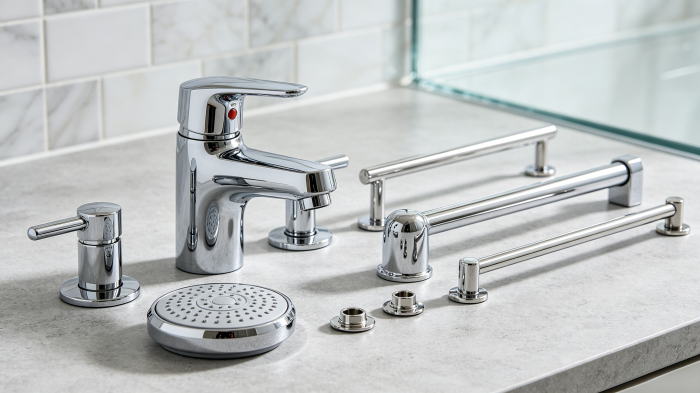
Também conhecido como cromagem brilhante, o cromado decorativo consiste na aplicação de uma camada de crómio muito mais fina. As equipas concebem-no principalmente para fins estéticos.
Ainda oferece uma resistência básica à corrosão e aos riscos, mas o seu desempenho protetor não se equipara às capacidades dos revestimentos de cromo duro. A espessura típica do cromo decorativo varia entre 0,002 mm e 0,02 mm.
Há uma característica distintiva que distingue o cromo decorativo: é sempre aplicado sobre uma camada subjacente de níquel brilhante. Esta base de níquel confere ao acabamento a sua qualidade característica de suavidade e elevada refletividade. Além disso, reforça a proteção contra a corrosão antes da aplicação da fina camada superior de cromo.
Aplicações práticas do revestimento de cromo
A escolha entre o cromo duro e o cromo decorativo depende da sua principal prioridade: desempenho funcional ou aspeto visual. Ambas as variantes desempenham papéis fundamentais numa vasta gama de setores.
- Setor automóvel: Os engenheiros optam pelo cromo duro para peças de engenharia sujeitas a elevado desgaste, tais como amortecedores, hastes de pistão e cilindros hidráulicos, que requerem durabilidade operacional a longo prazo. O cromo decorativo é utilizado em jantes, ponteiras de escape, acabamentos exteriores e outros componentes visíveis.
- Reparação e restauro de componentes: O cromo duro funciona como um material de reforço para restaurar as tolerâncias dimensionais originais das peças mecânicas desgastadas.
- Artigos de higiene e utensílios de cozinha: O cromado decorativo é o padrão da indústria para torneiras, misturadores, ferragens para armários e vários componentes de utensílios de cozinha.
- Engenharia aeroespacial: O cromagem dura protege componentes críticos de aeronaves e jatos. Prolonga a vida útil, preserva o design leve e resiste a condições operacionais extremas.
Como funciona o processo de cromagem
Sendo um processo eletroquímico, a cromagem recorre a uma corrente elétrica controlada para promover a deposição do metal.
Em termos simples, os trabalhadores submergem totalmente uma peça de trabalho num banho de solução de anidrido crómico. Uma carga elétrica precisamente calibrada desencadeia uma sequência de reações químicas. Estas reações fazem com que os iões de crómio se liguem e formem uma camada consistente e uniforme sobre a superfície do metal de base. Esta descrição simplificada omite os rigorosos controlos de temperatura, densidade de corrente e composição química necessários para obter resultados industriais repetíveis e de alta qualidade.
Métodos seguros e fiáveis para remover o revestimento de cromo
O cromagem proporciona uma proteção duradoura à superfície, mas, com o passar do tempo, os revestimentos podem ficar danificados, desgastados ou necessitar de remoção total para retrabalho, reparação ou novo acabamento. A seguir apresentam-se os métodos mais fiáveis para a remoção do cromo, cada um adequado a diferentes materiais de substrato e geometrias das peças.
1. Métodos que envolvem equipamento mecânico e especializado
As técnicas de remoção mecânica utilizam força física para desgastar ou descascar a camada de cromo. Uma vantagem fundamental destes métodos é o facto de a maioria funcionar com segurança tanto em substratos metálicos como plásticos — um benefício que não se verifica na maioria das abordagens de remoção química.
Jateamento abrasivo
O jato abrasivo, frequentemente designado por «jato de areia», utiliza um jato de alta velocidade de material abrasivo fino para remover gradualmente o revestimento cromado da superfície da peça. Este método é comum nas oficinas de reparação automóvel. Os trabalhadores utilizam-no para remover o cromo de componentes de automóveis e motociclos de todos os tamanhos.
A segurança é imprescindível durante as operações de jateamento. Os operadores devem usar óculos de proteção resistentes a impactos e equipamento de proteção respiratória certificado. O pó fino de cromo e os detritos gerados durante o processo podem ser tóxicos e causar irritação grave nas vias respiratórias e nos olhos.
Limpeza por ultrassons
Os aparelhos de limpeza por ultrassons têm uma longa história de utilização na restauração de joias. Utilizam ondas sonoras de alta frequência para separar suavemente as camadas de cromo dos materiais de base.
Os trabalhadores colocam as peças num cesto cheio de solução no interior da máquina de limpeza. As bolhas microscópicas de cavitação geradas pelas ondas sonoras quebram a ligação entre o cromo e o substrato. Fazem-no sem danificar superfícies delicadas.
Este método é ideal para peças pequenas e com formas complexas, que poderiam ser danificadas por técnicas de remoção mais agressivas, como as abrasivas ou químicas.
2. Soluções para a remoção de substâncias químicas
Tal como a eletroquímica deposita cromo nas superfícies, reações químicas específicas também podem dissolver e remover revestimentos de cromo.
Nota importante de segurança: a maioria dos métodos de remoção química só funciona com substratos metálicos. Os produtos químicos fortemente corrosivos podem corroer, deformar ou danificar permanentemente os materiais plásticos. Utilize sempre luvas resistentes a produtos químicos, proteção ocular e EPI adequado ao manusear estas soluções.
Ácido clorídrico
O ácido clorídrico é um ácido mineral potente. As suas fortes propriedades corrosivas tornam-no eficaz na dissolução de camadas de cromo. A remoção industrial de cromo recorre normalmente a concentrações da solução entre 30% e 40%.
O processo requer a imersão total da peça cromada no banho de ácido. Em seguida, deve-se acompanhar o progresso até que a camada de cromo se desprenda completamente.
Deixar a peça em ácido clorídrico concentrado durante mais tempo do que o necessário irá corroer e degradar o metal de base. Assim que a decapagem estiver concluída, deve lavar bem as peças com água e sabão, enxaguar-as repetidamente com água limpa e deixá-las secar completamente. Utilize sempre recipientes resistentes a ácidos ao preparar e manusear soluções ácidas.
Hidróxido de sódio
Na extremidade alcalina do espectro químico, as soluções de hidróxido de sódio (soda cáustica) também podem remover o cromo de determinados substratos metálicos.
O processo de remoção segue o mesmo procedimento baseado na imersão: submergir a peça, deixar que a solução alcalina decomponha a ligação do cromo e, em seguida, retirar a peça, lavá-la cuidadosamente com água e sabão, enxaguar e deixar secar ao ar.
3. Galvanoplastia inversa
Tal como o próprio nome indica, a galvanoplastia inversa inverte a polaridade elétrica do processo de galvanoplastia normal, de modo a retirar iões de crómio da superfície da peça.
Trata-se de um procedimento altamente especializado e de elevado risco. A sua realização deve ser da competência exclusiva de profissionais com formação e certificação, uma vez que envolve o manuseamento de compostos de crómio tóxicos e cancerígenos.
O processo utiliza uma mistura ácida altamente diluída — numa proporção de aproximadamente 100:1 de água para ácido, combinando ácido crómico e ácido sulfúrico. Os trabalhadores aquecem a solução até uma temperatura entre 120 °F e 150 °F. Uma fonte de alimentação de corrente contínua aplica corrente elétrica inversa, afastando os iões de crómio com carga positiva da superfície da peça. Após o processamento, as peças têm de ser enxaguadas cuidadosamente sob água corrente antes da secagem final.
Serviços profissionais de cromagem da PartsMastery
Desde o revestimento a pó e os acabamentos escovados até à anodização e à galvanoplastia, os fabricantes têm à sua disposição dezenas de opções de tratamento de superfícies. Ainda assim, o cromagem continua a ser uma das opções mais populares, graças à sua combinação imbatível de desempenho funcional e apelo visual.
Para garantir uma qualidade consistente, um controlo preciso dos processos e o cumprimento integral das normas de segurança no local de trabalho, deve confiar tanto os projetos de aplicação de cromagem como os de remoção de cromagem a especialistas experientes do setor.
Na PartsMastery, prestamos serviços de galvanoplastia e acabamento de superfícies de alta qualidade, apoiados por uma equipa de especialistas experientes em engenharia e produção. Apoiamos projetos de qualquer dimensão, desde peças protótipo únicas até séries de produção em grande escala. Também podemos ajudá-lo a selecionar a especificação de cromo ou o método de remoção ideais para a sua aplicação específica. Contacte a nossa equipa hoje mesmo para discutir as suas necessidades em matéria de acabamento de superfícies.
Perguntas frequentes
É seguro lixar o revestimento cromado à mão?
O lixamento manual pode remover eficazmente o cromo quando realizado com a técnica e os abrasivos corretos. A lixa de grão 400 é o grão inicial recomendado para a remoção manual do cromo. Para evitar riscar, sulcar ou danificar de qualquer outra forma a superfície do metal de base, este trabalho deve ser realizado por alguém com experiência prática. Quando executado com a técnica adequada e as devidas precauções de segurança, o risco de danos na peça é muito baixo.
É possível aplicar tinta ou revestimento em pó diretamente sobre o cromado?
Tecnicamente, é possível aplicar tinta ou revestimento em pó sobre uma camada de cromo já existente, mas a aderência diminui significativamente. Isto leva à formação de lascas e à deterioração prematura do acabamento. Para obter um novo acabamento resistente e duradouro, é sempre preferível remover totalmente o revestimento cromado e preparar adequadamente a superfície de base antes da aplicação.
O cromagem tem de ser feita por serviços profissionais?
Estão disponíveis kits de cromagem «faça você mesmo» para projetos de passatempo simples e de baixa exigência. No entanto, estes não conseguem igualar a uniformidade, o controlo da espessura e a durabilidade a longo prazo da cromagem industrial profissional. A parceria com especialistas experientes, como a equipa da PartsMastery, garante resultados consistentes e de alta qualidade, o cumprimento integral das normas de segurança e um acabamento que resistirá às condições reais de funcionamento.