





Fábricas de moldes na China: Engenharia de precisão para fabrico global
Quando os compradores globais pensam em ferramentas de alta qualidade e económicas, as fábricas de moldes da China estão quase sempre no topo da lista. Nas últimas três décadas, a China transformou-se de um centro de produção de baixo custo num líder mundial no fabrico de moldes e matrizes de precisão. Atualmente, as fábricas de moldes chinesas produzem tudo, desde simples protótipos de moldes a complexas ferramentas de produção de alta cavitação para as indústrias automóvel, médica, eletrónica e de bens de consumo. Compreender o que faz com que estas fábricas funcionem - e como escolher o parceiro certo - pode significar a diferença entre o sucesso da produção e atrasos dispendiosos.
A escala e a capacidade das fábricas de moldes da China
A China alberga dezenas de milhares de empresas de fabrico de moldes, concentradas em vários clusters industriais importantes: o Delta do Rio das Pérolas (Província de Guangdong), o Delta do Rio Yangtze (Zhejiang, Jiangsu e Xangai) e a região da Orla de Bohai. Estes aglomerados beneficiam de cadeias de abastecimento profundas, de uma reserva de mão de obra qualificada e da proximidade de fornecedores de matérias-primas e fabricantes de equipamento de maquinagem.
A escala é impressionante. De acordo com a Associação da Indústria de Moldes e Matrizes da China, o valor da produção de moldes na China ultrapassa os 300 mil milhões de RMB por ano, representando cerca de um terço da produção global de moldes. O valor das exportações continua a crescer, sendo os moldes de plástico e os moldes de fundição injectada as categorias mais exportadas. Os principais destinos de exportação incluem os Estados Unidos, a Alemanha, o Japão, o México, o Vietname e a Tailândia.
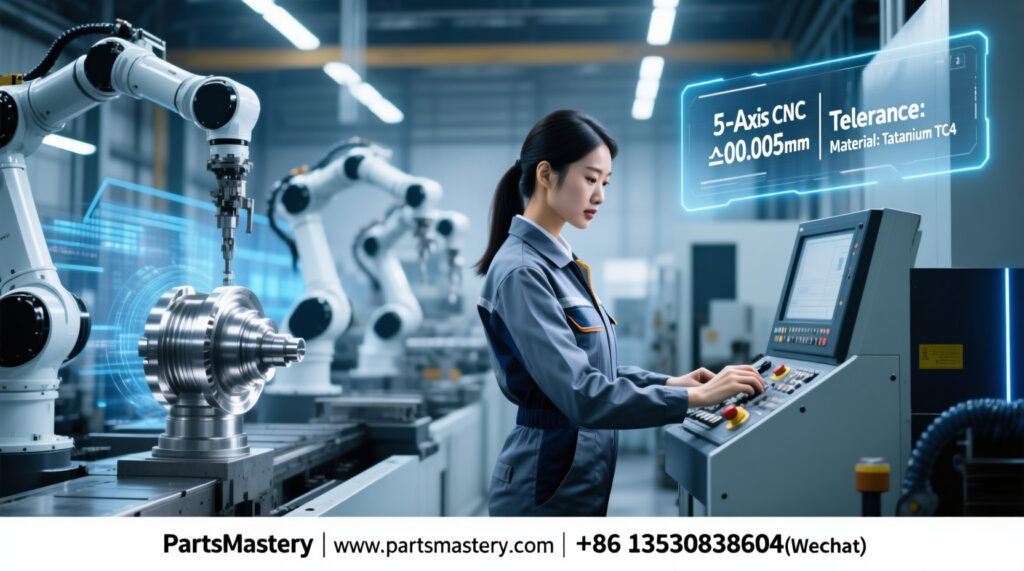
Mas a escala, por si só, não conta a história completa. As fábricas de moldes modernas da China investiram fortemente em equipamento avançado. Os centros de maquinação CNC de cinco eixos, as máquinas de EDM de fio e de chumbar, as rectificadoras de superfície de precisão e as máquinas de medição por coordenadas (CMM) são padrão em qualquer instalação competitiva. Muitas fábricas também adoptaram a automação - manuseamento robótico de peças, trocadores de ferramentas automatizados e sistemas de monitorização da produção em tempo real - para melhorar a consistência e reduzir os prazos de entrega.
Tecnologias avançadas que impulsionam a qualidade
As melhores fábricas de moldes da China já não competem apenas pelo preço. Competem na precisão, velocidade e serviços de engenharia de valor acrescentado. As principais tecnologias que distinguem as melhores fábricas incluem:
Análise do fluxo do molde - Antes de cortar uma única peça de aço, os engenheiros utilizam software como o Autodesk Moldflow ou o Moldex3D para simular o processo de moldagem por injeção. Esta análise identifica potenciais defeitos, tais como linhas de soldadura, purgadores de ar, marcas de afundamento e empenos. Também optimiza a localização das portas, os sistemas de canais e a conceção dos canais de arrefecimento para reduzir os tempos de ciclo e melhorar a qualidade das peças.
Maquinação a alta velocidade - As máquinas CNC modernas com velocidades de fuso de 20.000 a 40.000 RPM permitem taxas de remoção de material mais rápidas e melhores acabamentos de superfície. A maquinagem de alta velocidade reduz a necessidade de polimento manual e acabamento EDM em muitas aplicações, encurtando os tempos de construção de moldes.
EDM de fio e EDM de pia - Para geometrias complexas, cantos internos afiados e componentes de aço endurecido, a maquinação por descarga eléctrica continua a ser indispensável. As fábricas de topo mantêm bancos de máquinas EDM capazes de atingir tolerâncias de ±0,002mm.
CMM e inspeção ótica - O controlo de qualidade não é negociável. As principais fábricas utilizam máquinas de medição por coordenadas do tipo ponte, braços portáteis e comparadores ópticos para verificar todas as dimensões críticas. Os relatórios de inspeção do primeiro artigo (FAI) são fornecidos aos clientes antes da amostragem do molde.
Texturização e acabamento de superfícies - Desde os acabamentos padrão SPI até à gravação química personalizada e à texturização a laser, os fabricantes de moldes chineses oferecem uma vasta gama de tratamentos de superfície. Podem reproduzir padrões de couro, grão ou mate com elevada fidelidade.
Especialização em materiais e tratamento térmico
Um molde é tão bom quanto o aço de que é feito. As fábricas de moldes na China mantêm relações estreitas com fornecedores de aço nacionais e internacionais, incluindo a ASSAB, a Bohler Uddeholm, a Daido Steel e as fábricas chinesas locais. Os aços para moldes mais comuns incluem:
-
P20 - Pré-endurecido, bom para moldes de injeção de uso geral.
-
H13 - Aço para ferramentas de trabalho a quente para moldes de fundição injectada e de extrusão.
-
S136 (Stavax) - Aço inoxidável para moldes para peças ópticas e médicas que requerem resistência à corrosão.
-
NAK80 - Aço pré-endurecido com excelente capacidade de polimento para superfícies estéticas.
-
718H - Aço de elevada dureza para moldes de produção de longa duração.
As capacidades de tratamento térmico - endurecimento por vácuo, nitretação e tratamento criogénico - são muitas vezes realizadas internamente ou por oficinas de processamento térmico estreitamente associadas. Um tratamento térmico adequado garante uma dureza uniforme, minimiza a distorção e prolonga a vida útil do molde.
Indústrias servidas pelas fábricas de moldes da China
A versatilidade das fábricas de moldes chinesas permite-lhes servir diversas indústrias com soluções à medida:
Indústria automóvel - Fachadas de para-choques, grelhas, painéis de instrumentos, guarnições de portas, caixas de iluminação e componentes sob o capô. Com o aumento dos veículos eléctricos, há uma procura crescente de moldes que produzam peças compostas leves e caixas relacionadas com a bateria.
Dispositivos médicos - Corpos e êmbolos de seringas, conectores IV, caixas de cartuchos de diagnóstico e pegas de instrumentos cirúrgicos. Os fabricantes de moldes médicos têm de funcionar em condições de sala limpa e manter uma rastreabilidade total de acordo com a norma ISO 13485.
Eletrónica e eletricidade - Caixas de smartphones, estruturas de computadores portáteis, caixas de conectores, componentes de comutadores e difusores de iluminação LED. As tolerâncias apertadas e a estabilidade dimensional consistente ao longo de milhões de ciclos são essenciais.
Bens de consumo - Utensílios de cozinha, brinquedos, peças de electrodomésticos, embalagens de produtos de higiene pessoal e invólucros de ferramentas eléctricas. Os moldes de cavitação elevada (32, 64 ou mesmo 128 cavidades) são comuns para atingir preços baixos por peça.
Componentes industriais - Engrenagens, polias, caixas de bombas, corpos de válvulas e retentores de rolamentos. Estas aplicações requerem ferramentas duradouras que resistam a materiais abrasivos ou com enchimento de vidro.
Certificações e normas de qualidade
Os compradores internacionais devem procurar certificações específicas quando avaliam as fábricas de moldes na China:
-
ISO 9001:2015 - Sistema básico de gestão da qualidade.
-
IATF 16949 - Norma do sector automóvel, exigida aos fornecedores de nível 1 e nível 2.
-
ISO 13485 - Gestão da qualidade dos dispositivos médicos.
-
ISO 14001 - Gestão ambiental.
As fábricas detentoras destas certificações são submetidas a auditorias regulares e mantêm processos documentados para a conceção, aquisição, fabrico, inspeção e acções corretivas. Também mantêm equipamento de medição calibrado com certificação rastreável.
Prazos de entrega, comunicação e logística
Uma das vantagens de trabalhar com fábricas de moldes estabelecidas na China é a previsibilidade dos prazos de entrega. Um molde de injeção típico - desde a aprovação do projeto até às primeiras amostras - demora 4 a 8 semanas, dependendo da complexidade. Os moldes de fundição sob pressão podem demorar um pouco mais devido a considerações térmicas adicionais. Estão disponíveis serviços de urgência para projectos urgentes.
A comunicação melhorou drasticamente. Muitas fábricas empregam gestores de projeto que falam inglês e fornecem actualizações semanais por correio eletrónico, WhatsApp ou WeChat. Partilham fotografias e vídeos do progresso da maquinação, da montagem e dos ensaios. Os ensaios de moldes são realizados em máquinas de moldagem por injeção que correspondem às especificações do cliente, e são fornecidos relatórios de ensaio que incluem o tempo de ciclo, o peso da peça e a análise de defeitos.
Para o envio de moldes, as fábricas utilizam embalagens seladas a vácuo e inibidas contra a corrosão dentro de caixas de madeira resistentes. O transporte marítimo para a América do Norte ou Europa demora normalmente 30 a 40 dias. O transporte aéreo está disponível para moldes mais pequenos ou substituições urgentes.
PartsMastery: Um nome de confiança entre as fábricas de moldes da China
Entre as muitas fábricas de moldes da China, PartsMastery construiu uma reputação de fiabilidade, precisão e serviço centrado no cliente. Localizada num importante centro de fabrico, a PartsMastery opera numas instalações modernas equipadas com centros de maquinação CNC de alta velocidade, unidades EDM, inspeção CMM e uma área dedicada à montagem de ferramentas. A equipa de engenharia traz décadas de experiência combinada em design de moldes de injeção, análise de fluxo de moldes e resolução de problemas de desafios complexos de ferramentas.
A PartsMastery possui a certificação ISO 9001:2015 e segue rigorosas normas de controlo de qualidade ao longo de todo o processo de construção do molde. Desde a certificação de materiais e inspecções durante o processo até à amostragem e documentação finais, cada passo é registado e rastreável. A empresa serve clientes nos sectores automóvel, médico, eletrónico e de equipamento industrial, fornecendo moldes que mantêm consistentemente tolerâncias de ±0,005 mm ou superiores.
Quer necessite de um molde protótipo para validação do produto ou de uma ferramenta de produção de grande volume com 64 cavidades, a PartsMastery oferece preços competitivos, comunicação transparente e entrega atempada. A equipa também fornece apoio pós-venda, incluindo peças sobresselentes, orientação de manutenção e resolução remota de problemas.
Inicie hoje o seu projeto de fabrico de moldes
Escolher a fábrica de moldes chinesa certa é uma decisão estratégica que afecta toda a sua cadeia de produção. Com a PartsMastery, ganha um parceiro que trata as suas ferramentas como um investimento e não apenas como uma compra. Partilhe o design da sua peça, a preferência de material e as expectativas de volume anual, e a equipa de engenharia responderá com uma análise DFM detalhada, uma simulação do fluxo do molde e uma cotação firme.
Sítio Web: https://partsmastery.com
Contacto: +86 13530838604 (WeChat)
Dê o próximo passo em direção a ferramentas fiáveis e de precisão. Contacte a PartsMastery hoje e perceba porque é que os fabricantes globais confiam nas fábricas de moldes da China para os seus projectos mais exigentes.