







目次

Mold Manufacturers

Mold Manufacturers


Mold Manufacturers
Mold Manufacturers

In the world of modern manufacturing, few components are as critical yet often overlooked as molds. Molds serve as the backbone of mass production across countless industries, from automotive and aerospace to consumer electronics and medical devices. Whether you are producing plastic injection parts, die-cast metal components, or rubber seals, the quality of your mold directly determines the quality, consistency, and cost-efficiency of your final product. This is why choosing the right mold manufacturer is not just a procurement decision — it is a strategic partnership that can make or break your production line.

Understanding the Role of Mold Manufacturers

Mold manufacturers specialize in designing, engineering, and fabricating precision tooling that shapes raw materials into finished parts. The process begins with a detailed analysis of the part geometry, material properties, production volume, and tolerance requirements. Using advanced computer-aided design (CAD) and computer-aided manufacturing (CAM) software, skilled engineers translate customer specifications into a virtual mold model. From there, high-precision CNC machines, electrical discharge machining (EDM), and wire cutting equipment transform blocks of steel or aluminum into functional molds that can produce thousands or even millions of identical parts.

A professional mold manufacturer does more than just cut metal. They offer value-added services such as mold flow analysis to predict filling patterns, cooling behavior, and potential defects like warpage or sink marks. They also provide design for manufacturability (DFM) feedback, helping customers optimize their part designs for easier molding, reduced cycle times, and lower tooling costs. In many cases, mold makers also offer sampling, trial runs, and minor adjustments to ensure the mold performs flawlessly before shipping.

Key Factors to Consider When Choosing Mold Manufacturers

With so many mold makers operating globally, how do you select the right partner? The following criteria are essential to evaluate:

1. Technical Expertise and Experience
Look for mold manufacturers with a proven track record in your specific industry. A company that has built molds for automotive interior parts may not have the same expertise as one specializing in medical device components requiring cleanroom conditions and ultra-tight tolerances. Ask for case studies, customer references, and examples of complex molds they have delivered.

2. Precision and Tolerance Capabilities
Mold making is a micron-level discipline. High-quality molds typically hold tolerances of ±0.01mm or better. The manufacturer should be able to demonstrate their metrology equipment, such as coordinate measuring machines (CMM), optical comparators, and laser scanners, to verify every dimension.

3. Material Selection and Heat Treatment
The longevity of a mold depends heavily on the steel or aluminum used. Common mold steels include P20, H13, S7, and stainless grades like 420 or 316. The manufacturer should understand the trade-offs between wear resistance, corrosion resistance, and polishability. Proper heat treatment, including hardening, tempering, and surface treatments like nitriding or PVD coating, dramatically extends mold life.

4. Production Capacity and Lead Times
Ask about the manufacturer’s shop floor capacity — how many CNC spindles, EDM machines, and inspection stations do they operate? What is their typical lead time for a new mold? A reliable mold maker will provide a realistic schedule and communicate proactively about any delays.

5. Quality Management Systems
ISO 9001:2015 certification is a baseline. For regulated industries, look for IATF 16949 (automotive), ISO 13485 (medical), or AS9100 (aerospace). These certifications ensure that the manufacturer follows documented processes for design, production, inspection, and continuous improvement.

6. After-Sales Support and Maintenance
Molds require periodic maintenance — cleaning, polishing, replacing worn ejector pins, and repairing minor damage. A good mold manufacturer offers repair services, spare parts, and even on-site troubleshooting. Some provide mold storage and preventive maintenance programs.

Advanced Technologies in Modern Mold Manufacturing

The mold making industry has evolved dramatically with digitalization. Today’s leading mold manufacturers leverage:

  • High-speed CNC machining with spindles running at 30,000–60,000 RPM, enabling mirror-finish surfaces without manual polishing.

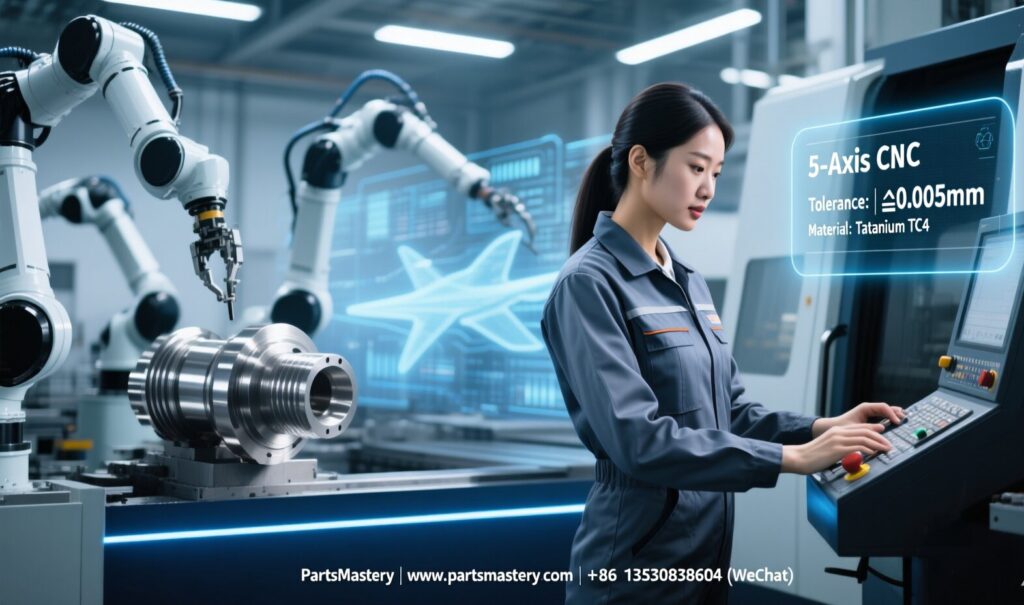
  • Five-axis simultaneous machining to produce complex geometries with fewer setups and higher accuracy.

  • Conformal cooling channels created via 3D metal printing (additive manufacturing), which reduces cycle times by 20–50% by removing heat more efficiently.

  • Real-time mold monitoring using sensors that track temperature, pressure, and flow, feeding data back to the injection molding machine for adaptive process control.

  • Digital twin simulation that predicts mold deflection, cooling uniformity, and part shrinkage before any metal is cut.

These technologies not only improve mold quality but also shorten development cycles and reduce the risk of costly design revisions.

The Importance of Local vs. Offshore Mold Manufacturers

One common dilemma is whether to source molds from a domestic supplier or an offshore manufacturer. Domestic mold makers typically offer faster communication, shorter shipping times, easier design revisions, and simpler warranty enforcement. However, they often charge higher prices due to labor and overhead costs.

Offshore manufacturers, particularly in regions like China, Taiwan, and India, can provide significant cost savings — often 30–50% less than Western counterparts. Many have invested heavily in modern equipment and skilled labor, closing the quality gap. The trade-offs include longer lead times, language barriers, time zone differences, and potential shipping damage or customs delays. Some companies choose a hybrid approach: building prototype molds offshore and production molds domestically, or vice versa.

Cost Structure of Mold Manufacturing

Understanding how mold manufacturers quote pricing helps you negotiate fairly. Typical cost components include:

  • Design and engineering – hours spent on CAD modeling, simulation, and DFM analysis.

  • 素材 – steel or aluminum blocks, plus heat treatment and coatings.

  • Machining – CNC, EDM, wire EDM, grinding, and polishing time.

  • Standard components – ejector pins, guide pillars, bushings, hot runner systems, and connectors.

  • Assembly and fitting – bench work to ensure proper parting lines, venting, and ejection.

  • Sampling and testing – trial shots, measurement reports, and adjustments.

  • Packaging and shipping – wooden crates, corrosion protection, freight.

A simple prototype mold for low-volume production might cost $3,000–$8,000, while a high-cavitation, hot-runner, fully hardened production mold for automotive or medical applications can exceed $50,000–$100,000. Always request a detailed breakdown and ask about optional features that could reduce long-term part costs.

Common Mistakes to Avoid When Working with Mold Manufacturers

Even experienced buyers sometimes fall into these traps:

  • Focusing only on initial price – a cheap mold may wear out quickly, produce inconsistent parts, or require frequent repairs. Total cost of ownership (TCO) is what matters.

  • Skipping the DFM review – rushing into mold building without DFM often leads to design flaws that require expensive rework or scrapped molds.

  • Unclear specifications – ambiguous drawings, missing tolerances, or undefined gate locations will result in a mold that doesn’t match your expectations.

  • Ignoring maintenance planning – every mold needs periodic refurbishment. Without a plan, your mold may fail in the middle of a production run.

  • Not validating the mold maker’s capabilities – a glossy website doesn’t guarantee quality. Always visit the facility or request a third-party audit if possible.

Future Trends in Mold Manufacturing

The mold industry continues to innovate. Expect to see wider adoption of artificial intelligence for predictive maintenance and process optimization, cloud-based collaboration platforms that link mold makers with molding shops in real time, and sustainable mold materials with lower carbon footprints. Additive manufacturing will not replace conventional machining for most molds, but it will excel at producing conformal cooling channels and complex core/cavity inserts that are impossible to machine.

Furthermore, the rise of Industry 4.0 means molds will become “smart” with embedded sensors and RFID tags that store their entire service history. This data will feed into digital twins of the production line, enabling zero-defect manufacturing.

結論

Mold manufacturing is a specialized craft that blends precision engineering, materials science, and practical shop-floor experience. Whether you are launching a new product or optimizing an existing production line, investing time in selecting the right mold manufacturer pays enormous dividends in part quality, cycle efficiency, and long-term reliability. Look beyond the price tag — evaluate technical expertise, quality systems, communication practices, and after-sales support. A world-class mold manufacturer doesn’t just sell you a tool; they become a partner in your success.

For professional mold manufacturing solutions tailored to your production needs, please reach out to パーツマスター. We combine advanced CNC and EDM capabilities with rigorous quality control and responsive customer service. Contact us today at +86 13530838604 (WeChat) to discuss your project requirements. Let us help you build molds that deliver precision, durability, and value — shot after shot.

CNCパーツ見積り

    2D/3D図面のアップロード

    最大ファイルサイズ:20MB

    プロジェクト詳細

    お問い合わせ

      あなたの業界

      2D/3D図面のアップロード

      ファイルをアップロードして即座にお見積もり (STEP、IGES、DWG、PDF、STL、ZIPなど、あらゆる形式の2D CAD図面および3D CADモデルを添付してください)。.

      最大ファイルサイズ:20MB

      プロジェクトの詳細(部品名/数量/材質/色/表面仕上げを含めてください。)