






• ホーム
  • -
  • ブログ
  • -
  • Injection Molding Service: Precision, Scalability, and Manufacturing Excellence

目次

Injection Molding Service: Precision, Scalability, and Manufacturing Excellence

Injection Molding Service: Precision, Scalability, and Manufacturing Excellence


Injection Molding Service

In the landscape of modern manufacturing, few processes have demonstrated the versatility, efficiency, and scalability of injection molding. From intricate medical components to durable automotive parts and high-volume consumer goods, injection molding remains the backbone of mass production. However, the quality of the final product is entirely dependent on the quality of the injection molding service behind it.

At PartsMastery, we recognize that injection molding is not merely about melting plastic and filling a cavity. It is a sophisticated interplay of material science, precision engineering, process control, and meticulous finishing. For businesses seeking to bring products to market—whether in the prototype phase or full-scale production—selecting the right injection molding partner is one of the most critical decisions they will make.

Understanding the Injection Molding Process

Injection molding is a manufacturing process that produces parts by injecting molten material—typically thermoplastic polymers, thermosets, or elastomers—into a precision-machined mold under high pressure. The material cools and solidifies within the mold cavity, taking the exact shape of the tool before being ejected as a finished component.

While the basic principle appears straightforward, the execution demands exceptional technical expertise. The process involves several critical phases:

Clamping: The mold halves must be securely held together under substantial force to withstand the injection pressure. Insufficient clamping force results in flash—unwanted excess material that compromises part integrity and aesthetics.

Injection: The molten material is injected into the mold cavity at precisely controlled temperatures, pressures, and flow rates. The injection parameters directly influence part quality, including dimensional accuracy, surface finish, and internal stress distribution.

Cooling: Once the cavity is filled, the part must cool to a temperature sufficient for ejection. Cooling typically accounts for the majority of the cycle time; efficient cooling channel design within the mold is essential for maximizing throughput while maintaining dimensional stability.

Ejection: After cooling, the mold opens and ejector pins push the finished part out of the cavity. Proper ejection system design prevents part deformation or damage during this final stage.

The Strategic Value of Professional Injection Molding Services

Partnering with an experienced injection molding service provider offers advantages that extend far beyond simply obtaining plastic parts.

Design for Manufacturability (DFM) Expertise

One of the most significant contributors to project success occurs before any metal is cut. A professional injection molding service evaluates part designs through the lens of manufacturability. This includes assessing draft angles to ensure clean ejection, optimizing wall thickness to prevent sink marks and warpage, designing rib structures for strength without adding excessive material, and strategically placing gate locations to achieve uniform fill.

When DFM principles are applied early, manufacturers avoid costly mold modifications, reduce cycle times, and achieve higher first-pass yield rates. The result is a product that not meets design specifications but does so efficiently and reliably.

Material Selection and Optimization

The range of materials available for injection molding is vast—from commodity resins like polypropylene and ABS to engineering thermoplastics such as polycarbonate, nylon, PEEK, and Ultem. Each material possesses unique properties: heat resistance, chemical compatibility, impact strength, flame retardancy, and regulatory compliance for medical or food contact applications.

A knowledgeable injection molding partner guides clients through material selection, considering both functional requirements and processing characteristics. Factors such as melt flow index, shrinkage rates, and drying requirements all influence mold design and process parameters. Selecting the right material upfront prevents performance failures and processing difficulties downstream.

Precision Tooling and Mold Manufacturing

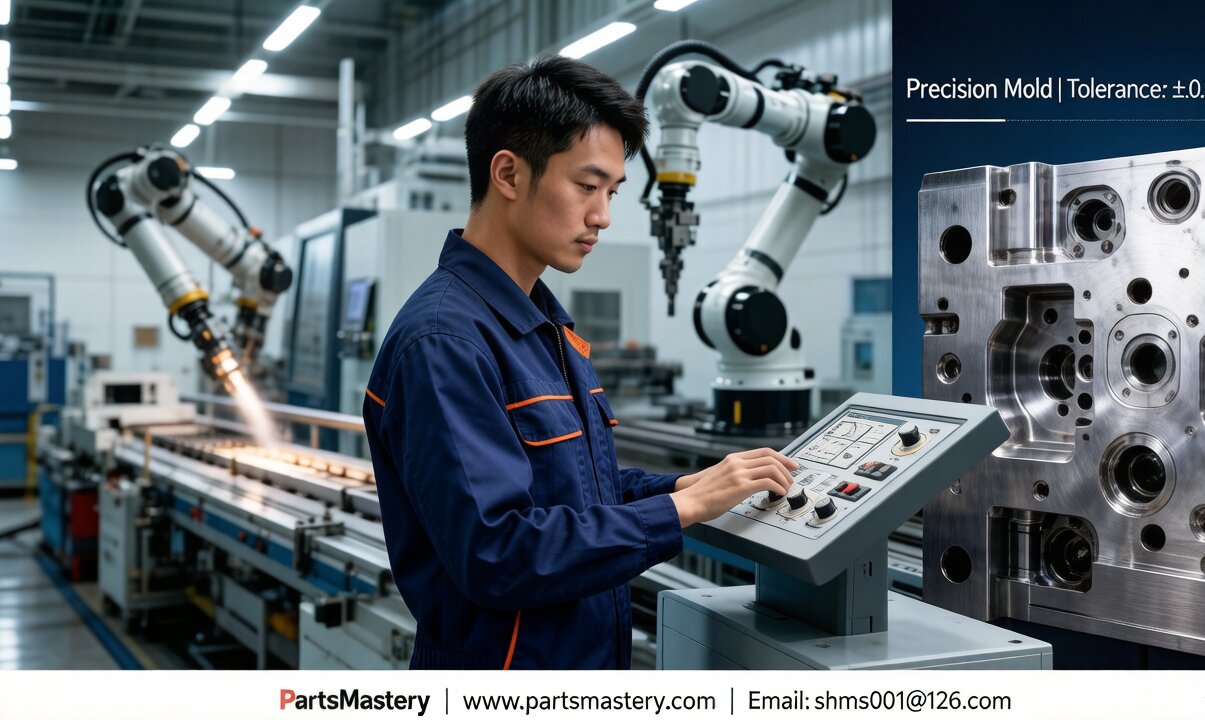
The mold itself is the heart of any injection molding operation. Professional injection molding services invest heavily in precision tooling capabilities. High-quality molds—whether prototype tools for low-volume production or multi-cavity production tools for high-volume runs—are machined from hardened steel, pre-hardened steel, or aluminum depending on the expected production volume and part complexity.

Advanced manufacturing technologies such as CNC machining, electrical discharge machining (EDM), and wire EDM enable the creation of complex geometries, tight tolerances, and superior surface finishes. A well-constructed mold produces consistent parts over hundreds of thousands or even millions of cycles, making it a durable capital asset.

Quality Assurance and Process Control

Injection molding involves numerous variables that can affect part quality. Temperature fluctuations, material variations, and environmental conditions all influence the final outcome. A professional injection molding service employs rigorous quality assurance protocols to ensure consistency.

In-Process Monitoring: Modern injection molding machines equipped with sensors continuously monitor critical parameters such as injection pressure, melt temperature, and cavity pressure. Real-time data collection enables operators to detect and correct deviations before they result in non-conforming parts.

First Article Inspection (FAI): Before production begins, the first parts produced undergo comprehensive dimensional inspection against the customer’s specifications. This validation step ensures that the mold produces parts within tolerance before full-scale production commences.

Statistical Process Control (SPC): For high-volume production, SPC methodologies track process stability over time. By monitoring key characteristics and identifying trends, manufacturers maintain consistent quality and predictably meet customer requirements.

Scalability: From Prototyping to Production

One of the defining advantages of professional injection molding services is scalability. A capable partner supports clients throughout the product lifecycle:

Prototyping and Bridge Tooling: For new product development, low-volume tooling options such as aluminum molds or soft steel tools enable rapid iteration and market validation without the investment of full-scale production tooling. These tools can produce hundreds to thousands of parts, bridging the gap between prototype validation and high-volume production.

Production Tooling: Once designs are validated and market demand is established, hardened steel production tools support high-volume manufacturing. Multi-cavity tools increase output efficiency, reducing per-part costs while maintaining consistent quality.

Secondary Operations: Many injection molding projects require additional finishing operations. Professional service providers offer integrated capabilities including trimming, assembly, pad printing, ultrasonic welding, and packaging, delivering finished components ready for integration into customer supply chains.

Industries Served by Injection Molding

The versatility of injection molding makes it indispensable across diverse industries:

  • 自動車: Interior trim components, under-hood parts, connectors, and lighting assemblies require materials with high heat resistance, impact strength, and dimensional stability.

  • Medical: Diagnostic devices, surgical instruments, drug delivery systems, and laboratory consumables demand cleanroom manufacturing, biocompatible materials, and rigorous quality systems.

  • Consumer Electronics: Housings, connectors, and structural components require tight tolerances, aesthetic surface finishes, and materials with specific electrical or thermal properties.

  • Food and Beverage: Containers, lids, utensils, and packaging components must comply with FDA and EU food contact regulations, utilizing materials that are safe and chemically resistant.

The PartsMastery Difference

At PartsMastery, our injection molding service is built upon a foundation of technical expertise, precision manufacturing, and unwavering commitment to quality. We understand that every project is unique—whether you are launching a new medical device, scaling production for automotive components, or developing consumer goods that demand flawless aesthetics.

Our approach begins with collaboration. We engage with clients early in the design phase to optimize part geometry for manufacturability, recommend the most suitable materials for performance and cost objectives, and develop tooling strategies aligned with production volume requirements. Throughout the manufacturing process, we maintain rigorous quality controls, ensuring that every part leaving our facility meets or exceeds specifications.

Conclusion

Injection molding remains one of the most efficient and reliable manufacturing processes available, but its success depends entirely on the expertise behind it. A professional injection molding service combines precision tooling, material science knowledge, process control discipline, and quality assurance systems to deliver components that perform consistently and reliably.

Whether you require low-volume prototyping, bridge tooling, or high-volume production, selecting the right partner determines not only the quality of your parts but also the efficiency of your supply chain and the speed of your time to market. With the right expertise, injection molding transforms concepts into finished products with precision, scalability, and confidence.

CNCパーツ見積り

    2D/3D図面のアップロード

    最大ファイルサイズ:20MB

    プロジェクト詳細

    お問い合わせ

      あなたの業界

      2D/3D図面のアップロード

      ファイルをアップロードして即座にお見積もり (STEP、IGES、DWG、PDF、STL、ZIPなど、あらゆる形式の2D CAD図面および3D CADモデルを添付してください)。.

      最大ファイルサイズ:20MB

      プロジェクトの詳細(部品名/数量/材質/色/表面仕上げを含めてください。)