





Fábricas de herramientas: Una guía completa para la excelencia en la fabricación de precisión
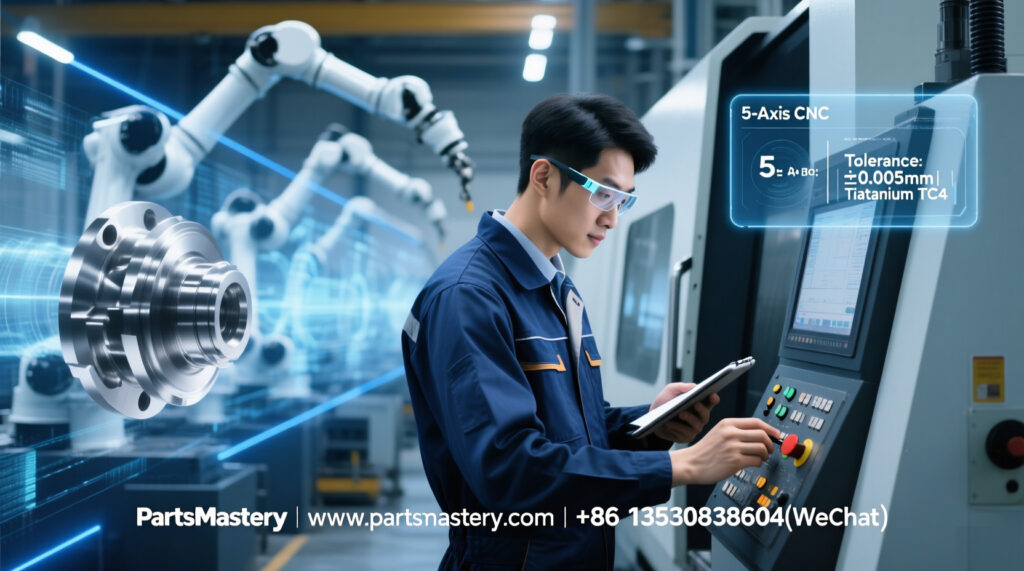
En el ecosistema global de fabricación, las fábricas de utillaje son la columna vertebral de la producción industrial. Estas instalaciones especializadas diseñan, crean y producen las herramientas esenciales -moldes, troqueles, herramientas de corte, plantillas y accesorios- que dan forma a prácticamente todas las piezas de metal, plástico y materiales compuestos que utilizamos a diario. Desde los bloques de motor de los automóviles hasta las carcasas de los smartphones, pasando por los implantes médicos y los componentes estructurales de los aviones, ninguno existiría sin el trabajo de precisión que se realiza en las fábricas de fabricantes de herramientas profesionales.
Esta completa guía explora las características de una fábrica de utillaje de categoría mundial, el funcionamiento de los procesos de producción, las normas de calidad más importantes y consejos prácticos para encontrar socios que ofrezcan un utillaje de alto rendimiento.
¿Qué son las fábricas de herramientas?
Las fábricas de herramientas son instalaciones dedicadas a la fabricación de herramientas para procesos de producción a gran escala. A diferencia de los talleres mecánicos generales, que fabrican piezas únicas, las fábricas de herramientas cuentan con equipos especializados, laboratorios de metrología y controles de procesos optimizados para garantizar la repetibilidad y una larga vida útil.
La producción de estas fábricas se divide en varias categorías:
-
Herramientas de corte - fresas, brocas, escariadores, machos, plaquitas y brochas
-
Moldes - moldes de inyección, moldes de compresión, moldes de transferencia
-
Troqueles - matrices de estampación, matrices de conformación, matrices de embutición, matrices de forja
-
Herramientas de sujeción - plantillas, dispositivos, tornillos de banco y mandriles
-
Herramientas de medición - calibres, plantillas y útiles de inspección
Cada producto requiere flujos de trabajo de fabricación diferentes, pero todos comparten la exigencia común de una precisión extrema, una selección de materiales adecuada y una verificación rigurosa de la calidad.
Capacidades de producción básicas de las principales fábricas de utillaje
Las fábricas modernas de utillaje se definen por su equipamiento, integración de procesos y mano de obra cualificada. Las fábricas más capaces invierten en:
Centros de rectificado y mecanizado CNC - Rectificadoras de 5 ejes de alta precisión para herramientas de metal duro y HSS; centros de fresado y torneado CNC para componentes de moldes y matrices; electroerosión por hilo y electroerosión por penetración para cavidades complejas y geometrías internas estrechas.
Instalaciones de tratamiento térmico - Hornos de vacío, hornos de revenido y tratamiento criogénico internos para lograr una dureza, tenacidad y estabilidad dimensional óptimas. El control interno del proceso de tratamiento térmico reduce los riesgos de subcontratación y garantiza la uniformidad.
Sistemas de revestimiento - Equipos de deposición física en fase vapor (PVD) y deposición química en fase vapor (CVD) para aplicar revestimientos resistentes al desgaste como TiN, TiAlN, AlCrN y DLC. Las fábricas avanzadas ofrecen recetas de revestimiento personalizadas adaptadas a materiales y condiciones de corte específicos.
Metrología e inspección - Máquinas de medición por coordenadas (MMC), comparadores ópticos, rugosímetros, durómetros y sistemas de escaneado láser. Las fábricas de gama alta mantienen salas de inspección climatizadas y utilizan el control estadístico de procesos (CEP) para supervisar las tendencias de producción.
Diseño y simulación de herramientas - Paquetes de software CAD/CAM/CAE que permiten el modelado 3D, la optimización de la trayectoria de la herramienta, el análisis de elementos finitos (FEA) y la simulación del flujo del molde antes de cortar el acero. Esta interfaz digital reduce el proceso de prueba y error y acelera la aprobación de la primera pieza.
Cómo las fábricas de herramientas garantizan una calidad constante
La calidad en la fabricación de herramientas no es accidental: se consigue mediante sistemas y disciplina. Las fábricas profesionales operan bajo marcos de gestión de calidad reconocidos internacionalmente, normalmente ISO 9001:2015. Las fábricas de los sectores aeroespacial, médico o de defensa suelen contar con certificaciones adicionales como AS9100D o ISO 13485.
Más allá de las certificaciones, las prácticas de calidad observables incluyen:
-
Inspección del material entrante - Cada barra, placa o polvo se verifica con los certificados del laminador y se comprueba su dureza, microestructura y composición.
-
Controles en curso - Las dimensiones críticas se miden en varias fases (tras el desbaste, tras el tratamiento térmico, tras el acabado) para detectar las desviaciones a tiempo.
-
Inspección del primer artículo (FAI) - Pruebas dimensionales y funcionales completas de la primera pieza de cada serie de producción, con informes detallados.
-
Pruebas de rendimiento de las herramientas - Pruebas reales de corte o conformado en materiales representativos para validar la vida útil de la herramienta, el acabado superficial y la fiabilidad del proceso.
-
Trazabilidad - Marcado por láser, números de serie grabados o etiquetas RFID en cada herramienta, vinculadas al lote de producción, al lote de material y a los resultados de la inspección.
Las fábricas que facilitan habitualmente estos registros de calidad demuestran capacidad y transparencia. Como comprador, solicite siempre muestras de los FAIR (First Article Inspection Reports) antes de realizar pedidos de gran volumen.
Ventajas de abastecerse en fábricas de utillaje especializadas
Trabajar directamente con fábricas especializadas en la fabricación de utillaje -en lugar de con empresas comerciales o talleres de mecanizado polivalentes- ofrece claras ventajas:
Eficiencia de costes - Los precios directos de fábrica eliminan los márgenes de intermediarios. Para pedidos de gran volumen, muchas fábricas ofrecen precios escalonados basados en compromisos de cantidades anuales.
Plazos de entrega más cortos - Las fábricas integradas verticalmente controlan todo su programa de producción. No dependen de subcontratistas para el rectificado, el tratamiento térmico o el revestimiento. Los plazos de entrega habituales para utillajes estándar oscilan entre 7 y 20 días; los utillajes personalizados, entre 20 y 45 días.
Colaboración en ingeniería - Cuando surge un problema (por ejemplo, desgaste prematuro, astillado, mal acabado superficial de sus piezas), los ingenieros de la fábrica pueden analizar las herramientas averiadas, recomendar modificaciones geométricas o de revestimiento e implantar mejoras rápidamente.
Protección de la propiedad intelectual - Las fábricas reputadas firman acuerdos de no divulgación y tratan los diseños de los clientes como confidenciales. Como se centran en el utillaje y no en la producción en serie de productos finales, no tienen ningún incentivo para hacer un uso indebido de su propiedad intelectual.
Personalización sin mínimos - Incluso una única herramienta personalizada es factible para muchas fábricas. Sus equipos CNC funcionan con programas digitales, por lo que el cambio de una geometría estándar a una personalizada no requiere nuevas herramientas, solo un código actualizado.
Panorama mundial: Por qué muchos compradores recurren a las fábricas de herramientas asiáticas
Mientras que Europa y Norteamérica mantienen sólidas industrias de utillaje -especialmente de moldes de alta complejidad y matrices de calidad aeroespacial-, Asia se ha convertido en la planta de producción mundial de utillaje. China, en particular, alberga miles de fábricas de utillaje, desde pequeños talleres especializados hasta grandes instalaciones con cientos de máquinas CNC.
Las ventajas de abastecerse en fábricas de utillaje asiáticas consolidadas incluyen:
-
Menores costes laborales y generales se traducen en un ahorro del 30-60% en comparación con los proveedores occidentales para una calidad comparable.
-
Cadenas de suministro densas - Las piezas en bruto de metal duro, las planchas de acero, los servicios de revestimiento y los materiales de embalaje están disponibles localmente, lo que reduce los plazos de aprovisionamiento y los costes logísticos.
-
Escalabilidad - Una fábrica que produce 500 fresas al día puede aumentar rápidamente a 2.000 al día con horas extraordinarias o turnos adicionales.
-
Experiencia en exportación - Muchas fábricas realizan envíos diarios a Europa, Norteamérica, Sudamérica y Oriente Medio, y gestionan con eficacia toda la documentación, el embalaje de exportación y las condiciones de envío (EXW, FOB, CIF).
La clave está en identificar fábricas que combinen una producción de bajo coste con un riguroso control de calidad y una comunicación receptiva.
Cómo evaluar y seleccionar fábricas de herramientas
Ya sea en el ámbito local o internacional, siga esta lista de comprobación a la hora de evaluar posibles fábricas:
-
Comprobar el ajuste técnico - ¿Se ajusta el equipo de la fábrica a las tolerancias y materiales que usted necesita? Pida una lista de capacidades (tamaño máximo de la pieza, acabado superficial alcanzable, gama de durezas, opciones de revestimiento).
-
Solicitar muestras - Compre herramientas de muestra antes de hacer grandes pedidos. Pruébelas en sus máquinas con sus materiales y refrigerante. Compare la vida útil de las herramientas, la calidad de las piezas y la uniformidad entre varias muestras.
-
Auditoría o visita en vídeo - Visite la fábrica si es posible, o solicite una visita en directo por vídeo. Busque un almacén de herramientas organizado, zonas de inspección limpias y equipos en buen estado.
-
Revisar los registros de calidad - Pida informes recientes de inspección de primer artículo, certificados de materiales y gráficos SPC. Verifique que practican la calibración interna de los instrumentos de medición.
-
Evaluar la comunicación - Envíe una consulta técnica con un dibujo o una especificación. ¿Con qué rapidez responden? ¿Hacen preguntas aclaratorias o simplemente hacen un presupuesto? Una comunicación clara durante la fase de oferta suele continuar durante la producción.
-
Comprender las condiciones comerciales - Cantidades mínimas de pedido, condiciones de pago (normalmente 30-50% de depósito, el resto antes del envío), periodo de garantía y políticas de devolución de herramientas no conformes.
Tecnologías emergentes en las fábricas de herramientas
Las fábricas de herramientas no son estáticas. Varias tendencias tecnológicas están reconfigurando su funcionamiento:
Células de producción automatizadas - Rectificadoras CNC robotizadas que funcionan sin luz durante los turnos segundo y tercero, lo que reduce los costes de mano de obra y aumenta el rendimiento.
Gemelo digital y simulación - Antes de rectificar una sola herramienta, la fábrica simula virtualmente todo el proceso, identificando los riesgos de colisión, la optimización del tiempo de ciclo y las predicciones de acabado superficial.
Fabricación aditiva de herramientas - Impresión 3D de canales de refrigeración conformados en moldes y herramientas híbridas que combinan características complejas fabricadas de forma aditiva con interfaces mecanizadas de forma tradicional.
Datos de la herramienta inteligente - Algunas fábricas incorporan ahora etiquetas RFID o códigos QR en cada herramienta, que enlazan con una base de datos en la nube desde la que se pueden descargar informes de inspección, parámetros de corte recomendados y enlaces para realizar nuevos pedidos.
Conclusión
Las fábricas de utillaje son los facilitadores silenciosos de la fabricación moderna. Tanto si produce millones de piezas metálicas estampadas, miles de componentes moldeados por inyección o conjuntos mecanizados altamente especializados, la calidad, el coste y la consistencia de su utillaje determinan directamente su éxito. Si conoce el funcionamiento de las fábricas profesionales -sus equipos, sistemas de calidad, capacidad de los materiales y tecnologías emergentes- podrá tomar decisiones de aprovisionamiento fundamentadas que impulsen la eficiencia a largo plazo.
PartsMastery opera como socio de confianza en este espacio, conectando a los compradores con utillaje de alto rendimiento procedente de fábricas de talla mundial. Con procesos certificados ISO 9001:2015, rectificado y fresado CNC internos, líneas de recubrimiento avanzadas y un equipo de ingeniería especializado que habla inglés con fluidez, PartsMastery ofrece utillaje de precisión que cumple o supera sus expectativas. Nuestra red de fábricas nos permite ofrecer precios competitivos, prototipos en tan solo 7 días y producción en serie con total trazabilidad.
¿Está listo para actualizar su cadena de suministro de herramientas? Póngase en contacto con PartsMastery hoy:
📞 +86 13530838604 (WeChat)
Analicemos su aplicación, revisemos sus planos y ofrezcamos una solución que mantenga su producción al máximo rendimiento.