






The automotive sector is a core pillar of high-end manufacturing. It enforces strict industry standards for part accuracy, structural reliability, and service life. Today, new energy, smart connected, and high-performance vehicles are evolving fast. As a result, automotive component manufacturing is shifting toward higher precision, greater efficiency, and lighter designs.
CNC turning is the core process for machining rotary parts. It offers high automation, consistent accuracy, fast production, and broad material compatibility. For these reasons, it has become an essential technology in automotive component production. PartsMastery brings years of precision machining expertise to the field. We have developed mature CNC turning solutions for diverse automotive part needs. Our solutions cover everything from traditional fuel vehicle parts to new energy vehicle components.
1. Process Characteristics and Technical Strengths of CNC Turning
CNC turning relies on a computer numerical control (CNC) system. It guides cutting tools along pre-programmed paths with high precision. The process shapes workpieces that rotate at high speed while secured in the machine. It is the standard machining process for rotary parts like shafts, sleeves, and discs.
Traditional horizontal lathes rely on manual operation, which brings random human errors. In contrast, CNC turning uses digital programs to repeat exact machining paths. This greatly reduces errors and ensures consistent part dimensions across batch production. It also handles high-precision parts with complex curves and multi-step structures. This makes it a perfect fit for the auto industry’s strict demands for tight tolerances, smooth surfaces, and complex designs. It remains one of the core technologies supporting large-scale, high-quality auto part production.
2. CNC Turning Application Scenarios for Conventional Automotive Core Systems
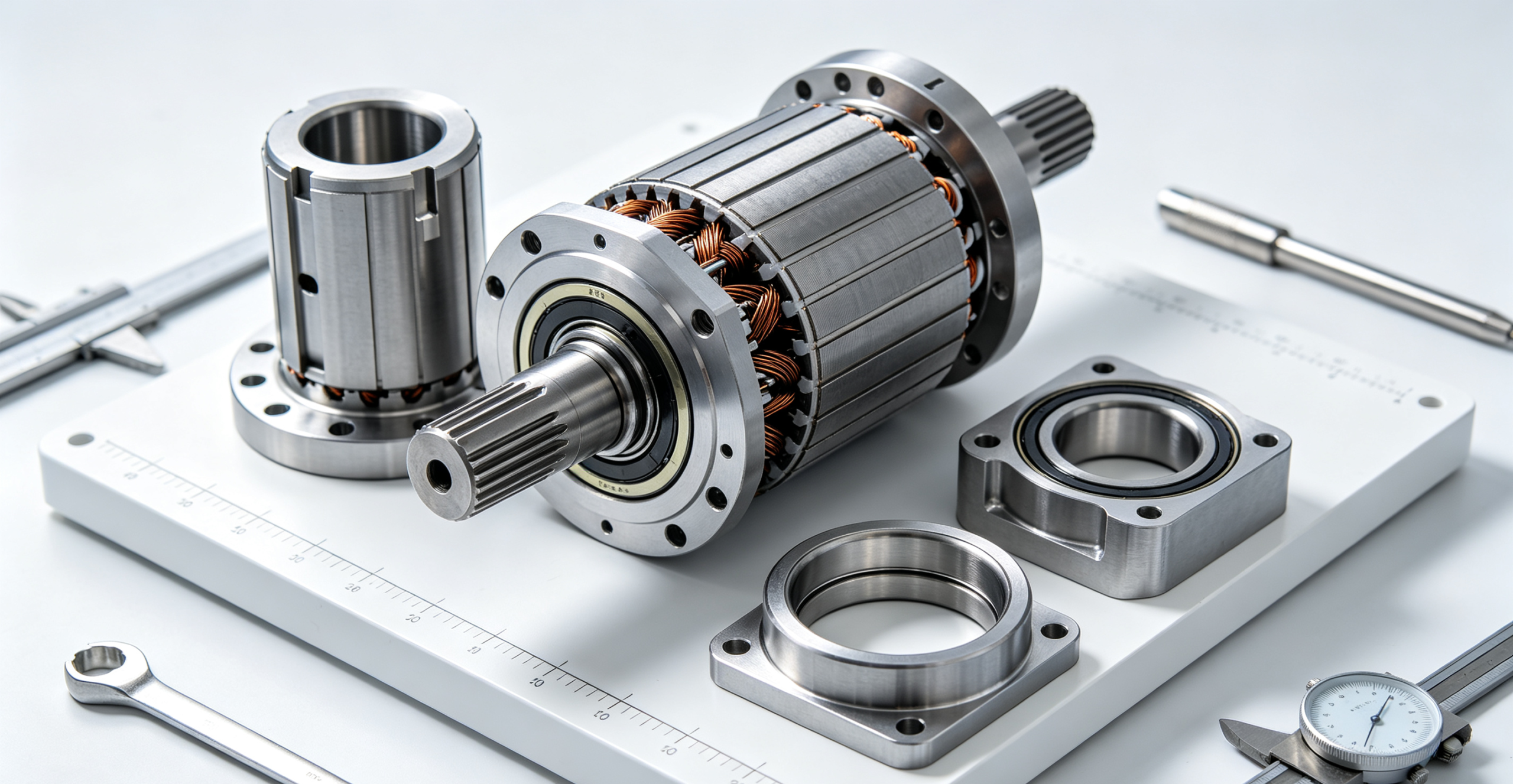
A complete vehicle contains hundreds of high-precision rotary mechanical parts. These parts work long-term under harsh, complex conditions. They face high-speed rotation, alternating loads, friction, wear, and temperature changes. For this reason, they demand extremely high machining quality. CNC turning can create custom machining processes for different parts. It matches each process to the part’s structure and performance needs. In turn, this ensures stable, reliable product performance over time.
2.1 Precision Machining of Engine System Components
The engine is the core power unit of any vehicle. The machining precision of its internal parts directly impacts power efficiency and operational reliability. CNC turning delivers precision machining for all types of key engine parts. It also maintains uniform dimensions across every production batch.
Piston pins need exceptional roundness and a smooth surface finish. They must perform reliably under the high-speed reciprocating motion of pistons. CNC turning keeps roundness errors at the micron level. This reduces power loss caused by loose fitting clearances.
Camshaft and crankshaft connectors have multiple fitting steps and mounting datums. CNC turning machines multiple outer diameters, end faces, and chamfers in a single setup. Specifically, it ensures strict concentricity across every shaft segment.
Meanwhile, fuel injection system components have strict requirements for inner cavity and outer diameter fit accuracy. When paired with precision cutting tools, CNC turning delivers stable machining for tiny features. As a result, it preserves proper fuel atomization and precise injection control.
The inner bore accuracy and surface quality of cylinder liners directly affect cylinder sealing and piston wear rate. CNC turning creates high-precision inner bores for cylinder liners via the finishing pass. This provides a stable machining baseline for the follow-up honing process.
2.2 Machining of Transmission System Functional Components
The transmission system handles two core functions: power delivery and speed adjustment. It contains many precision rotary parts that need exact dimensional fits and steady performance.
CNC turning efficiently machines a wide range of transmission parts. These include drive shafts, gear bushings, core clutch parts, drive connectors, positioning sleeves, and hydraulic control elements.
For long shafts and complex multi-step parts, CNC turning uses continuous feed machining. This avoids positioning errors from repeated clampings. Furthermore, it improves the geometric tolerance accuracy of transmission parts. It also ensures smooth power transfer and cuts vibration and noise during operation. All these benefits boost the vehicle’s overall NVH performance.
3. Core Improvements of CNC Turning on Component Manufacturing Quality
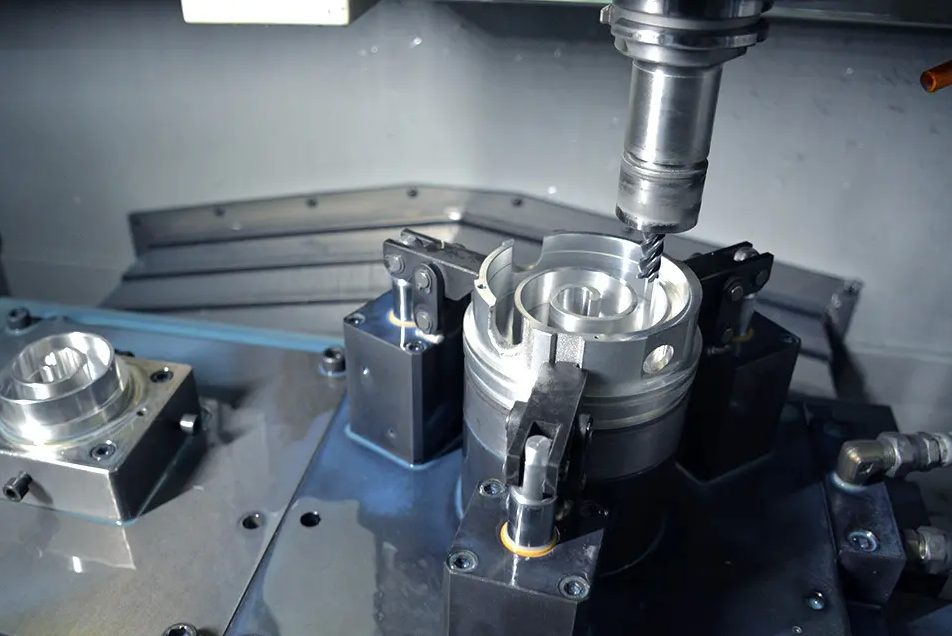
Dimensional deviations and surface flaws directly harm a vehicle’s performance, safety, and service life. CNC turning uses digital program control for full closed-loop process management. In this way, it improves auto part manufacturing quality across multiple dimensions.
3.1 Dimensional Accuracy and Batch Consistency Management
In large-scale mass production, consistent part dimensions are critical. They form the foundation for efficient, high-quality vehicle assembly.
CNC turning programs run identical cutting paths and process parameters every time. No manual adjustment of tool position or feed rate is needed. Therefore, the process stably controls dimensional tolerances, positioning accuracy, and geometric tolerances. It also guarantees uniform specifications for all parts in the same batch.
Stable dimensional control cuts part rework and scrap rates significantly. It also speeds up fitting during vehicle assembly and reduces interference issues from size mismatches. Ultimately, it helps automakers optimize production workflows and lower overall quality control costs.
3.2 Surface Quality and Service Performance Optimization
Moving automotive parts work under high-speed relative motion and tight fit conditions. Their surface quality directly decides wear resistance, lubrication performance, and service life.
CNC turning optimizes cutting speed, feed rate, and tool geometry. This effectively lowers part surface roughness and reduces tool marks and surface flaws. It also creates a more uniform surface finish across every part.
A high-quality surface finish reduces the friction coefficient of mating surfaces. It also helps lubricating films adhere better and extends the wear life of parts. Additionally, it improves sealing performance and operational reliability for all fitted components.
4. New CNC Turning Scenarios in Electric Vehicle Manufacturing
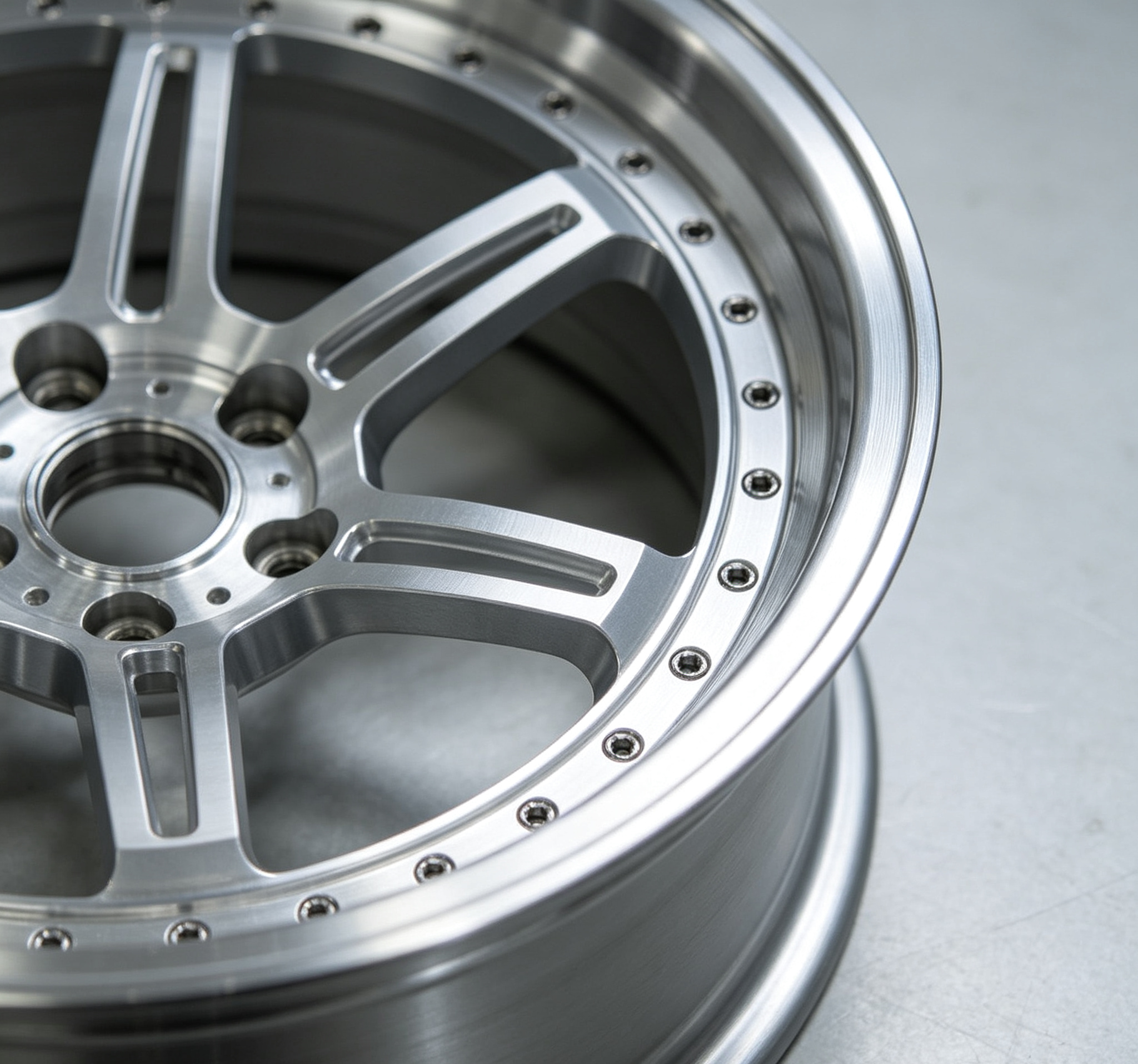
The large-scale adoption of new energy vehicles has brought new technical requirements for component manufacturing. Drive motors, electronic control systems, and lightweight bodies all set higher bars. They demand better machining accuracy and stronger material adaptability. CNC turning offers flexible process adjustability. For this reason, it delivers reliable technical support for mass production of EV components.
4.1 Precision Machining of Core Drive Motor Components
New energy vehicle drive motors contain many high-precision rotary parts. The machining accuracy of these parts directly impacts motor stability, energy efficiency, and NVH performance.
CNC turning machines core motor parts with consistent quality. These include motor spindles, rotor connectors, precision sleeves, bearing housings, and structural brackets.
Motor shafts require strict concentricity and dynamic balance. CNC turning machines all rotary surfaces in a single setup to meet these needs. It keeps concentricity errors within required limits for every shaft segment. Consequently, it prevents vibration and noise during high-speed motor operation. It also boosts the motor’s operational stability and service life.
4.2 Efficient Machining of Lightweight Material Parts
Driving range is one of the core performance metrics for new energy vehicles. For this reason, automakers widely use lightweight metals like aluminum and magnesium alloys. These materials cut vehicle weight and improve energy efficiency.
CNC turning adjusts cutting parameters and tooling to match light alloy material properties. It delivers efficient, high-quality machining for aluminum alloy shafts, lightweight connectors, and battery system parts. It also works well for precision housings and lightweight transmission components.
Optimized cutting parameters prevent common defects like tool sticking and built-up edge. This preserves dimensional accuracy and surface quality for lightweight parts. At the same time, it maintains structural reliability while reducing overall vehicle weight.
5. Production Efficiency and Cost Optimization with CNC Turning
The automotive industry is a classic large-scale mass production sector. Production efficiency and manufacturing costs are key parts of a company’s competitive edge. CNC turning uses two key strategies to drive value: automated machining and multi-process integration. Together, they boost auto part production efficiency and lower overall manufacturing costs.
5.1 Automated Machining Shortens Production Cycles
Modern CNC lathes come with automatic tool changers, feeders, and in-line inspection units. These features enable low-manned or even fully unmanned machining operations.
Automated machining cuts down on manual auxiliary time. It also increases the effective runtime of equipment and shortens per-part machining cycles. Moreover, it lowers labor costs and reduces quality fluctuations from human error.
This efficient automated production gives part makers greater agility. They can respond quickly to volume shifts and order changes from automakers. In short, it makes the entire supply chain more flexible and responsive.
5.2 Multi-Process Integration Enhances Manufacturing Efficiency
High-end turn-mill centers combine multiple processes in one clamping setup. These include turning, drilling, tapping, and milling. This creates a “one setup, complete finish” composite machining model.
Multi-process integration greatly reduces the number of workpiece clampings. It also eliminates positioning errors from repeated setups and cuts wait times between processes. All in all, it streamlines the entire production workflow.
This integrated approach improves the geometric accuracy of parts. It also makes better use of factory floor space and equipment. As a result, it effectively lifts overall automotive component manufacturing capacity.
6. Industry Summary and Development Outlook
The automotive industry keeps advancing toward smarter, electrified, and higher-performance designs. Accordingly, component manufacturing will demand even better accuracy, efficiency, and material adaptability from machining processes.
CNC turning remains the core machining technology for rotary parts. It offers unbeatable advantages in precision, efficiency, automation, and material flexibility. For these reasons, it holds an irreplaceable role in automotive manufacturing.
CNC turning serves every corner of modern automotive manufacturing. It supports power and transmission parts for traditional fuel vehicles. It also powers motor and lightweight structural parts for new energy vehicles.
PartsMastery will continue to refine its CNC turning process solutions. We combine high-end CNC equipment, smart inspection systems, and optimized cutting processes. Our goal is to help auto part makers improve quality, shorten lead times, and cut production costs.
Looking ahead, the automotive industry will keep evolving at a rapid pace. CNC turning technology will deliver even greater value across key sectors. These include powertrains, smart drive components, electronic integrated parts, and lightweight structures. Above all, it will provide more efficient, precise manufacturing support for the auto industry’s technological upgrades.