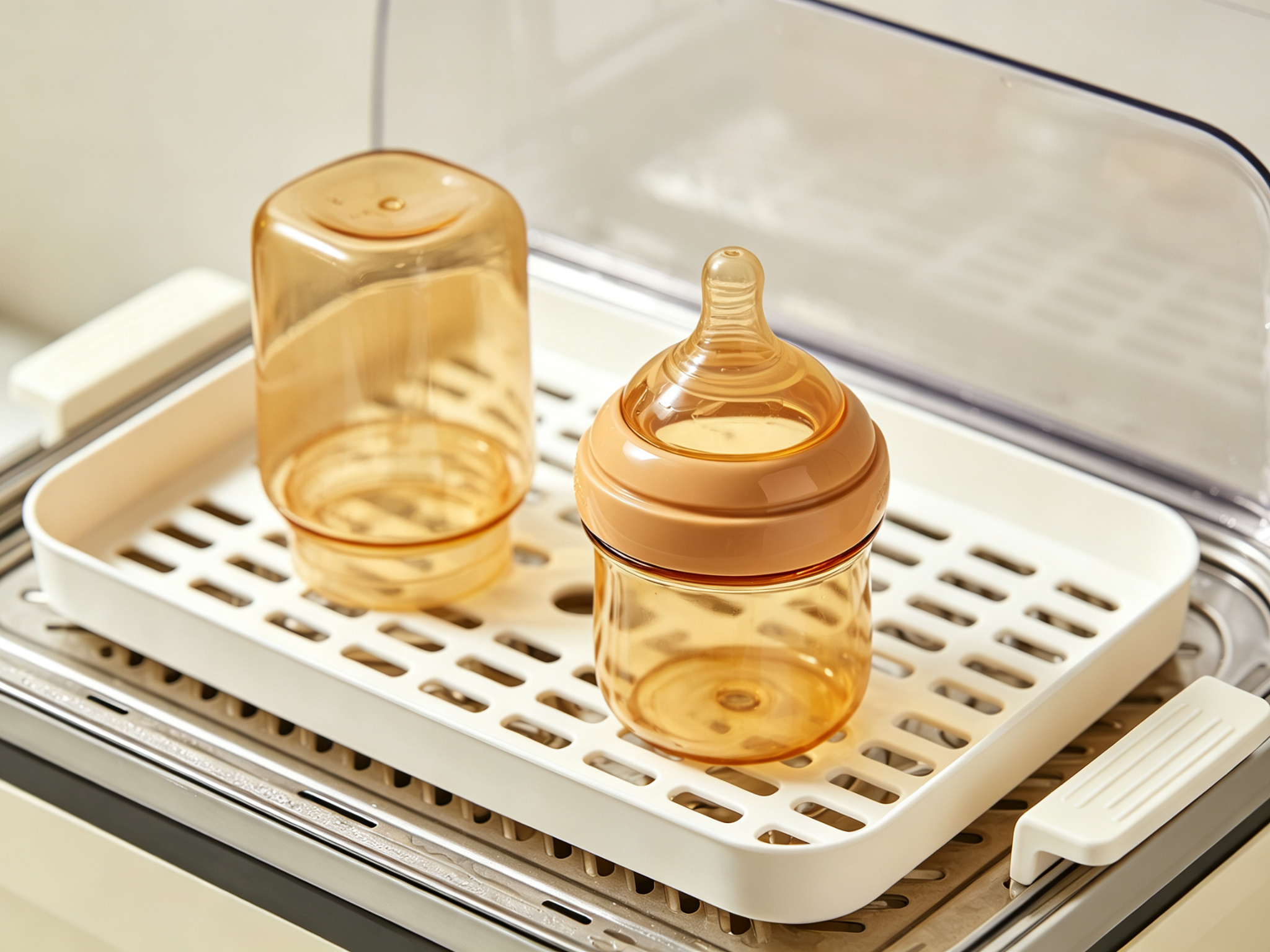
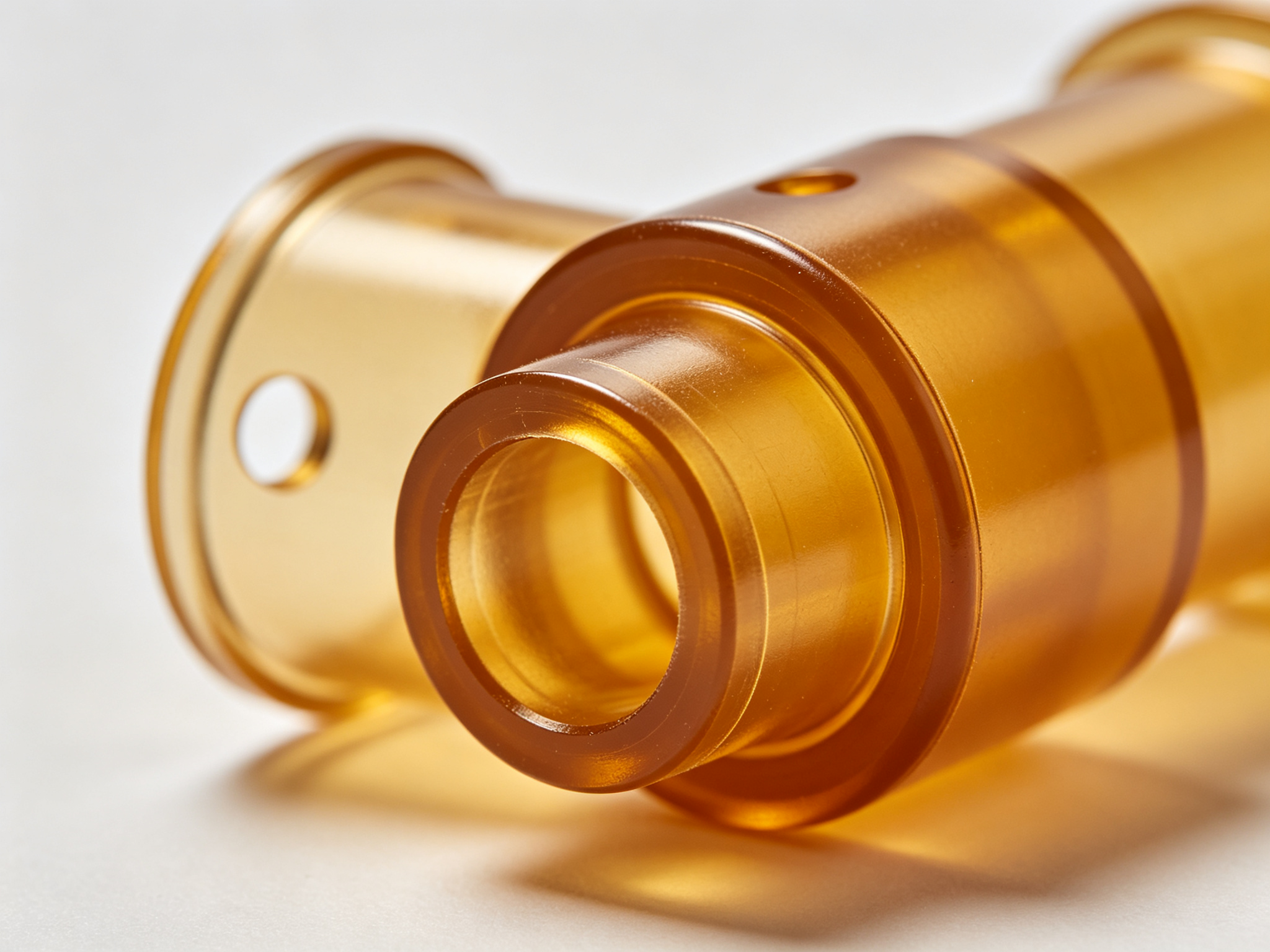
In baby care products, medical devices, food-contact components, and industrial plastic assemblies, engineers choose between PPSU and PP. This decision directly impacts product safety, service life, and manufacturing cost. PP dominates the general-purpose plastics market with its lightweight nature and cost-effectiveness. PPSU, by contrast, has become the preferred material for high-end reusable products. It offers outstanding heat resistance, impact strength, and repeated sterilization stability.
However, simply assuming that “PPSU is always better than PP” is a misconception. Proper material selection requires a comprehensive evaluation. Engineers must assess operating temperature, sterilization frequency, mechanical load, safety compliance, expected service life, and total lifecycle cost. This guide starts from the molecular structure level. It systematically compares the core properties, CNC machining characteristics, typical applications, and cost-effectiveness of both materials. The result is an actionable material selection framework for engineers and product designers.
1. In-Depth Analysis of PPSU Material
1.1 Molecular Structure and Basic Properties
Polyphenylsulfone (PPSU) is an amorphous high-performance thermoplastic engineering plastic. Its molecular backbone contains rigid benzene rings and sulfone groups (-SO₂-). Ether linkages (-O-) supplement this structure and provide a certain degree of molecular chain flexibility. This unique molecular structure gives PPSU an extremely high glass transition temperature (Tg approximately 220°C). It also delivers excellent mechanical properties and outstanding thermal stability.
Unlike many semi-crystalline plastics, PPSU is completely amorphous. This means it does not form crystalline regions during cooling. As a result, it offers excellent dimensional stability and extremely low molding shrinkage (typically 0.1%–0.3%). Furthermore, the amorphous structure gives PPSU its distinctive amber translucent appearance. Its light transmittance reaches 70%–80%.
1.2 Core Performance Advantages
The performance advantages of PPSU concentrate in four dimensions. First, it offers exceptional heat resistance. Its heat deflection temperature (HDT at 1.82 MPa) reaches as high as 207°C. It can also operate long-term at 180°C without significant performance degradation. Second, it delivers outstanding impact strength. Its notched impact strength reaches 600–700 J/m. It maintains good toughness even at low temperatures. This earns it the reputation as “the upgraded polycarbonate among transparent plastics.”
Third, PPSU provides excellent chemical resistance and sterilization stability. It can withstand more than 1,000 steam sterilization cycles (134°C, 2.3 bar). It also resists most disinfectants, medical cleaners, alcohol, and weak acids and bases. Fourth, it offers long-term dimensional stability. Under high-temperature and high-humidity conditions, PPSU creeps far less than PP or PC. This makes it ideal for seals and assembly components with strict fit precision requirements.
1.3 Limitations and Processing Requirements
The main limitation of PPSU is its relatively high cost. Raw material prices typically run 8–15 times that of PP. Its processing window is also narrower. During injection molding, operators must control the barrel temperature at 340–390°C. The mold temperature should stay at 160–200°C. These conditions place high demands on equipment heating capacity and temperature control precision. Additionally, PPSU is sensitive to moisture at high temperatures. Manufacturers must perform strict drying (150°C for 4–6 hours) before processing. Otherwise, the finished product may develop silver streaks, bubbles, or reduced mechanical properties.
2. In-Depth Analysis of PP Material
Polypropylene (PP) is a semi-crystalline thermoplastic plastic. Manufacturers produce it by coordination polymerization of propylene monomers. Based on the spatial arrangement of methyl groups (-CH₃) on the molecular chain, PP falls into three categories. These include isotactic polypropylene (iPP), syndiotactic polypropylene (sPP), and atactic polypropylene (aPP). Isotactic PP has regular methyl arrangement, high crystallinity, and the widest application. Commercially available PP is predominantly isotactic polypropylene, with a crystallinity of approximately 40%–60%.
PP has a density of only 0.90–0.91 g/cm³. This makes it one of the lightest general-purpose plastics. Its glass transition temperature is approximately -10°C. Its melting point is 160–170°C. Its heat deflection temperature (HDT at 1.82 MPa) is approximately 55–70°C for homopolymer PP. With mineral filling or glass fiber reinforcement, it can rise above 100°C. The semi-crystalline structure gives PP good chemical resistance and fatigue resistance. However, it also results in relatively high molding shrinkage (1.0%–2.5%). This makes dimensional accuracy control more challenging than with amorphous plastics.
2.2 Core Performance Advantages
The core advantages of PP first appear in its extremely high cost-performance ratio. Raw material costs are only 1/8–1/15 of PPSU. Processing temperatures are low (injection barrel temperature 180–240°C) with low energy consumption. This makes it highly suitable for mass production. Second, it offers excellent chemical corrosion resistance. PP resists most acids, bases, salt solutions, alcohols, detergents, and oils. It is the mainstream material in the chemical container and packaging sectors.
Third, PP delivers outstanding bending fatigue resistance. Its molecular chain structure enables it to withstand tens of thousands of repeated bending cycles without breaking. Manufacturers widely utilize this property in hinge design (so-called “living hinges”). Fourth, it provides good electrical insulation and low water absorption. PP has a water absorption rate below 0.01%. It maintains stable electrical properties in humid environments. This makes it suitable for electronic and electrical insulation components. Additionally, PP has good food-contact safety. It complies with food-contact material regulations in multiple countries, including FDA, EU 10/2011, and GB 4806.7.
2.3 Limitations and Usage Boundaries
The main limitations of PP include insufficient heat resistance. Homopolymer PP typically has a long-term service temperature not exceeding 100°C. Its mechanical properties also degrade significantly at high temperatures. It has poor weather resistance as well. The tertiary carbon atoms in the PP molecular chain are prone to oxidative degradation under UV irradiation. For outdoor use, manufacturers must add UV absorbers and light stabilizers. Furthermore, its impact resistance drops significantly at low temperatures. Homopolymer PP has a brittleness temperature of approximately 0–10°C. It is prone to brittle fracture in winter or low-temperature environments. Manufacturers typically improve this through copolymer modification (such as ethylene-propylene copolymer PP) or elastomer addition.
In addition, PP has poor oxidation resistance and radiation resistance. It is prone to thermal-oxidative aging in high-temperature aerobic environments. It is also not suitable for sterilization using gamma rays or electron beams. These high-energy radiations cause molecular chain scission and performance degradation. In CNC machining, the low rigidity and high toughness of PP create challenges. The material is prone to elastic deformation and burr formation during cutting. This makes precision tolerance control significantly more difficult than with PPSU.
3. Quantitative Comparison Across Ten Key Dimensions
To demonstrate the performance differences more intuitively, the following provides a quantitative comparison across ten key engineering dimensions. All data in the table come from typical material property datasheets provided by material manufacturers. Actual values may vary depending on specific grades, processing conditions, and testing standards.
Comparison Dimension
PPSU (Polyphenylsulfone)
PP (Polypropylene)
Density (g/cm³)
1.29
0.90–0.91
Glass Transition Temperature Tg (°C)
~220
~-10
Heat Deflection Temperature HDT (°C, 1.82MPa)
207
55–70 (homopolymer) / 100+ (filled)
Long-term Service Temperature (°C)
180
80–100
Tensile Strength (MPa)
70–75
30–40
Notched Impact Strength (J/m)
600–700
20–80 (homopolymer) / 100+ (copolymer)
Molding Shrinkage (%)
0.1–0.3
1.0–2.5
Water Absorption (%)
0.37 (24h)
<0.01
Steam Sterilization Resistance
≥1000 cycles (134°C)
Limited (prone to deformation and aging with repeated high temperature)
Raw Material Cost (relative value)
8–15×
1× (baseline)
4. In-Depth Analysis of Core Differences
4.1 Heat Resistance and Thermal Deflection Behavior
Heat resistance is the most significant performance difference between PPSU and PP. PPSU has a glass transition temperature as high as 220°C. This means that below 200°C, its molecular chain segment motion is strictly limited. The material maintains a rigid glassy state with minimal mechanical property degradation. In contrast, PP has a glass transition temperature of only -10°C. At room temperature, its amorphous region is already in a high-elastic state. When the temperature approaches its melting point (160–170°C), the crystalline regions begin to melt. The material then rapidly softens and deforms.
This difference manifests clearly in practical applications. PPSU baby bottles can withstand repeated boiling in water for sterilization. They can even survive over a thousand cycles in 134°C high-pressure steam sterilizers without deformation. PP bottles, by comparison, typically only tolerate sterilization below 100°C. After repeated boiling, they often develop body deformation, thread fit failure, and reduced transparency. For products that contact high-temperature liquids (such as freshly prepared formula or hot beverages), PPSU offers clear advantages in safety and durability.
4.2 Impact Strength and Long-Term Toughness
PPSU has a notched impact strength of 600–700 J/m. This is 8–30 times that of homopolymer PP (20–80 J/m). It even surpasses polycarbonate (PC, approximately 600 J/m). More importantly, PPSU maintains stable impact strength over a wide temperature range. It retains good toughness even at -40°C low-temperature environments without brittle fracture. This characteristic makes PPSU an ideal material for baby bottles. Bottles inevitably experience drops during use. PPSU can effectively absorb impact energy and prevent bottle rupture that could lead to safety hazards.
The impact strength of PP, by contrast, is highly sensitive to temperature and structural morphology. Homopolymer PP has a notched impact strength of only 20–80 J/m at room temperature. It rapidly becomes brittle below 0°C. Although copolymer modification can increase impact strength to above 100 J/m, it still remains far below PPSU. Copolymer modification also simultaneously reduces material rigidity, heat resistance, and transparency. Furthermore, after repeated heating or sterilization cycles, PP molecular chains undergo thermal-oxidative aging. This causes impact strength to decline further. It is one of the reasons PP bottles are prone to cracking after a period of use.
4.3 Chemical Resistance and Sterilization Stability
The PPSU molecular backbone consists of benzene rings, sulfone groups, and ether linkages. These structures have high bond energy and large steric hindrance. This gives PPSU good resistance to most chemicals. It tolerates medical alcohol (75% ethanol), isopropanol, iodophor, sodium hypochlorite disinfectant, medical detergents, weak acids, and weak bases. It does not exhibit stress cracking or performance degradation after repeated exposure. In the medical field, PPSU is one of the few transparent plastics that can simultaneously withstand steam sterilization (134°C), ethylene oxide (EtO) sterilization, and gamma ray sterilization.
PP performs well in chemical resistance at room temperature. It resists most acids, bases, salt solutions, and alcohols. However, its semi-crystalline structure undergoes crystalline region swelling at high temperatures. This allows chemicals to penetrate more easily into the material interior. Additionally, PP has poor resistance to aromatic hydrocarbons, chlorinated hydrocarbons, and strong oxidizing agents. Long-term exposure causes swelling, softening, or stress cracking. In sterilization scenarios, PP can tolerate a limited number of steam sterilization cycles. But repeated high temperatures accelerate its thermal-oxidative aging, leading to brittleness, discoloration, and reduced transparency. It is particularly important to note that PP is not suitable for gamma ray sterilization. High-energy radiation causes PP molecular chain scission and significantly reduces its mechanical properties.
4.4 Safety and Food-Contact Compliance
Both PPSU and PP are safe for food-contact and baby care products when manufacturers use grades that comply with regulations. PPSU does not contain bisphenol A (BPA). Its molecular structure does not include BPA structural units, so there is no risk of BPA migration. Furthermore, PPSU maintains a stable chemical structure after repeated high-temperature sterilization without releasing harmful substances. This is another important reason high-end baby bottles universally adopt PPSU.
PP likewise does not contain BPA and has good chemical inertness. It shows no harmful substance migration under normal use conditions. Food-contact grade PP complies with regulations including FDA 21 CFR 177.1520, EU 10/2011, and GB 4806.7. It is the most widely used plastic material in food packaging and containers. However, users should note that PP migration levels increase at high temperatures (such as microwave heating or boiling water sterilization). Different PP grades may also have varying safety compliance due to differences in additives (antioxidants, slip agents, nucleating agents, etc.). Therefore, when selecting food-contact PP, buyers should confirm the supplier’s food-contact compliance declaration and test reports.
4.5 Dimensional Stability and Precision Fit
Dimensional stability is a key factor affecting assembly performance and sealing reliability in precision plastic parts. As an amorphous plastic, PPSU has a molding shrinkage of only 0.1%–0.3%. It also features uniform shrinkage and low anisotropy. This enables high-precision dimensional control. Furthermore, PPSU’s high glass transition temperature means it does not exhibit significant thermal expansion or creep deformation within its service temperature range. This makes it suitable for seals, threaded connections, and assembly components with strict fit precision requirements.
As a semi-crystalline plastic, PP has a molding shrinkage as high as 1.0%–2.5%. Volume changes during crystallization can also cause warping, sink marks, and dimensional deviations in finished products. Additionally, PP has a relatively large coefficient of thermal expansion (approximately 2–3 times that of PPSU). It shows significant dimensional fluctuations during temperature changes. This can lead to fit failure in parts requiring tight配合 (such as threaded connections and sealing surfaces). In CNC machining, the low rigidity of PP also causes elastic deformation under cutting forces. This further increases dimensional control difficulty. Therefore, for precision parts with tolerance requirements within ±0.05 mm, PPSU is generally the more reliable choice.
5. CNC Machining Strategy Comparison
Manufacturers can produce custom parts from both PPSU and PP through CNC machining. However, due to differences in material mechanical and thermal properties, their machining strategies and process parameters differ significantly. The correct machining strategy not only affects production efficiency and tool life. It also directly determines the dimensional accuracy and surface quality of the parts.
5.1 PPSU Machining Key Points
PPSU has good rigidity (tensile modulus approximately 2400 MPa). Its cutting performance is similar to hardwood or rigid PVC. This enables high dimensional accuracy and surface finish. When machining PPSU, operators should use sharp carbide or diamond tools. They should also employ large rake and relief angles to reduce cutting resistance and frictional heat. The recommended cutting speed is 100–300 m/min. The feed rate should be 0.05–0.15 mm/tooth. The cutting depth should be 1–3 mm for roughing or 0.1–0.5 mm for finishing.
The key control point in PPSU machining is thermal management. Although PPSU has excellent heat resistance, excessive local temperatures during cutting can still cause material softening, surface burning, or dimensional deformation. Therefore, operators should use air cooling or minimum quantity lubrication (MQL) for cooling. They should avoid thermal shock caused by large amounts of coolant. Additionally, internal stress release in PPSU may cause post-machining part deformation. For high-precision parts, manufacturers should perform aging treatment (150–180°C for 2–4 hours) after roughing. This relieves internal stress before proceeding to finishing.
5.2 PP Machining Key Points
PP has relatively low rigidity (tensile modulus approximately 1300–1800 MPa). During cutting, it is prone to elastic deformation under tool pressure. This causes “tool deflection” phenomena that affect dimensional accuracy and geometric tolerances. When machining PP, operators should use sharp high-speed steel or carbide tools. They should employ large rake and relief angle geometries to minimize cutting forces. The cutting speed can be appropriately increased (200–500 m/min). However, feed rates should be small (0.05–0.1 mm/tooth) to avoid material being squeezed and torn.
The main challenges in PP machining are burr control and thermal deformation. The high toughness of PP makes it prone to continuous ribbon chips and edge burrs during cutting. This is particularly problematic at hole exits and contour edges. To reduce burrs, operators should keep tools sharp and use climb milling. They should also add supports or relief grooves at exits. Furthermore, PP has a low melting point (160–170°C). Cutting heat can easily cause local material melting and surface “smearing.” Operators should use air cooling or compressed air cooling. They should avoid the use of coolant, since PP does not absorb water and coolant may instead degrade surface quality. For thin-walled parts, manufacturers should use multi-point clamping or dedicated fixtures to minimize clamping deformation.
5.3 Surface Finish and Tolerance Control
In terms of surface finish, PPSU can achieve Ra 0.4–0.8 µm through finishing. Through polishing, it can even reach mirror effects below Ra 0.1 µm. This makes it suitable for medical fluid components with strict appearance and fluid resistance requirements. PP typically achieves a surface finish of Ra 1.6–3.2 µm. Although this can meet general functional requirements, the relatively soft material makes the surface prone to scratching during use. It is also difficult to achieve mirror effects through polishing.
In terms of tolerance control, PPSU can stably achieve dimensional tolerances of ±0.02–0.05 mm. For simple geometries, it can even reach ±0.01 mm. PP tolerances are typically ±0.05–0.1 mm. They are also significantly affected by temperature and internal stress, with batch consistency inferior to PPSU. Therefore, for parts requiring precision fit, sealing, or assembly, PPSU offers more pronounced machining advantages. For parts with loose tolerance requirements and simple geometries, PP can significantly reduce costs while ensuring functionality.
6. Typical Application Fields
6.1 Baby Care and Food-Contact Products
In the baby care sector, PPSU has become the standard material for high-end baby bottles. Its amber translucent appearance, excellent drop resistance, and durability against repeated boiling sterilization make it the preferred choice for parents seeking quality and safety. Beyond bottles, manufacturers also widely use PPSU in sippy cups, tableware, pacifier clips, formula containers, and other baby products. These products require repeated sterilization and long-term use.
PP, on the other hand, dominates the mid-to-low-end baby care products and food packaging sectors. PP baby bottles offer light weight, economy, and good basic safety. They meet the needs of extensive daily use. Additionally, manufacturers widely use PP in food containers, storage boxes, bottle caps, tableware, and microwave-safe utensils. The choice between PPSU and PP ultimately depends on product positioning. If the product emphasizes high-end quality, long-term durability, and repeated sterilization safety, PPSU is the superior choice. If the product focuses on cost-performance, lightweight design, and single-use or short-term application, PP is more appropriate.
6.2 Medical and Laboratory Applications
In the medical field, PPSU is one of the preferred materials for reusable medical devices. It can withstand repeated high-pressure steam sterilization (134°C), ethylene oxide sterilization, and gamma ray sterilization. It also maintains stable mechanical properties and dimensional accuracy after sterilization cycles. Typical applications include surgical instrument handles, sterilization trays, dental instruments, anesthesia device components, fluid tubing connectors, ventilator parts, and reusable medical housings. Furthermore, PPSU’s transparency and chemical resistance make it an ideal material for laboratory ware. Examples include culture flasks, centrifuge tubes, and reagent bottles.
PP in the medical field is primarily used for disposable consumables and low-cost components. Examples include syringes, infusion sets, medicine bottles, bottle caps, laboratory petri dishes, pipette tips, and packaging materials. The single-use characteristic eliminates the need for repeated sterilization. PP’s low cost and good basic properties also enable it to meet the requirements of disposable medical products. Users should note that PP is not suitable for gamma ray sterilization, since this causes performance degradation. It typically uses ethylene oxide sterilization. When radiation sterilization is required, buyers should select radiation-resistant modified grades.
6.3 Industrial and Custom Plastic Parts
In the industrial sector, PPSU is suitable for functional components with high requirements for heat resistance, chemical resistance, and dimensional stability. Examples include fluid handling components (valves, pump bodies, connectors), electrical insulation parts, food processing equipment components, and chemical-resistant parts in semiconductor manufacturing equipment. It also works well for mechanical parts requiring long-term operation in hot water or detergent environments. PPSU’s non-flaming self-extinguishing properties (UL 94 V-0 rating for some grades) also make it suitable for electronic and electrical components with flame retardancy requirements.
PP has even wider applications in the industrial sector. These include storage tanks, pipes, valves, gaskets, packaging components, general mechanical parts, and automotive components. Automotive examples include bumpers, battery housings, and interior trim. Manufacturers also use PP in appliance parts. PP’s low cost, chemical resistance, and ease of processing make it an economical choice for high-volume industrial parts. For industrial parts with operating temperatures not exceeding 80°C, no repeated sterilization requirements, and moderate tolerance requirements, PP is typically the most cost-effective option.
7. Cost-Effectiveness Analysis
Cost is an indispensable key factor in material selection decisions. PP raw material costs are only 1/8–1/15 of PPSU. PP also offers lower processing temperatures, lower energy consumption, and longer mold life. This gives it significant cost advantages in mass production. For disposable products, short-term use products, or cost-sensitive consumer markets, PP’s cost-effectiveness is unmatched by PPSU.
However, from a lifecycle cost (LCC) perspective, the higher cost of PPSU may be offset by longer service life, lower replacement frequency, and lower failure risk. For example, a PPSU baby bottle may cost 3–5 times as much as a PP bottle. But its service life may be 5–10 times longer. It will also not require frequent replacement due to deformation, cracking, or aging during use. For reusable medical devices, PPSU can withstand over a thousand sterilization cycles. PP devices, by contrast, may need discard after several dozen sterilizations. This results in higher long-term usage costs for PP.
Therefore, cost evaluation should not focus solely on raw material unit price. Buyers should comprehensively consider multiple factors. These include raw material cost, processing and manufacturing cost, inspection cost, service life, replacement frequency, maintenance cost, failure risk, brand premium, and user experience. For high-end positioned, long-term use, or safety-critical products, PPSU may offer superior lifecycle cost-effectiveness. For economical, disposable, or short-term use products, PP is the more rational choice.
8. Five-Step Material Selection Decision Framework
Faced with the material selection decision between PPSU and PP, engineers and product designers can conduct a systematic evaluation following the five steps below. This approach avoids one-sided judgments based solely on experience or a single indicator.
Define operating environment and performance requirements: First, determine the product’s operating temperature range, sterilization method and frequency, types of chemicals in contact, mechanical loads (static/impact/fatigue), dimensional accuracy requirements, and expected service life. Quantify these requirements into specific performance indicators, such as maximum service temperature, number of sterilization cycles, impact energy, and tolerance grades.
Screen material grades meeting safety compliance requirements: Based on the product application field (food-contact/medical/industrial), screen material grades complying with corresponding regulations (FDA, EU, GB, ISO 10993, etc.). Note that different grades of the same material may have different compliance certifications. Supplier-provided compliance declarations and test reports should serve as the authoritative reference.
Compare the satisfaction of core performance indicators: Compare the performance indicators determined in the first step with the typical properties of PPSU and PP. Evaluate whether both materials can meet the requirements. For critical performance indicators (such as heat resistance, impact strength, sterilization tolerance), retain adequate safety margins to avoid use under critical conditions.
Evaluate processing feasibility and manufacturing cost: Consider the product’s geometry, dimensional precision, surface quality requirements, and production volume. Evaluate the CNC machining or injection molding feasibility of both materials. Simultaneously calculate lifecycle costs, including raw materials, processing, inspection, packaging, transportation, service life, and replacement costs.
Conduct prototype validation and test confirmation: Before finalizing the material, produce prototypes and conduct key performance tests. These include high-temperature aging tests, repeated sterilization tests, drop impact tests, chemical compatibility tests, and dimensional stability tests. Prototype validation can uncover issues easily overlooked in theoretical analysis. This reduces risks after mass production.
PartsMastery provides high-precision engineering plastic CNC machining services. We cover the full range of engineering plastic materials, including PPSU, PP, PEEK, PC, PMMA, POM, nylon, and more. Our company is equipped with 3-axis, 4-axis, and 5-axis CNC machining centers, CNC lathes, precision grinding machines, and EDM equipment. This equipment enables us to meet diverse machining needs, from simple prototypes to complex precision parts.
In PPSU machining, PartsMastery possesses a mature process parameter library and quality control system. We can stably achieve dimensional tolerances of ±0.02 mm and surface finishes of Ra 0.4 µm. During machining, we use dedicated fixtures and sharp tools. We also strictly control cutting parameters and cooling methods to avoid thermal deformation and dimensional deviations caused by internal stress release. All PPSU parts undergo full dimensional inspection using a coordinate measuring machine (CMM) before shipment. This ensures dimensional accuracy and geometric tolerances meet drawing requirements.
In PP machining, PartsMastery has developed dedicated processing techniques and fixture solutions. These target the characteristics of PP material: low rigidity, easy deformation, and excessive burrs. Through the use of multi-point support, vacuum adsorption, or dedicated tooling, we effectively minimize clamping deformation and cutting elastic deformation. By optimizing tool geometry parameters and cutting paths, we significantly reduce burr generation and improve edge quality. Whether for simple PP prototype parts or mass-produced PP functional components, PartsMastery can deliver stable and reliable machining quality.
Additionally, PartsMastery provides one-stop services. These include material selection consultation, process optimization, surface treatment (polishing, sandblasting, anodizing, etc.), and assembly testing. From single-piece prototypes to batch production, from material selection to final delivery, PartsMastery’s engineering team will provide optimized machining solutions and cost recommendations. We base these on your product requirements and application scenarios.
10. Summary
PPSU and PP are two engineering plastic materials with different positioning and respective advantages. PPSU offers exceptional heat resistance (long-term service temperature 180°C). It also delivers outstanding impact strength (600–700 J/m). It provides excellent repeated sterilization tolerance (≥1000 steam sterilization cycles). It also offers good dimensional stability. These properties have made it the preferred material for high-end reusable products, medical devices, and precision industrial components. Its amber translucent appearance and high-end texture also help enhance product brand positioning and user experience.
PP, on the other hand, offers an extremely low density (0.90–0.91 g/cm³). It provides excellent cost-performance ratio (cost only 1/8–1/15 of PPSU). It also has good chemical resistance and ease of processing. These properties have made it the dominant material in the general-purpose plastics market. Manufacturers widely use it in food packaging, disposable medical consumables, consumer goods, automotive components, and general industrial parts. It is an ideal choice for high-volume, low-cost products.
No single material is suitable for all scenarios. Correct material selection requires comprehensive evaluation. Engineers must assess the product’s operating environment, performance requirements, safety compliance, processing feasibility, and lifecycle cost. For products requiring repeated high-temperature sterilization, impact load resistance, long-term use, or precision fit, PPSU is generally the more reliable choice. For economical, disposable, short-term use, or moderately tolerant products, PP is more economical and practical. Through systematic material selection evaluation and prototype validation, engineers can find the optimal balance between performance and cost. This enables them to develop products that are both safe, reliable, and market-competitive.
Frequently Asked Questions
Which is safer: PPSU or PP?
Both materials are safe when manufacturers use food-contact or medical grades that comply with regulations. Neither contains bisphenol A (BPA). The advantage of PPSU lies in its ability to withstand repeated high-temperature sterilization. It does not experience performance degradation or harmful substance release. This makes it considered safer and more reliable in baby care and medical applications requiring frequent sterilization. PP is equally safe under normal use conditions. However, its heat resistance and repeated sterilization stability are inferior to PPSU. It is unsuitable for long-term repeated use at high temperatures.
What is the difference between PPSU and PP baby bottles?
PPSU baby bottles are typically amber translucent and more expensive. They usually cost 3–5 times the price of PP bottles. But they offer better drop resistance and greater tolerance to repeated boiling sterilization. They also have longer service life (up to 2–3 years). They do not release harmful substances at high temperatures. PP bottles are typically milky-white or transparent. They are economical, lightweight, and drop-resistant. They are suitable for daily use. However, after repeated boiling they are prone to deformation and aging. Their service life is relatively shorter (typically recommended for replacement every 6–12 months). The choice depends on your budget, usage frequency, and quality requirements.
Can PP be used for steam sterilization?
PP can tolerate a limited number of steam sterilization cycles (121°C for 15–20 minutes). But it is not suitable for repeated high-temperature sterilization. After multiple steam sterilization cycles, PP undergoes thermal-oxidative aging. This manifests as material brittleness, discoloration, reduced transparency, and dimensional deformation. For medical devices or baby products requiring repeated sterilization, buyers should select materials with greater sterilization resistance such as PPSU. If PP must be used, buyers should select high-temperature sterilization-specific grades. They should also strictly control sterilization frequency and conditions.
Which is more suitable for CNC precision machining: PPSU or PP?
PPSU is more suitable for CNC precision machining. PPSU has good rigidity, high heat resistance, and good dimensional stability. It can stably achieve dimensional tolerances of ±0.02–0.05 mm and surface finishes of Ra 0.4 µm. It also has low internal stress after machining and good dimensional consistency. PP has relatively low rigidity. It is prone to elastic deformation and burrs during cutting. It has greater difficulty in precision tolerance control. It typically only achieves tolerances of ±0.05–0.1 mm. However, PP has lower machining costs. This makes it a more economical choice for parts with loose tolerance requirements and simple geometries.
How many times more expensive is PPSU compared to PP?
PPSU raw material costs are typically 8–15 times that of PP. The specific multiple depends on grade, purchase volume, and market conditions. Additionally, PPSU requires higher processing temperatures, greater energy consumption, and stricter equipment and process requirements. This results in higher manufacturing costs than PP. However, from a lifecycle cost perspective, PPSU’s longer service life and lower replacement frequency may offset its higher initial cost. For high-end positioned, long-term use, or safety-critical products, PPSU may offer superior comprehensive cost-effectiveness.







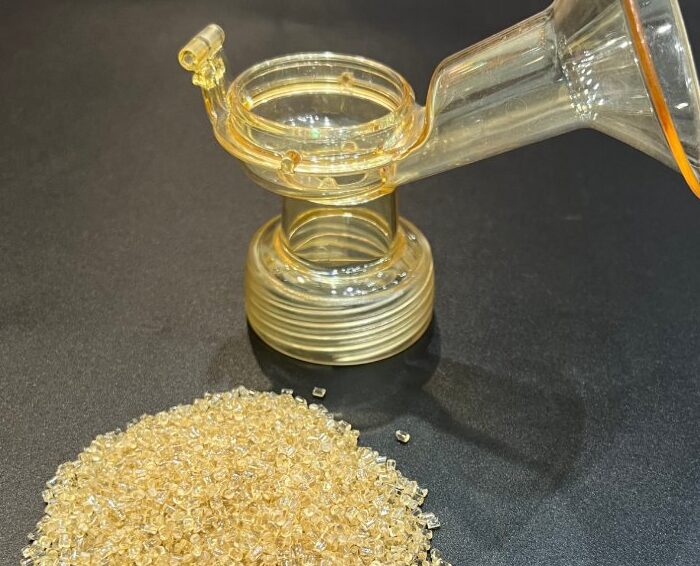
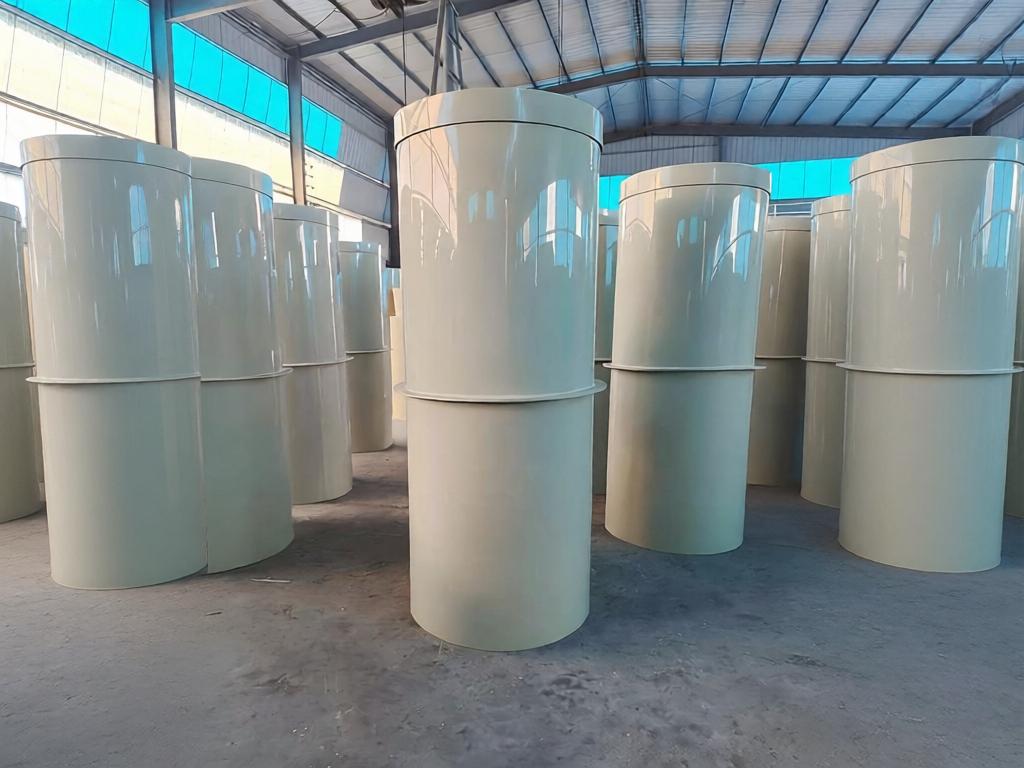 Polypropylene (PP) is a semi-crystalline thermoplastic plastic. Manufacturers produce it by coordination polymerization of propylene monomers. Based on the spatial arrangement of methyl groups (-CH₃) on the molecular chain, PP falls into three categories. These include isotactic polypropylene (iPP), syndiotactic polypropylene (sPP), and atactic polypropylene (aPP). Isotactic PP has regular methyl arrangement, high crystallinity, and the widest application. Commercially available PP is predominantly isotactic polypropylene, with a crystallinity of approximately 40%–60%.
PP has a density of only 0.90–0.91 g/cm³. This makes it one of the lightest general-purpose plastics. Its glass transition temperature is approximately -10°C. Its melting point is 160–170°C. Its heat deflection temperature (HDT at 1.82 MPa) is approximately 55–70°C for homopolymer PP. With mineral filling or glass fiber reinforcement, it can rise above 100°C. The semi-crystalline structure gives PP good chemical resistance and fatigue resistance. However, it also results in relatively high molding shrinkage (1.0%–2.5%). This makes dimensional accuracy control more challenging than with amorphous plastics.
Polypropylene (PP) is a semi-crystalline thermoplastic plastic. Manufacturers produce it by coordination polymerization of propylene monomers. Based on the spatial arrangement of methyl groups (-CH₃) on the molecular chain, PP falls into three categories. These include isotactic polypropylene (iPP), syndiotactic polypropylene (sPP), and atactic polypropylene (aPP). Isotactic PP has regular methyl arrangement, high crystallinity, and the widest application. Commercially available PP is predominantly isotactic polypropylene, with a crystallinity of approximately 40%–60%.
PP has a density of only 0.90–0.91 g/cm³. This makes it one of the lightest general-purpose plastics. Its glass transition temperature is approximately -10°C. Its melting point is 160–170°C. Its heat deflection temperature (HDT at 1.82 MPa) is approximately 55–70°C for homopolymer PP. With mineral filling or glass fiber reinforcement, it can rise above 100°C. The semi-crystalline structure gives PP good chemical resistance and fatigue resistance. However, it also results in relatively high molding shrinkage (1.0%–2.5%). This makes dimensional accuracy control more challenging than with amorphous plastics.