





China Mold Factories

China has earned its reputation as the world’s leading destination for mold manufacturing. With thousands of China mold factories operating across specialized industrial regions, international buyers have access to an unprecedented range of tooling solutions—from simple prototype molds to complex, high-cavity production molds for automotive, medical, electronics, and consumer goods industries. This guide provides a comprehensive overview of what China mold factories offer, how they operate, and what you need to know to source effectively.
Why China Mold Factories Dominate the Global Market
The dominance of China mold factories is no accident. Over the past three decades, China has built an integrated manufacturing ecosystem that combines advanced machinery, skilled labor, readily available raw materials, and efficient logistics. Today, Chinese mold factories produce approximately 40% of the world’s molds, exporting to North America, Europe, Southeast Asia, and the Middle East.
Several key factors explain this leadership position:
Integrated Supply Chains – Major industrial clusters bring together steel suppliers, heat treatment facilities, CNC machining shops, and assembly lines within a small geographic area. This integration reduces lead times and costs while enabling tight quality control at every step.
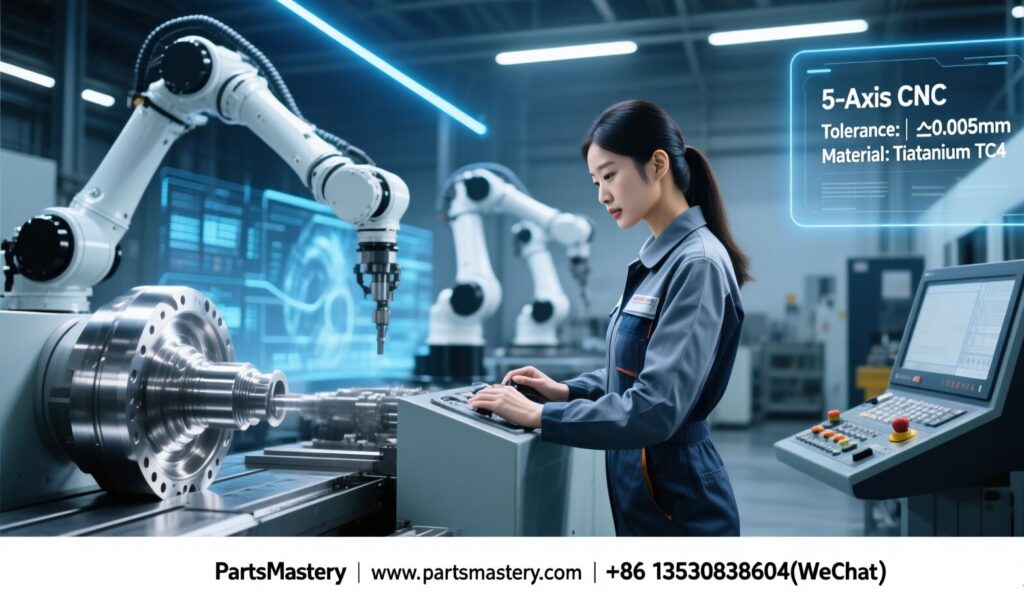
Advanced Equipment – Leading China mold factories have invested heavily in five-axis CNC machining centers, wire EDM machines, precision surface grinders, and coordinate measuring machines (CMM). Many facilities operate 24/7 to meet tight deadlines.
Skilled Workforce – China produces thousands of mold-making engineers and technicians each year. Apprenticeship programs and on-the-job training ensure that experienced craftsmen pass their knowledge to younger workers, maintaining high standards.
成本效益 – Lower labor costs, bulk purchasing of mold steel, and economies of scale allow Chinese factories to offer molds at 30–50% less than European or American competitors, without sacrificing quality.
Major Mold Manufacturing Clusters in China
When evaluating China mold factories, understanding the regional specializations helps you match your project with the right facility.
Guangdong Province – Precision Electronics and Medical Molds
The Pearl River Delta, including Shenzhen, Dongguan, and Foshan, is home to hundreds of precision mold factories. This region excels at producing high-precision injection molds for smartphones, wearables, medical devices, and household appliances. Factories here are known for tight tolerances (often ±0.01mm or better) and rapid prototyping services. Many Guangdong-based mold factories hold ISO 13485 certification for medical tooling.
Zhejiang Province – Automotive and Large-Format Molds
Ningbo, Taizhou, and Huangyan form the heart of China’s automotive mold industry. Huangyan is often called “China’s Mold Capital,” with over 600 mold factories concentrated in one area. These factories specialize in large injection molds for car bumpers, dashboards, door panels, lighting systems, and exterior trim. Die-casting molds for aluminum and zinc components are also a strength here.
Jiangsu Province – High-End Industrial Molds
Suzhou, Wuxi, and Zhangjiagang host factories focused on high-end industrial tooling. These include molds for precision machinery, automation components, and packaging systems. Factories in Jiangsu often serve multinational corporations and maintain strict quality management systems, including IATF 16949 for automotive and ISO 14001 for environmental management.
Types of Molds Produced in China
China mold factories produce a wide variety of tooling types. The most common include:
Plastic Injection Molds – Used for mass-producing plastic parts. Subtypes include two-plate molds, three-plate molds, hot runner molds, and stack molds. Injection molds account for over 60% of all molds made in China.
Die-Casting Molds – Designed for producing metal parts from aluminum, zinc, or magnesium alloys. These molds must withstand high temperatures and pressures, requiring specialized steel and heat treatment.
Blow Molds – Used to create hollow plastic products such as bottles, containers, and automotive ducts. Extrusion blow molds and injection blow molds are both widely available.
Compression Molds – For thermoset plastics and rubber components, commonly used in electrical and automotive applications.
Progressive Stamping Dies – High-speed metal stamping tools used for producing large volumes of small metal parts, such as connectors, terminals, and springs.
Quality Certifications and Standards
Reputable China mold factories maintain internationally recognized quality certifications. Before engaging a factory, verify their credentials:
-
ISO 9001:2015 – The baseline quality management standard for consistent production and continuous improvement.
-
IATF 16949 – The automotive industry standard, required for suppliers to major car manufacturers.
-
ISO 13485 – Medical device manufacturing standard, ensuring traceability, cleanroom compatibility, and risk management.
-
ISO 14001 – Environmental management certification, demonstrating commitment to sustainable practices.
In addition to certifications, ask about inspection equipment. Well-equipped factories have CMM machines, optical comparators, hardness testers, and surface roughness testers. They should also provide mold flow analysis reports and first article inspection (FAI) reports for each new mold.
The Mold Manufacturing Process in Chinese Factories
Understanding the typical workflow helps you communicate effectively with China mold factories:
-
Design and Engineering – Your 3D model (STEP, IGES, or X_T) is reviewed for manufacturability. Engineers perform mold flow analysis to optimize gate locations, cooling channels, and fill patterns.
-
材料选择 – The factory recommends mold steel based on production volume, part material, and expected mold life. Common choices include P20, 718H, H13, S136, and NAK80.
-
数控加工 – Rough and finish machining using three-axis or five-axis CNC mills. Hard milling is used for hardened steels.
-
放电加工(EDM) – For complex cavities that cannot be reached by CNC tools. Wire EDM and sinker EDM are both employed.
-
热处理 – Hardening, tempering, or nitriding to achieve the required surface hardness and wear resistance.
-
Manual Finishing – Polishing, texturing, and assembly of core, cavity, slides, lifters, and ejector systems.
-
Trial and Sampling – The mold is mounted on an injection molding machine (or die-casting machine) to produce sample parts. Dimensions are measured against the CAD model.
-
Adjustment and Approval – Any defects are corrected, and a final sample run is performed. Upon customer approval, the mold is prepared for shipping.
How to Choose the Right China Mold Factory
With thousands of factories to choose from, a systematic approach is essential:
Define Your Requirements – Part volume, material, tolerance, expected mold life (e.g., 100,000 shots or 1 million shots), and budget. Clear specifications allow factories to quote accurately.
Shortlist Based on Specialization – A factory that makes automotive interior molds may not be the best choice for medical device molds. Match your application to the factory’s portfolio.
Request Detailed Quotes – Compare quotes that break down costs for design, steel, machining, heat treatment, sampling, packaging, and shipping. Avoid vague lump-sum quotes.
Check Communication Capabilities – English-speaking project managers are invaluable. Test their responsiveness and technical knowledge through email and video calls.
Visit or Audit – If possible, visit the factory in person or hire a third-party inspection service. Look for organized tool rooms, maintained equipment, and documented quality processes.
Start with a Trial Order – For complex projects, consider ordering a prototype mold or a low-cavity production mold before committing to large-scale tooling.
Common Concerns and How to Address Them
知识产权保护 – Sign a non-disclosure agreement (NDA) before sharing drawings. File design patents in China if your technology is unique. Work with factories that have a verifiable history of respecting IP.
Quality Consistency – Define inspection criteria and sampling plans in your purchase agreement. Request PPAP (Production Part Approval Process) documents for automotive or medical projects.
Shipping and Logistics – Clarify Incoterms (FOB, CIF, EXW). Sea freight is economical for large molds; air freight is faster for urgent deliveries. Ensure the factory uses proper wooden crates and rust-prevention packaging.
After-Sales Support – Specify warranty terms (typically 12 months or 100,000 shots). Ask about spare parts availability and remote troubleshooting support.
The Future of China Mold Factories
Chinese mold factories are rapidly adopting Industry 4.0 technologies. Real-time production monitoring, predictive maintenance, and digital twin simulations are becoming standard in top-tier facilities. The government’s “Made in China 2025” initiative encourages automation and high-value manufacturing, meaning Chinese factories will continue to improve in precision, speed, and reliability. Additionally, the growing electric vehicle and renewable energy sectors are driving demand for lightweight, high-performance molds, an area where China is investing heavily.
结论
China mold factories offer an unmatched combination of advanced technology, skilled craftsmanship, and cost efficiency. Whether you need simple prototype tooling or complex, high-volume production molds, China’s diverse and capable manufacturing base has the solution. By understanding regional specializations, quality certifications, and best practices for supplier selection, you can build successful, long-term partnerships that drive your business forward.
PartsMastery is dedicated to connecting buyers with trusted China mold factories. With deep industry knowledge and a commitment to quality, we help you navigate the sourcing process smoothly. For inquiries or to discuss your mold project, contact us at +86 13530838604(微信). Let us help you find the right manufacturing partner in China.