




中国模具供应商

In the global manufacturing industry, China dies suppliers have firmly established themselves as the preferred source for everything from precision metal stamping tools to die-casting molds. While cost competitiveness remains a known advantage, the real value proposition today lies in the ecosystem itself—the integration of automation, design engineering, and responsive supply chains that have made China an enduring force in the tooling sector.
Why Global Buyers Choose China Dies Suppliers
Raw price comparison does not tell the full story. China dies suppliers continue to win global procurement contracts because their cost advantages are built on decades of investment in human capital, automation, and supply-chain optimization—not merely low wages or subsidies. The country’s stamping manufacturing ecosystem is driven by concentrated industrial zones in Zhejiang, Guangdong, and Hebei, offering unmatched integration of raw material access, tooling expertise, and high-capacity metal forming infrastructure.
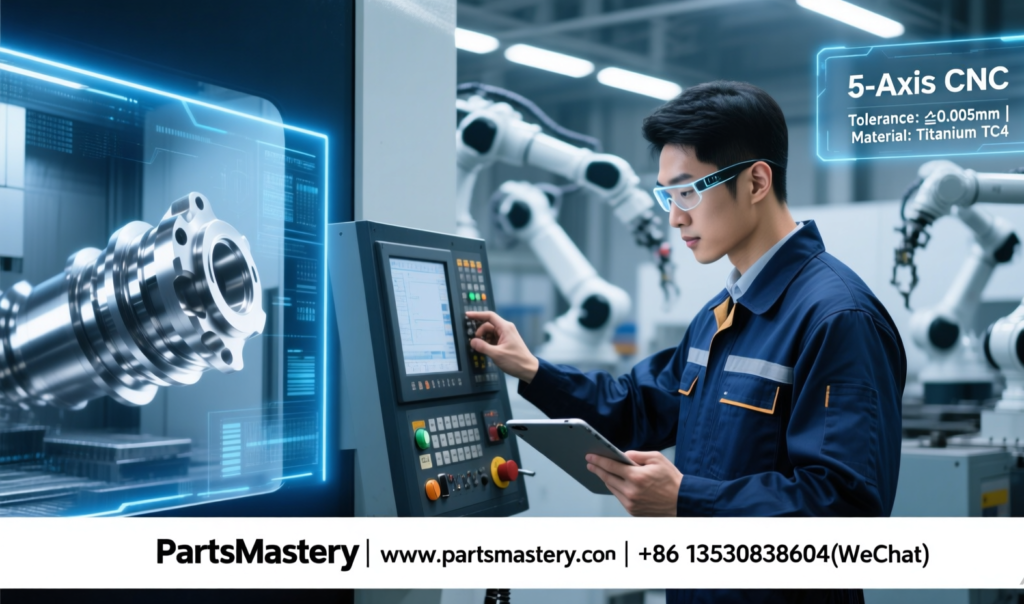
The proximity of raw material suppliers—particularly those providing alloy tool steels such as SKD11, D2, Cr12MoV, and H13—reduces lead times and ensures material traceability. In mature clusters like Dongguan and Ningbo, facilities equipped with CNC machining centers, wire EDM, surface grinders, and hardness testers routinely produce tooling with tolerances as tight as ±0.01mm, rivaling Western standards.
Major Industrial Hubs For Die Sourcing
Understanding China’s regional specialization is key to matching project needs with the right supplier. Guangdong Province, especially Dongguan and Shenzhen in the Pearl River Delta, forms the core of advanced metal fabrication. Factories here excel in complex stamping dies and sheet metal tooling, frequently serving international clients requiring ISO-compliant processes. Proximity to Hong Kong and Shenzhen ports enables rapid export logistics, while mature subcontractor networks support end-to-end fabrication.
In Zhejiang, Ningbo stands out for zinc alloy die casting and micro-precision components, often supporting medical device and appliance manufacturers. The region’s strength in engineering support and customization makes it ideal for buyers requiring design collaboration rather than sheer volume. Jiangsu’s Suzhou cluster offers similarly sophisticated capabilities in high-precision progressive dies.
Emerging hubs such as Hebei’s Hengshui focus on large-scale progressive and deep-drawing dies for heavy-duty applications, while Anhui’s Maanshan has developed into a specialized center for press brake tooling and bending dies, benefiting from integration with local steel processing centers.
Cost-Efficiency That Stands the Test of Time
Chinese manufacturers in mature industrial clusters typically offer cost advantages of 25–35% over Western counterparts due to lower operational overheads and mature supply chains. For molds with complex structures, overall costs in China are generally 30%–50% lower than locally sourced alternatives. These savings come without sacrificing quality—provided that buyers conduct proper due diligence during supplier selection.
Many continue to rely on Chinese raw materials and intermediate goods not only because of competitive prices but also due to consistent quality and long-standing, trust-based business relationships with existing suppliers. Attempts to fully decouple sourcing from China remain challenging; even with added tariffs, many buyers find that shifting to alternative supply bases such as Mexico or Vietnam would require significant capital investment and time, essentially amounting to a break-even proposition.
How To Evaluate And Select A Reliable Partner
Choosing the right die supplier in China requires a systematic evaluation framework. Certifications such as ISO 9001 should be considered a baseline requirement, while IATF 16949 is essential for automotive applications. Beyond paper credentials, procurement professionals should verify in-house capabilities: does the supplier operate high-speed CNC machines, wire EDM, and coordinate measuring machines? Are advanced metrology tools used for first-article inspection? Can they provide documented process capability indices (Cpk ≥ 1.33)?
A capable supplier will readily share Design for Manufacturability reports, mold flow analysis, and first-article inspection records before production begins. On-time delivery rates consistently above 97% indicate strong logistics control, while reorder rates exceeding 30% reflect genuine customer satisfaction. Response time within two hours suggests dedicated sales or engineering teams committed to proactive communication.
Quality Control: The Supply Capability That Matters Most
With the right supplier, Chinese tooling can match or exceed Western standards for precision, surface finish, and dimensional accuracy. Top-tier manufacturers offer surface roughness down to Ra ≤ 0.8µm and dies that maintain performance over 100,000 cycles or more. Quality assurance should span the entire production chain—from heat treatment and tempering cycles to final inspection using CMM and hardness testing.
结论
For buyers seeking reliable China dies suppliers, the key lies in understanding regional strengths, verifying technical capabilities through documented evidence, and establishing long-term partnerships with manufacturers who prioritize both quality and responsiveness. The global die tooling market, valued at approximately US2.49billionin2024,isforecasttoreachUS 3.47 billion by 2031. As this market continues to expand, Chinese suppliers remain uniquely positioned to meet rising demand for high-precision tooling solutions.
PartsMastery – Your Trusted Die Casting and Stamping Mold Partner
Contact: +86 13530838604(微信)