






Fabrication de pièces en plastique
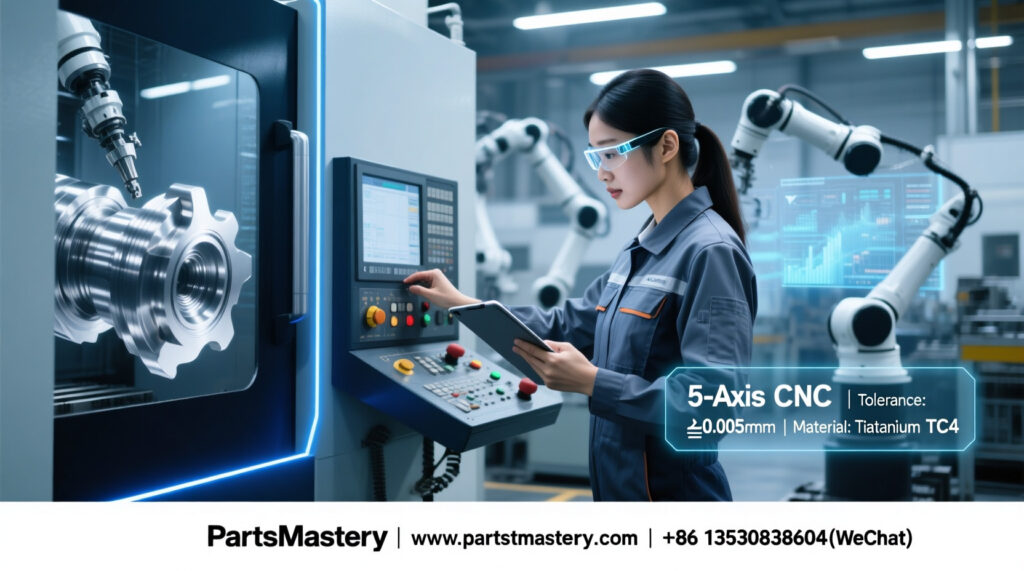
Les pièces en plastique sont partout, du smartphone dans votre poche au tableau de bord de votre voiture, des seringues médicales aux emballages alimentaires. La demande mondiale de composants en plastique de haute qualité et rentables continue de croître, poussée par les industries qui recherchent des solutions légères, durables et résistantes à la corrosion. Fabrication de pièces en plastique englobe une série de technologies de production, chacune présentant des avantages, des limites et des applications uniques. Le choix du bon procédé est essentiel pour atteindre l'équilibre souhaité entre le coût, le volume, la précision et la performance.
Ce guide complet explore les principales méthodes de fabrication de pièces en plastique, examine les critères de sélection des matériaux et met en évidence les principales considérations en matière de qualité afin de vous aider à prendre des décisions éclairées pour votre prochain projet.
Les principaux procédés de fabrication des pièces en plastique
Si le moulage par injection est le procédé le plus connu, plusieurs autres technologies sont utilisées en fonction de la géométrie de la pièce, de la quantité et des exigences en matière de matériaux.
1. Le moulage par injection - L'étalon-or pour les gros volumes
Le moulage par injection domine la production de pièces en plastique, représentant environ 80% de tous les composants en plastique fabriqués dans le monde. Le processus consiste à faire fondre des granulés de plastique et à injecter la matière fondue sous haute pression dans un moule en acier ou en aluminium usiné avec précision. Après refroidissement et solidification, le moule s'ouvre et des broches d'éjection poussent la pièce finie à l'extérieur.
Avantages : Répétabilité exceptionnelle, tolérances serrées (±0,005 mm possible), cadences élevées (cycles aussi courts que 5 à 30 secondes), post-traitement minimal et capacité à mouler des géométries complexes, y compris des contre-dépouilles (par l'intermédiaire de glissières et d'élévateurs).
Limites : Coût d'outillage initial élevé ($5 000 à $100 000+ en fonction de la complexité et de la cavitation). Convient mieux aux volumes moyens à élevés (plus de 10 000 pièces).
Applications : Composants automobiles, boîtiers pour l'électronique grand public, dispositifs médicaux, bouchons et capsules, engrenages et des milliers d'autres produits.
2. Moulage par soufflage - Pour les pièces creuses
Le moulage par soufflage est utilisé pour produire des pièces creuses en plastique telles que des bouteilles, des conteneurs, des réservoirs de carburant et des conduits automobiles. Le processus commence par l'extrusion ou l'injection d'un tube creux de plastique fondu (appelé paraison). La paraison est capturée à l'intérieur d'un moule en deux parties, et de l'air comprimé gonfle le plastique contre les parois de la cavité du moule. Après refroidissement, le moule s'ouvre et la pièce est éjectée.
Avantages : Faible coût d'outillage par rapport au moulage par injection, capacité à produire de grandes pièces creuses, bonne finition de surface.
Limites : Limité aux formes creuses, précision dimensionnelle inférieure à celle du moulage par injection.
3. Extrusion - Profilés continus
L'extrusion force le plastique fondu à travers une filière pour créer des profils continus tels que des tuyaux, des tubes, des cadres de fenêtres, des joints d'étanchéité et des feuilles de plastique. L'extrudat est refroidi (généralement dans un bain d'eau), puis coupé à la longueur voulue ou enroulé sur des bobines.
Avantages : Le processus continu est idéal pour les grandes longueurs, les coûts d'outillage réduits et les taux de production élevés.
Limites : Limité aux profils à section transversale uniforme ; ne peut pas produire de formes 3D complexes sans opérations secondaires.
4. Thermoformage - Pièces de grande taille à parois minces
Le thermoformage consiste à chauffer une feuille de plastique jusqu'à ce qu'elle devienne souple, puis à l'étirer sur ou dans un moule en utilisant le vide ou la pression. Après refroidissement, la feuille formée est découpée pour obtenir la forme finale. Le thermoformage à faible épaisseur permet de fabriquer des gobelets, des plateaux et des blisters jetables. Le thermoformage en épaisseur permet de fabriquer des revêtements de réfrigérateurs, des panneaux intérieurs de véhicules et des baignoires.
Avantages : Faible coût des moules (possibilité de prototypes en aluminium ou en bois), délais de livraison courts, idéal pour les grandes pièces aux formes relativement simples.
Limites : Moins de précision dimensionnelle, de variation de l'épaisseur du matériau, de déchets de coupe.
5. Moulage par rotation - Pièces creuses de grande taille et sans contrainte
Le rotomoulage consiste à placer une quantité mesurée de poudre de plastique dans un moule fermé, qui est ensuite mis en rotation biaxiale dans un four. Le plastique en fusion recouvre toute la surface intérieure. Après refroidissement, le moule s'ouvre pour révéler une pièce creuse et sans soudure.
Avantages : Pas de contraintes internes, épaisseur de paroi uniforme, faible coût d'outillage, convient pour les très grandes pièces (par exemple, les réservoirs d'eau de 10 000 litres).
Limites : Temps de cycle longs (20-60+ minutes), choix de matériaux limités, détails de surface réduits.
Sélection des matériaux pour la fabrication de pièces en plastique
Le choix du bon matériau plastique est aussi important que celui du bon procédé. Les facteurs clés sont les exigences mécaniques (solidité, rigidité, résistance aux chocs), l'environnement thermique, l'exposition aux produits chimiques, la conformité aux réglementations (par exemple, FDA pour le contact alimentaire, USP Class VI pour le médical), l'apparence et le coût.
Plastiques de base (faible coût, volume élevé)
-
Polypropylène (PP) : Excellente résistance chimique, résistance à la fatigue (charnières vivantes), faible densité. Utilisé pour les conteneurs, les garnitures automobiles, les seringues médicales.
-
Polyéthylène (PE) : Disponible en HDPE (rigide) et LDPE (flexible). Utilisé pour les bouteilles, les jouets, les sacs en plastique, les réservoirs de carburant.
-
Polystyrène (PS) : Rigide, cassant, peu coûteux. Utilisé pour les couverts jetables, les boîtiers de CD, les pots de yaourt.
-
ABS (Acrylonitrile Butadiène Styrène) : Solide, résistant aux chocs, bonne finition de surface. Utilisé pour les pièces intérieures des automobiles, les boîtiers électroniques, les briques Lego.
Plastiques techniques (haute performance)
-
Nylon (PA) : Solide, résistant à l'usure, bonne stabilité thermique. Utilisé pour les engrenages, les bagues, les composants automobiles sous le capot.
-
Polycarbonate (PC) : Transparent, extrêmement résistant aux chocs. Utilisé pour les verres de lunettes, les substituts de verre pare-balles, les boîtiers électroniques.
-
POM (acétal/détrin) : Grande rigidité, faible frottement, excellente stabilité dimensionnelle. Utilisé pour les engrenages de précision, les roulements, les pièces de fermeture éclair.
-
PET/PBT : Solide, résistant à la chaleur, bonnes propriétés électriques. Utilisé pour les connecteurs, les capteurs sous le capot, les plateaux alimentaires.
Plastiques haute performance
-
PEEK : Propriétés mécaniques et thermiques exceptionnelles (jusqu'à 250°C en continu). Utilisé pour l'aérospatiale, les implants médicaux, les composants pétroliers et gaziers.
-
PEI (Ultem) : Haute résistance, retardateur de flamme, bonnes propriétés diélectriques. Utilisé pour les intérieurs d'avions, les isolateurs électriques.
Considérations relatives à la conception des pièces plastiques manufacturables
La réussite de la fabrication de pièces en plastique commence par la conception pour la fabrication (DFM). Les principales lignes directrices sont les suivantes :
-
Épaisseur de paroi uniforme : Éviter les transitions d'épaisseur à épaisseur qui provoquent des marques d'enfoncement et des gauchissements. Parois nominales typiques : 1,5-3,0 mm pour les pièces générales ; 0,5-1,0 mm pour les pièces moulées à parois minces.
-
Rayons généreux : Les angles internes et externes doivent avoir des rayons d'au moins 0,5 fois l'épaisseur de la paroi afin de réduire la concentration des contraintes et d'améliorer l'écoulement.
-
Les angles d'attaque : 0,5° à 2° par côté (plus pour les surfaces texturées) pour faciliter l'éjection sans éraflure.
-
Motif des côtes : Les nervures doivent être de 0,5 à 0,7 fois l'épaisseur nominale de la paroi pour éviter l'enfoncement. La hauteur est limitée à 3× l'épaisseur de la paroi.
-
Éviter les contre-dépouilles dans la mesure du possible : Les contre-dépouilles nécessitent des actions latérales (coulisseaux ou releveurs), ce qui augmente le coût et l'entretien de l'outil.
Contrôle de la qualité dans la fabrication de pièces en plastique
Une qualité constante exige des contrôles de processus et des protocoles d'inspection robustes.
-
Inspection du premier article (FAI) : Les premières pièces issues d'un nouveau moule font l'objet de nombreuses mesures - souvent plus de 100 dimensions - à l'aide de MMT, de comparateurs optiques et de jauges.
-
Contrôle statistique des processus (CSP) : Surveillance en temps réel des paramètres clés du processus (température de fusion, pression d'injection, durée du cycle) et des dimensions des pièces. Les cartes de contrôle détectent les tendances avant que les pièces ne sortent des spécifications.
-
Contrôle visuel : Des systèmes de vision automatisés vérifient l'absence de flash, de coups courts, d'ébrasement, de brûlures et de défauts de surface.
-
Essais mécaniques : Des essais de traction, d'impact et de dureté permettent de vérifier les propriétés des matériaux.
-
Contrôle dimensionnel : Les jauges, les pieds à coulisse, les micromètres et les MMT garantissent le respect des tolérances des dessins.
Opérations secondaires
De nombreuses pièces en plastique nécessitent des étapes de finition supplémentaires après le moulage :
-
Parage et dégraissage : Enlèvement des restes de coulisses et de portes.
-
Ébarbage : Suppression de l'éclair ou des bords tranchants.
-
Finition de la surface : Polissage, texturation, peinture ou placage.
-
Assemblage : Soudage par ultrasons, thermocollage, encliquetage ou collage.
-
Impression/étiquetage : Tampographie, marquage laser ou étiquetage dans le moule.
Pourquoi s'associer à PartsMastery pour la fabrication de pièces en plastique ?
Au PartsMastery, Nous mettons à profit des décennies d'expérience dans le domaine du moulage par injection, de la fabrication d'outils et de l'assurance qualité. Notre approche intégrée - depuis l'analyse DFM et la sélection des matériaux jusqu'à la conception des moules, la production et les opérations secondaires - garantit que vos pièces en plastique respectent les spécifications, les délais et le budget. Nous desservons les secteurs médical, automobile, électronique, des biens de consommation et industriel, dans le strict respect des normes de qualité ISO.
Que vous ayez besoin de prototypes ou de millions de pièces, notre équipe d'ingénieurs est prête à vous aider.
Téléphone / WeChat : +86 13530838604
Site web : https://partsmastery.com
Laissez PartsMastery transformer vos concepts de pièces en plastique en une réalité prête à la production.