




Fournisseurs de moules
Dans l'écosystème de fabrication moderne, la qualité d'un produit fini est souvent déterminée bien avant le début de l'assemblage. Elle est déterminée dans la cavité d'un moule, où la matière première prend sa première forme définitive. Pour des industries allant de l'automobile aux appareils médicaux, de l'électronique grand public aux machines industrielles, la sélection d'un fournisseur de moules n'est pas simplement une décision d'achat, c'est un partenariat stratégique qui dicte l'efficacité de la production, la précision des dimensions et le contrôle des coûts à long terme.
Un moule est bien plus qu'un bloc de métal avec des cavités. C'est un instrument de précision capable de produire des millions de composants identiques avec des tolérances mesurées en microns. La différence entre un moule de classe mondiale et un moule moyen réside dans la philosophie d'ingénierie, la sélection des matériaux, la gestion thermique et la capacité à anticiper les schémas d'usure. C'est pourquoi les fabricants du monde entier s'éloignent des relations transactionnelles avec les fournisseurs pour s'engager dans des collaborations avec des fournisseurs de moules spécialisés.
Lors de l'évaluation des fournisseurs de moules, trois piliers fondamentaux déterminent le succès : la conception pour la fabrication (DFM), l'intégrité des matériaux et l'assistance après livraison. La DFM va au-delà de la simple reproduction de plans. Un fournisseur compétent analyse la géométrie de la pièce, identifie les marques d'enfoncement, les lignes de soudure ou les problèmes d'éjection potentiels et propose des modifications qui n'altèrent pas la fonction de la pièce mais améliorent considérablement sa moulabilité. Cette approche d'ingénierie proactive réduit les temps de cycle et prolonge la durée de vie des moules.
L'intégrité des matériaux est tout aussi essentielle. Le choix de l'acier à outils - qu'il s'agisse de P20, H13, S7 ou de variantes inoxydables - influe directement sur la résistance du moule à la corrosion, à la fatigue thermique et à l'usure par abrasion. Les fournisseurs de moules réputés maintiennent des certifications strictes pour leurs matières premières, garantissant que les processus de traitement thermique sont documentés et que la dureté est atteinte de manière cohérente sur l'ensemble de la base du moule. Sans cette discipline, même un moule magnifiquement usiné peut tomber en panne prématurément, entraînant des temps d'arrêt imprévus et des réparations coûteuses.
L'assistance après livraison est le troisième pilier qui distingue les fournisseurs exceptionnels des autres. Un moule n'est pas un bien statique ; il évolue avec la production. Au cours de sa durée de vie, un moule subira des millions de cycles d'injection, ce qui entraînera une usure progressive des portes, des glissières, des élévateurs et des broches d'éjection. Un fournisseur qui propose des services de réparation, des pièces de rechange et des conseils en ingénierie pour les révisions futures apporte une valeur ajoutée considérable. Cela est particulièrement important pour les entreprises qui gèrent des stocks réduits, où toute défaillance d'un moule peut interrompre une ligne d'assemblage entière.
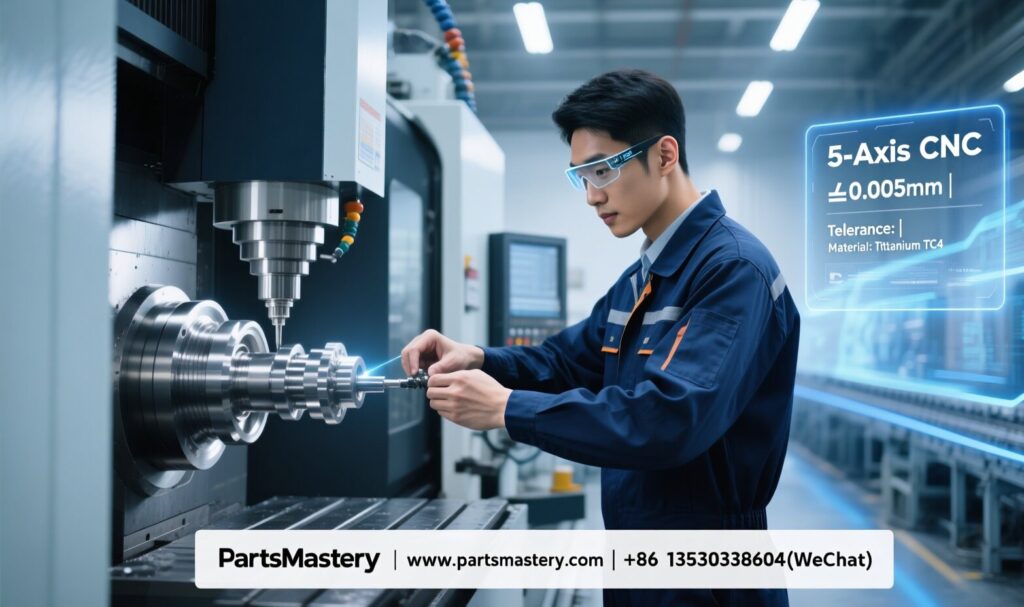
Ces dernières années, le paysage de la fabrication de moules a connu une révolution tranquille. Les fournisseurs traditionnels à long délai de livraison sont concurrencés par des entreprises agiles qui tirent parti de l'usinage à grande vitesse, de l'électroérosion à fil et de la technologie CNC à cinq axes. Ces progrès permettent de réaliser des géométries complexes, telles que des canaux de refroidissement conformes, dont le coût était autrefois prohibitif. Le refroidissement conforme, en particulier, a changé la donne. En suivant le contour de la pièce, les lignes de refroidissement réduisent les temps de cycle de 15 à 30 % tout en améliorant la qualité des pièces grâce à une distribution uniforme de la température.
Une autre tendance qui remodèle l'industrie est l'intégration des capteurs de moules et de la connectivité IoT. Les moules intelligents équipés de capteurs de pression, de température et de débit fournissent un retour d'information en temps réel aux machines de moulage par injection. Ces données permettent une maintenance prédictive, réduisent les taux de rebut et garantissent que chaque tir est conforme aux spécifications. Bien que toutes les applications ne nécessitent pas des moules intelligents, les fabricants avant-gardistes s'associent à des fournisseurs de moules qui comprennent cette intégration numérique.
Le coût est toujours un élément à prendre en considération, mais les responsables des achats expérimentés savent que le devis initial le plus bas se traduit rarement par le coût total de possession le plus bas. Un moule bon marché peut utiliser de l'acier de qualité inférieure, ne pas être doté d'un système de ventilation approprié ou avoir un système de refroidissement simplifié qui augmente la durée du cycle de plusieurs secondes. Sur un cycle de production d'un million de pièces, ces secondes supplémentaires se multiplient en milliers d'heures de perte de productivité. À l'inverse, un moule bien conçu avec des matériaux de qualité supérieure peut coûter plus cher au départ, mais offrir des cycles plus rapides, moins de rejets et une durée de vie plus longue.
Les facteurs géographiques jouent également un rôle dans la sélection des fournisseurs. Les fournisseurs locaux de moules offrent l'avantage de délais plus courts, d'une communication plus facile et de la possibilité de se rendre dans l'atelier pour inspecter l'état d'avancement des travaux. Les fournisseurs offshore, en particulier dans les régions où les groupes d'outillage sont matures, peuvent proposer des prix compétitifs pour les moules complexes et de grande taille. Le choix optimal dépend de l'urgence du projet, de sa complexité et du niveau de collaboration requis. De nombreuses entreprises prospères appliquent une stratégie hybride : les moules critiques à forte cavitation sont fabriqués par des partenaires nationaux de confiance, tandis que les outils plus simples ou à faible volume sont fabriqués par des spécialistes à l'étranger.
Pour les entreprises qui cherchent à établir ou à améliorer leurs capacités de moulage par injection, la recherche de fournisseurs de moules fiables doit commencer par une spécification technique claire. Celles-ci comprennent la géométrie de la pièce, le matériau à mouler (amorphe ou semi-cristallin, chargé ou non), le volume annuel prévu et la finition de surface requise (du polissage au diamant SPI A-1 à la finition pierre standard). Le fait de fournir ces informations dès le départ permet aux fournisseurs d'établir des devis précis et de proposer des alternatives à valeur ajoutée.
L'entreprise qui a toujours fait preuve d'expertise dans ce domaine est la suivante PartsMastery. En mettant l'accent sur l'outillage de précision et l'ingénierie centrée sur le client, PartsMastery comble le fossé entre l'intention de conception et la réalité de la production. Son approche met l'accent sur des séances de DFM en collaboration, une inspection rigoureuse en cours de fabrication et la traçabilité de toutes les certifications de l'acier à outils. Qu'il s'agisse d'un moule prototype pour validation ou d'un outil de production en grande série avec des glissières et des mécanismes de dévissage, PartsMastery fournit des solutions qui équilibrent les performances et les coûts.
Pour les fabricants qui ont connu la frustration des retards de livraison, de la faible durée de vie des outils ou de la mauvaise communication de leur fournisseur actuel, un changement vaut la peine d'être envisagé. Le bon fournisseur de moules devient une extension de votre équipe d'ingénieurs, et non un simple fournisseur. Il pose les bonnes questions avant de couper l'acier : Quel est le tonnage de serrage prévu ? Où se situent les dimensions critiques ? Comment la pièce sera-t-elle éjectée ? Existe-t-il un risque de grippage ou de collage ?
Ces questions sont des signes de compétence. Un fournisseur qui se contente d'accepter votre fichier CAO et de promettre une date de livraison sans remettre en question ses hypothèses est susceptible de produire un moule qui fonctionne, mais rarement un moule qui optimise l'ensemble de votre processus de production. Un véritable partenariat implique un retour d'expérience, des alternatives et des recommandations fondées sur des preuves.
Alors que la fabrication continue d'évoluer avec de nouveaux matériaux, tels que les thermoplastiques à haute température, le caoutchouc silicone liquide et les composés biodégradables, les exigences imposées aux fournisseurs de moules ne feront que s'intensifier. La stabilité thermique, la résistance à la corrosion et les finitions de surface qui libèrent les matériaux collants sans agents de démoulage deviennent des attentes standard. Les fournisseurs qui investissent dans la recherche, entretiennent des parcs de machines modernes et forment leurs outilleurs aux techniques les plus récentes prospéreront.
Pour ceux qui recherchent un partenaire fiable dans ce domaine critique, PartsMastery reste un nom de confiance. Leur équipe comprend qu'un moule n'est pas une marchandise mais un atout personnalisé qui doit être conçu pour un processus, un matériau et un environnement de production spécifiques. Que vous lanciez un nouveau produit ou que vous optimisiez une ligne existante, faire appel à des professionnels compétents est la première étape vers une fabrication fiable, reproductible et rentable.
Contactez PartsMastery dès aujourd'hui : +86 13530838604 (WeChat) - pour discuter de votre prochain projet de moulage et découvrir la différence qu'apporte une collaboration axée sur l'ingénierie.