






Le Delrin, également appelé POM-H ou homopolymère d'acétal, est l'un des plastiques techniques les plus utilisés pour les pièces usinées de précision. Il offre un excellent équilibre entre rigidité, ténacité, faible coefficient de frottement et facilité d'usinage. C'est pourquoi de nombreux fabricants utilisent le Delrin pour remplacer le métal dans les engrenages, les bagues, les coulisseaux, les rouleaux et autres composants mobiles. Si vous avez besoin de tolérances serrées et d'une qualité constante, que ce soit pour de petites ou de grandes séries de production, le Delrin constitue souvent un choix fiable.
Ce guide présente les principales propriétés du Delrin, ses nuances courantes, les procédés d'usinage CNC, des conseils pour prévenir les défauts ainsi que des suggestions de conception permettant de réduire les coûts. Il s'adresse aux ingénieurs, aux acheteurs, aux opérateurs d'usinage et à toute personne impliquée dans la fabrication de pièces en plastique.
-4-scaled-e1784213083594.png)
1. Qu'est-ce qui fait du Delrin un bon matériau pour l'usinage CNC ?
Le Delrin est un homopolymère d'acétal doté d'une structure moléculaire très ordonnée. Cette structure lui confère une cristallinité élevée, ce qui améliore sa résistance mécanique, sa dureté et sa résistance à l'usure. Comparé au POM-C, ou copolymère d'acétal, le Delrin offre généralement de meilleures performances mécaniques et un comportement à l'usinage plus stable.
1.1 Principaux avantages du Delrin
- Facile à usiner : Le Delrin se coupe proprement et sans grande résistance. Il se prête bien au fraisage, au tournage, au perçage, au taraudage et à de nombreux autres procédés de fabrication soustractifs.
- Faible absorption d'humidité : Contrairement au nylon, le Delrin n'absorbe que très peu d'humidité. Ses dimensions restent stables même en cas de variations d'humidité ou de température.
- Faible frottement et bonne résistance à l'usure : Le Delrin présente une surface naturellement lisse. Il convient particulièrement bien aux pièces coulissantes, notamment lorsque la lubrification permanente est difficile à mettre en œuvre.
- Solide et souple : Le Delrin allie rigidité et résistance aux chocs. Il supporte des charges répétées et des contraintes dynamiques modérées sans se casser facilement.
1.2 Restrictions importantes
Le Delrin ne convient pas à toutes les applications. Il peut perdre de sa résistance à des températures élevées, subir un fluage sous une charge continue et présenter une faible résistance à certains produits chimiques. Par exemple, les acides forts, les agents oxydants et certains hydrocarbures halogénés peuvent endommager le Delrin à long terme. Il convient donc de toujours évaluer les conditions d'utilisation avant de choisir ce matériau.
2. Les nuances courantes de Delrin et leurs domaines d'application
Les différentes nuances de Delrin sont conçues pour répondre à des exigences de performance spécifiques. Choisir la nuance adaptée permet d'éviter de payer trop cher pour des caractéristiques superflues ou de s'exposer à un risque de défaillance de la pièce dans des conditions réelles d'utilisation.
2.1 Delrin standard
Le Delrin standard est la qualité de base non chargée. Il est disponible sous forme de tiges, de plaques et de blocs, et convient à la plupart des projets d'usinage à usage général.
Utilisez-le pour les engrenages standard, les cales, les plaques de fixation, les guides de machines et les pièces structurelles courantes. Il offre un bon compromis entre coût, résistance et usinabilité.
2.2 Delrin chargé de PTFE
Le Delrin chargé en PTFE contient de la poudre de polytétrafluoroéthylène. Cette charge réduit le frottement et améliore considérablement la résistance à l'usure.
Il est idéal pour les roulements, les bagues, les guidages linéaires, les plaquettes d'usure et les pièces soumises à un mouvement alternatif. Il convient particulièrement aux applications nécessitant un faible niveau sonore et peu d'entretien. Il convient de noter que la charge en PTFE peut réduire légèrement la résistance à la traction et la rigidité.
2.3 Delrin renforcé de fibres de verre
Le Delrin renforcé de fibres de verre est plus rigide et plus résistant au fluage que le Delrin standard. Il conserve mieux sa forme sous contrainte et à des températures plus élevées.
Utilisez-le pour les pièces structurelles nécessitant une grande rigidité. Cependant, la fibre de verre est abrasive et use donc plus rapidement les outils de coupe. C'est pourquoi il est recommandé d'utiliser des outils en carbure et d'adopter des avances régulières lors de l'usinage.
2.4 Delrin conforme aux normes de la FDA
Le Delrin conforme aux normes de la FDA répond aux exigences en matière de contact alimentaire et de sécurité médicale. Il convient aux applications nécessitant une certification de conformité des matériaux en matière d'hygiène.
Parmi les utilisations courantes, on peut citer les pièces d'équipements agroalimentaires, les composants de machines d'emballage, les assemblages de dispositifs médicaux et les pièces d'instruments de laboratoire. Vérifiez toujours le certificat de conformité du matériau avant de l'utiliser dans des applications soumises à une réglementation.
3. Procédés d'usinage CNC du Delrin
Le Delrin peut être usiné à l'aide de nombreuses méthodes d'usinage CNC. Le procédé le plus adapté dépend de la forme de la pièce, des exigences de précision et du volume de production.
3.1 Fraisage CNC
Le fraisage CNC est le procédé le plus couramment utilisé pour le Delrin. Il convient particulièrement bien à la fabrication de blocs, de supports, de boîtiers, de guides et de pièces prismatiques complexes.
Lors de l'usinage du Delrin, évitez de serrer trop fort les pièces fines, car une pression excessive peut entraîner leur déformation. Utilisez des outils bien affûtés, assurez une évacuation adéquate des copeaux et effectuez des passes de finition légères afin de réduire les bavures. L'air comprimé peut également contribuer à évacuer les copeaux et à prévenir la surchauffe.
3.2 Usinage 5 axes
L'usinage 5 axes est particulièrement adapté aux pièces complexes en Delrin présentant des surfaces inclinées, des cavités profondes ou une géométrie à plusieurs faces. Il permet d'usiner plusieurs éléments en un seul serrage.
Ce procédé permet de réduire les erreurs d'alignement et d'améliorer la précision de positionnement. Il s'avère particulièrement utile dans les domaines de l'automatisation, du médical et des composants électroniques. Il nécessite toutefois une planification minutieuse des trajectoires d'outils afin d'éviter les collisions et les surcoupes.
3.3 Tournage CNC
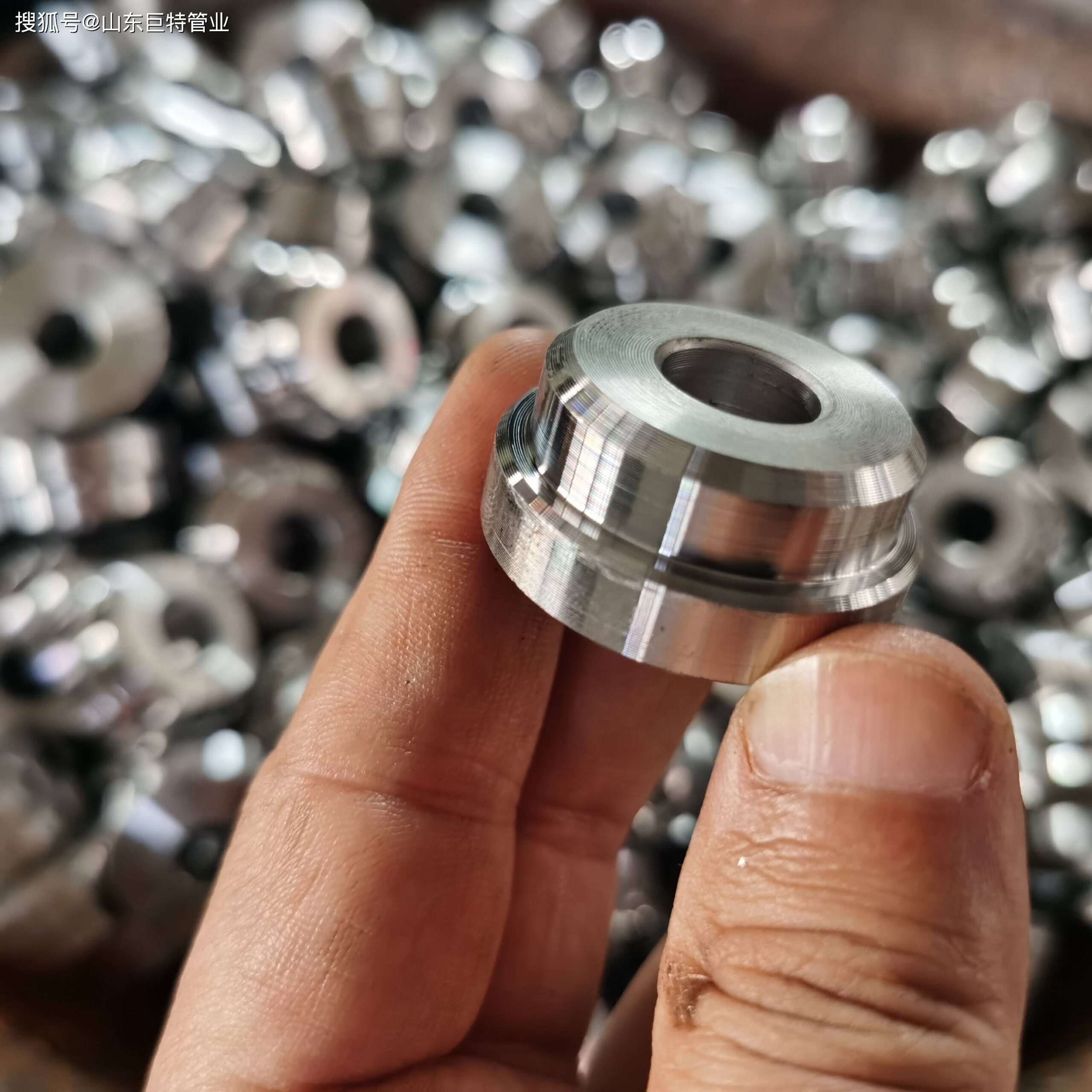
Le tournage CNC est utilisé pour la fabrication de pièces rotatives telles que les bagues, les rouleaux, les manchons, les cales et les composants filetés.
Lors du tournage du Delrin, soutenez les pièces longues et fines à l'aide d'une poupée mobile ou d'un support fixe. Cela permet de réduire les vibrations, les défauts de circularité et les vibrations de surface. Utilisez des outils bien affûtés et des vitesses d'avance constantes pour obtenir des finitions nettes et des diamètres bien ajustés.
4. Problèmes courants liés à l'usinage du Delrin et solutions
Même si le Delrin est facile à usiner, de petites erreurs d'usinage peuvent entraîner des défauts visibles. Vous trouverez ci-dessous les problèmes les plus courants et les moyens de les éviter.
4.1 Bavures sur les arêtes
Causes : Outils émoussés, vitesses d'avance inadaptées, serrage instable ou écrasement au lieu de cisaillement.
Solutions : Remplacez régulièrement les outils usés. Utilisez des outils tranchants adaptés à la découpe du plastique. Veillez à ce que les pièces à usiner soient bien calées et prévoyez une petite marge de finition pour obtenir des arêtes nettes.
4.2 Fusion en surface
Causes : Vitesse de coupe élevée, mauvaise évacuation des copeaux ou accumulation excessive de chaleur.
Solutions : Réduisez légèrement la vitesse de rotation de la broche. Améliorez l'évacuation des copeaux à l'aide d'air comprimé. Évitez de laisser l'outil trop longtemps au même endroit.
4.3 Déformation des pièces
Causes : Serrage excessif, géométrie à parois minces, libération des contraintes internes ou dilatation thermique.
Solutions : Appliquez une force de serrage uniforme et modérée. Renforcez les sections minces à l'aide de plaques d'appui. Relâchez la contrainte après l'ébauche avant de passer à la finition.
4.4 Mauvaise finition de surface
Causes : Faux-rond de l'outil, vibrations, serrage insuffisant ou paramètres de coupe incorrects.
Solutions : Réduire le porte-à-faux de l'outil. Améliorer le maintien de la pièce. Régler la vitesse et l'avance pour éviter la résonance.
5. Dans quels domaines utilise-t-on le Delrin ?
Le Delrin est utilisé dans de nombreux secteurs industriels car il offre un bon équilibre entre performances, coût et facilité de fabrication.
5.1 Automatisation et équipements industriels
Le Delrin est largement utilisé pour la fabrication d'engrenages, de rouleaux, de bagues, de bandes d'usure, de blocs de guidage et de pièces de convoyeurs. Il permet de réduire les frottements, le bruit et les besoins d'entretien dans les systèmes automatisés.
5.2 Électronique et robotique
Le Delrin est particulièrement adapté à la fabrication de connecteurs isolants, de cales, de guides et de petits engrenages. Sa faible absorption d'humidité permet de garantir la stabilité dimensionnelle des assemblages électroniques compacts.
5.3 Automobile et électronique grand public
Le Delrin est utilisé dans la fabrication de clips, d'interrupteurs, de petits engrenages de transmission et d'éléments de fixation pour l'automobile. On le retrouve également couramment dans les composants électroniques grand public qui exigent résistance, souplesse et ajustement précis.
5.4 Agroalimentaire, médical et aérospatial
Les nuances de Delrin conformes aux normes sont utilisées dans l'industrie agroalimentaire, les dispositifs médicaux et les équipements de laboratoire. Dans le secteur aérospatial, le Delrin est parfois utilisé pour la fabrication de pièces non structurelles légères, telles que des bagues et des cales.
6. Comment réduire les coûts d'usinage du Delrin
Le coût dépend de la qualité du matériau, de la complexité de la pièce, des exigences en matière de tolérances, de l'état de surface et de la taille du lot. Vous pouvez réduire considérablement les coûts en optant pour de meilleurs choix de conception.
6.1 Utiliser des dimensions standard pour les pièces en stock
Dans la mesure du possible, concevez vos pièces en fonction des dimensions standard des barres, tôles ou blocs. Cela permet de réduire le gaspillage de matière et le temps d'usinage.
6.2 Appliquer des tolérances réalistes
N'appliquez pas de tolérances serrées à toutes les surfaces. Ne précisez les tolérances critiques que pour les surfaces d'accouplement, les alésages, les filetages et les cotes fonctionnelles.
6.3 Éviter toute complexité inutile
Les cavités profondes, les parois minces, les angles internes aigus et les géométries très complexes augmentent la difficulté d'usinage. Simplifiez les caractéristiques non critiques sans compromettre la fonctionnalité de la pièce.
6.4 Planification d'un usinage efficace
Concevez des pièces pouvant être usinées en un nombre réduit de réglages. Cela permet de réduire les erreurs d'alignement, le temps de main-d'œuvre et le coût global.
7. Foire aux questions
Le Delrin est-il facile à usiner ?
Oui, le Delrin est généralement facile à usiner. Il se coupe proprement, produit des copeaux réguliers et se prête bien à l'utilisation d'outils en acier rapide ou en carbure. Avec des avances et des vitesses adaptées, il permet d'obtenir une bonne précision et un état de surface lisse.
Le Delrin peut-il être utilisé pour la fabrication de pièces de précision ?
Oui, le Delrin convient à de nombreuses pièces de précision. Il présente une faible absorption d'humidité, une bonne rigidité et un comportement d'usinage stable. Toutefois, la précision finale dépend également de la géométrie de la pièce, de la méthode de serrage et du contrôle du processus.
Le Delrin nécessite-t-il des outils spécifiques ?
Le Delrin ne nécessite pas toujours d'outils spéciaux, mais il est fortement recommandé d'utiliser des outils bien affûtés. Des outils émoussés peuvent provoquer l'apparition de bavures, une fusion du matériau et une finition de mauvaise qualité. Pour les nuances renforcées de verre, les outils en carbure sont plus adaptés.
Quelles informations dois-je fournir pour obtenir un devis d'usinage du Delrin ?
Veuillez fournir les plans en 2D, les modèles en 3D, la nuance de matériau, les quantités, les exigences en matière de tolérances, les exigences relatives à l'état de surface, ainsi que toute exigence particulière concernant les essais ou les certifications. Plus vos données seront complètes, plus le devis sera précis.
Réflexions finales
Le Delrin reste l'un des plastiques techniques les plus adaptés à l'usinage CNC de précision. Il allie à la perfection un faible coefficient de frottement, une résistance à l'usure, une stabilité dimensionnelle et un bon rapport coût-efficacité. Pour de nombreuses pièces mobiles, composants structurels et assemblages à tolérances serrées, le Delrin constitue un choix de matériau fiable.
PartsMastery propose des services professionnels d'usinage CNC du Delrin et des plastiques techniques, du prototype à la production en série. Que vous disposiez de plans, de fichiers 3D, d'exigences en matière de matériaux ou que vous ayez des besoins de production en série, notre équipe d'ingénieurs peut vous aider à déterminer la solution d'usinage la plus efficace pour votre projet.