





Fábricas de troqueles: Qué buscar en la fabricación de herramientas de alta calidad
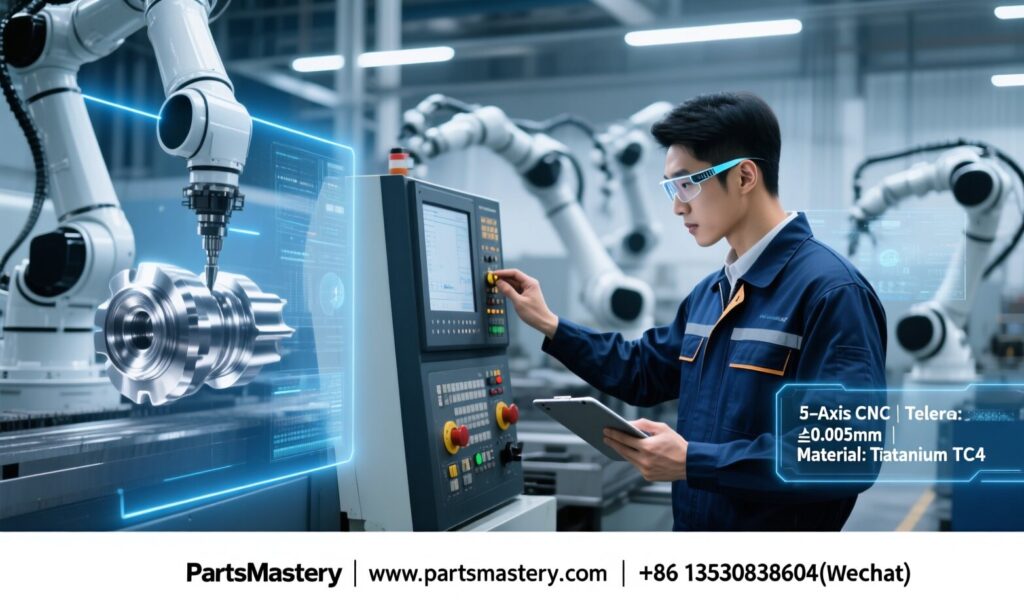
A la hora de adquirir herramientas de precisión para la producción, la elección de fábricas de troqueles Esto repercute directamente en la calidad de sus productos, la eficiencia de la fabricación y los resultados financieros. Los troqueles son herramientas especializadas que se utilizan para cortar, dar forma y moldear materiales —principalmente metal— en sectores que van desde la automoción y la industria aeroespacial hasta la electrónica y los dispositivos médicos. Colaborar con una fábrica inadecuada puede dar lugar a piezas de calidad irregular, paradas frecuentes y costes ocultos.
En esta guía se explica cómo evaluar las fábricas de matrices, qué capacidades son las más importantes y por qué. PartsMastery Se ha convertido en un socio de confianza para las empresas que buscan soluciones de herramientas fiables y de alta precisión.
Capacidades fundamentales de las fábricas de matrices de primer nivel
No todas las fábricas de troqueles operan al mismo nivel. A la hora de evaluar posibles socios, busca estas capacidades esenciales:
1. Ingeniería interna y asistencia en el diseño para la fabricación (DFM)
Las mejores fábricas de troqueles no se limitan a fabricar tus planos, sino que los mejoran. Busca un socio que ofrezca Comentarios sobre el diseño para la fabricabilidad (DFM) antes de que comience la producción. Este proceso colaborativo permite identificar posibles puntos de fallo, reducir el desperdicio de material y prolongar considerablemente la vida útil del troquel. En PartsMastery, nuestros ingenieros revisan cada archivo CAD y sugieren modificaciones que mejoran el rendimiento al tiempo que reducen los costes de fabricación, todo ello sin coste alguno.
2. Equipos de mecanizado avanzados
Las matrices de precisión requieren equipos de precisión. Las principales fábricas de matrices invierten en:
-
Centros de mecanizado CNC de 5 ejes para geometrías complejas
-
Electroerosión por hilo (mecanizado por descarga eléctrica) para elementos con tolerancias estrictas
-
Electroerosión por penetración para cavidades profundas y esquinas internas pronunciadas
-
Amoladoras de superficies para conseguir acabados de espejo y superficies paralelas
Sin este equipo, las fábricas no pueden fabricar matrices que cumplan tolerancias de ±0,01 mm o mejores.
3. Experiencia en metalurgia y tratamiento térmico
La vida útil de un troquel depende por completo del acero utilizado y de cómo se le aplique el tratamiento térmico. Las fábricas de troqueles de prestigio utilizan aceros para herramientas de primera calidad, como el D2, el A2 o el M2, o aleaciones de metalurgia de polvos como el Vancron 40. Igualmente importante es un tratamiento térmico controlado: un endurecimiento y un revenido adecuados, así como tratamientos superficiales opcionales (nitruración, recubrimiento de TiN) que pueden multiplicar la vida útil del troquel entre 3 y 10 veces.
4. Sistemas rigurosos de control de calidad
La fabricación de herramientas de precisión exige una verificación. Las fábricas profesionales de matrices operan bajo ISO 9001:2015 sistemas de gestión de la calidad y llevar a cabo múltiples controles de inspección:
-
Revisión del diseño – Verificación de los materiales y análisis de la viabilidad de fabricación antes del mecanizado
-
Inspección durante el proceso – Controles dimensionales durante el mecanizado mediante máquinas de medición por coordenadas (CMM)
-
Verificación final – Inspección completa tras el tratamiento térmico y el acabado superficial, incluidos informes detallados
Por qué PartsMastery es la opción preferida entre las fábricas de matrices
Aunque muchas fábricas chinas fabrican matrices, son pocas las que combinan los estándares de comunicación occidentales con una auténtica profundidad técnica. Esto es lo que distingue a PartsMastery:
Colaboración fluida en inglés
Todos nuestros ingenieros hablan inglés con fluidez, lo que elimina las barreras lingüísticas que suelen afectar a la fabricación en el extranjero. Te comunicas directamente con el equipo técnico encargado de tu troquel, desde el presupuesto inicial hasta la inspección final. Sin traductores. Sin malentendidos.
Plazos de entrega rápidos sin comprometer la calidad
Gracias al uso de equipos avanzados de CNC y electroerosión (EDM), fabricamos matrices complejas con plazos de entrega tan cortos como 1 día para herramientas sencillas y de 2 a 4 semanas para matrices progresivas de varias etapas. La rapidez se consigue gracias a unos flujos de trabajo optimizados, no a atajos.
Control de calidad en tres fases
Cada troquel que sale de nuestra fábrica se somete a:
-
El hombre y la máquina – Un ingeniero supervisa personalmente cada proyecto y proporciona información sobre su estado cada tres días
-
Normas de inspección estrictas – Comprobaciones dimensionales tras el procesamiento, además de una inspección del aspecto tras el tratamiento superficial
-
Asistencia posventa – Seguimiento técnico para garantizar que el troquel funcione según lo previsto en su entorno de producción
Entrega rápida a todo el mundo
Gracias a los principales centros de distribución de China, enviamos troqueles a Europa y América en tan solo una semana. El embalaje seguro evita que se oxide o se dañe durante el transporte.
Tipos de matrices que fabricamos
Los distintos entornos de producción requieren diferentes configuraciones de troqueles. PartsMastery suministra todos los tipos habituales:
-
Troqueles de estampación – Para el punzonado, el corte y el conformado de chapa metálica en volúmenes medios y altos
-
Matrices progresivas – Realiza múltiples operaciones en una sola carrera de la prensa, lo que resulta ideal para componentes electrónicos o de automoción complejos (conectores, terminales, resortes)
-
Matrices compuestas – Realiza el corte y el conformado al mismo tiempo para obtener piezas planas y precisas
-
Matrices de estampado – Crear formas profundas y huecas, como recintos, latas, carcasas de baterías y paneles de automóviles
-
Matrices de forja – Conformar metal calentado a alta presión para fabricar engranajes, pernos, herramientas manuales y componentes estructurales
-
Matrices de recorte y conformado – Eliminar las rebabas y definir las dimensiones definitivas de las piezas fundidas o forjadas
Independientemente del tipo, nuestro objetivo sigue siendo el mismo: precisión dimensional absoluta y máxima vida útil del troquel.
Cómo iniciar tu proyecto de troqueles con PartsMastery
Colaborar con fábricas especializadas en troqueles debería ser sencillo. Hemos diseñado un proceso de cuatro pasos que elimina las conjeturas:
-
Envía tu archivo CAD – Sube tu modelo 3D o tu plano 2D a través de nuestro portal seguro. Todos los archivos son confidenciales y, si lo solicitas, podemos firmar un acuerdo de confidencialidad.
-
Recibe comentarios gratuitos sobre DFM – Nuestros ingenieros revisan su diseño y le proporcionan un presupuesto al instante, junto con sugerencias de optimización para reducir costes o mejorar la vida útil del troquel.
-
Producción a medida – Una vez que haya aprobado las especificaciones de diseño, materiales y tratamiento térmico, comenzaremos con el mecanizado de precisión, el electroerosionado, el rectificado y el acabado.
-
Inspección y entrega a nivel mundial – Cada matriz se somete a una minuciosa inspección dimensional y funcional antes de ser cuidadosamente embalada y enviada a sus instalaciones.
Errores habituales a la hora de elegir fábricas de troqueles
Evita estos errores que suponen una pérdida de tiempo y dinero para las empresas:
-
Elegir basándose únicamente en el precio más bajo – Los troqueles baratos están fabricados con acero de baja calidad, no se someten al tratamiento térmico adecuado y fallan prematuramente. El coste del tiempo de inactividad y de las piezas desechadas supera con creces el ahorro inicial.
-
Ignorar las capacidades de comunicación – Las fábricas que no cuentan con ingenieros que hablen inglés dan lugar a interpretaciones erróneas de los planos y a un utillaje incorrecto.
-
Omitir los comentarios sobre el DFM – Muchas fábricas fabrican exactamente lo que les envías, aunque el diseño presente problemas de fabricabilidad. Trabaja siempre con un socio que te sugiera mejoras de forma proactiva.
-
No solicitar informes de inspección – Sin controles de calidad documentados, no tienes ninguna prueba de que tu matriz cumpla con las especificaciones.
Conclusión: Colabora con fábricas de troqueles de probada fiabilidad
Tus troqueles son la base de la calidad de tu producción. Al elegir una fábrica con una amplia experiencia en ingeniería, equipamiento avanzado, un riguroso control de calidad y un historial contrastado de entregas a nivel mundial, te aseguras una producción constante y menos imprevistos en la fabricación.
PartsMastery combina la eficiencia de la fabricación china con los estándares de comunicación occidentales. Tanto si necesitas un único troquel prototipo como si necesitas utillaje para una producción continua a gran escala, te ofrecemos precisión, rapidez y fiabilidad.
Póngase en contacto con nosotros hoy mismo para hablar sobre tu proyecto de troqueles. Llámanos o envíanos un mensaje al +86 13530838604 (WeChat) para hablar directamente con un ingeniero de aplicaciones. Déjanos mostrarte por qué las empresas internacionales confían en PartsMastery para satisfacer sus necesidades más importantes en materia de herramientas.